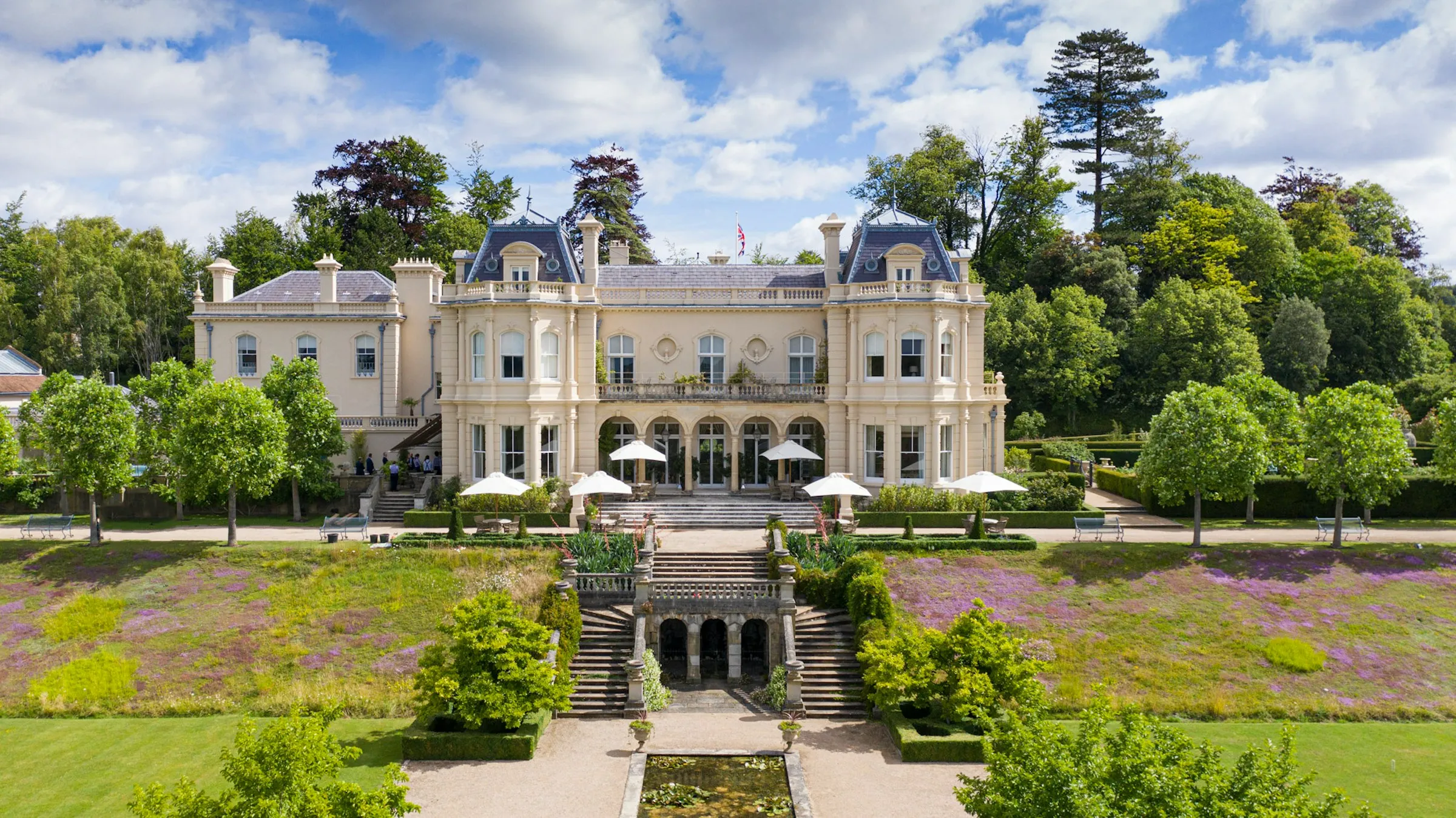
near Leatherhead, United Kingdom
Beaverbrook
A press baron's Surrey estate, once Churchill's wartime refuge, run today as one of England's most quietly assured country house hotels.
- Rates from
- From £475 per night
- Nearest airport
- London Gatwick
- Transfer
- About 25min by road from Gatwick, 30min from Heathrow
- Best months
- Year-round; May to September for the gardens and grounds, winter for log fires and the spa
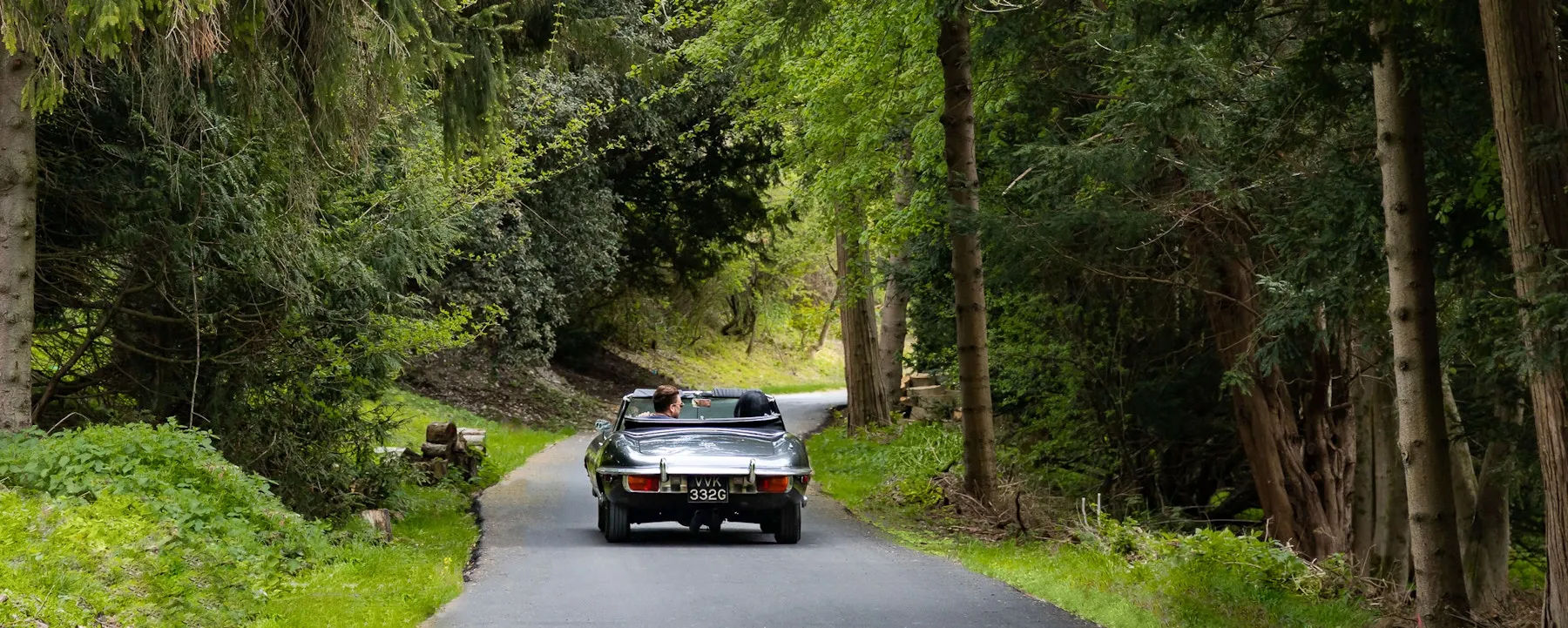
Forty minutes south of London, past the roundabouts and retail parks of the Surrey commuter belt, the road narrows and climbs into 470 acres of parkland that has been, at various points in the last century and a half, a Victorian merchant’s private retreat, a press baron’s country seat, an unofficial extension of Churchill’s wartime cabinet, and, for the last two decades, one of England’s more quietly confident country house hotels. Beaverbrook does not announce any of this loudly. There is no plaque-heavy museum trail, no costumed reenactment. What there is, instead, is a working estate, an 1866 mansion restored rather than reinvented, and a hospitality operation built with enough patience to let the history do most of the talking.
The name belongs to Max Aitken, later Lord Beaverbrook, the Canadian-British newspaper magnate who bought the house in 1910 and spent the following decades filling it with politicians, actors and writers before Churchill made him Minister of Aircraft Production during the Second World War. That period, and the friendship at the centre of it, gives Beaverbrook a genuine claim to historical weight that few hotel conversions can match. What the current operators have done since reopening it as a hotel in 2007 is arguably harder: build a property around that history without turning it into the whole pitch, so that a stay here reads first as a well-run English country house weekend, and only second as a walk through the middle of the twentieth century.
Why It Stands Out
Most English country house hotels lean on one of two stories: an aristocratic bloodline stretching back centuries, or a recent, heavily art-directed reinvention. Beaverbrook has neither, and is better for it. Its history is comparatively short and unusually specific, a single owner’s twelve-year tenure through the most consequential stretch of British twentieth-century politics, which gives the property a narrative with real edges rather than generic grandeur. The estate is also unusually self-contained for its size: five distinct buildings (The House, The Garden House, The Coach House, The Village and a scatter of Family Rooms) spread across working gardens, a spa, and several kitchens, so a two- or three-night stay never runs out of registers to move between. And because the estate sits close enough to both Gatwick and central London to function as a first or last night as easily as a full weekend break, it occupies a useful niche between a full-blown remote retreat and a city hotel.
Architecture
The House, the mansion at the centre of the estate, was built in 1866 for the businessman Abraham Dixon, in the heavier, ornamented idiom typical of late-Victorian country building: red brick and stone dressing, tall chimneys, a formal entrance front designed to be seen from the drive rather than stumbled upon. Lord Beaverbrook bought it in 1910, reportedly after spotting a for-sale sign while driving through the area with Rudyard Kipling, and spent a further sum on the era’s cutting-edge comforts: electric light, central heating, a swimming pool and one of the first private cinemas in the country. Those additions mattered less for their engineering than for what they signalled, that this was to be a house built for entertaining on a serious scale, not a quiet retirement seat.
The mansion retains its original bones today, including the sweeping Victorian staircase that anchors the entrance hall, alongside a library, morning room and screening room that carry over almost directly from Beaverbrook’s own use of the house. Around it, the estate has been built out rather than up: The Garden House, a separate residence with its own restaurant, sits within the grounds; The Coach House, converted from the estate’s original stable and carriage buildings, now houses the spa and health club; and The Village, the newest addition, brings a more playful, low-slung architectural register aimed at family stays. The result is a property that reads less as a single restored mansion than as a small estate village, which was, in a sense, closer to how it actually functioned under Beaverbrook’s ownership.
Interior Design
Inside The House, the design brief has been to marry the period features, cornicing, fireplaces, the proportions of a genuine Victorian mansion, with furnishings pitched at contemporary comfort rather than museum accuracy. Bedrooms in the main house are named for the friends, statesmen and actors Beaverbrook once hosted here, and the decoration in the named suites leans into that lineage directly: muted pink and blue tones and a private balcony over the Italian fountains in the Elizabeth Taylor Suite, twin his-and-her basins and views over the full run of the estate in the Kennedy Suite, a resplendent four-poster and two private terraces looking toward the Surrey Downs in the Dowager Suite. It is a soft, referential kind of storytelling, decoration as biography, rather than anything that tips into pastiche.
Beyond The House, the material language loosens. The Garden House takes a lighter, more overtly romantic approach suited to its position behind the walled kitchen garden, while The Coach House’s spa interiors are built for calm and function over historical reference, all natural materials and pared-back detailing around the pools and treatment rooms. The Village, aimed squarely at families and more informal stays, drops the antique furniture almost entirely in favour of a brighter, more contemporary palette. Taken together, the estate’s interiors do not pretend to a single coherent style so much as let each building’s original purpose, grand entertaining house, garden retreat, working stable block, dictate its own decorative logic.
Atmosphere
The atmosphere at Beaverbrook is inseparable from the man whose name it carries, and the history is substantial enough to bear real weight rather than a footnote in a brochure. Max Aitken, a Canadian-born financier who had already made a fortune before he turned thirty, bought the estate in 1910 and used it, over the following decades, as the private stage for a public life. He became a Member of Parliament, was knighted, acquired the Evening Standard and the Daily Express, and was elevated to the House of Lords as Baron Beaverbrook in 1917, building along the way one of the most powerful newspaper operations in Britain and a network of friendships that ran from literary figures like Kipling to the political establishment of his day.
The house’s most consequential chapter arrived with the Second World War. Beaverbrook and Winston Churchill had been close for years by the time Churchill became Prime Minister in 1940, and Churchill promptly appointed him Minister of Aircraft Production, a role in which Beaverbrook is credited with dramatically accelerating British fighter output at the exact moment the Battle of Britain demanded it, driving the “Saucepans for Spitfires” scrap-metal campaign and pushing aircraft factories to a wartime pace that conventional industrial planning had not achieved. Churchill, by most accounts, was a frequent guest at the estate through this period, and the house is understood to have served at points as an informal venue for wartime discussions among Beaverbrook’s inner circle, a use in keeping with a home that had, since 1910, functioned as much as a political salon as a private residence.
Beaverbrook remained at the house until his death in 1964, after which it passed to his widow, who lived there for a further three decades before it eventually fell into disrepair. A group of investors, among them James Cadbury, bought and restored the estate, reopening it as a hotel in 2007; Longshot Cherkley Court Ltd took on the property in 2011 and has run it since. What survives of the original atmosphere is less about specific artefacts than about scale and intent: a house still built, as it always was, around entertaining, conversation and long weekends among people who mattered to each other, whether that circle was a wartime cabinet or a modern wedding party.
Rooms and Suites
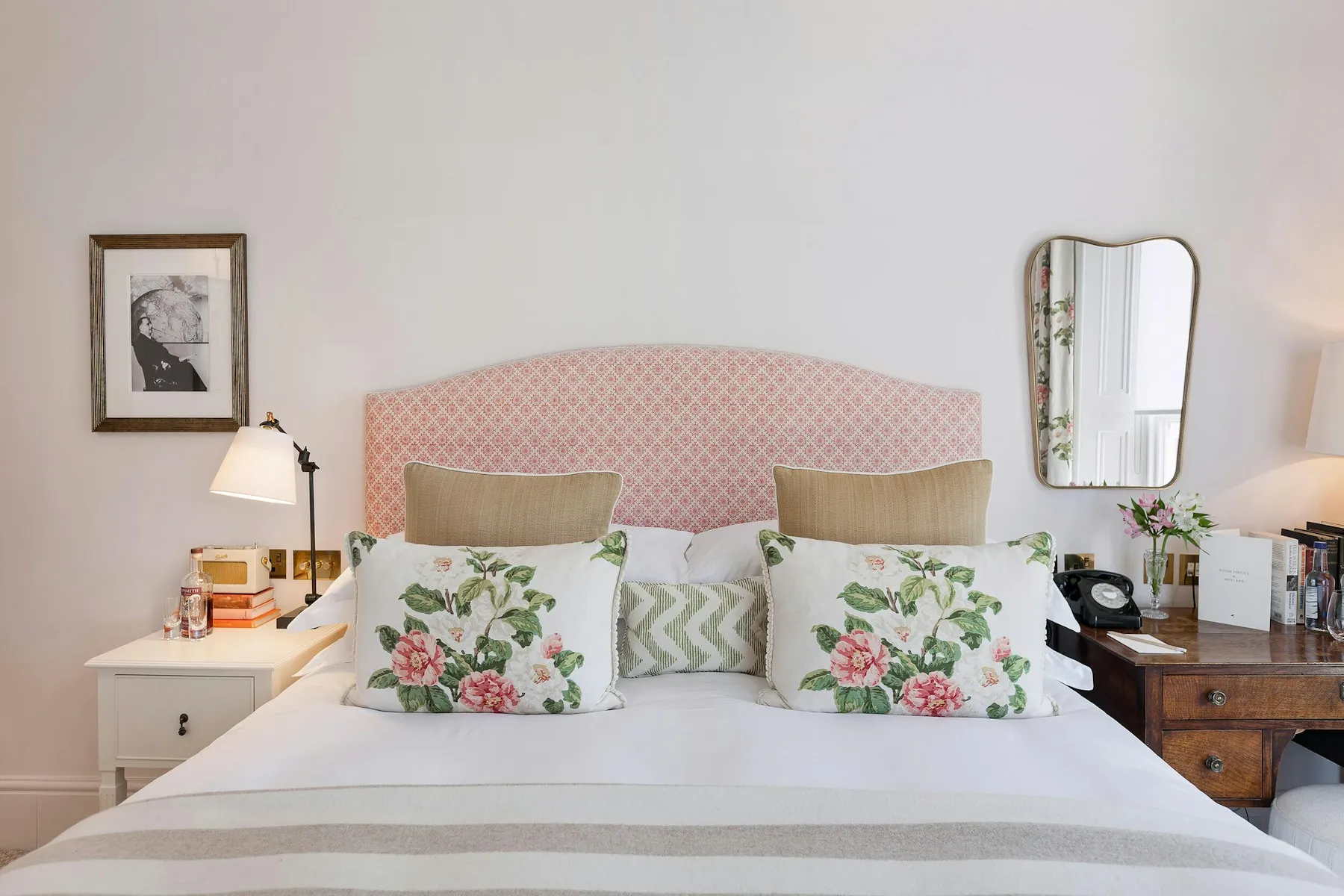
Accommodation across the estate runs to roughly two dozen rooms, split between four distinct settings rather than stacked into a single wing. The House holds the original eighteen bedrooms across its first and second floors: Classic Rooms, named after Beaverbrook’s friends and acquaintances (Charlie Chaplin among them), with king beds and period detailing set against contemporary furnishing; Deluxe Rooms, larger and built around original architectural features with more opulent bathrooms; and a run of named Suites at the top of the house. The Elizabeth Taylor Suite pairs a four-poster king bed with a private balcony over the Italian fountains and a roll-top bath; the Kennedy Suite offers three bay windows across the full run of the 470-acre estate and his-and-her basins; the Dowager Suite, the property’s Master Suite, adds two private terraces over the Surrey Downs and gardens to a super-king four-poster and a further roll-top bath. The Lady Diana Cooper Suite, one of the Studio Suites, keeps the same four-poster and roll-top pairing with its own estate views.
Beyond The House, The Garden House and Family Rooms extend the property’s range toward more relaxed, garden-facing stays, while The Village adds a newer, more contemporary set of accommodations built with families specifically in mind. Across every category, the estate leans on the same throughline as its public rooms, real architectural bones (original windows, proportions and, where they survive, period fireplaces) finished with furnishings pitched for comfort rather than showroom perfection, and bathrooms generally rebuilt to a standard well beyond what the original house would have offered its Victorian occupants.
Dining
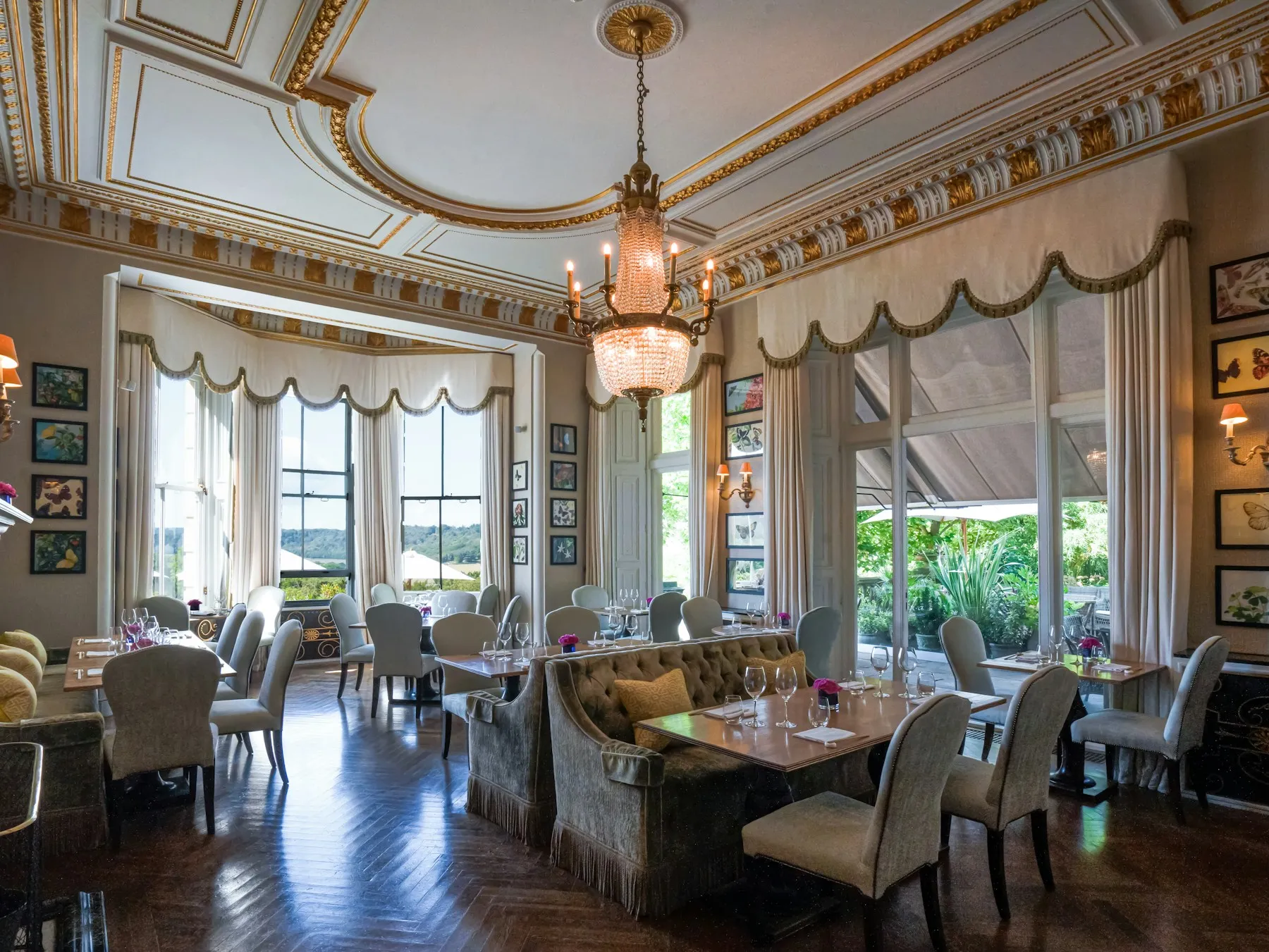
Beaverbrook’s dining programme is unusually wide for a single estate, spread across five distinct kitchens rather than one flagship restaurant. The most ambitious is The Dining Room, a Japanese grill under chef Wojciech Popow, whose training runs through Gordon Ramsay’s kitchens and a stint at Noma before he became deputy chef at Yashin in London; he is also the founder of the Polish Association of Sushi Chefs and a winner of the global Sushi Awards. The menu runs to sushi, sashimi and nigiri alongside meat and fish cooked over a Josper charcoal grill, a register that sits somewhat unexpectedly inside a Surrey country house but has become one of the estate’s signature draws.
The Garden House Restaurant takes the opposite tack: Anglo-Italian, rustic and seasonal, under head chef Adam Sharpe, set behind the estate’s traditional walled kitchen garden and leaning on produce grown within sight of the dining room, with a Sunday roast that pulls on the same British register. Mrs Beeton’s covers more casual, all-day British comfort food, steak and eggs, burgers, sausage rolls, in a setting named for the Victorian household-management writer. A pizzeria and deli at The Coach House add stone-baked pizza and health-focused salads and juices for guests moving between the spa and the gardens, and WildKitchen, a woodland chef’s table cooked over open fire, offers a smaller, more theatrical private dining format for guests who want the estate’s own produce cooked outdoors. Two bars, Sir Frank’s, with an old-world, clubbish register, and The Robin’s Nest, pitched as a cosier country retreat, round out the drinking side of the operation.
Spa and Wellness
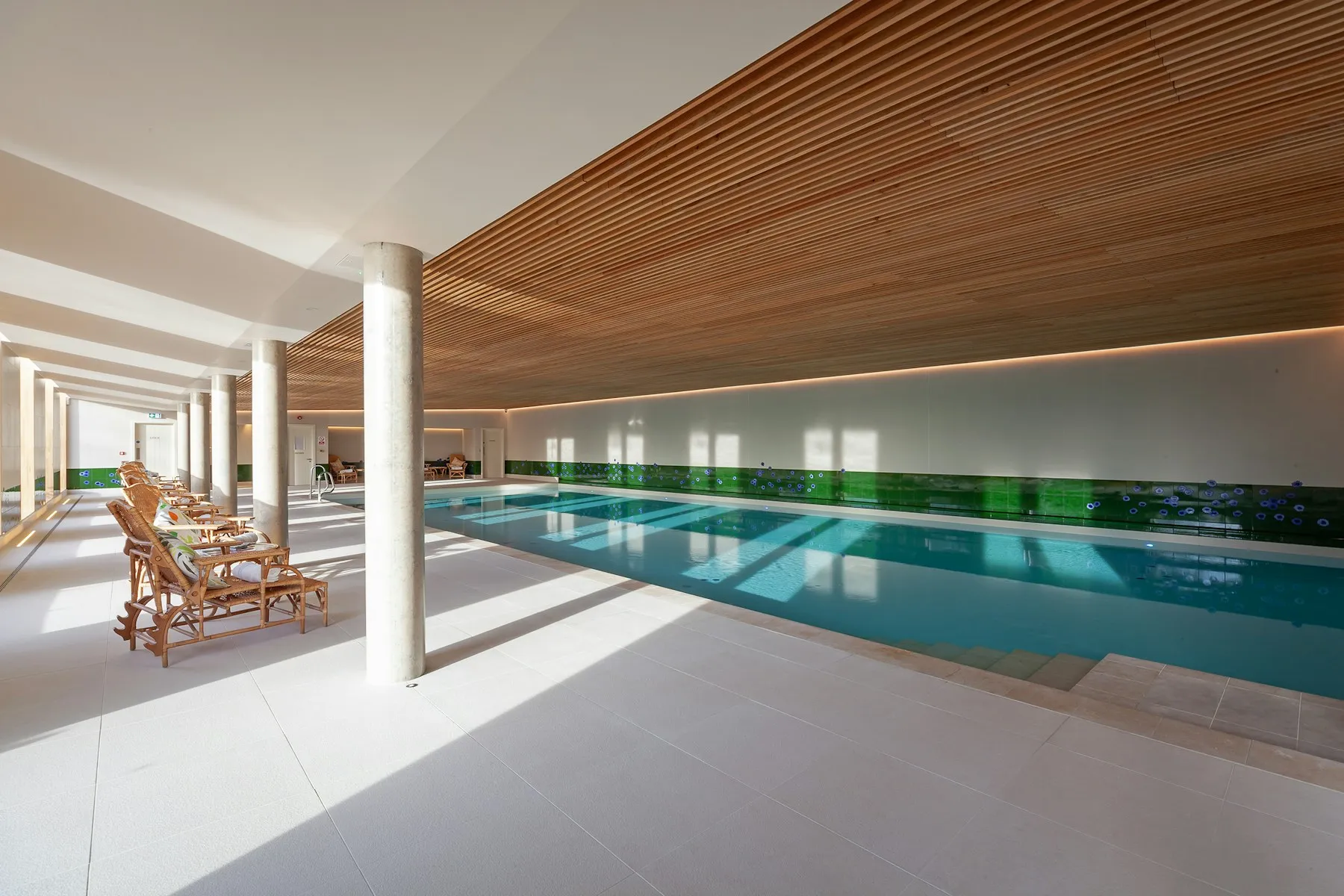
The Coach House Health Club and Spa occupies the estate’s converted stable and carriage buildings, reworked into a facility built around three heated pools, six treatment rooms, a thermal spa suite, a hyperbaric oxygen chamber and a fully equipped gym. The treatment philosophy is deliberately natural and locally rooted: the spa partners with small British boutique brands built around botanical, nature-led formulations, and grows its own apothecary garden of medicinal plants and flowers used directly in treatments and in the spa’s teas, an unusually literal version of the farm-to-treatment-room idea that many hotel spas only gesture toward.
Beyond standalone treatments, the spa runs a “Visiting Masters” programme bringing in specialist practitioners on a rotating basis, alongside membership options for guests within reach of the estate who want to use the facility outside a hotel stay. The overall register favours calm and restoration over destination-spa spectacle, in keeping with an estate whose primary selling point has always been the 470 acres surrounding the buildings rather than any single amenity within them.
Experiences
Much of what Beaverbrook offers beyond its rooms and restaurants runs through the grounds themselves. Free-to-use bicycles and marked walking routes make the estate’s woods and parkland directly usable rather than merely scenic, and horticultural tours with the head gardener open up the walled kitchen garden and wider grounds to guests who want context rather than just a view. WildKitchen’s open-fire dining doubles as an activity in its own right, and seasonal hot air balloon dining, launched from the estate, has become one of Beaverbrook’s more distinctive offerings, pairing Wojciech Popow’s menus with a flight over the Surrey Hills. The estate is dog-friendly throughout much of its grounds and public spaces, a detail that matters more than it might elsewhere given how much of a Beaverbrook stay is built around walking the land, and it hosts a genuine art collection accumulated across its history, referenced in the estate’s own “History and Art” material rather than treated as background decoration. Weddings and private events run through much of the calendar, using The House and its grounds much as Beaverbrook himself once did, as a stage built for gathering people together.
Who It Is For
Beaverbrook suits couples and small groups drawn to a country house weekend with genuine historical depth rather than manufactured heritage, and to travellers who want a spa break that still has a serious restaurant programme attached to it. Its 470 acres and the range of buildings across the estate also make it a reasonable fit for families, particularly via The Village and its dedicated Family Rooms, though The House itself, with its named suites and quieter register, tends to draw a more adult, occasion-driven crowd, anniversaries, milestone birthdays, wedding parties. It works less well as a base for guests wanting an active sightseeing itinerary built around multiple destinations; the whole point of the property is that the 470 acres, and the buildings within them, are largely enough on their own.
Best Time to Visit
Beaverbrook operates year-round rather than around a single peak season, and the calendar bends noticeably with the time of year. Late spring through early autumn, roughly May to September, brings the gardens, the walled kitchen garden and the wider grounds into full use, and is the natural window for anyone prioritising outdoor time, cycling, garden tours, alfresco dining, over indoor amenities. Winter shifts the emphasis toward the spa and the estate’s log fires, a register the property leans into deliberately rather than treating as an off-season compromise. Given the range of registers on offer across the seasons, the choice is less about avoiding a bad time to visit than about which version of the estate, garden-led summer or fireside winter, a guest is actually after.
How to Get There
Beaverbrook sits on Reigate Road near Leatherhead, Surrey, close enough to two major airports to work as a first or last stop on a UK trip as easily as a standalone countryside break. London Gatwick is the nearer of the two, roughly ten miles and about a 25-minute taxi transfer away; London Heathrow is around fifteen miles and roughly 30 minutes by road. For guests arriving by train, Leatherhead station, about four miles from the estate, connects to both London Waterloo and London Victoria in around 37 minutes, making the property workable without a car for visitors coming directly from central London.
Nearby Experiences
The Surrey Hills around Beaverbrook hold a genuine cluster of things worth a half-day trip. Box Hill, the North Downs beauty spot famous from Jane Austen’s Emma and a fixture of British road cycling, sits within easy driving distance, as does Polesden Lacey, a National Trust Edwardian house and garden near Great Bookham. RHS Garden Wisley, the Royal Horticultural Society’s flagship garden, and Denbies Wine Estate, one of England’s largest vineyards, both lie within a short drive through the surrounding Surrey countryside, giving guests a reasonable set of options for a day away from the estate without straying far from it. London itself, given the transfer times from both Leatherhead station and the nearby airports, remains a realistic day trip or bookend to a stay rather than a separate journey entirely.
Things to Know Before Booking
The estate’s scale, five buildings across 470 acres, means it is worth confirming which part of the property a room booking actually falls in before arrival, since the character shifts meaningfully between The House, The Garden House, The Coach House and The Village. Dining reservations, particularly for The Dining Room and WildKitchen, are worth arranging ahead of a stay given the estate’s popularity for weekend breaks and celebrations. Weddings and private events run through parts of the calendar and can affect the atmosphere of shared spaces on a given weekend, so travellers seeking a quiet, low-key stay may want to check the event calendar before booking. The property is dog-friendly across much of its grounds, useful to confirm directly if travelling with a pet, and given the spread of the estate, comfortable walking shoes are a reasonable addition to a packing list even for guests not planning a formal hike.
Sustainability
Beaverbrook’s environmental approach is built primarily around the estate’s own land rather than a headline certification. The walled kitchen garden supplies a meaningful share of produce to the property’s restaurants, shortening the supply chain for several of its kitchens, and the wider 470-acre grounds are managed with an explicit emphasis on protecting biodiversity across the estate. Energy consumption is closely monitored across the operation, and biodegradable packaging is used to cut down on single-use plastic. The spa reinforces the same local, small-batch ethos through its partnerships with British boutique skincare brands and its own apothecary garden, grown specifically to supply treatments and teas rather than sourced externally.
Practical Information
Beaverbrook is located on Reigate Road near Leatherhead, Surrey, England. Rates begin from roughly £475 per night and vary by building, room category and season. Check-in is from 3:00pm and check-out by 11:00am. The nearest airport is London Gatwick, around 25 minutes by road, with London Heathrow a further five minutes beyond that; Leatherhead station, four miles from the estate, connects to central London in about 37 minutes. Most stays run two to three nights, long enough to move between the estate’s restaurants, spa and grounds without feeling rushed. The property is a member of The Leading Hotels of the World collection. Bookings and further detail are available through the hotel’s official website.
Editorial Conclusion
What makes Beaverbrook worth the detour off the London to Surrey Hills road is not that it survived intact from Lord Beaverbrook’s era, most of what guests experience today was rebuilt or added long after his death, but that the estate has kept faith with what the house was always for: bringing people together on a serious scale, in rooms built for it, on land generous enough to absorb the crowd. The Churchill connection gives the place a headline, but the reason to stay two or three nights rather than pass through for lunch is the range underneath it, a Japanese grill and an Anglo-Italian walled garden restaurant sharing an estate with a spa built around its own apothecary garden, all of it spread across 470 acres close enough to two airports and central London to make the logistics genuinely easy. Few English country houses manage that particular combination, weight of history, breadth of programme, and real convenience, without leaning too hard on any single one of them.
In pictures
On the map
near Leatherhead, United Kingdom
Questions
Frequently asked
Is Beaverbrook connected to Winston Churchill?
Yes, through its former owner rather than through Churchill's own residence. The estate belonged to Lord Beaverbrook (Max Aitken), Churchill's close friend and, from 1940, his Minister of Aircraft Production. Churchill was a frequent guest, and the house is understood to have hosted wartime meetings during Beaverbrook's ownership.
What restaurants does Beaverbrook have?
The estate runs several kitchens under one roof of land: The Dining Room, a Japanese grill led by chef Wojciech Popow; The Garden House Restaurant, serving Anglo-Italian food under head chef Adam Sharpe behind the walled kitchen garden; Mrs Beeton's, a classic British all-day spot; a pizzeria and deli at The Coach House; and WildKitchen, a woodland chef's table cooked over open fire.
Does Beaverbrook have a spa?
Yes. The Coach House Health Club and Spa occupies a converted estate building with three heated pools, six treatment rooms, a thermal spa suite, a hyperbaric oxygen chamber and a gym, built around a natural, botanically led treatment philosophy and its own apothecary garden.
How far is Beaverbrook from London and the airports?
Beaverbrook sits near Leatherhead in Surrey, about a 25-minute drive from London Gatwick and 30 minutes from Heathrow. Leatherhead station, four miles away, reaches London Waterloo or Victoria in roughly 37 minutes, making the estate workable as either a countryside break or a base just outside the city.
Is Beaverbrook suitable for families?
It is, particularly through The Village, a more informal addition to the estate built with families in mind, and dedicated Family Rooms elsewhere on the property. The House itself, with its original 18 bedrooms and quieter, more adult-leaning register, suits couples and small groups best.
Same destination
More hotel guides in United Kingdom
Mayfair, United Kingdom
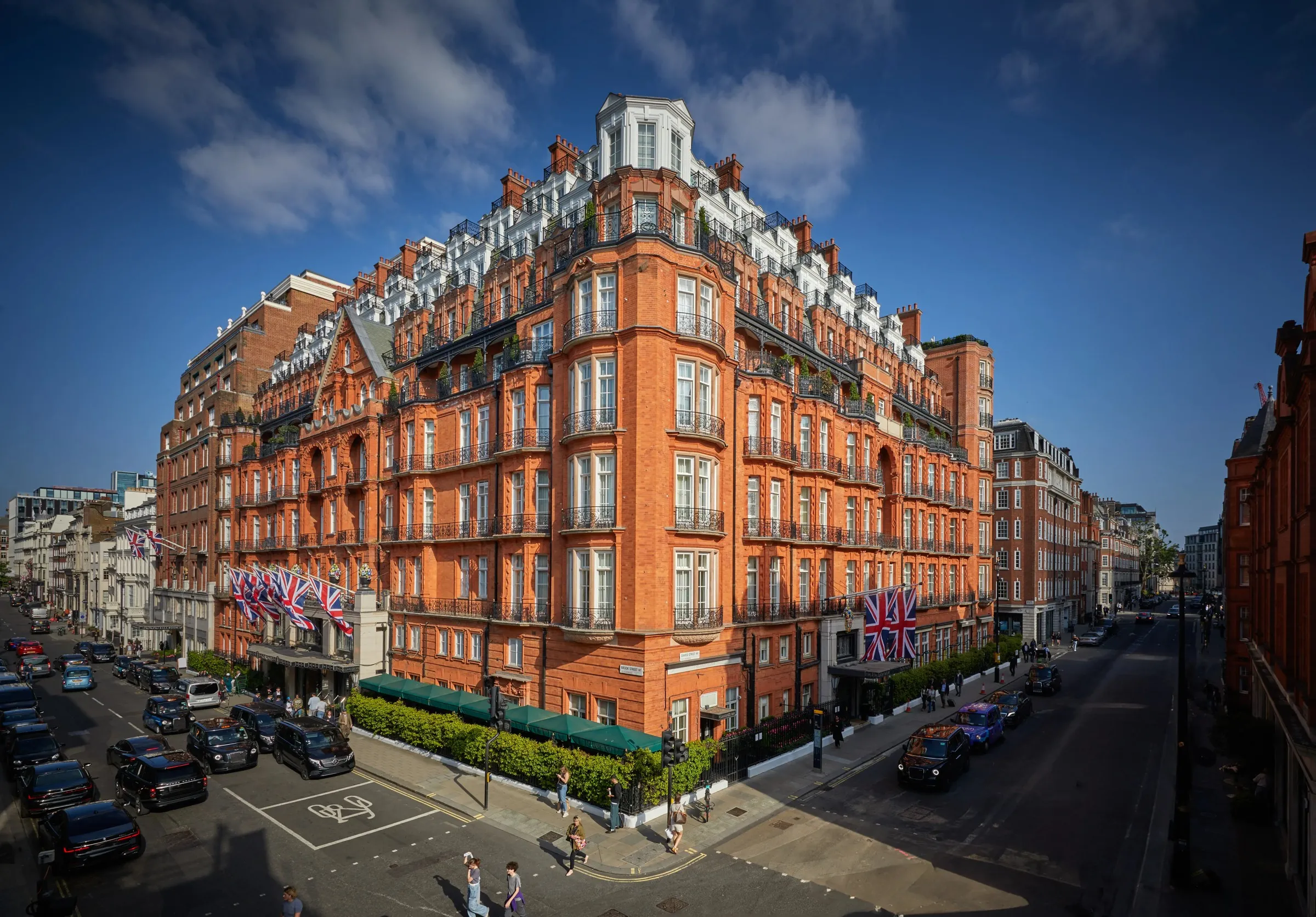
Claridge's
A 1930s Art Deco time capsule on a Mayfair corner, still the most self-assured address in London.
From £950 per night
near Witney, United Kingdom
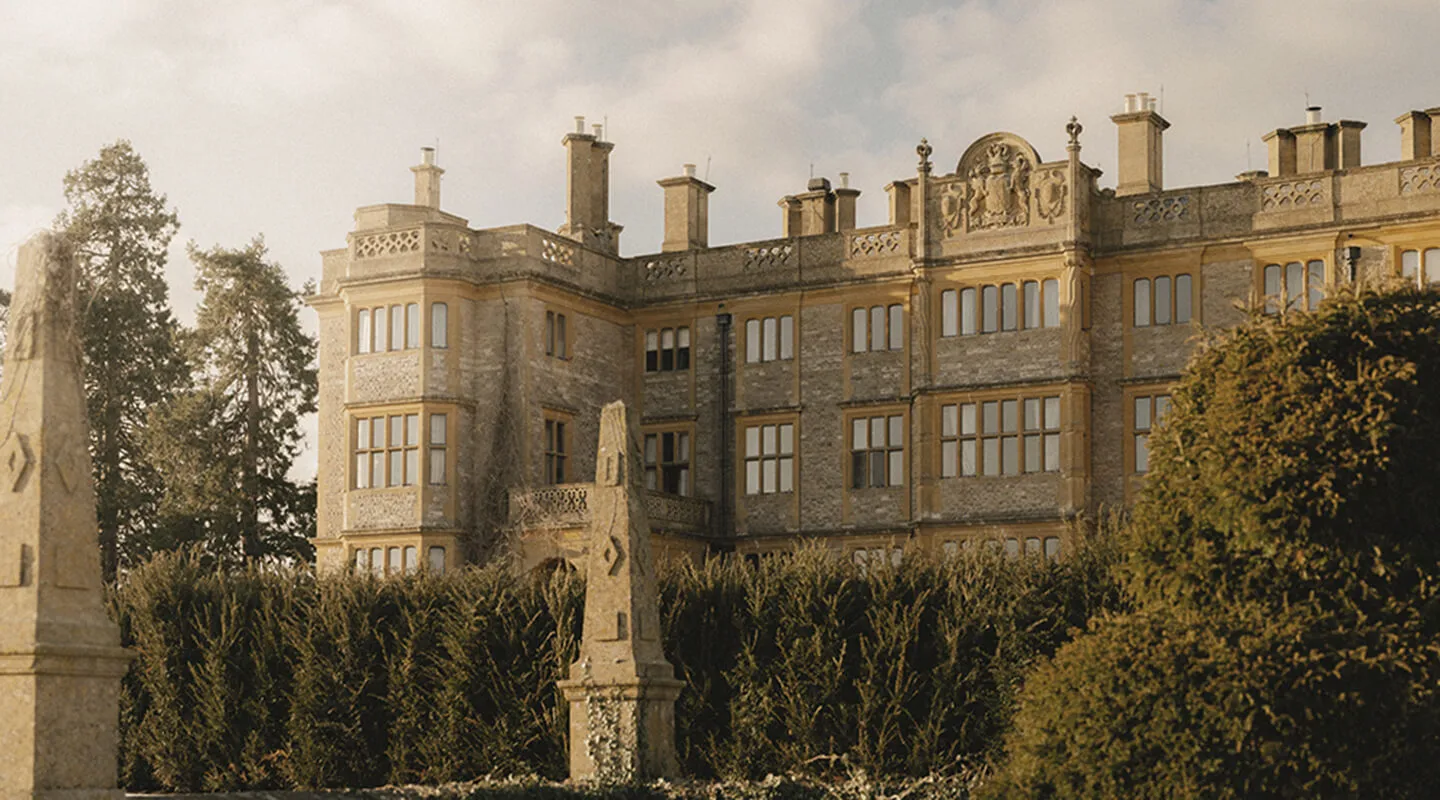
Estelle Manor
A Jacobethan manor turned country club, where a Roman-style bathhouse now sits where a police training centre once stood.
From £450 per night
Auchterarder, United Kingdom
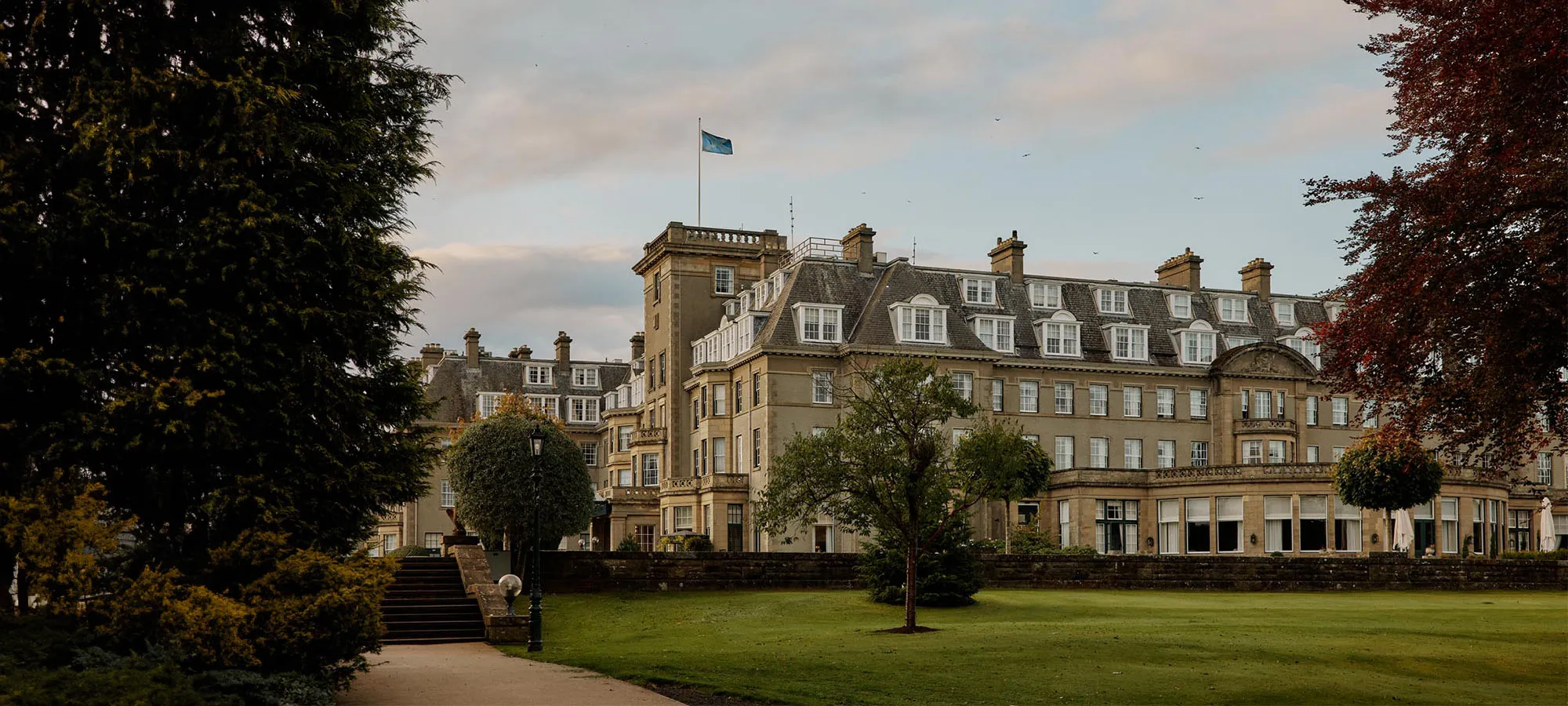
Gleneagles
A 1924 railway hotel turned golf pilgrimage site, still run on the scale that once hosted a G8 summit and a Ryder Cup.
From £650 per night