Porto Ercole, Monte Argentario, Italy
Il Pellicano
A private house party for a British aviator and an American socialite in 1965 has spent six decades quietly becoming one of Italy's most photographed clifftop hotels, without ever losing its 50-room scale.
- Rates from
- From €750 per night
- Nearest airport
- Rome Fiumicino Airport (FCO)
- Transfer
- Roughly 2 hours by road (about 150km)
- Best months
- Late May to June and September, warm enough for the pool and beach without the peak-August crowds and rates on the Argentario coast
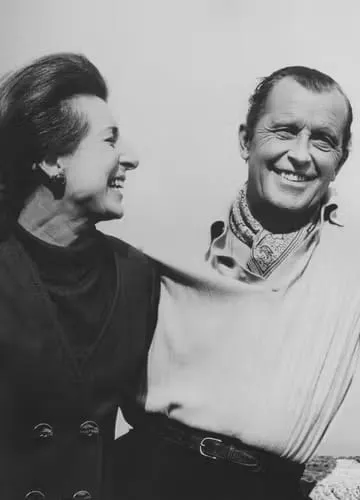
Long before “Italian summer” became a shorthand sold back to travellers in catalogues, it was a fairly specific, fairly small thing: a British aviator, an American socialite, a hidden cove on a peninsula most maps barely named, and a decision to build a house there for their friends. Michael Graham and Patsy Daszel had met at Pelican Point in California in the mid-1950s, and when they found this stretch of cliff on Monte Argentario a decade later, it reminded them enough of that first place that they named the hotel after it. Il Pellicano opened in 1965 as a private club, not a hotel in any conventional commercial sense, and for its first years it functioned closer to an ongoing house party than a business.
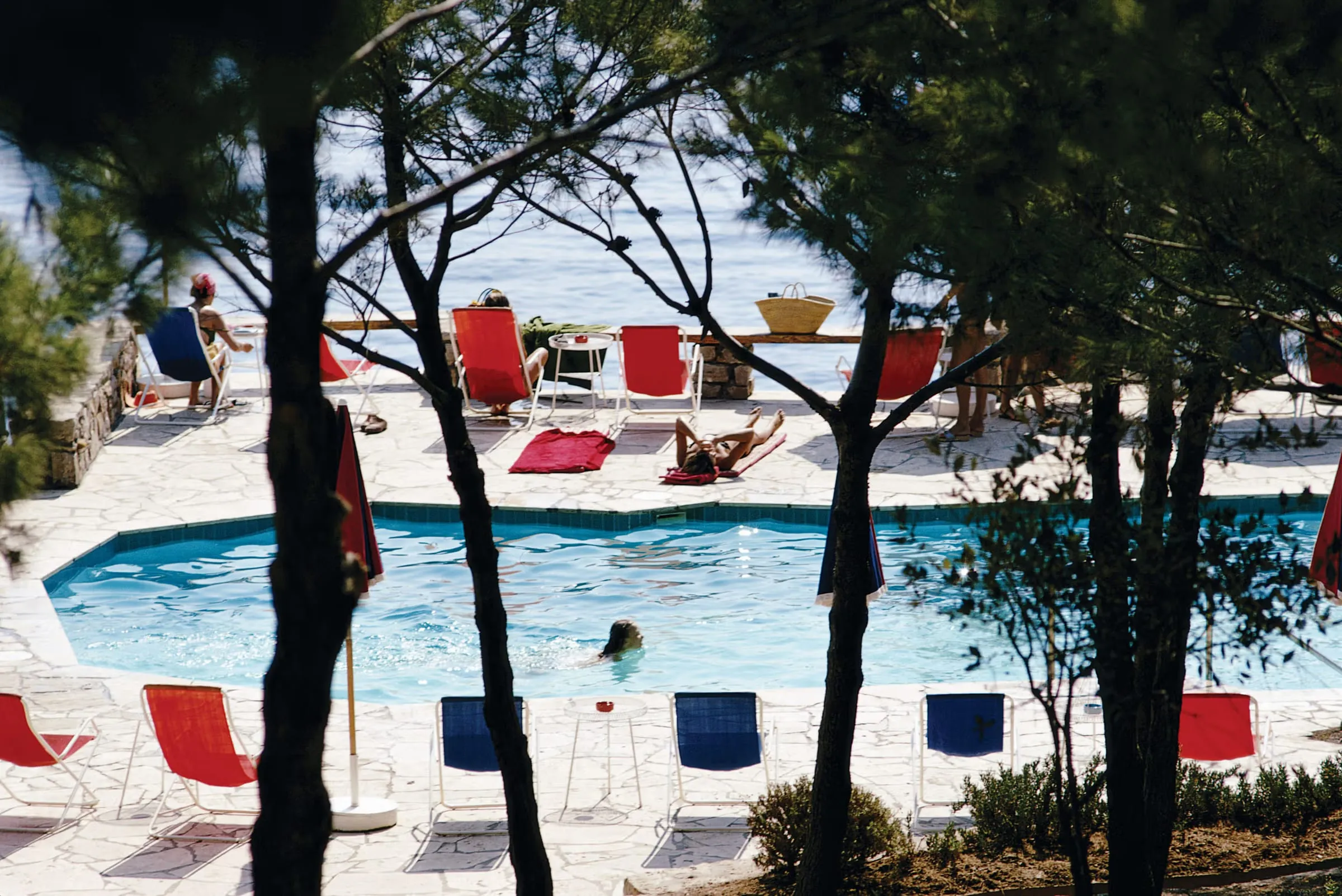
That distinction matters more than nostalgia. Sixty years on, Il Pellicano is still a fifty-room property on a working cove above Porto Ercole, still family-run, and still organised around the same clifftop pool and pine-shaded gardens that drew Charlie Chaplin, Henry Fonda and Gianni Agnelli in its early decades, later immortalised by photographer Slim Aarons. It has not scaled into a resort or a group of near-identical siblings under one name; it has stayed roughly the size it started, which is itself the more interesting story than any single celebrity anecdote.
Roberto Sciò bought the hotel in 1979, and today his daughter Marie-Louise Sciò runs it as Creative Director and CEO of the small Pellicano Hotels Group, alongside La Posta Vecchia near Rome and Mezzatorre on Ischia. Under her, the hotel has picked up a Michelin Key and a Michelin star for its restaurant without materially changing its footprint or its founding logic: a small number of rooms, a single dramatic pool, and a setting on the Maremma coast that most of Tuscany’s inland hotels simply cannot offer.
Why It Stands Out
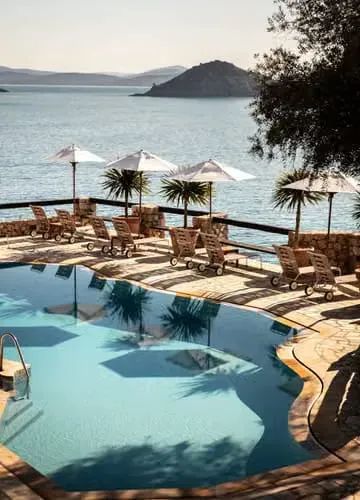
Il Pellicano’s most legible distinction is architectural and geographic rather than a matter of amenity lists: a genuine clifftop hotel on a working cove of the Tyrrhenian, with a heated seawater pool set into the rock above the water and a private terraced beach reached by a custom-built elevator. Tuscany is not short of celebrated hotels, but almost all of them are inland, built around vineyards, hilltowns or countryside estates. Il Pellicano is one of the very few that puts the Maremma coast itself, rather than the region’s hills, at the centre of the experience.
The second distinction is scale held deliberately constant. Fifty rooms and suites, spread across the original main house and seven garden cottages, is a modest count for a hotel with this level of international recognition, and it has stayed close to that figure since Marie-Louise Sciò’s own childhood memories of watching pool parties from behind the bushes. That restraint is a choice, not a limitation imposed by the site; it keeps the hotel operating closer to its original private-club register than a conventional resort.
The third is a genuinely earned set of culinary and hospitality accolades layered onto that history rather than substituting for it: Ristorante Il Pellicano has held a Michelin star since 2018 under chef Michelino Gioia, and the property itself holds a Michelin Key, the guide’s parallel rating for exceptional hotel stays. Both awards sit on top of six decades of continuous, family-controlled operation, which is a rarer combination than either accolade alone.
Architecture
The hotel’s core building began life as the Grahams’ own villa, a private house built into the cliffside above the cove they had chosen specifically for its resemblance to Pelican Point. Over subsequent decades, and particularly since Roberto Sciò’s 1979 acquisition, the property expanded outward into seven detached cottages set among the garden rather than upward into a larger single structure, a pattern of horizontal rather than vertical growth that keeps the site reading as a cluster of Mediterranean houses rather than a hotel block.
That layout follows the terrain closely: terracotta-roofed buildings step down through pine, cypress and bougainvillea toward the water, with the pool and Beach Club occupying the lowest, most exposed point on the cliff itself. The cypress-framed tennis court and much of the outdoor landscaping were designed by Paolo Pejrone, one of Italy’s best-known garden designers, whose work also shapes the setting for the Superior Rooms in the cottages. The overall effect is closer to a private estate that happens to accommodate fifty rooms than a purpose-built hotel campus, a distinction that shows up constantly in how guests move through the property, along paths and stairways between buildings rather than corridors within one.
Interior Design
Interiors across the property carry the direct creative input of Marie-Louise Sciò, who has overseen the hotel’s look since taking on a leading role in the business. The register she favours is light Tuscan rather than heavy or antique-driven: terracotta floors, beamed ceilings, king-size beds and a palette that varies distinctly by room category, from the sophisticated, calming simplicity of the entry-level Classic Rooms to the more saturated rosemary green and turquoise tones used in the Deluxe Suites and the vivid colour and terracotta detailing in the Junior Suites Sea View.
The Pellicano Suite, one of the property’s two signature suites, is decorated with a deliberately referential 1960s retro Tuscan aesthetic, a direct nod to the hotel’s founding decade, while the two-bedroom Argentario Suite, the only category with its own private pool, leans toward calmer, more contemporary furnishing suited to longer, more self-contained stays. Public spaces follow a similar logic: Bar Roberto, the evening piano bar, and Bar All’Aperto, the terrace bar between sky and sea, are both fitted out with a warm, unfussy Italian sensibility rather than the imported grand-hotel vocabulary found at some of the country’s more formal five-star addresses.
Atmosphere
The atmosphere Il Pellicano cultivates traces directly back to its founding brief as a private club rather than a commercial hotel, and that inheritance is still legible in daily life on the property. At fifty keys, the hotel is small enough that repeat guests and staff genuinely recognise each other, and the pace across the pool terrace, the gardens and the two restaurants runs closer to a long-running house party among people who know the place well than to an anonymous luxury resort.
That said, the hotel is a working, in-demand five-star property during peak Italian summer, and July and August bring real social energy, a fuller pool terrace, livelier bars and a noticeably higher concentration of well-known faces, echoing the celebrity-heavy decades under the Grahams and, later, Roberto Sciò. Guests seeking the quieter, more contemplative version of the hotel, closer to its shoulder-season register, generally find it in late spring or September, when the coastline is at its most pleasant and the property itself calmer.
Rooms and Suites
The hotel’s fifty rooms and suites are split across ten named categories, arranged in the main building and seven garden cottages. At the entry level, Classic Rooms offer terracotta tiles, king-size beds and calm, soothing interiors; Superior Rooms, in either garden or sea view, sit in the cottages or main house with balconies or terraces and, for the garden-view category, direct proximity to Pejrone’s landscaping.
Junior Suites step up in both space and character: the garden-view category sits among olive trees near the gym, while the sea-view category adds terracotta floors, bolder colour and a private balcony or terrace. Deluxe Suites bring spacious living quarters and sea views in a rosemary-green and turquoise palette, and Master Suites offer a genuinely self-contained, one-bedroom Tuscan home with sun-filled rooms and terraces. At the top of the range, the two-bedroom Iconic Suites add large private terraces with panoramic coastal views, while the hotel’s two signature suites go further still: the Pellicano Suite pairs two bedrooms and three bathrooms with a private, 1960s-styled garden, and the Argentario Suite, the only category with its own private pool, adds two bedrooms and expansive living areas built for longer, more independent stays.
Dining
Ristorante Il Pellicano is the hotel’s fine-dining anchor, holding a Michelin star since 2018 under chef Michelino Gioia, a Campania-born cook who spent thirteen years earning his own star at La Posta Vecchia’s restaurant before moving to head this kitchen. His cooking moves between land and sea, from pigeon to lobster and shrimp, built on a stated respect for each ingredient’s connection to the land and a genuinely evolving, seasonally driven menu rather than a fixed signature repertoire.
Pelligrill, the hotel’s second restaurant, sits directly above the pool terrace with sweeping views over the water, running a more relaxed, grill-driven menu of fresh fish, panzanella, Chianina beef and homemade pasta, cooked to order through the day and into sunset service. Bar All’Aperto handles daytime and early-evening cocktails on its terrace between sky and sea, built around house creations like the Pelican Martini, while Bar Roberto takes over after dark as the property’s piano bar, pairing classic cocktails and Italian grappa with chef Gioia’s finger food. Underpinning both is a cellar of roughly 1,500 bottles, running from Sassicaia to Bollinger, overseen by the hotel’s sommelier.
Spa and Wellness
Wellness at Il Pellicano is handled by the Pelliclub, a deliberately intimate rather than sprawling facility built around a caldarium and four treatment cabins with private showers, one designed specifically for couples, alongside a beauty parlour offering manicures, pedicures and hairdressing. Treatments are personalised and delivered by therapists the hotel describes as highly trained, in keeping with the property’s broader preference for attentive, small-scale service over an extensive spa menu.
Fitness facilities extend beyond the Pelliclub itself: an indoor-outdoor gym fitted with current Technogym equipment, daily sunrise yoga, and Paolo Pejrone’s cypress-framed tennis court together give the hotel a genuine sport and movement offering that complements, rather than competes with, the pool and beach as the day’s central draw.
Experiences
The clifftop pool and adjoining Beach Club remain the experiential centre of a stay: a heated seawater pool set into the rock, a private terraced beach reached by elevator, the hotel’s signature white-and-yellow striped loungers and towels, and a private pier offering water-skiing, paddle boats and snorkelling. A juice bar on site keeps the rhythm unbroken through the day.
Beyond the water, the hotel arranges boat trips along the Argentario coast, horseback riding through the wider Maremma countryside, birdwatching around the Orbetello lagoon, mountain biking and golf at the 18-hole Argentario Golf Club roughly fifteen minutes away. Marie-Louise Sciò’s ISSIMO project, a digital and physical extension of the Pellicano lifestyle spanning food, design, fashion and Italian culture, and the hotel’s own curated boutique give design-minded guests a further, less physically active way to engage with the property’s aesthetic beyond the room and the pool.
Who It Is For
Il Pellicano suits couples and honeymooners drawn to a genuinely romantic, small-scale setting with real historical depth rather than a manufactured backstory, and design-conscious travellers who want their surroundings, from Pejrone’s gardens to Marie-Louise Sciò’s interiors, to carry as much weight as the service itself. Food-focused guests are well served by a Michelin-starred kitchen operating alongside a more relaxed poolside grill, giving a stay two genuinely distinct registers of dining rather than one formal option guests feel obliged to use every night.
It is a less natural fit for large families seeking extensive children’s programming, given the hotel’s compact scale and adults-leaning social energy, particularly in peak summer, and for travellers who want the anonymity and scale of a five-hundred-room resort rather than a fifty-room house where returning guests and staff genuinely know one another. Guests uninterested in a coastal setting, and drawn instead to Tuscany’s inland vineyards and hilltowns, will find those experiences a deliberate day-trip away rather than on the doorstep.
Best Time to Visit
The hotel operates seasonally, generally opening in early April and closing in late October or early November; its 2026 season runs from April 2 to October 26. Within that window, late May through June and September offer the most balanced experience: warm enough for the pool, the Beach Club and boat trips, without the peak crowds, heat and rates of July and August, when the Argentario coast and its handful of comparable hotels are at their busiest. August in particular draws heavy domestic Italian holiday traffic to this stretch of coast, and travellers prioritising a quieter, more contemplative stay are better served either side of it.
How to Get There
Rome Fiumicino Airport (FCO) is the standard international gateway, roughly 150km and about two hours from the hotel by road along the coastal SS1 Aurelia route through Grosseto toward Porto Ercole. The hotel arranges private driver collection from any airport, which is the most common arrangement for guests at this level given the distance and the absence of convenient public transport directly to the property.
Pisa’s airport offers a workable, if less frequently used, alternative for travellers combining the Argentario with northern Tuscany, at a broadly comparable driving distance. Guests arriving by rail can reach Orbetello or Grosseto by train from Rome or Florence and complete the final stretch to Porto Ercole by car or hotel transfer.
Nearby Experiences
Porto Ercole itself, a small fortified fishing port with a sixteenth-century Spanish-built harbour and the site of painter Caravaggio’s death in 1610, sits just minutes from the hotel by car and rewards an evening walk through its old town and harbourfront. Porto Santo Stefano, the Argentario’s other principal town, is a short further drive away, with its own working harbour and ferry connections to the islands of Giglio and Giannutri.
Orbetello, built into the lagoon that separates Monte Argentario from the mainland, is easily reached and offers both a historic centre and a nature reserve favoured for birdwatching. Further afield, the Tuscan Archipelago’s islands, including Elba and Giglio, are within reach by boat for a genuine change of setting, while inland Maremma, with its medieval hilltowns, wine estates and archaeological sites, gives guests staying several nights a realistic non-coastal counterpoint to the hotel’s own clifftop focus.
Things to Know Before Booking
Il Pellicano is a seasonal hotel, and its exact opening and closing dates shift slightly year to year, so travellers planning a stay near the edges of the season, particularly in early April or late October, should confirm current dates directly with the hotel before booking. Peak summer, especially August, brings the highest rates and heaviest demand on this stretch of the Argentario coast, and the hotel’s fifty-key scale means popular categories, particularly the Argentario and Pellicano signature suites, are worth securing well in advance for those dates.
Because the property is built into a genuine cliffside rather than flat resort ground, guests with mobility considerations should discuss access to the Beach Club, reached via a dedicated elevator, and to individual cottages directly with the hotel when booking. The hotel is part of Leading Hotels of the World, Virtuoso and American Express Fine Hotels + Resorts, all of which can offer added-value benefits, such as room upgrades or dining credits, worth exploring when booking through an affiliated travel advisor rather than directly.
Sustainability
Pellicano Hotels Group runs its environmental and community initiatives under a group-wide program called Il Dolce Far Bene, oriented around preserving the character and traditions of the areas its hotels operate in. Concrete measures at Il Pellicano include low-flow taps and water systems across common areas, on-site water dispensers to reduce single-use bottles, and the removal of plastic straws in favour of paper across the group.
The hotel has also partnered with Marevivo, an Italian marine conservation NGO, on coastline protection efforts, and has adopted several local beaches for ongoing preservation by hotel staff. On the dining side, the kitchens run a weekly No Meat Monday initiative aimed at reducing the carbon footprint associated with meat production. As with many independently run luxury hotels of this scale, Pellicano Hotels does not publish the kind of detailed, third-party-audited sustainability report found at some larger international groups, so specific claims about energy sourcing or carbon accounting beyond these published initiatives are not made here.
Practical Information
Rates at Il Pellicano start from around EUR 750 per night for an entry-level Classic Room in the quieter parts of the season, rising substantially for sea-view and suite categories and again during the peak July and August weeks. Check-in is from 3:00pm and check-out by 12:00pm. The hotel operates seasonally, typically from early April to late October or early November, with its 2026 season confirmed to run from April 2 to October 26.
The nearest airport is Rome Fiumicino (FCO), roughly two hours away by road, with private driver collection arranged directly through the hotel the standard option for guests. Most stays run three to four nights, enough time to settle into the rhythm of the clifftop pool and Beach Club, dinner across both restaurants, and at least one excursion, whether into Porto Ercole itself, out to the Tuscan islands, or inland toward the Maremma’s hilltowns and vineyards.
Editorial Conclusion
Il Pellicano’s case rests on a fact that is easy to state and unusually hard for most hotels to actually deliver: it has stayed roughly the size and shape it was when Michael Graham and Patsy Daszel built it as a private club in 1965, even as it has picked up a Michelin star, a Michelin Key and six decades of continuous, family-controlled operation along the way. The clifftop pool that made the hotel famous is still the same pool, cut into the same cove, still reached down the same wooded paths.
What has changed is layered on top rather than substituted in: a genuinely accomplished kitchen under Michelino Gioia, interiors shaped by Marie-Louise Sciò’s own eye, and a level of international recognition the Grahams could not have anticipated from a private house party on a Tuscan cliff. For travellers who want the Tuscan coast rather than its hills, and a fifty-room hotel that still behaves like the house it started as, Il Pellicano remains a difficult standard to match.
In pictures
On the map
Porto Ercole, Monte Argentario, Italy
Questions
Frequently asked
Who founded Il Pellicano and when did it open?
Il Pellicano was built by Michael Graham, a British Royal Air Force aviator, and Patsy Daszel, a socialite of the American jet set, who met at Pelican Point in California in the mid-1950s. After travelling widely, the couple found this cove on the Monte Argentario peninsula, reminiscent of the place they met, and inaugurated the property in 1965 as a private club for friends. It quickly drew figures from film, fashion and design, including Charlie Chaplin, Henry Fonda, Gianni Agnelli and Emilio Pucci, and was photographed by Slim Aarons.
Who owns Il Pellicano today?
Italian businessman Roberto Sciò bought the hotel in 1979 and it has remained under his family's stewardship since. His daughter, Marie-Louise Sciò, is now Creative Director and CEO of Pellicano Hotels Group, which also owns La Posta Vecchia near Rome and Mezzatorre on Ischia. She oversees the hotel's design, its ISSIMO lifestyle brand and its on-site boutique.
How many rooms does Il Pellicano have?
Il Pellicano has 50 rooms and suites in total, spread across the original main building, once the Grahams' villa, and seven cottages set in the garden. Categories run from entry-level Classic Rooms up through Superior and Junior Suites, Deluxe and Master Suites, to the two-bedroom Iconic Suites and the signature Pellicano Suite and Argentario Suite, the latter with its own private pool.
Does Il Pellicano have a Michelin-starred restaurant?
Yes. Ristorante Il Pellicano has held a Michelin star since 2018 under chef Michelino Gioia, who previously earned a star at La Posta Vecchia's restaurant. The hotel also holds a Michelin Key, the guide's separate hotel-quality distinction. Pelligrill, the more casual restaurant beside the pool, serves grilled fish, Chianina steak and Tuscan classics through the day.
Is Il Pellicano open all year?
No, it operates a seasonal calendar typical of the Tuscan coast, generally opening in early April and closing in late October or early November; its 2026 season runs from April 2 to October 26. Travellers considering a stay outside that window should confirm current dates directly with the hotel.
How do guests get from Rome to Il Pellicano?
The hotel is roughly 150km, about a two-hour drive, from Rome Fiumicino Airport (FCO), reached via the coastal SS1 Aurelia road toward Grosseto and Porto Ercole. The hotel arranges private driver collection from any airport, and Pisa is a workable, if less common, alternative gateway for guests combining the Argentario with northern Tuscany.
Same destination
More hotel guides in Italy
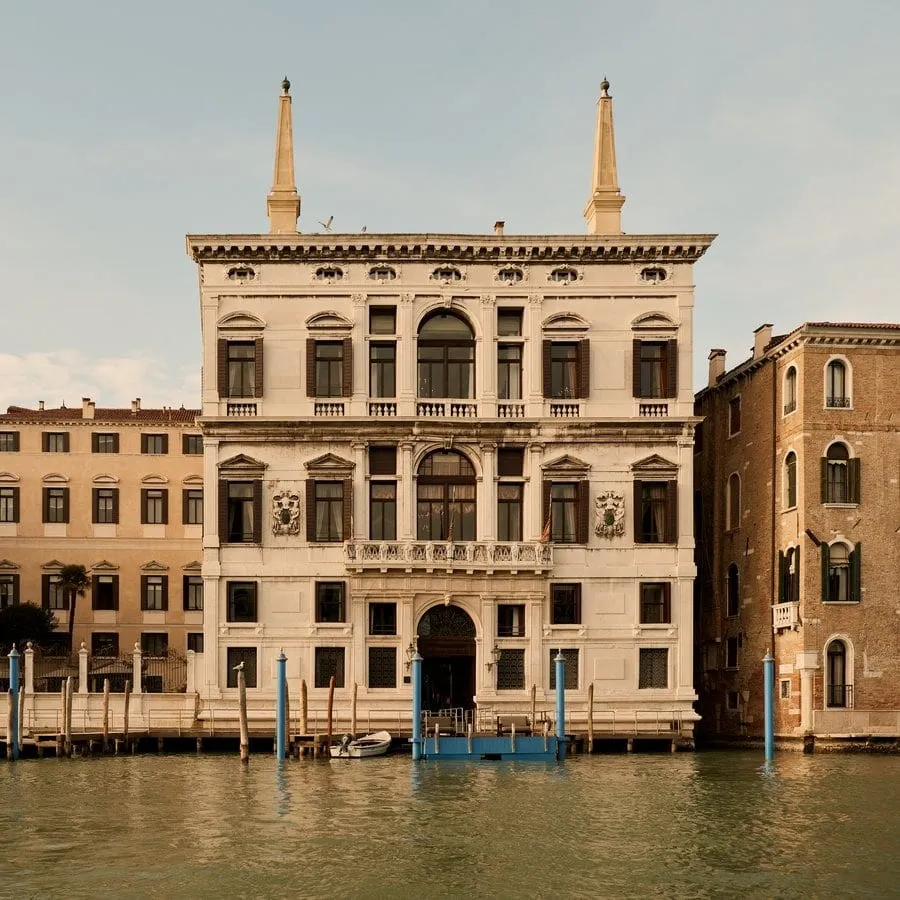
San Polo, Venice, Italy
Aman Venice
A 16th-century Grand Canal palazzo, frescoed by the Tiepolo family and fitted with a rare private garden, reopened in 2013 as Aman's first Italian address.
From €1,800 per night
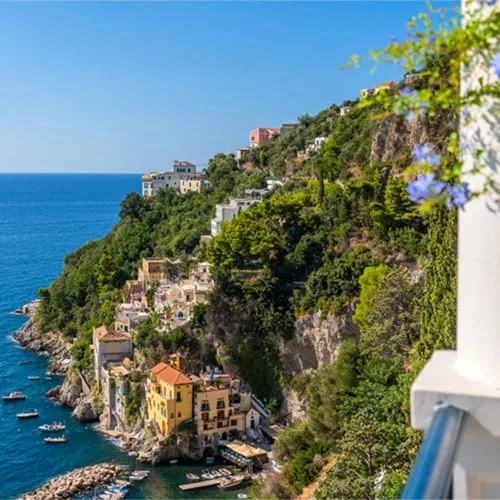
Amalfi, Amalfi Coast, Italy
Borgo Santandrea
A former 1950s seaside hotel rebuilt across nine cliffside levels above Conca dei Marini, reopened in 2022 as the first new luxury address on the Amalfi Coast in over a decade.
From €950 per night
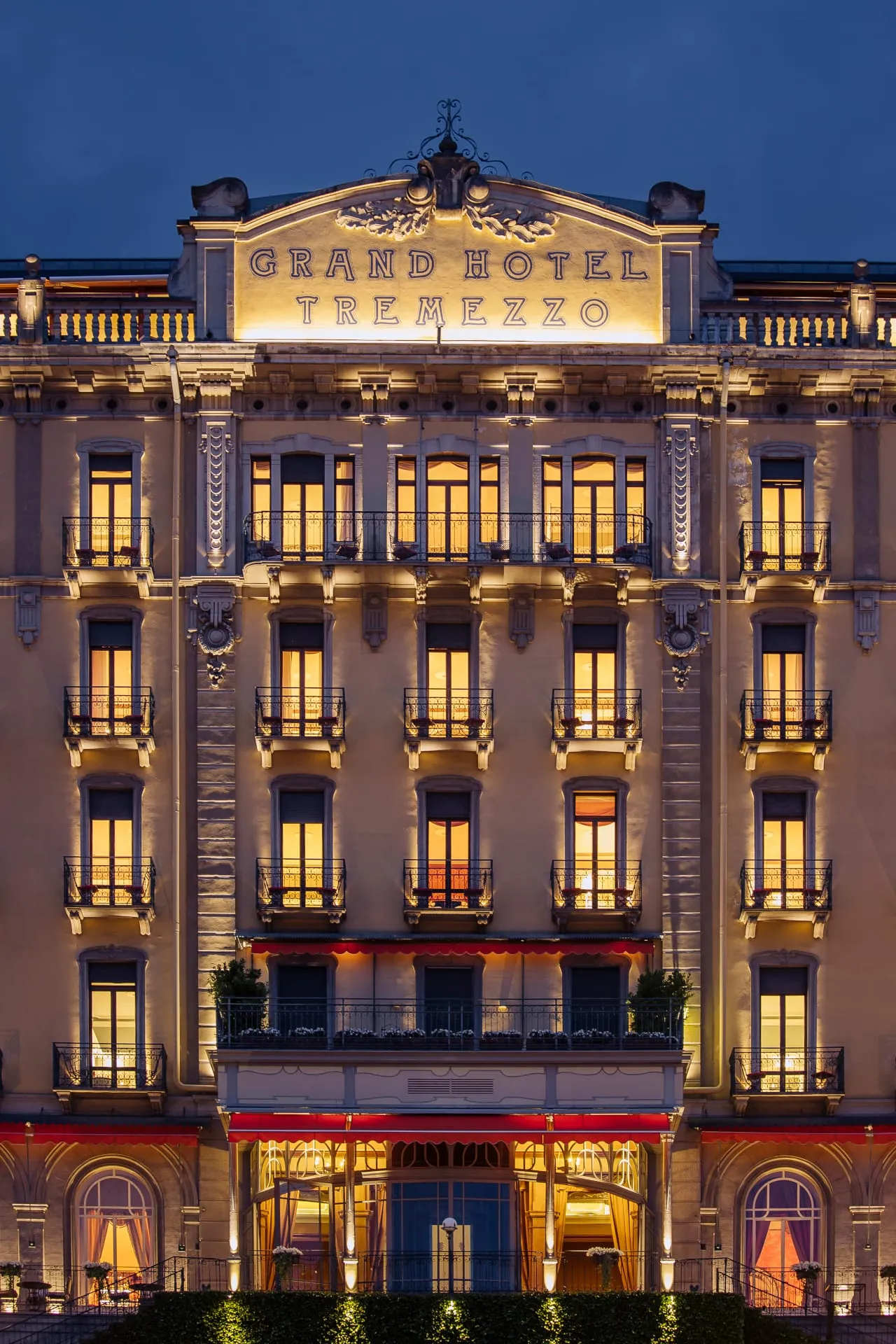
Tremezzo, Tremezzina, Lake Como, Italy
Grand Hotel Tremezzo
A 1910 Belle Époque palace on Lake Como with a heated pool that floats on the lake itself, still run by the family that also opened Passalacqua down the shore.
From €1,000 per night