Italy
A country with more distinct hotel geographies than most continents manage: Lake Como's belle-époque villas, the Amalfi coast's cliffside terraces, Capri's clifftop hush, Venice's canals, and Tuscany's vine-covered hills, each running on its own architectural language.
- When to go
- Late spring (May to June) and early autumn (September to October) for the coast and lakes, avoiding August's domestic holiday crowds; Venice and Tuscany hold their appeal further into the shoulder seasons.
- Getting there
- Roughly 2 to 2.5 hours from most Western European hubs; around 9 to 10 hours direct from the US East Coast to Milan or Rome.
- Best for
- design gastronomy coastal scenery art and architecture honeymooners
Italy’s luxury hotel landscape resists a single description because the country itself refuses to hold still: within a few hours’ drive, the architectural vocabulary shifts from Alpine lakeside villas to Byzantine-influenced lagoon palazzi to whitewashed cliffside terraces. Planning here is less about choosing a single region than deciding which two or three distinct Italys to combine.
The regions, briefly
Lake Como, ringed by mountains and studded with nineteenth-century villas, has become one of Europe’s most closely watched hotel openings destinations over the past decade, with historic properties changing hands and undergoing meticulous restoration rather than replacement. The lake’s geography, narrow shoreline roads, water-taxi culture, keeps its towns intimate even as the hotels within them turn increasingly ambitious.
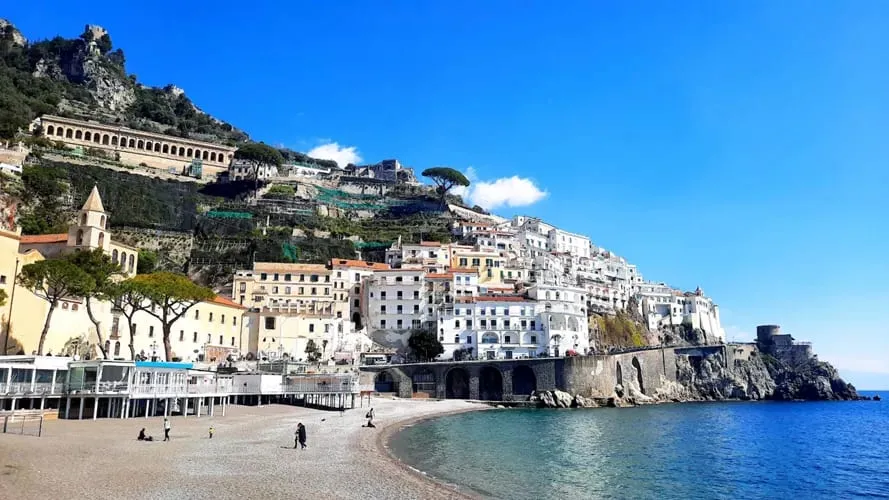
The Amalfi Coast, a ribbon of switchback road between Sorrento and Salerno, has built its hotel identity almost entirely around the drop: terraces cut into cliff faces, pools that appear to spill into the Tyrrhenian Sea, and a built environment that has had to work with an almost impossibly vertical landscape rather than against it. Positano and Praiano anchor the coast’s most photographed stretch; Ravello sits above it, quieter and older in feel.
Capri, reached only by boat, keeps a different rhythm again: a small island with a single main town, a funicular, and a hotel scene shaped by decades of arriving film stars and industrialists who wanted somewhere genuinely difficult to reach.
Venice operates by its own rules entirely, a city built on water with no cars and a hotel geography defined by former palazzi, monasteries, and merchant houses converted rather than built from scratch. Arrival by private boat remains part of the experience regardless of the property.
Tuscany, inland and agricultural, runs on an entirely different register: rolling hills, working vineyards and olive groves, and a hotel tradition built around restored farmhouses and historic wine estates rather than the coast’s cliffside drama.
Combining two or three of these, a few days on the Amalfi Coast followed by Tuscany’s countryside, or Como paired with Venice, is the more common and more rewarding way to see the country than attempting all of it in a single trip.
Where to stay
Hotel guides in Italy
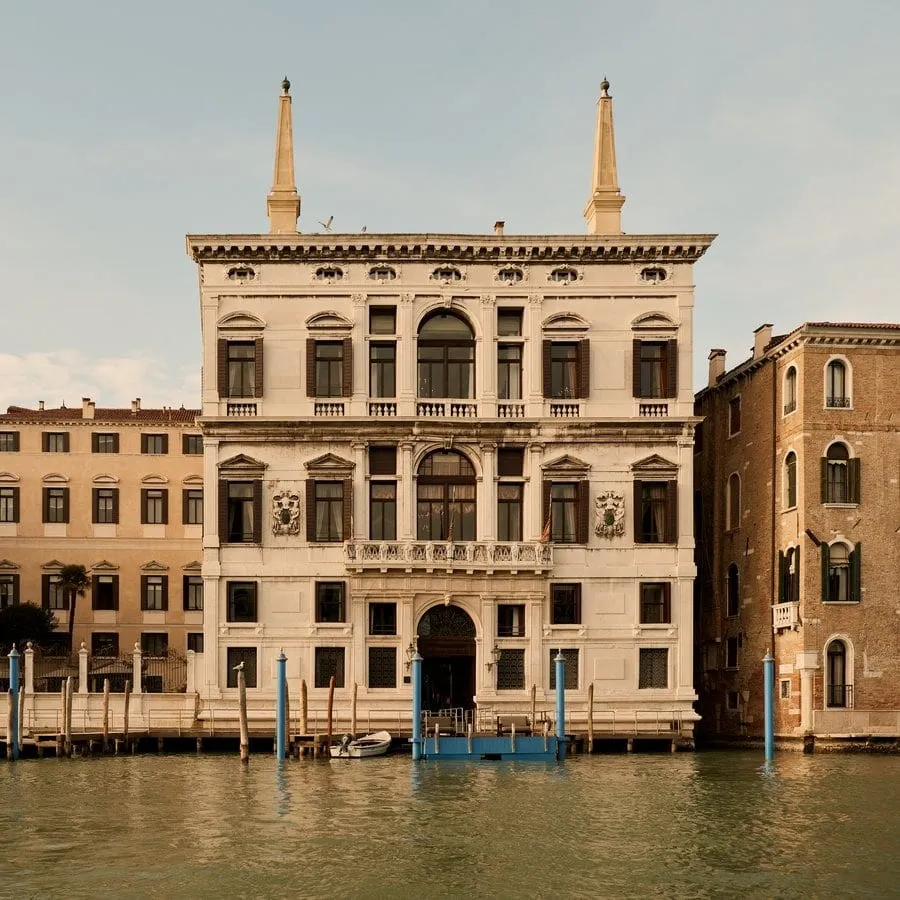
San Polo, Venice, Italy
Aman Venice
A 16th-century Grand Canal palazzo, frescoed by the Tiepolo family and fitted with a rare private garden, reopened in 2013 as Aman's first Italian address.
From €1,800 per night
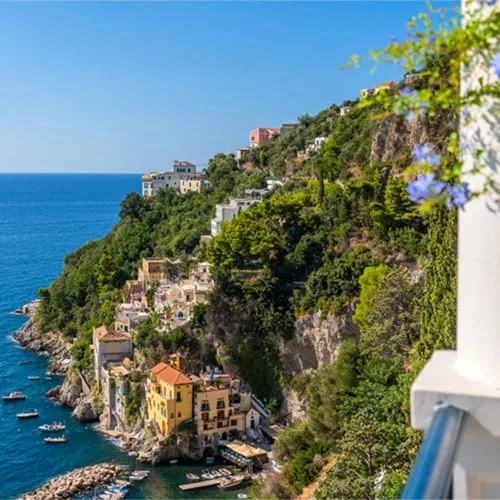
Amalfi, Amalfi Coast, Italy
Borgo Santandrea
A former 1950s seaside hotel rebuilt across nine cliffside levels above Conca dei Marini, reopened in 2022 as the first new luxury address on the Amalfi Coast in over a decade.
From €950 per night
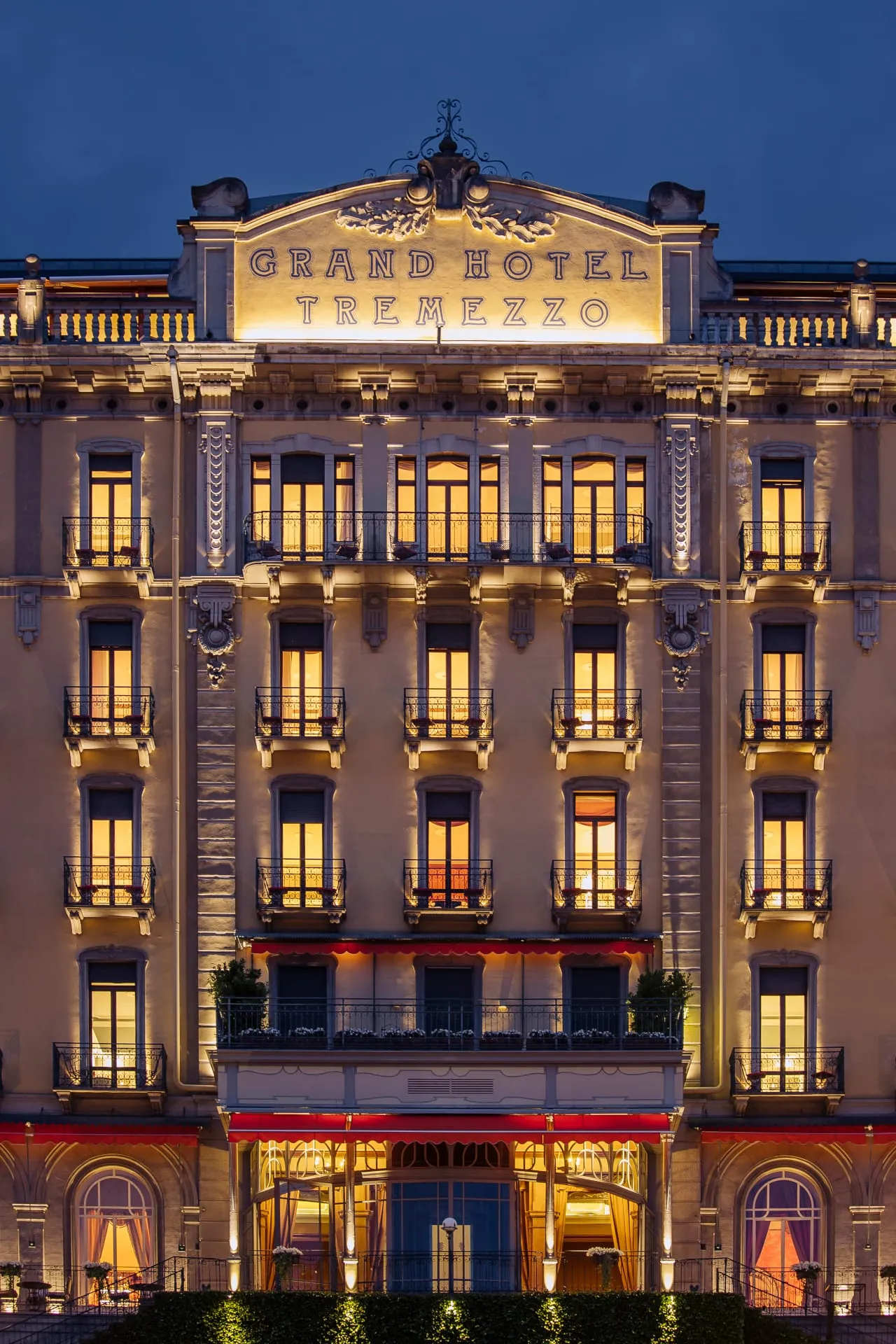
Tremezzo, Tremezzina, Lake Como, Italy
Grand Hotel Tremezzo
A 1910 Belle Époque palace on Lake Como with a heated pool that floats on the lake itself, still run by the family that also opened Passalacqua down the shore.
From €1,000 per night
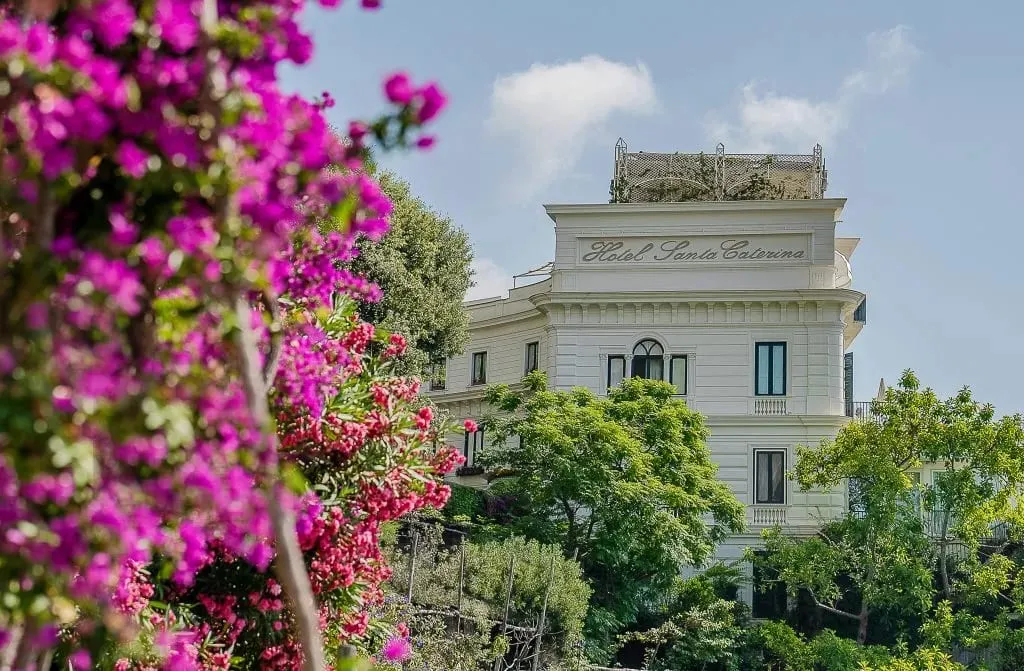
Amalfi, Amalfi Coast, Italy
Hotel Santa Caterina
A Liberty-style villa the Gambardella family has run above the Amalfi Coast since 1904, with a cliff-carved elevator down to its own beach club and a Michelin-starred table on the terrace above.
From €850 per night
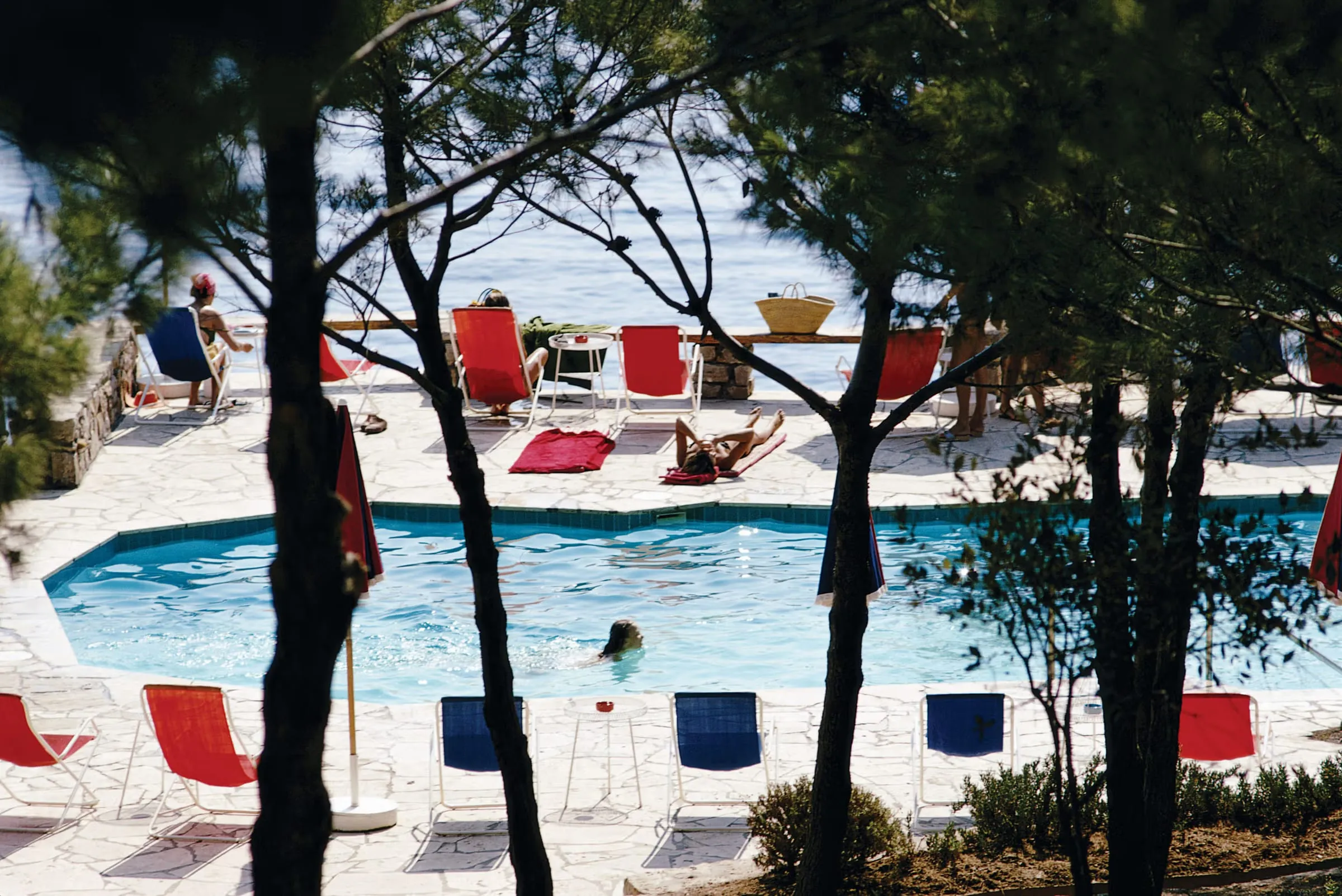
Porto Ercole, Monte Argentario, Italy
Il Pellicano
A private house party for a British aviator and an American socialite in 1965 has spent six decades quietly becoming one of Italy's most photographed clifftop hotels, without ever losing its 50-room scale.
From €750 per night
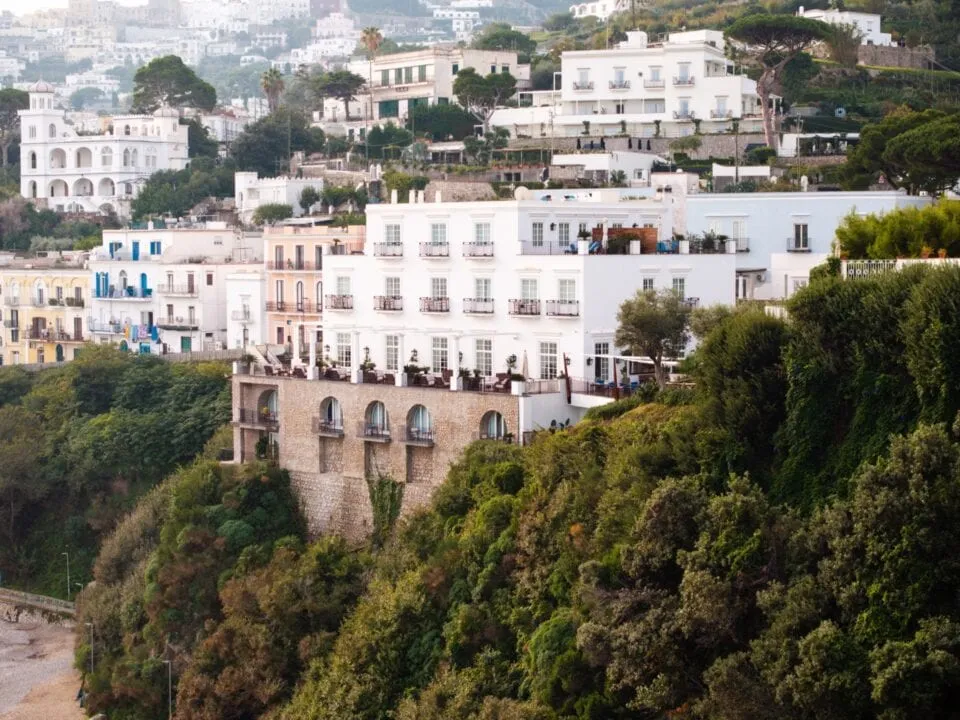
Capri, Italy
JK Place Capri
A 22-key former villa on the rocks above Marina Grande, dressed by Michele Bonan in the crisp navy-and-white language of a 1950s racing yacht.
From €750 per night
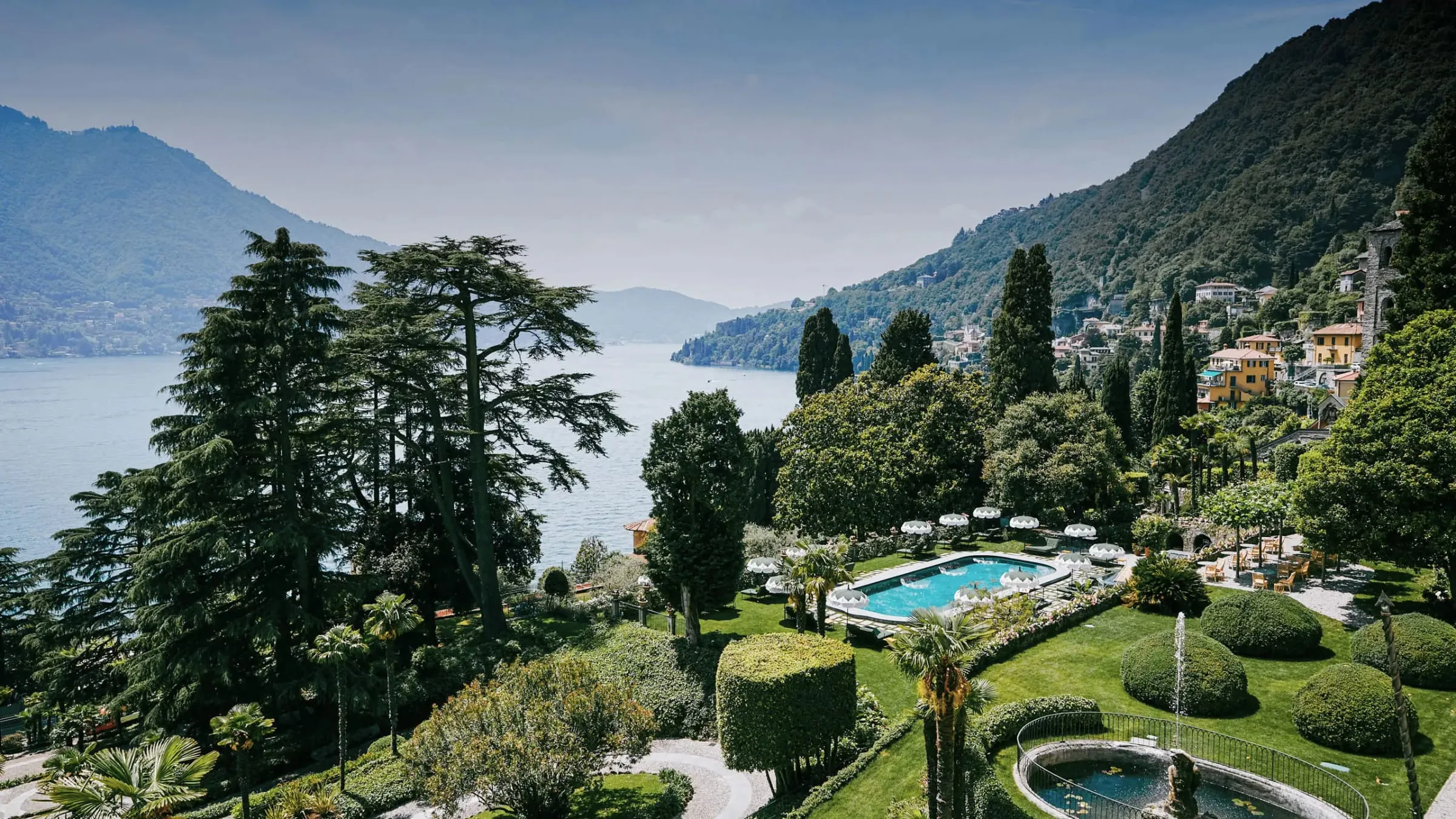
Moltrasio, Lake Como, Italy
Passalacqua
An 18th-century villa on Lake Como's western shore, restored by one family into the hotel the industry itself voted the best in the world.
From €1,500 per night
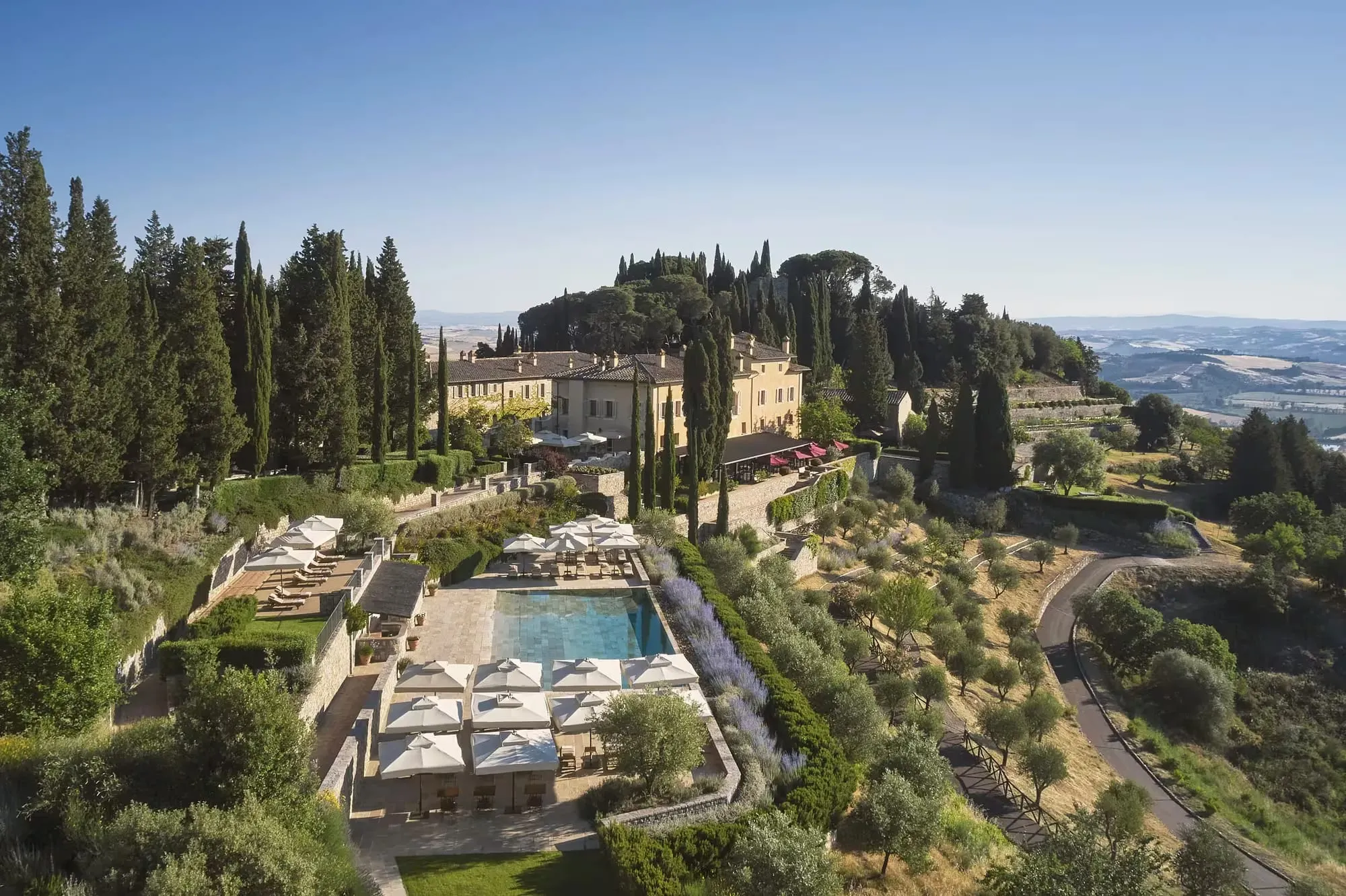
Montalcino, Val d'Orcia, Italy
Rosewood Castiglion del Bosco
A 900-year-old fortified borgo turned into Italy's only private golf estate and a working Brunello di Montalcino winery, hidden inside 5,000 acres of UNESCO-listed Val d'Orcia.
From €1,350 per night