Capri, Italy
JK Place Capri
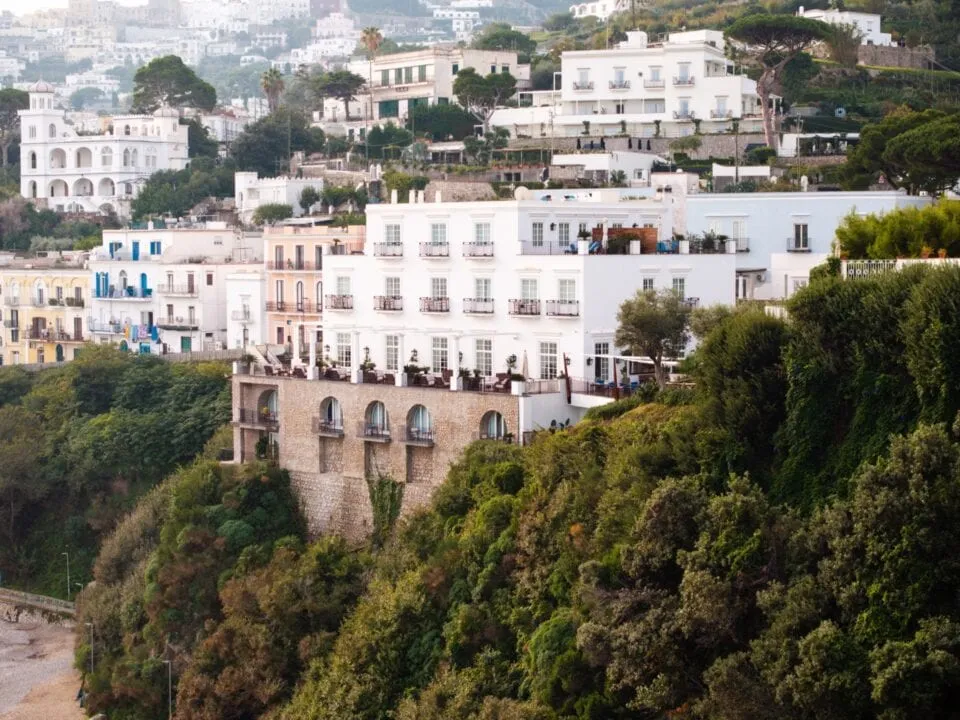
A 22-key former villa on the rocks above Marina Grande, dressed by Michele Bonan in the crisp navy-and-white language of a 1950s racing yacht.
- Rates from
- From €750 per night
- Nearest airport
- Naples International Airport (NAP)
- Transfer
- Around 40 minutes by road from Naples airport to the city's port, then a 45-50 minute ferry or hydrofoil to Capri's Marina Grande, from which the hotel is a five-minute walk
- Best months
- Late April to early June and September to mid-October, when the hotel is open, the weather is warm and Capri's streets and ferries are calmer than the July-August peak
There is a particular kind of Capri hotel that trades on marble lobbies and switchback gardens climbing toward the Piazzetta. JK Place Capri does something different: it sits low and close to the water, on the rocky shoulder directly above Marina Grande, the island’s only port, and behaves less like a grand hotel than an exceptionally well-appointed private house that happens to have 22 bedrooms.
That domestic scale is deliberate. JK Place Capri opened in 2007 as the second property from JK Place, the hotel group founded in Florence in 2003 by hoteliers Ori Kafri and his father Jonathan Kafri, whose initials give the brand its name. The Capri outpost occupies a restored late-19th-century villa, and its interiors, along with those of every other JK Place hotel, were designed by the Florentine architect and designer Michele Bonan, whose parallel career designing private yachts is legible in almost every room here.
The result is a hotel that reads as a coherent design statement rather than a checklist of five-star amenities: a tight, navy-and-white palette, a pool cut into the rock instead of dropped onto a lawn, and a restaurant deck that looks like the stern of a boat more than a hotel terrace. It has earned recognition to match, including Three MICHELIN Keys and a place among La Liste’s top ten hotels in the world for 2025, unusually strong validation for a 22-key property with no spa complex, no golf course and no sprawling grounds to speak of.
What follows is a researched, third-person guide to the hotel: its architecture and design, its rooms, its dining and wellness offering, and the practical realities of reaching an island with no airport, written for travellers deciding whether this particular version of Capri, intimate, design-led and perched directly above the harbour, is the right one for them.
Why It Stands Out
The clearest distinction is scale. Where many of Capri’s grand hotels run to well over a hundred rooms spread across terraced gardens, JK Place Capri has just 22 keys across three floors of a single restored villa. That size lets it function like a private house with full hotel service behind it: a library-lounge instead of a sprawling lobby, a single restaurant instead of a portfolio of them, and a pool deck small enough that the same staff greet the same guests by name within a day or two of arrival.
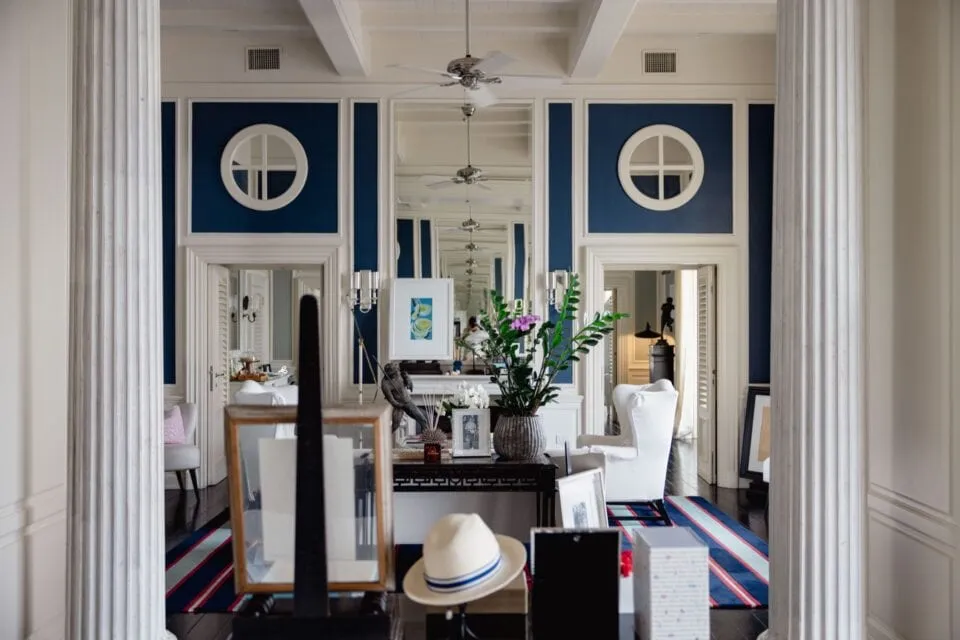
The second distinction is design coherence. Michele Bonan, the Florentine architect responsible for every JK Place property, has also designed private yachts, and the influence runs through the entire hotel rather than showing up as a decorative motif in one bar. Custom-mixed blues, crisp white built-in furniture, wing chairs and glossy varnished surfaces recur from the bedrooms to the restaurant deck, giving the property a stylistic discipline that is unusual even among design-forward boutique hotels.
The third is a run of serious third-party validation for a property this small. JK Place Capri holds Three MICHELIN Keys, the guide’s top rating for exceptional hotels, and was named among the world’s ten best hotels in La Liste’s inaugural global hospitality ranking for 2025, alongside a small number of European, Asian and American properties. For a 22-room hotel with a single restaurant and no destination spa, that level of recognition says more about the quality of execution than about scale.
Architecture
The hotel occupies a villa built in the second half of the 19th century, positioned on the rocky ground above Marina Grande, Capri’s harbour and the point of arrival for every visitor who reaches the island by ferry or hydrofoil, since Capri has no airport of its own. The building’s original footprint and its position directly on the cliff edge, rather than a purpose-built resort layout, shape much of what makes the hotel distinctive: rooms stacked over three floors, a compact footprint, and a pool that had to be cut into the existing rock rather than planned into open grounds.
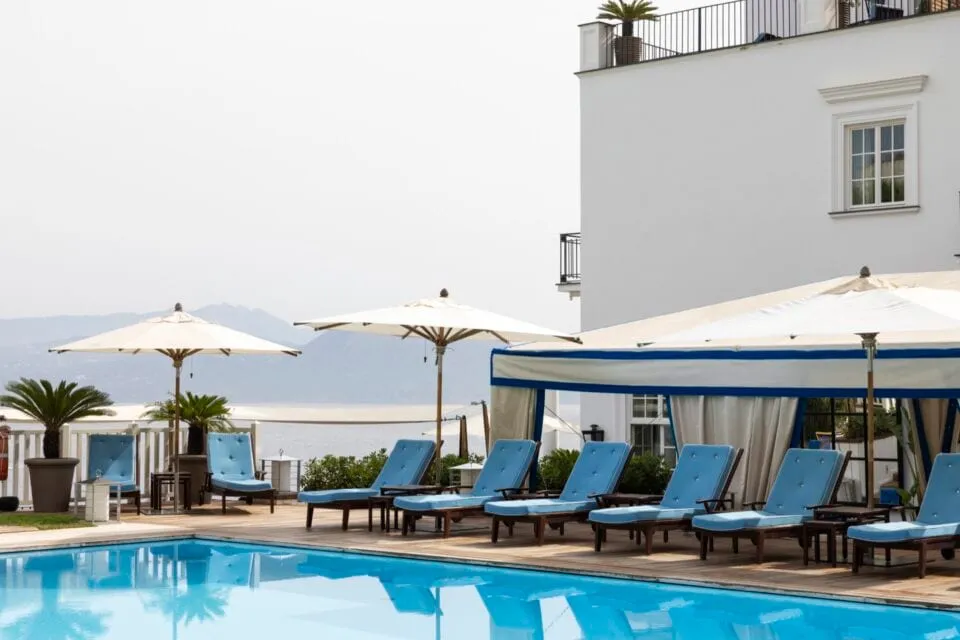
That constraint became a feature rather than a compromise. The pool terrace sits on an outcrop above the sea, framed by the villa’s stone retaining walls, with a path leading down toward a public pebble beach for guests who want direct water access beyond the pool itself. The approach from the port is correspondingly short and steep, in keeping with the terraced, cliffside geography of Capri’s north shore, and reinforces the hotel’s identity as a harbourside property rather than a hilltop one.
Interior Design
The interiors are the property’s clearest signature. Michele Bonan, who has designed private motor and sailing yachts alongside all of the JK Place hotels, built the decorative scheme around a 1950s yacht aesthetic: crisp white walls and built-in joinery, custom-mixed navy and marine blues intended to echo the sea outside, and a recurring vocabulary of wing chairs, glossy lacquered surfaces and nautical detailing rather than the gilt and pattern more typical of Capri’s older grand hotels.
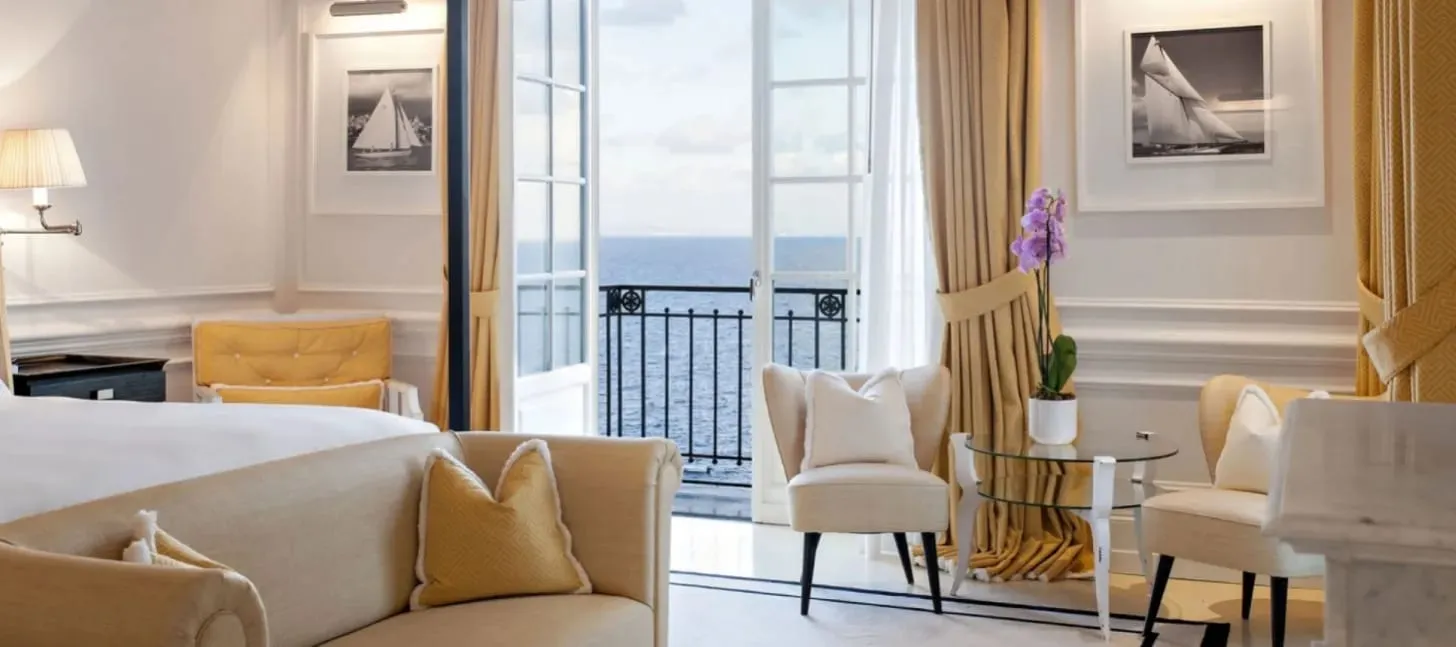
Public rooms carry the same restraint. A library and salon area function as the hotel’s living room, filled with art books, black-and-white photography, classical busts and the kind of eclectic personal objects that make the space read as a considered private collection rather than a hotel lobby set-dressed for the camera. Bedrooms extend the same logic in miniature: monogrammed linens, canopy beds in some categories, marble-and-mosaic bathrooms, and paint colours mixed specifically for this property rather than pulled from a standard hotel palette.
Atmosphere
JK Place Capri is built around intimacy rather than spectacle, a deliberate contrast to some of the island’s larger, more theatrical hotels. With only 22 rooms, the pool terrace, restaurant and library rarely feel crowded even at full occupancy, and the compact scale allows a genuinely personal style of service, the kind where staff learn a guest’s preferences within the first day rather than relying on a database.
The setting reinforces that domestic feel. Sitting on the rock directly above Marina Grande rather than up in the town centre, the hotel offers harbour and Bay of Naples views rather than the cinematic hilltop panoramas of properties higher up the island, trading a degree of drama for a quieter, more residential atmosphere and easy proximity to the port. Come high summer, the pool deck and the restaurant’s sunset aperitivo hour are the property’s liveliest moments; outside July and August, the mood settles into something closer to a well-run private house than a resort.
Rooms and Suites
The hotel’s 22 rooms and suites are spread across three floors and several categories, from entry-level JK Classic rooms through Hideaway Superior and Deluxe rooms, JK Studios and JK Master Rooms, up to Penthouse Suites of roughly 35 to 40 square metres with large private terraces furnished for lounging and dining, overlooking either the pool or the marina. Every room is individually decorated rather than built to a single repeated template, though all share Bonan’s navy-and-white, yacht-inspired language: crisp linens, marble or marble-and-mosaic bathrooms, and JK-branded amenities.
Higher categories generally trade added space and a private terrace for a premium over the entry-level rooms, and views vary meaningfully by floor and aspect, from garden and villa outlooks to direct sightlines over the pool and across Marina Grande toward the mainland and Mount Vesuvius. Given the hotel’s modest total key count, its higher categories and its peak summer dates are the first to sell out, and travellers with a specific room or terrace in mind should book well ahead.
Dining
JKitchen is the hotel’s single restaurant, serving breakfast, lunch and dinner on a candlelit wooden deck that looks out over Marina Grande toward the mainland, a setting closer to a yacht’s stern deck than a conventional hotel terrace. The kitchen, led by executive chef Eduardo Estatico, works largely in a traditional Neapolitan and Mediterranean register, built around local, seasonal ingredients, with occasional contemporary touches rather than a fully experimental tasting-menu format.
A terrace bar handles the hotel’s cocktail hour, known for a sunset aperitivo built around small bites like sea bream sliders and quail-egg canapes, and functions as the property’s informal social centre for guests staying in rather than heading into town for the evening. With only one dining venue on site, JKitchen also carries the hotel’s reputation as one of Capri’s more sought-after tables, open to outside diners as well as house guests when space allows.
Spa and Wellness
Wellness at JK Place Capri is compact and considered rather than expansive, in keeping with the hotel’s overall scale. The spa area offers face and body treatments built around Sisley Paris’s phyto-aromatic products, with a small number of treatment rooms supplemented by a sauna, a hammam and a so-called “emotional shower” designed to combine light, sound and temperature effects, alongside a fitness room with modern equipment.
The larger wellness draw, in practice, is the pool itself: an outdoor pool set into the rock above the sea, ringed by teak decking and sun loungers, with sweeping views across Marina Grande and the Bay of Naples. It functions as the hotel’s principal daytime gathering point in a way that a larger, more clinical spa complex would not, and is the space most guests associate with a stay here.
Experiences
Most of what defines time at JK Place Capri happens within a short radius of the hotel itself, given its position directly above the port and a short hop from Capri’s main sights. The hotel arranges a complimentary shuttle service into Capri town and its central square, the Piazzetta, and the island’s funicular, connecting Marina Grande to the town centre in a few minutes, sits within easy walking distance for guests who prefer to go up under their own steam.
From that base, the standard Capri repertoire is close at hand: boat excursions around the island’s coastline, including toward the Faraglioni sea stacks and the Blue Grotto, shopping and people-watching along the Piazzetta and Via Camerelle, and the funicular or bus up to Anacapri for the chairlift to the summit of Monte Solaro. The hotel’s concierge team, in the tradition of Capri’s boutique hotels, typically arranges private boat charters, driver transfers and restaurant bookings for guests who want the island handled rather than navigated independently.
Who It Is For
The hotel suits travellers who want a design-led, intimate version of Capri over a grand-hotel one, particularly couples and honeymooners drawn to its residential scale and its consistent, considered aesthetic. Design and architecture enthusiasts will find genuine substance in Michele Bonan’s yacht-inspired interiors, a rarer thing in luxury hospitality than the marketing language around “design hotels” usually delivers.
It is also a strong choice for first-time visitors to Capri who want to be within walking distance of the port and a short funicular ride from the town centre, without committing to a large resort-style property. It is a less natural fit for larger families, given the compact room categories and lack of dedicated children’s facilities, and for travellers who specifically want direct beach access or an expansive spa and wellness complex, both of which are more modest here than at some of the island’s bigger hotels.
Best Time to Visit
JK Place Capri operates seasonally, generally opening in spring and closing in late autumn, broadly from April to early November, so any visit needs to fall within that window; exact opening and closing dates shift slightly from year to year and are worth confirming directly with the hotel. Within the season, late April through early June and September into mid-October tend to offer the most balanced experience: warm Mediterranean weather, a calmer Marina Grande and Piazzetta, and easier ferry crossings than during the high-summer crush of July and August, when Capri’s port, streets and boats are at their most crowded and the island’s day-tripper traffic peaks.
How to Get There
Capri has no airport, so every visitor arrives by sea. The standard route is to fly into Naples International Airport (NAP), the region’s main gateway, then transfer by road to one of Naples’ two ferry terminals, Molo Beverello for hydrofoils or Calata Porta di Massa for larger ferries, roughly 40 minutes from the airport depending on traffic. From there, hydrofoils and ferries to Capri’s Marina Grande run frequently in season, taking around 45 to 50 minutes from Naples.
An alternative route runs via Sorrento, the closest mainland port to Capri, reached by road or rail from Naples, with a shorter crossing of roughly 20 to 30 minutes to Marina Grande. Either way, the hotel itself sits only a five-minute walk from the port, making it one of the more straightforward Capri properties to reach once travellers are off the boat, without the funicular ride or uphill walk required by hotels based in the town centre.
Nearby Experiences
Capri’s main square, the Piazzetta, and its dense network of boutiques along Via Camerelle and Via Vittorio Emanuele, sit a short funicular ride or hotel shuttle away from Marina Grande, making an evening in town an easy addition to a stay rather than a planned excursion. The Gardens of Augustus and the winding Via Krupp, with their views down toward the Faraglioni sea stacks, are within the same short radius.
Boat trips are the natural extension of a harbourside stay, whether a loop around the island to see the Faraglioni and the Blue Grotto up close, or a longer charter across to the Amalfi Coast or the Sorrentine Peninsula. Inland and uphill, Anacapri offers a quieter, less touristed version of the island, along with the chairlift to the summit of Monte Solaro, the island’s highest point, for panoramic views back across the Bay of Naples toward Vesuvius.
Things to Know Before Booking
The hotel’s seasonal calendar is worth checking before planning a trip: it typically operates from around April to early November and is closed over the winter months, with exact dates confirmed directly by the hotel rather than fixed year to year. Its 22-room count means that popular categories, and the entire property during peak weeks in July and August, can sell out well in advance, so travellers with specific dates or a particular room in mind should book early.
Because Capri has no airport, every arrival and departure depends on ferry or hydrofoil schedules, which run less frequently outside the core season and can be affected by rough winter or shoulder-season sea conditions; building in a buffer around flight connections in Naples is sensible. The hotel does not sit directly on a sand beach, so travellers prioritising conventional beach access over a clifftop pool should factor that into their expectations.
Sustainability
Neither the hotel nor the broader JK Place group publishes a detailed, property-specific sustainability report of the kind larger international chains produce, which is common among small, independently run boutique hotels of this size. Travellers who prioritise formal, published environmental credentials in their booking decisions should confirm current practices directly with the hotel rather than assume parity with larger groups that publish annual sustainability disclosures.
Practical Information
Rates at JK Place Capri start from around EUR 750 per night for an entry-level room in shoulder season, rising substantially for higher categories, Penthouse Suites and peak summer dates. Check-in is from 4:00pm and check-out by 12:00pm. The hotel is open seasonally, broadly from April to early November, and closed to guests over the winter.
The nearest airport is Naples International Airport (NAP), followed by a road transfer to Naples’ port and a ferry or hydrofoil crossing of roughly 45 to 50 minutes to Marina Grande, or a shorter crossing from Sorrento; the hotel itself is a five-minute walk from the port. Most stays run three to four nights, enough time to settle into the rhythm of the pool terrace, dinner at JKitchen, and at least one excursion into Capri town or out onto the water.
Editorial Conclusion
JK Place Capri makes a case that, on an island as thoroughly photographed as Capri, restraint can be its own form of luxury. Twenty-two rooms, one restaurant, a pool cut into the rock instead of built onto a lawn, and a single, disciplined design idea carried through by Michele Bonan from the bedrooms to the restaurant deck: the hotel’s Three MICHELIN Keys and its place among La Liste’s ten best hotels in the world for 2025 suggest that this smaller, more residential model of Capri hospitality has real staying power. For travellers who want the island’s glamour delivered at the scale of a well-run private house rather than a grand hotel, its position on the rocks above Marina Grande, five minutes from the only door on and off Capri, is hard to match.
In pictures
On the map
Capri, Italy
Questions
Frequently asked
How many rooms does JK Place Capri have?
JK Place Capri has 22 individually designed rooms and suites spread across three floors of a restored 19th-century villa, ranging from entry-level JK Classic rooms up to Penthouse Suites of around 35 to 40 square metres with private terraces overlooking the pool or the marina.
Does JK Place Capri have a beach?
The hotel does not sit directly on a sand beach, but it has its own outdoor pool set into the rock above Marina Grande, with sun loungers on teak terraces, and a path down to a public pebble beach nearby. Most guests treat the pool deck as the hotel's real waterfront.
How do you get to JK Place Capri if Capri has no airport?
Capri has no airport, so all visitors arrive by sea. The standard route is to fly into Naples International Airport, transfer to the port at Molo Beverello or Calata Porta di Massa, and take a ferry or hydrofoil (roughly 45 to 50 minutes from Naples, or 20 to 30 minutes from Sorrento) to Marina Grande, Capri's only port. The hotel sits on the cliffs directly above Marina Grande, about a five-minute walk from where the boats dock.
Is JK Place Capri open all year?
No. Like most hotels on the island, it operates seasonally, generally opening in spring and closing in late autumn, roughly from April to early November, with exact dates shifting slightly year to year. It is closed over the winter months.
Who designed the interiors at JK Place Capri?
Florentine architect and designer Michele Bonan, who has designed all of the JK Place hotels as well as private yachts, is behind the interiors. His signature at Capri is a navy-and-white palette, custom-mixed blues, wing chairs and built-in furniture that deliberately recall the fittings of a mid-20th-century sailing or racing yacht rather than a conventional hotel room.
Same destination
More hotel guides in Italy
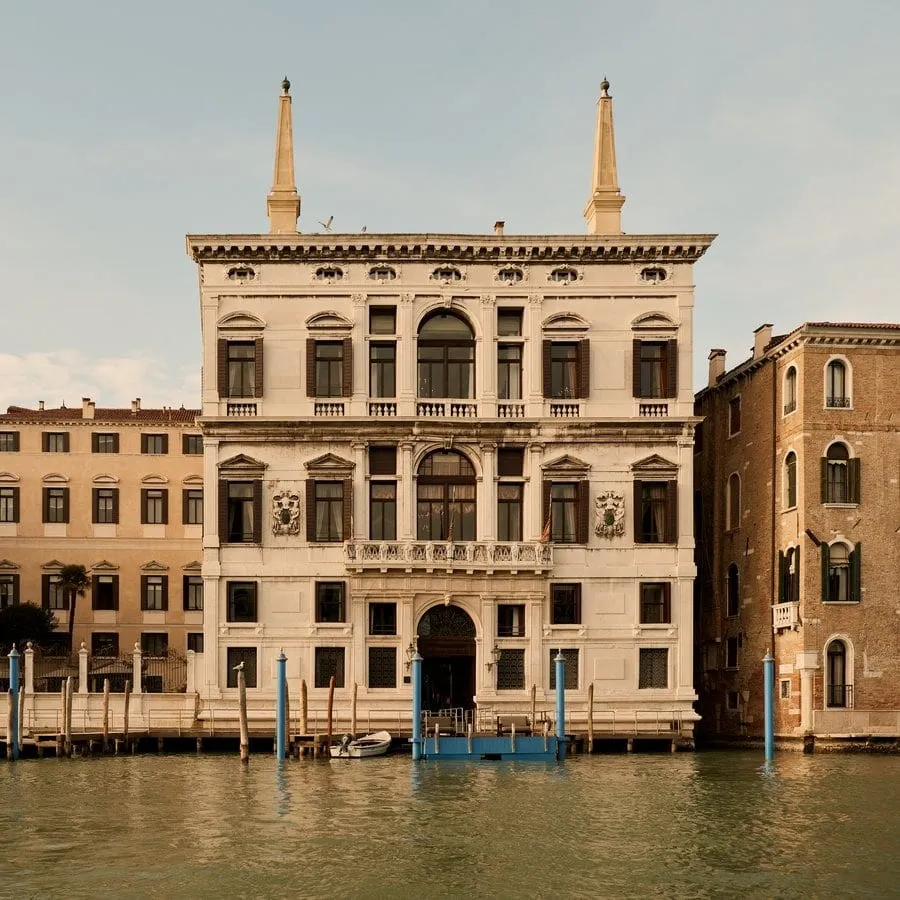
San Polo, Venice, Italy
Aman Venice
A 16th-century Grand Canal palazzo, frescoed by the Tiepolo family and fitted with a rare private garden, reopened in 2013 as Aman's first Italian address.
From €1,800 per night
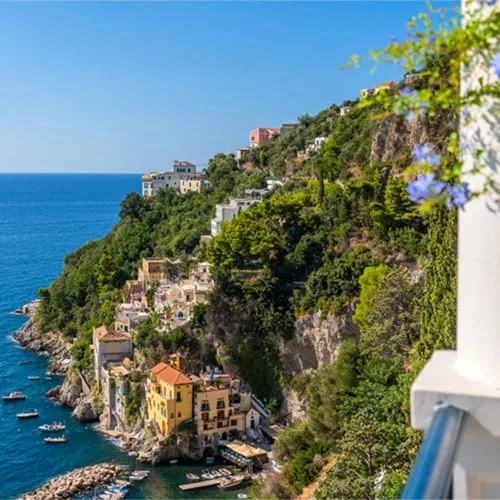
Amalfi, Amalfi Coast, Italy
Borgo Santandrea
A former 1950s seaside hotel rebuilt across nine cliffside levels above Conca dei Marini, reopened in 2022 as the first new luxury address on the Amalfi Coast in over a decade.
From €950 per night
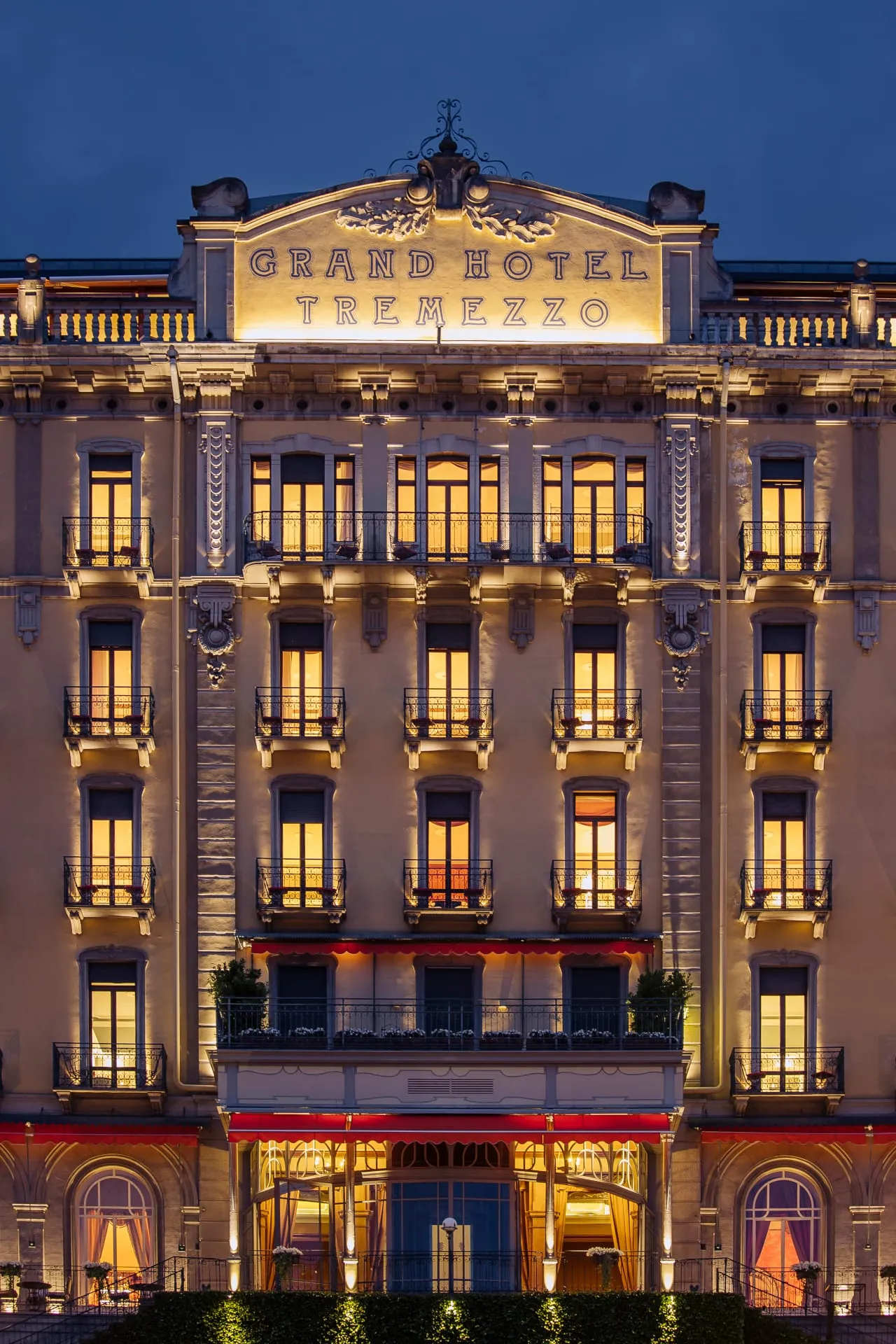
Tremezzo, Tremezzina, Lake Como, Italy
Grand Hotel Tremezzo
A 1910 Belle Époque palace on Lake Como with a heated pool that floats on the lake itself, still run by the family that also opened Passalacqua down the shore.
From €1,000 per night