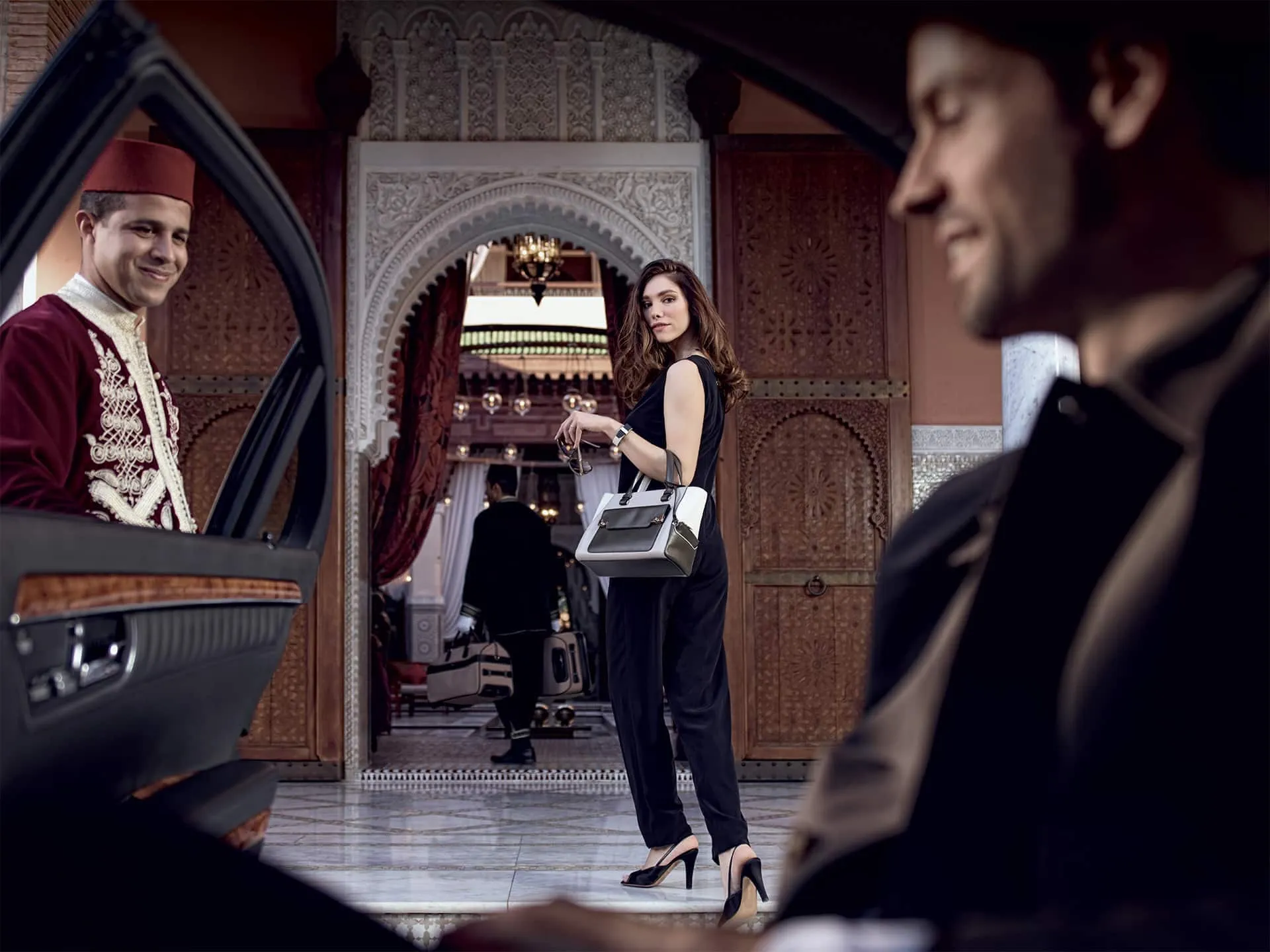
Marrakech medina, Morocco
Royal Mansour Marrakech
A king's private commission built by 1,200 Moroccan artisans, where every guest gets a multi-storey riad and its own rooftop rather than a room.
- Rates from
- From $1,500 per night
- Nearest airport
- Marrakech Menara Airport (RAK)
- Transfer
- Around 15 to 20 minutes by car, roughly 5 km from the hotel
- Best months
- March to May and late September to November, for mild daytime temperatures and cool evenings, avoiding the intense heat of high summer
There is a particular kind of luxury hotel that tries to convince a guest they have been granted access to something rare, and there is Royal Mansour, which simply has been built that way from the start. It began as a private commission from King Mohammed VI of Morocco, conceived not as a commercial hotel brief but as a demonstration of what Moroccan craftsmanship could still do when given no budget ceiling and no shortcuts. More than a thousand artisans, working in trades some families have practised for generations, spent years cutting zellige tile by hand, polishing tadelakt plaster and carving cedar for a property that, when it opened in June 2010, dispensed with the idea of a hotel room altogether.
In its place: 53 private riads, each a self-contained, multi-storey house with its own courtyard, its own rooftop terrace, and, in most categories, its own plunge pool. Guests do not walk down a corridor to reach their room; they let themselves into a front door on a narrow lane inside a five-hectare walled estate built to resemble, deliberately, a miniature medina. Below ground, invisible to guests, close to a kilometre of tunnels lets staff move between riads, deliver breakfast, and manage housekeeping without ever crossing a guest’s path at street level, a piece of infrastructure most hotels would consider once and quietly shelve on cost grounds.
None of this is speculative marketing language. It is a documented, physically built response to a specific problem: how does a hotel in the middle of one of the world’s most visited historic medinas offer the privacy of a private residence, the craft integrity of a royal commission, and the service depth of a five-star hotel, without any of those three things compromising the others. Royal Mansour’s answer, still unusual sixteen years after opening, is worth examining piece by piece.
Why It Stands Out
Most luxury hotels are additive: more square footage, more staff, more amenities layered onto an existing hospitality template. Royal Mansour started from a different premise entirely, a royal commission with the explicit goal of proving what Moroccan artisanal trades could achieve, and the hotel format followed from that goal rather than the other way around. The decision to house every guest in an individual riad rather than a room is the clearest expression of this: it is a far more expensive, more logistically complex way to run a hotel, requiring separate plumbing, climate control and structural work for 53 individual buildings instead of one large one, and it exists because privacy and architectural integrity were treated as non-negotiable design briefs rather than premium add-ons. The underground service tunnels make the same point in miniature. Combined with a genuinely competitive four-restaurant dining programme and a 2,500-square-metre spa, the result is a hotel that reads less like a five-star property and more like a small, fully staffed royal quarter built for paying guests.
Architecture
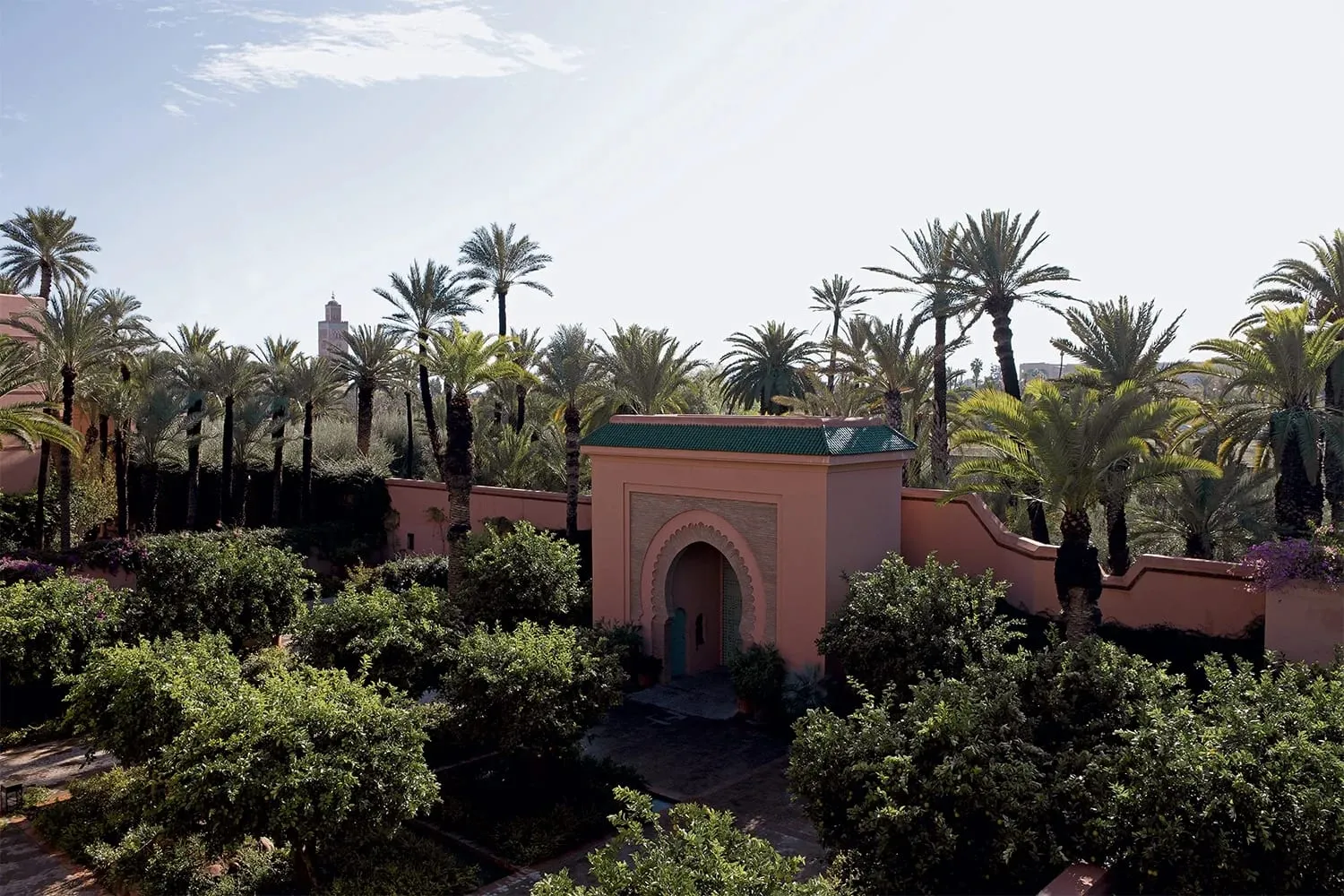
Royal Mansour was designed by the international architecture firm OBMI, working within a design brief that treated the traditional Moroccan riad, a house built around an interior courtyard, as the fundamental unit of the property rather than a stylistic reference applied to standard hotel rooms. The estate covers roughly five hectares in the heart of Marrakech’s medina, arranged as a network of narrow pedestrian lanes connecting the 53 private riads, echoing the layout logic of the medina just outside its walls: a dense, walled settlement navigated on foot, punctuated by courtyards and covered passages.
The riads themselves are multi-storey structures, generally three levels, built as faithful, full-scale expressions of traditional Moroccan residential architecture rather than compressed hotel-room approximations of one. Construction drew on the country’s traditional building trades at a scale rarely attempted for a single project: reports place the number of Moroccan artisans involved at over 1,200, working across zellige tile-cutting and setting, tadelakt (a polished lime plaster finish native to Marrakech), carved and painted cedar woodwork, and wrought ironwork, much of it produced on site over the course of construction rather than prefabricated elsewhere and installed.
The property’s most distinctive piece of infrastructure sits entirely out of sight. A network of underground service tunnels, reported at close to a kilometre in length, connects the riads and allows staff to deliver meals, manage housekeeping and move between buildings without using the pedestrian lanes guests walk through above. It is a solution to a specific architectural problem, how to run full hotel service to 53 separate structures without staff traffic undermining the sense of a private residence, and it is rare enough among luxury hotels that it has become one of the property’s most frequently cited design features.
Interior Design
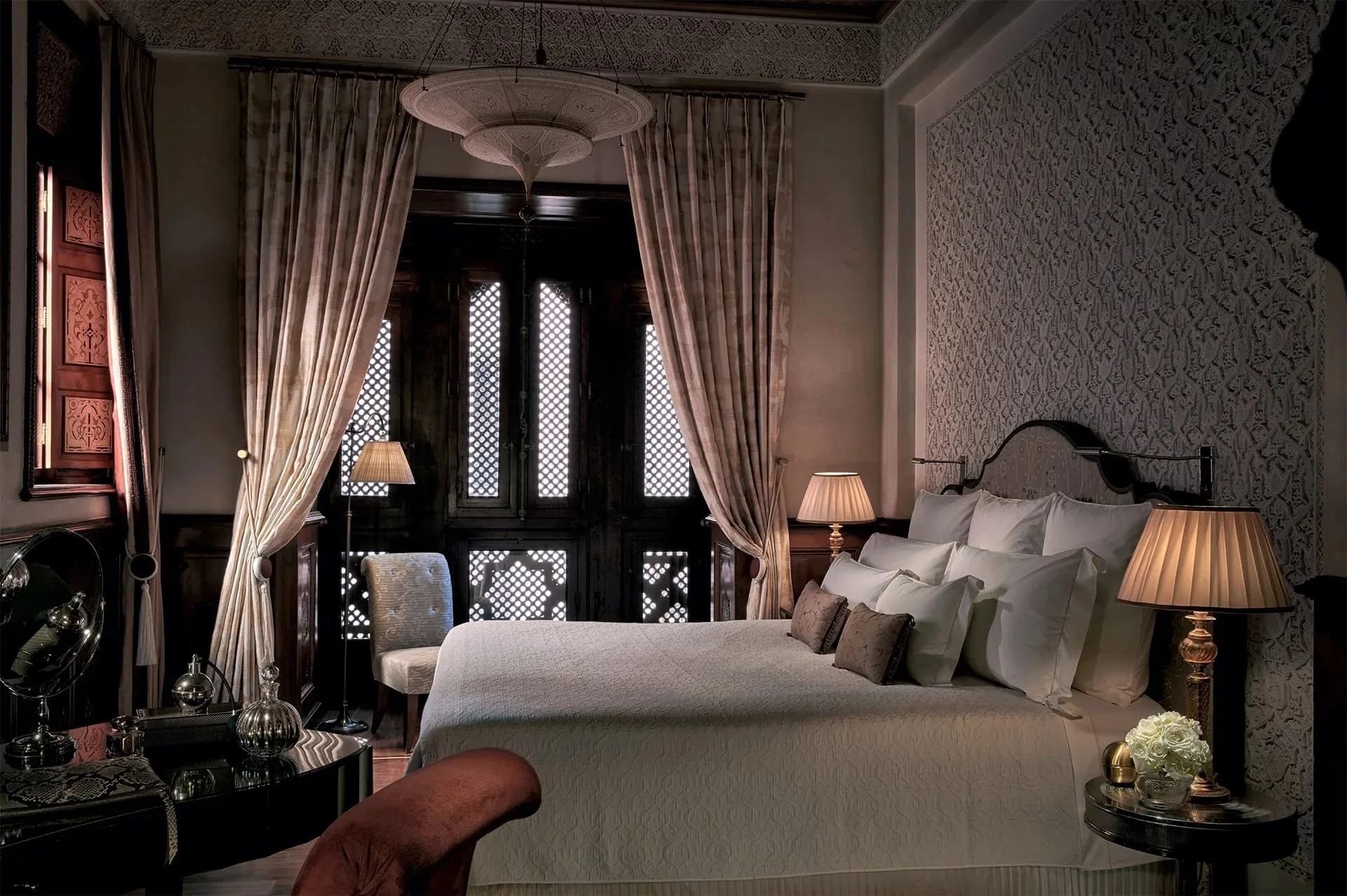
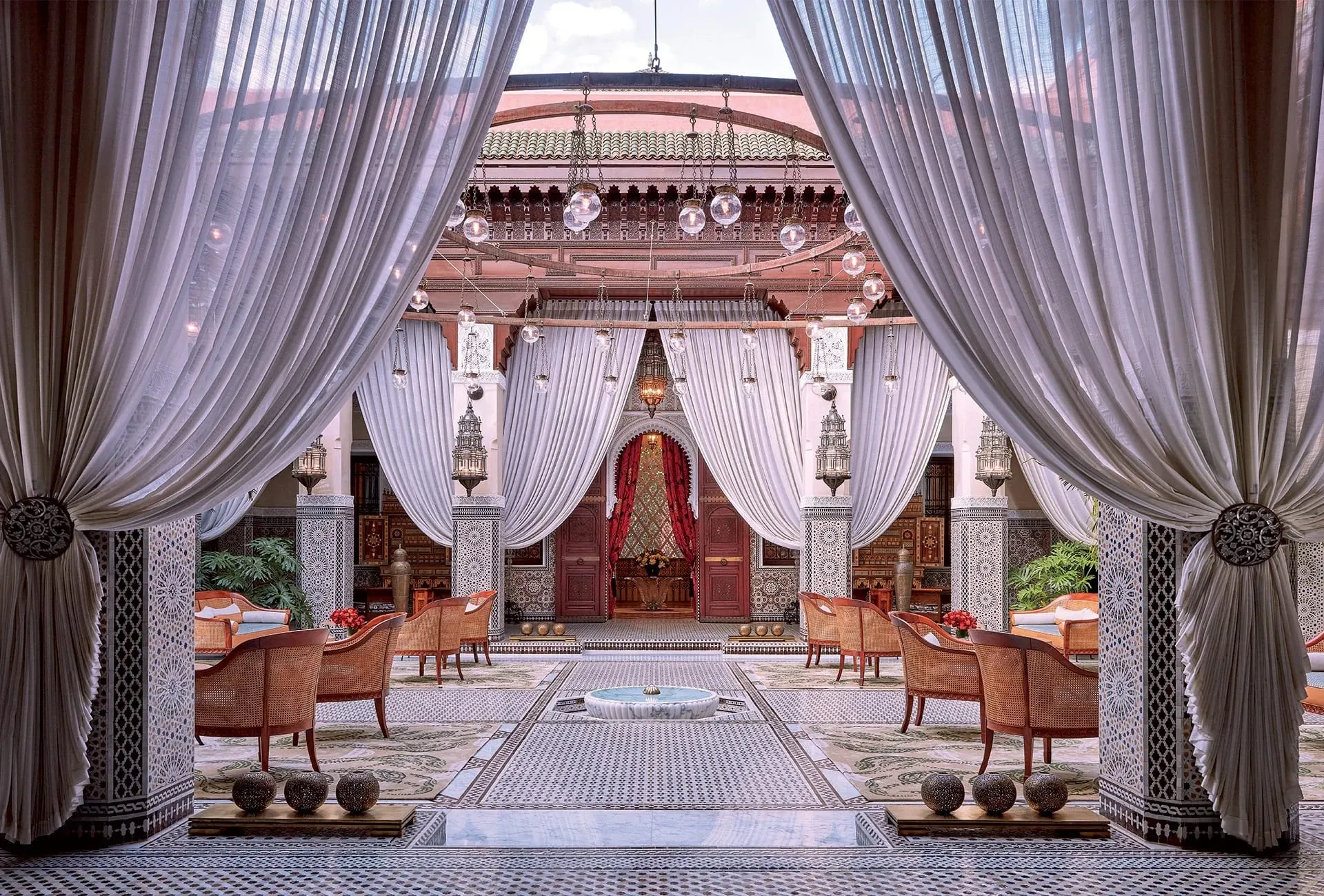
Interior decoration throughout the riads and public spaces draws directly on the same traditional crafts used in the architecture: hand-set zellige mosaic tilework, carved cedar ceilings and doors, wrought-iron light fixtures, and tadelakt-finished walls, alongside imported finishing touches such as Baccarat chandeliers and silk carpets woven by local artisans. The effect is closer to a royal Moroccan residence furnished at full historical fidelity than a contemporary hotel interior referencing Moroccan style in shorthand; where many riad-style hotels in Marrakech reproduce traditional motifs at a smaller, simplified scale, Royal Mansour’s interiors were built at the scale and material quality of the palaces and grand riads the crafts were originally developed for.
Each riad category carries its own floor plan and detailing rather than a repeated template, from the roughly 140-square-metre Superior riads up through the 1,800-square-metre four-bedroom Grand Riad, which includes its own pool and hammam. Public spaces, including the restaurants and the spa, extend the same material language: carved plasterwork, painted cedar, and mosaic tile deployed at a scale that reflects the property’s origins as a royal commission rather than a standard hospitality fit-out.
Atmosphere
Royal Mansour sits inside the walls of Marrakech’s medina, a short walk from Jemaa el-Fna square, yet the experience of being inside the estate is deliberately insulated from the medina’s density and noise outside. Guests move along quiet, covered pedestrian lanes between riads and public spaces, planted with mature trees and threaded with the same zellige and tadelakt detailing as the buildings themselves, an environment built to feel closer to a private royal quarter than a hotel campus.
That sense of privacy is the property’s defining atmospheric trait. Because each guest occupies a self-contained riad rather than a room reached via a shared corridor, and because service staff largely operate through the underground tunnel network rather than the surface lanes, the estate can feel remarkably quiet and depopulated even at full occupancy, a contrast with the crowded, sensory intensity of the medina immediately outside its walls. It is a formal, hushed kind of luxury, closer in register to a state guesthouse than a resort, and it suits guests who want Marrakech’s history and craft at close range without its street-level chaos following them home each evening.
Rooms and Suites
Accommodation runs across five riad categories, each a private, self-contained multi-storey house rather than a room. Superior riads, the entry-level category at roughly 140 square metres, are one-bedroom units, as are the larger Premier riads at around 175 square metres. Privilege riads step up to approximately 430 square metres with two bedrooms, while Prestige riads reach around 840 square metres across three bedrooms. At the top of the range, the Grand Riad spans roughly 1,800 square metres with four bedrooms, its own private pool and its own hammam, effectively a small private palace within the larger estate.
Every riad, regardless of category, includes a private courtyard, a rooftop terrace with views over the medina and, in most cases, toward the Atlas Mountains, and dedicated butler service available around the clock. Interiors combine carved cedar, zellige tilework and tadelakt plaster with modern comforts including climate control, and most categories include a private plunge pool, a rarity among hotel accommodations anywhere, let alone inside a historic city medina. Exact configurations and current room counts by category should be confirmed directly with the hotel at the time of booking, since suite inventories and naming can shift over time.
Dining
Royal Mansour operates four signature restaurants, each with a distinct identity rather than a single unified hotel dining programme. La Grande Table Marocaine, the property’s flagship Moroccan restaurant, is overseen by the multi-Michelin-starred French chef Hélène Darroze working alongside chef Karim Ben Baba, and is one of only a handful of restaurants in Africa admitted to Les Grandes Tables du Monde, the international fine-dining association. La Grande Brasserie, also under Darroze’s direction, offers a more relaxed, bistronomic take on French and Moroccan cooking.
Sesamo, the hotel’s Italian restaurant, is led by chef Massimiliano Alajmo of the Alajmo family, among Italy’s most decorated culinary dynasties, and is decorated in a style referencing Venetian palazzo interiors, with high ceilings, tapestries and fine textiles. Le Jardin, the property’s open-air restaurant, is set within the gardens for lighter, all-day dining. Across the four venues, kitchens draw on Moroccan produce including Atlas Mountain herbs, argan oil, and saffron alongside imported ingredients, reflecting the same combination of local craft and international calibre that defines the rest of the property. As with any single-restaurant leadership at this level, chef appointments can change over time and should be confirmed directly with the hotel ahead of a visit.
Spa and Wellness
The spa spans roughly 2,500 square metres, one of the larger hotel spa facilities in Marrakech, and is built around a traditional hammam compound divided into hot, warm and cool rooms, with separate facilities for men and women. Signature treatments lean heavily on Moroccan ingredients and rituals: an energising body wrap using ghassoul clay from the Atlas Mountains with lavender and tulsi, a radiant wrap using saffron from the Taliouine region with orange blossom and argan, and a revitalising treatment built around argan powder and rose water sourced from Kalaat M’Gouna, the rose-growing valley east of Ouarzazate. The spa also offers treatments developed with Chanel, among the first spas in the world to do so, alongside a full menu of massage and facial treatments.
Beyond the hammam and treatment rooms, the facility includes an indoor swimming pool with a Watsu bath area for water-based bodywork, a well-equipped gym, and dedicated studios for yoga, Pilates and fitness classes. An outdoor pool set within landscaped gardens designed by the Spanish landscape architect Luis Vallejo gives guests a second, more social option for daytime relaxation outside the spa building itself.
Experiences
The estate’s location inside the medina walls, a short walk from Jemaa el-Fna square, makes it a practical base for exploring Marrakech’s historic core: the souks, the Koutoubia Mosque, and the palaces and museums scattered through the old city are all within easy reach on foot or by a short arranged transfer. Within the property itself, the riad format lends itself to private, in-residence experiences, from private dining on a guest’s own rooftop terrace to spa treatments delivered in-suite for guests in the larger categories. The hotel has also been featured in international television coverage of luxury hospitality, including the BBC series Amazing Hotels: Life Beyond the Lobby, which documented its scale of staffing and craft in detail.
Who It Is For
Royal Mansour suits couples marking a honeymoon or significant anniversary who want privacy and formality in equal measure, and it suits travellers with a genuine interest in Moroccan architecture and craft, given the density of hand-executed zellige, tadelakt and cedar work throughout the property. Its larger riad categories, particularly the multi-bedroom Prestige and Grand Riad options, also make it a strong fit for multi-generational families or groups who want to book an entire private residence rather than a block of adjoining rooms. It is a less natural fit for travellers who want a more social, communal hotel atmosphere, since the riad format and tunnel-based service are specifically designed to minimise contact with other guests and visible staff movement.
Best Time to Visit
Marrakech’s most comfortable travel months run from March to May and again from late September through November, when daytime temperatures are warm rather than extreme and evenings cool enough to enjoy the riads’ open courtyards and rooftop terraces. High summer, particularly July and August, brings intense heat that can make daytime exploration of the medina uncomfortable, while winter months are mild by day but can turn cold after sunset, worth factoring in given how much of the guest experience at Royal Mansour plays out in open-air courtyards and terraces.
How to Get There
Marrakech Menara Airport (RAK) is the nearest gateway, roughly 5 km from the hotel, a drive of about 15 to 20 minutes depending on traffic. The hotel offers airport pick-up and drop-off arrangements for guests, and given the medina’s narrow, partially pedestrianised streets, arriving guests are generally transferred directly to the estate’s dedicated entrance rather than navigating the old city independently by car.
Nearby Experiences
Jemaa el-Fna, Marrakech’s central square and a UNESCO-recognised space for oral and cultural heritage, is a short walk from the hotel, along with the surrounding souks selling textiles, leather goods, spices and metalwork. The Koutoubia Mosque, the city’s largest and most prominent historic minaret, is also within easy walking distance. Further afield within the medina, sites including the Bahia Palace and the Saadian Tombs offer additional access to the same tradition of Moroccan architecture and decorative craft on display within the hotel itself, typically reachable by a short arranged transfer.
Things to Know Before Booking
Because every guest is housed in a private riad rather than a room accessed from a shared hotel corridor, orientation within the five-hectare estate can take a little getting used to on arrival; staff generally escort guests between their riad and the restaurants, spa and other public spaces rather than leaving them to navigate independently. The property’s formality and price point make it a better match for older children and adults than very young children, notwithstanding the space offered by the larger multi-bedroom riad categories. Room and suite specifications, along with current restaurant chef leadership, can shift over time at a property of this scale and should be confirmed directly with the hotel ahead of booking.
Sustainability
Royal Mansour publishes an environmental policy centred on waste, water and energy management: selective recycling and composting of organic waste, tracked water consumption paired with drip irrigation across the estate’s gardens, and a dedicated internal sustainability committee overseeing these initiatives. The hotel also runs the Royal Mansour Academy, a training programme intended to build local hospitality and craft career pathways in the Marrakech region, extending the property’s original artisanal commission into an ongoing source of local employment. Specific published data on the property’s energy mix, carbon footprint, or water usage volumes was not found and is not claimed here.
Practical Information
Royal Mansour Marrakech is located on Rue Abou Abbas El Sebti in the Marrakech medina. Check-in is from 3:00pm and check-out by 12:00pm. Published third-party rate data places entry-level Superior riad rates from roughly $1,400 to $1,500 per night in lower-demand periods, with rates rising substantially for larger riad categories and peak-season dates; the figure given above is an indicative starting point rather than a live quote, and travellers should confirm current rates directly with the hotel or a trusted travel advisor. The hotel holds Two MICHELIN Keys in the Michelin Guide’s hotel classification system, denoting what the guide describes as an exceptional stay.
Editorial Conclusion
Royal Mansour is one of the few luxury hotels anywhere that can claim its format, not just its finishes, as a genuine point of difference. Fifty-three private riads, a kilometre of tunnels built solely so staff never have to cross a guest’s path above ground, and well over a thousand artisans given years to execute traditional Moroccan crafts at full scale rather than hotel-room scale: none of it reads as marketing embellishment once the underlying construction facts are laid out. For travellers who want Marrakech’s history and craftsmanship at the closest possible range, delivered with a level of privacy closer to a private residence than a hotel stay, it remains one of the most distinctive properties in the city, and arguably in North Africa.
In pictures
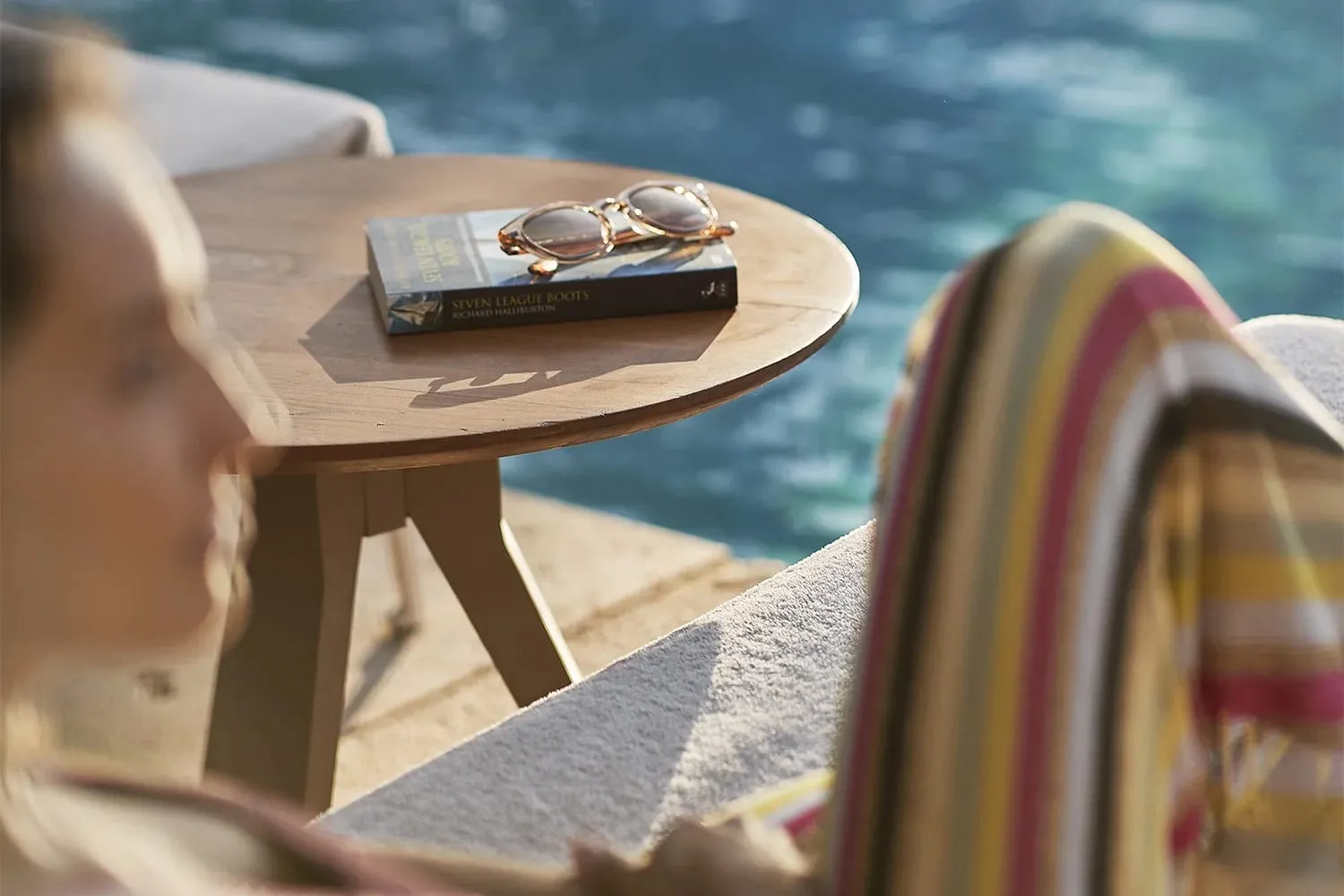
On the map
Marrakech medina, Morocco
Questions
Frequently asked
What makes Royal Mansour Marrakech different from a typical luxury hotel?
Instead of standard rooms, every guest is accommodated in one of 53 private multi-storey riads, each with its own courtyard, rooftop terrace and, in most categories, a private plunge pool. The riads sit within a five-hectare walled estate designed to resemble a miniature medina, and staff move between them through roughly a kilometre of underground service tunnels so that guests rarely see hotel staff arriving or departing at street level.
When did Royal Mansour Marrakech open and who commissioned it?
The hotel opened in June 2010. It was commissioned by King Mohammed VI of Morocco as a showcase for Moroccan craftsmanship, and was built by well over a thousand Moroccan artisans working in traditional trades including zellige tile-cutting, tadelakt plaster application and cedar wood carving.
How many restaurants does Royal Mansour Marrakech have?
The property operates four signature restaurants: La Grande Table Marocaine and La Grande Brasserie, both overseen by the multi-Michelin-starred French chef Hélène Darroze, the Italian restaurant Sesamo led by chef Massimiliano Alajmo, and Le Jardin, an open-air restaurant set in the gardens. La Grande Table Marocaine is one of very few restaurants in Africa admitted to the Les Grandes Tables du Monde association.
How far is Royal Mansour Marrakech from Marrakech Menara Airport?
The hotel is roughly 5 km from Marrakech Menara Airport (RAK), a drive of about 15 to 20 minutes depending on traffic. It sits inside the medina, a short distance from Jemaa el-Fna square.
Is Royal Mansour Marrakech suitable for families?
The largest riad category, the four-bedroom Grand Riad, spans around 1,800 square metres with its own pool and hammam, making it well suited to families or groups who want to book an entire private residence within the estate. Smaller one- and two-bedroom riad categories also accommodate families travelling with children, though the hotel's formality and price point make it a better fit for older children than very young ones.
Same destination
More hotel guides in Morocco
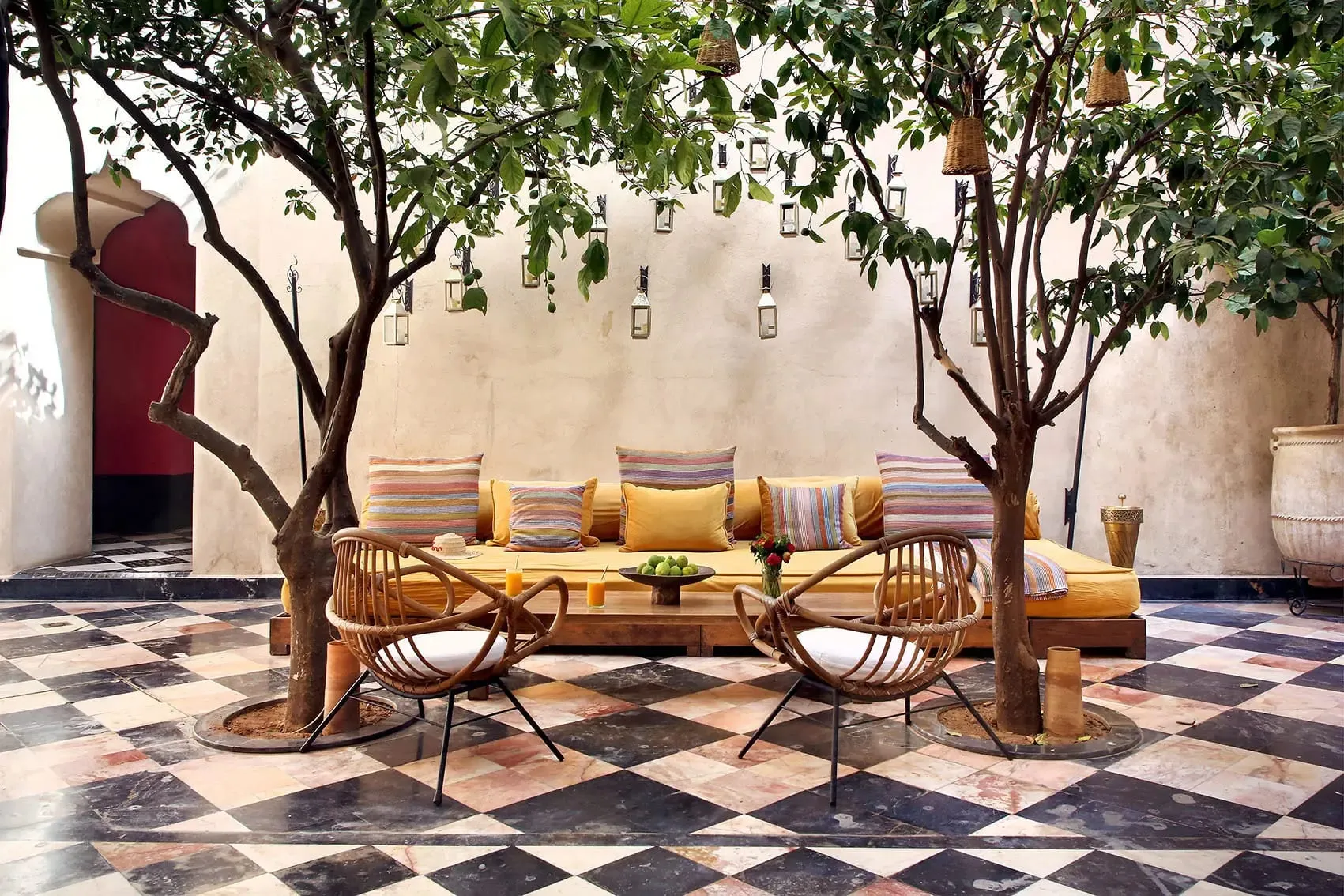
Marrakech medina, Morocco
El Fenn
A private art collector's riad turned hotel, stitched together from more than a dozen houses behind the walls of the Marrakech medina.
From $480 per night
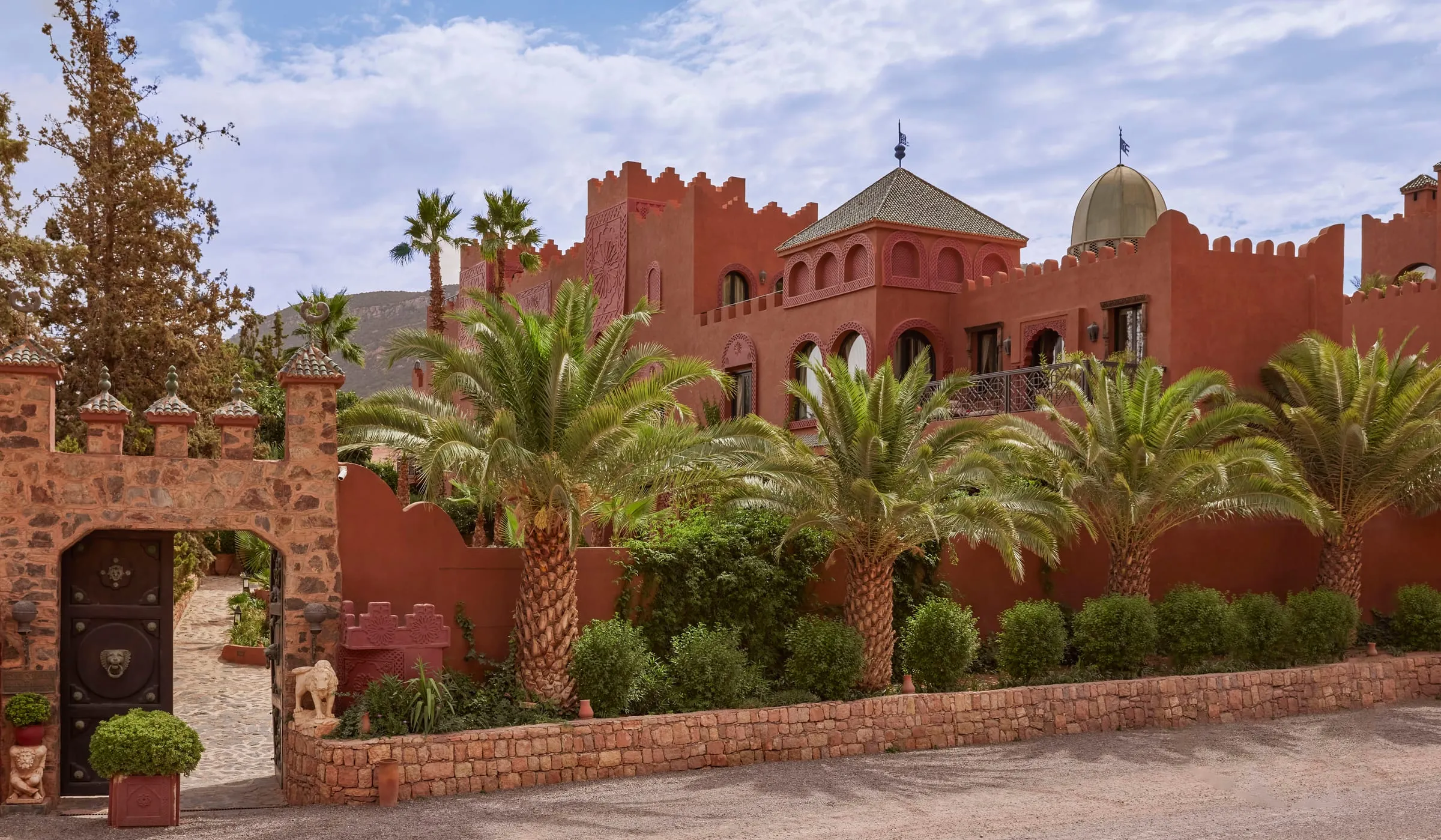
Asni Valley, Atlas Mountains, Morocco
Kasbah Tamadot
Richard Branson's former antiques-dealer's kasbah, rebuilt above the Asni Valley with Berber tents, three-bedroom riads and Mount Toubkal on the horizon.
From $700 per night
Marrakech medina, Hivernage, Morocco
La Mamounia
The 1923 Marrakech palace built around an 18th-century royal garden, where Winston Churchill painted from the balconies and Jacques Garcia's 2009 restoration still sets the city's benchmark for Moorish-Art-Deco grandeur.
From $650 per night