Braemar, United Kingdom
The Fife Arms
A Victorian coaching inn on the road to Balmoral, rebuilt by two of the art world's most consequential gallerists into 46 rooms of unrepentant Highland maximalism.
- Rates from
- From £450 per night
- Nearest airport
- Aberdeen International Airport (ABZ)
- Transfer
- About 1hr 15min to 1hr 30min by road
- Best months
- May to September for walking and long light; December to February for log fires and snow on the Cairngorms
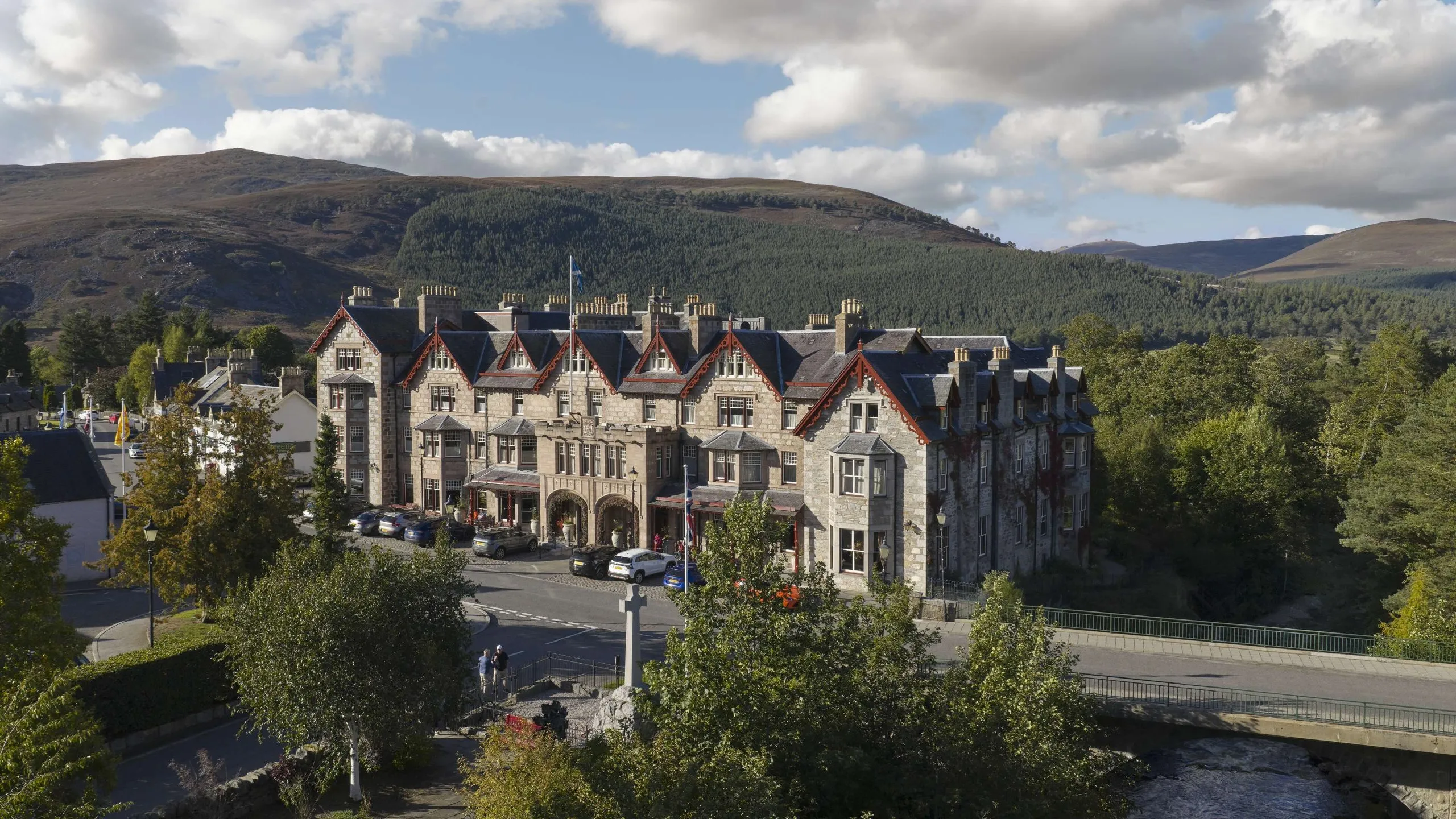
The road into Braemar does not announce much. It is a single-track run of grey stone and slate roofs, a village shop, a war memorial, the kind of place built to be passed through on the way to somewhere grander. Then, at the bend where Mar Road meets the water, a pink-harled Victorian facade appears, four storeys of dormers and bay windows under a mansard roof, flying a flag, looking entirely too large for the village around it. That disproportion is not an accident. The Fife Arms was built to be the best hotel between Perth and Balmoral, and for a long stretch of the twentieth century it was neither that nor much of anything else. It is again now, though “hotel” undersells what is actually inside.
Braemar has always lived slightly beyond its size because of who passes through it. Queen Victoria bought Balmoral, ten miles down the valley, in 1852, and the road past the Fife Arms became the route the royal household and its visitors used to reach it. The hotel that grew up to serve that traffic was, by the early twentieth century, one of the grandest in the Scottish Highlands. Then it wasn’t: two world wars, a changing tourism economy and decades of underinvestment left the building tired and its future uncertain. What exists today is the result of a restoration that treated the coaching inn’s Victorian bones as a foundation to build on rather than a style to imitate, and then filled the result with one of the more serious privately assembled art collections in Britain, publicly displayed and free for any guest, or any visitor to the public bar, to walk through.
Why It Stands Out
Most historic hotel restorations pick a lane: heritage-accurate and slightly stiff, or comprehensively modernised and slightly generic. The Fife Arms does neither. Its owners, Iwan and Manuela Wirth, run Hauser & Wirth, one of the handful of galleries that shapes the contemporary art market globally, and they applied that instinct for serious, specific curation to a Highland coaching inn instead of a white-cube gallery. The result is a hotel where a Lucian Freud portrait hangs near a hand-carved chimneypiece depicting the poetry of Robert Burns, where a neon deer chandelier by the American artist Richard Jackson lights a stairwell, and where the design studio responsible for all of it, Russell Sage Studio, was given licence to be genuinely maximalist rather than tastefully restrained.
What separates The Fife Arms from a themed hotel is specificity. Nothing here is generic tartan-and-stag decor standing in for “Scotland.” Individual rooms are built around real historical figures connected to Deeside, real poets, real crofting traditions, real geology. The 16,000-plus objects in the collection, spanning fine art, antiques and specially commissioned installations, were assembled with the same rigour a gallery would apply to an exhibition, not licensed as decorative filler. That density of thought, applied to a building most of Scotland had written off, is the reason the hotel drew international design and travel press attention within months of reopening and has held it since.
Architecture
The Fife Arms as it stands dates from 1856, when it was built as a substantial coaching inn to serve travellers on the road through Royal Deeside, a route that gained importance rapidly once Queen Victoria and Prince Albert established Balmoral as their Highland residence. The hotel prospered enough under royal patronage, guests recalled Victoria herself acknowledging the staff as her carriage changed horses outside, that it was granted a royal warrant: “By Special Appointment to Her Majesty the Queen and the Royal Family.”
Success brought expansion. Beginning in 1897, under new management, the hotel commissioned the architect Alexander Marshall Mackenzie, best known for major commercial and civic buildings in Aberdeen and London, to substantially enlarge and remodel the property. Mackenzie’s work added extra floors, the distinctive multi-pane windows still visible on the facade, and by 1906 a full four-storey western wing, bringing the hotel to something close to its present footprint and establishing it as one of the grandest addresses in the Scottish Highlands. The building is now a Category B listed structure, a protection status that shaped how far the later restoration could go structurally.
The twentieth century was less kind. The hotel supported the war effort through both world wars, at one point nursing Belgian soldiers convalescing in the village, and was requisitioned by the military during the Second World War. In the decades after, ownership changed hands repeatedly and visitor numbers declined, leaving a once-grand building in a state of real disrepair by the time Iwan and Manuela Wirth acquired it in December 2014. The renovation that followed, running for roughly four years, was conducted with the listed status in mind: the Victorian shell, the massing, the window rhythms and the essential silhouette of Mackenzie’s building were retained and repaired rather than reimagined, while the interiors underneath were rebuilt almost entirely from the studs out. The hotel reopened on St Andrew’s Day, 30 November, in 2018, and received an official visit from the then Prince Charles and the Duchess of Cornwall the following January, a fairly direct signal of how the project was received by the Highland establishment it sits within.
Interior Design
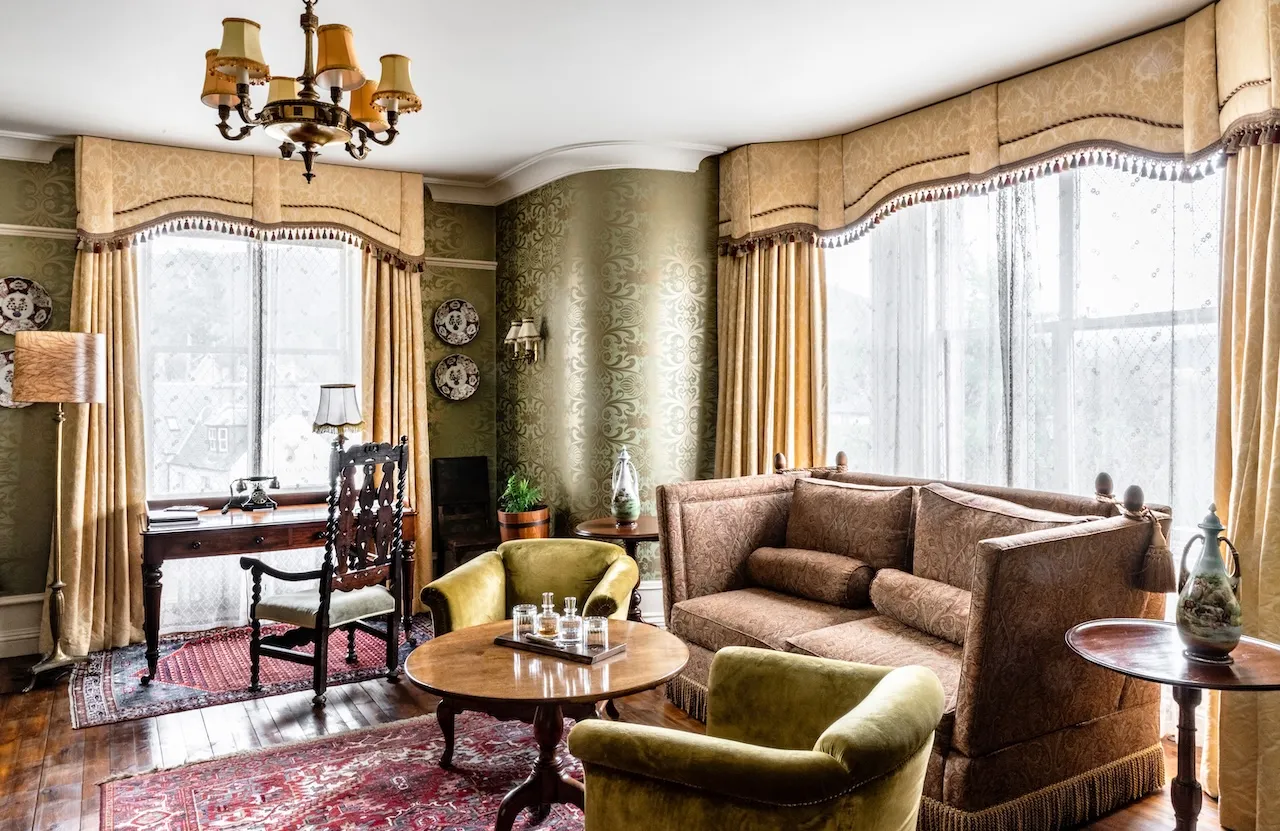
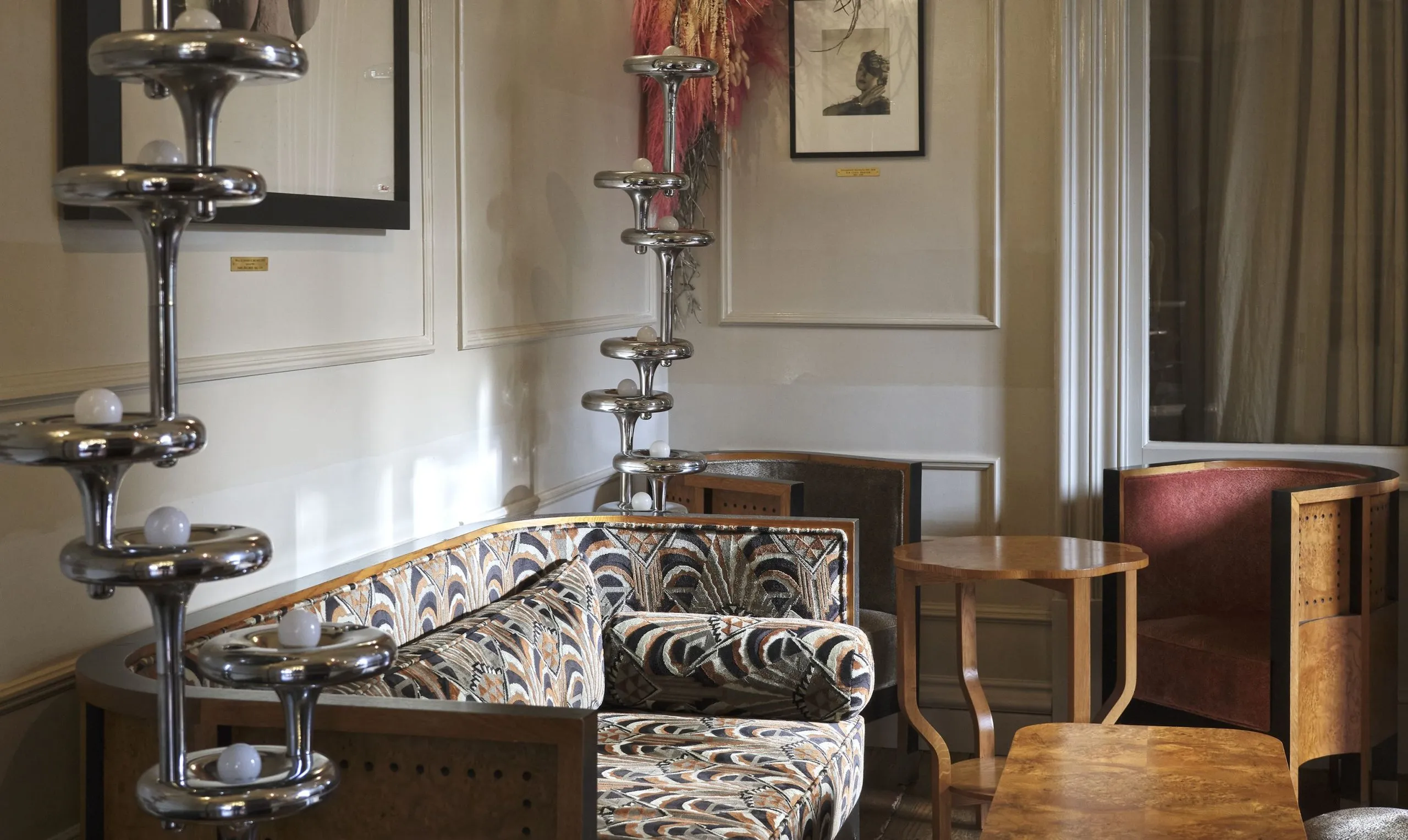
If the architecture is a careful restoration, the interior is the opposite instinct entirely, and it is the reason The Fife Arms is discussed in design and art circles well beyond the hotel trade. Russell Sage Studio, the London-based practice behind the redesign of all 46 rooms and suites, the restaurants, the public bar, spa and event spaces, was given a brief that ran toward maximalism rather than restraint: dense layering of colour, pattern, antique furniture, sumptuous textiles and site-specific art, room by room, with almost nothing repeated. The studio has described the approach as respectful of the building’s Victorian character while unwilling to let that character calcify into a museum piece; the result reads as a country house that has been lived in and added to for a century, by people with wildly different tastes, rather than a hotel decorated in one sitting.
The art is not applied to the interior so much as structural to it. Iwan and Manuela Wirth curated the collection directly, drawing on both new acquisitions and works connected to Hauser & Wirth, and the scale is substantial: more than 16,000 paintings, antiques and objects distributed through public rooms, corridors, stairwells and bedrooms. The named highlights are serious by any museum’s standard. There is a Lucian Freud portrait, “A Painter, Redheaded Man No. II,” and a 1953 Picasso, “Femme assise dans un fauteuil.” A Louise Bourgeois textile piece and a Martin Creed work sit alongside a seventeenth-century village scene attributed to Pieter Brueghel the Younger and, in a nod to the building’s own history, a watercolour of a stag painted by Queen Victoria herself in 1874.
Alongside the acquired collection, the Wirths commissioned new, site-specific work from a roster of international artists. The Chinese painter Zhang Enli hand-painted a ceiling installation titled “Ancient Quartz.” The American sculptor Richard Jackson installed a neon “Red Deer Chandelier,” antlers rendered in glowing tube light, a piece that has become one of the hotel’s most photographed corners. The Indian artist Bharti Kher contributed a mural titled “Cipher,” and the Argentinian painter Guillermo Kuitca painted the walls of the main dining room. Beyond the fine art, the hotel commissioned a coat of arms from the naturalist and artist James Prosek, a guide to the Cairngorms in verse from the poet Alec Finlay, whose words are carved into headboards in the Nature and Poetry rooms, and a series of resident portraits by the artist Gideon Summerfield, sketching Braemar locals as part of an ongoing project. An intricately carved chimneypiece depicting scenes from the poetry of Robert Burns anchors one of the ground-floor rooms, a good example of the studio’s habit of turning a fixed architectural element into another piece of storytelling rather than leaving it as background.
The cumulative effect is deliberately overwhelming in places and quiet in others: a corridor might carry several significant works in a row, while a single bedroom rests on one carved headboard and a restrained palette of heather and tweed. It rewards slow attention in a way most hotel interiors, built to be absorbed in a glance, are not.
Atmosphere
The Fife Arms operates on two registers simultaneously, and the trick is that both feel authentic rather than performed. On one side is the public bar, The Flying Stag, which functions as an actual village pub: locals drink there, live Scottish folk musicians play twice a week, and the food runs to haggis and steak rather than tasting menus. On the other is a level of curatorial seriousness, in the art, the whisky library and the formal dining room, that would not be out of place at a considerably more austere five-star address. The hotel does not try to fully reconcile the two; instead it lets a Highland Games regular and a visiting art collector occupy the same building without either feeling misplaced.
That duality extends to mood. Public rooms shift from the amber, clubby hush of Bertie’s Whisky Bar to the shocking-pink, Art Deco theatricality of Elsa’s Bar within a few doors of each other, and bedrooms range from the deliberately compact, cabin-like Croft rooms to the full theatrical scale of the Royal Suites. What holds the whole building together is a consistent seriousness about craft and detail rather than a single decorative through-line, and a staff culture, many drawn from Braemar and the surrounding Deeside villages, that treats the hotel as a genuine piece of local infrastructure rather than an outpost of somewhere else.
Rooms and Suites
The hotel’s 46 rooms and suites are organised into named categories, each with its own design language rather than a shared template scaled up or down. Croft rooms are the most compact and least expensive, styled on the traditional Scottish croft house, with a distinctive cabin-style bed hand-painted with scenes of the surrounding landscape. Nature and Poetry rooms build outward from the Highland landscape itself: materials like heather, horn and tweed, and wooden headboards carved with lines of verse commissioned from the poet Alec Finlay. Scottish Culture rooms are each tied to a real figure or thread of Scottish achievement, their design built around that individual story rather than a generic tartan motif.
At the upper end, Scottish Heritage suites and Victoriana suites offer more space and a more overtly grand register, drawing on the building’s nineteenth-century expansion for scale and detail, while the Royal Suites sit at the top of the hierarchy, the largest and most elaborately furnished rooms in the hotel. Family suites, including categories the hotel calls Majestic, Scottish Heritage, Discovery and Nature and Poetry, are configured for parents travelling with children, with connecting layouts or additional sleeping space. A small number of rooms exist entirely outside the standard categories: an Artist’s Studio conceived as a working creative space, and a hidden “Secret Room,” accessed discreetly and designed around a single thematic idea, which the hotel treats as one of its signature curiosities rather than a bookable standard. Across every category, the through-line is that no two rooms repeat the same design, furniture set or artwork, a level of individuation unusual even among hotels that market themselves on bespoke interiors.
Dining
The hotel runs a genuine spread of distinct dining and drinking rooms rather than one central restaurant supplemented by a bar. The Clunie Dining Room, named for the Clunie Water that meets the River Dee behind the hotel, is the formal centrepiece, its walls painted by Guillermo Kuitca and its kitchen built around open wood-fire cooking of seasonal Scottish produce, much of it game and seafood sourced from local suppliers, gamekeepers and farmers. The dress code is deliberately unfussy: guests are told to come as they are, whether that means dressed for dinner or straight off a hillside.
The Flying Stag is the hotel’s public bar and the closest thing Braemar has to a village local, serving classic Scottish pub food, real ales, and live Scottish folk music on a regular weekly schedule; it is also the one dining room in the hotel that welcomes dogs. Elsa’s Bar takes its cue from the fashion designer Elsa Schiaparelli, an Art Deco-inspired room in shocking pink built for cocktails and champagne rather than a full meal. Bertie’s Whisky Bar, named for the more spirited of Queen Victoria’s sons, is arranged like a dark, atmospheric library: more than 500 whiskies, shelved and organised by flavour profile (fragrant, fruity, rich, smoky) rather than by distillery or region, lit by amber lamps and an open fire. Beyond the four principal venues, Gordon’s Tea Room, The Courtyard Bar and a small on-site Fish Shop round out the food and drink offer, giving the hotel a genuine village-scale range of registers across a single building.
Spa and Wellness
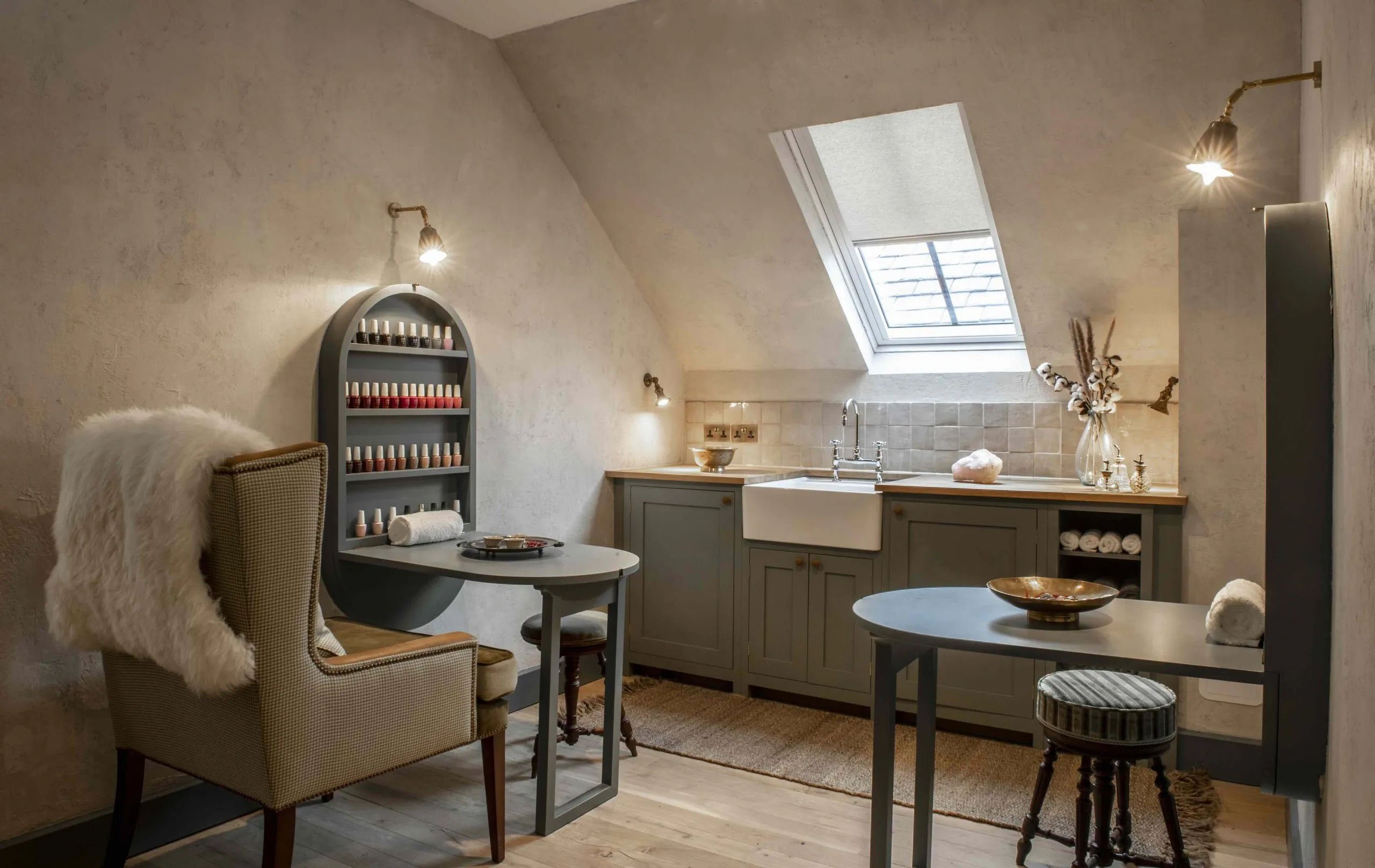
Wellness at The Fife Arms centres on the Albamhor Treatment Rooms, a spa overlooking the hotel’s gardens rather than a large standalone wellness complex. Treatments draw on Methode Physiodermie and Moss of the Isles products and include the Walker’s Wonder Leg Ritual, designed specifically to recover tired legs and feet after a day on the hills, alongside full body massages, facials and manicure and pedicure treatments. Guests using the treatment rooms have complimentary access to a sauna and rainforest showers afterward. A complimentary PT Pod, a small private fitness space bookable by the hour, covers conventional gym use.
The wider wellness offer leans on the landscape as much as the treatment menu, in keeping with the hotel’s “Wild Wellness” framing: guided woodland walks and wild swimming excursions, arranged through the hotel’s Ghillies, sit alongside the spa as ways to unwind that make use of the Cairngorms rather than substituting for them.
Experiences
The Fife Arms employs a team of Ghillies, the traditional Highland term for an attendant who guides sporting and outdoor pursuits, and the range of experiences they arrange is genuinely broad. Guided Munro hikes take guests into the Cairngorms’ high ground with route planning matched to ability, while lower-level walks and private picnics suit a gentler pace. Fishing on the River Dee, arranged with a local ghillie, follows one of Scotland’s most storied salmon rivers past the hotel’s own doorstep. Off-road Land Rover excursions, wild swimming, and even a helicopter flight over Deeside can all be arranged, and a private lunch at the hotel’s own remote hut, set out on the grouse moors, is offered as one of the more theatrical options.
Whisky forms its own strand of programming, unsurprising given Bertie’s Bar downstairs: guided tastings and distillery visits are arranged with a whisky expert, with the Royal Lochnagar Distillery, a working Deeside distillery founded in the mid-nineteenth century, roughly 15 minutes from the hotel and a common half-day excursion. Braemar’s own calendar adds a further layer: the Braemar Gathering, the most prestigious of Scotland’s Highland Games and an event the Royal Family has attended for generations, takes place in the village on the first Saturday of September, and Balmoral Castle itself, with its gardens, castle tours and Land Rover safaris, sits roughly nine miles down the valley.
Who It Is For
The Fife Arms suits travellers for whom the art and design are as much the point of the trip as the Highland scenery, the sort of guest happy to spend an afternoon working through the collection room by room rather than treating it as incidental decor. It equally suits walkers, anglers and whisky-minded travellers who want serious outdoor access, arranged through the Ghillie team, without sacrificing a genuinely comfortable and interesting place to return to each evening. Couples marking an occasion, small groups of friends splitting between room categories, and families with the Discovery or Majestic suites available to them are all well accommodated, and the hotel’s welcome of dogs in The Flying Stag and in bedrooms extends that to travellers who would otherwise leave a pet behind.
It is a less natural fit for anyone wanting a quiet, minimalist register, since the hotel’s whole premise runs the other way, or for travellers on a tight touring itinerary who can only spare a single night, since both the collection and the landscape reward a slower pace.
Best Time to Visit
The Cairngorms operate on a genuine four-season calendar, and The Fife Arms is built to work through most of it rather than closing down outside a peak window. May to September brings the longest daylight, the most reliable walking and fishing conditions, and the Braemar Gathering in early September, making it the natural choice for guests prioritising outdoor pursuits. Late autumn brings the stag rut and turning colour across Deeside, a quieter and increasingly popular window. Winter, from December through February, turns the hotel into something closer to its original purpose: log fires in the public rooms, snow on the hills, and shorter days built around the whisky bar, the dining rooms and the spa rather than long hikes, though hardier guests still get out onto lower routes and the roads remain generally passable.
How to Get There
The Fife Arms sits on Mar Road in Braemar, Aberdeenshire, at the western end of Royal Deeside. Aberdeen International Airport is the nearest, roughly 1hr 15min to 1hr 30min away by road via the A93 through Banchory and Ballater, and Edinburgh Airport is a further option at around two hours. There is no direct rail or bus service into Braemar itself; the nearest mainline station is in Aberdeen, with a Stagecoach bus connection running from the city’s Union Square via Banchory and Ballater for guests without a car. Most visitors arrive by hire car or by a private transfer, which the hotel’s reception can arrange in advance. On-site parking is limited and not guaranteed given the village setting, though valet parking, two electric vehicle charging points and free public car parks nearby cover the shortfall.
Nearby Experiences
Balmoral Castle, the Royal Family’s Highland residence, sits around nine miles east of Braemar and is open to visitors for parts of the year, with gardens, castle rooms and Land Rover safaris on offer. Braemar Castle, a seventeenth-century tower house with a distinctive star-shaped curtain wall, stands within the village itself and is community-run, with a dozen furnished rooms open to the public. The Royal Lochnagar Distillery, roughly 15 minutes away, offers daily tours and tastings and is among the more historically significant distilleries on Deeside. The Cairngorms National Park, the largest national park in the United Kingdom, begins at the edge of Braemar and extends across a vast stretch of moorland, forest and mountain, offering walking and cycling routes well beyond anything achievable in a single stay. Lochnagar itself, the mountain that gave the distillery its name and inspired a well-known children’s story written by the then Prince Charles, rises to the south and is a serious but achievable objective for capable hillwalkers arranged through the hotel’s Ghillies.
Things to Know Before Booking
Dogs are welcome, up to two per room, for a charge of £30 per dog per night that includes a bed, bowl and treats, though access is restricted to bedrooms, the lobby and The Flying Stag; dogs are not permitted in the drawing room, The Clunie, Elsa’s, Bertie’s or the treatment rooms. Children of all ages are welcome, with cots and extra beds available in select rooms and children’s menus offered at both The Clunie and The Flying Stag, though guests under 18 must be accompanied by an adult throughout the hotel. The building is wheelchair accessible throughout, with three accessible restrooms and dedicated accessible parking. Breakfast is included in the room rate, and room service covers breakfast, light bites and evening dining for guests who prefer to eat in. Given the density of the art collection and the individuality of each room, guests with strong preferences about design register, whether that means avoiding a particularly theatrical suite or specifically requesting one, are generally better served booking a named room category directly with reservations rather than an unspecified room type.
Sustainability
Iwan and Manuela Wirth have made a significant financial contribution to Pearls in Peril, a Scottish Natural Heritage-coordinated project working to protect the River Dee’s freshwater pearl mussel, a species once hunted close to extinction; the hotel’s room keys carry a cast bronze mussel-shell fob as a direct reference to that work. Locally, the hotel runs the Braemar Creative Community Fund, inviting guests to add a small donation to their bill to support cultural organisations in the village, including St Margaret’s and Braemar Castle, in a community of only around 450 residents that depends heavily on this kind of outside support to keep its cultural venues running. The kitchens are built around sourcing from the gamekeepers, farmers and suppliers of the surrounding Deeside estates rather than a centralised supply chain, keeping a meaningful share of what the hotel spends within the local economy it sits inside.
Practical Information
Check-in at The Fife Arms is from 3:00 PM and check-out by 11:00 AM, with early check-in and late check-out available on request, subject to availability and, for late departures, an hourly charge. Rates begin from around £450 per night and vary by room category and season, with the Royal Suites and Victoriana Suites at the top of the range and Croft rooms at the entry point. The nearest airport is Aberdeen, roughly 1hr 15min to 1hr 30min by road, and a hire car or pre-arranged private transfer is the practical way in given the lack of direct public transport to Braemar. Most guests find two to three nights the right length of stay to take in the art collection properly, sample more than one of the dining rooms, and get out into the Cairngorms at least once; a single night is workable as a stopover but leaves most of what the hotel offers unexplored.
Editorial Conclusion
The Fife Arms works because it refuses to pick between two identities that most hotels would keep carefully separate: a serious, working piece of contemporary art curation, and an unpretentious Highland coaching inn with a pub that still serves the village around it. That it manages both without either undercutting the other says as much about the discipline behind the project as the spectacle of it. A stag night in The Flying Stag and a Picasso in the corridor upstairs are not, it turns out, in tension, provided the people doing the curating understand exactly what they are curating and why. For travellers drawn to Royal Deeside for the hills, the fishing or the history of the road to Balmoral, The Fife Arms gives them a base that takes all three seriously; for those drawn by the art and design first, it is one of the more unlikely and rewarding places in Britain to find it.
In pictures
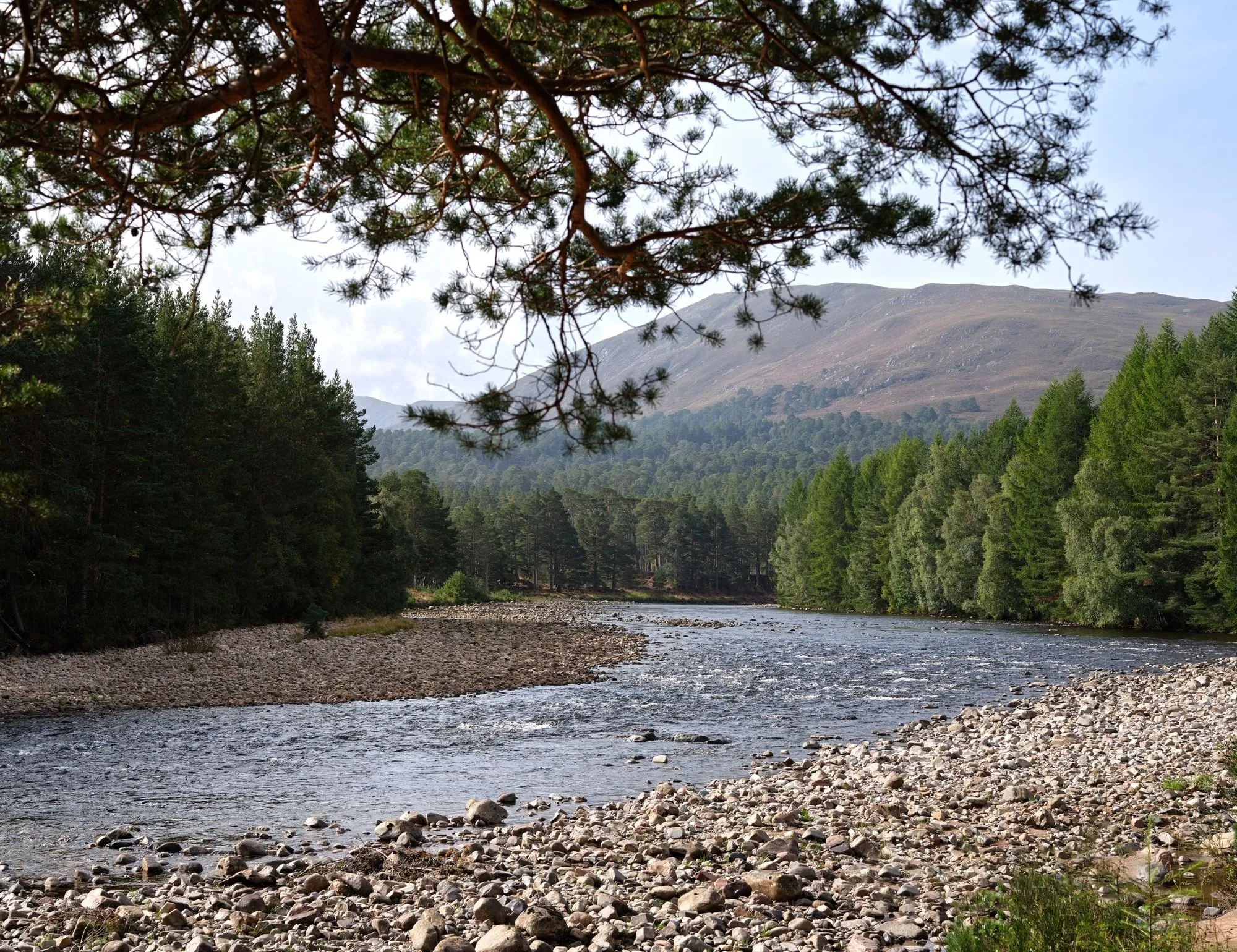
On the map
Braemar, United Kingdom
Questions
Frequently asked
Who owns The Fife Arms and why is the art collection so significant?
The Fife Arms is owned by Iwan and Manuela Wirth, co-founders of the international gallery Hauser & Wirth, who bought the derelict Victorian hotel in December 2014 and reopened it in 2018. Rather than commission generic hotel art, they installed a working collection of more than 16,000 paintings, antiques and objects, drawn partly from Hauser & Wirth's holdings, including pieces by Lucian Freud and Pablo Picasso alongside newly commissioned installations, so the hotel functions as much as a private museum as a place to sleep.
How many rooms does the hotel have and how different are they from each other?
There are 46 rooms and suites, each individually designed by Russell Sage Studio and grouped into distinct categories: compact Croft rooms styled on a traditional Scottish croft house, Nature and Poetry rooms built around Highland materials and verse by Alec Finlay, Scottish Culture rooms tied to real historical figures, and larger Scottish Heritage and Victoriana suites, plus a handful of one-of-a-kind spaces including an Artist's Studio and a hidden 'Secret Room'. No two rooms share the same design.
What is there to do at the hotel and in Braemar beyond the art?
The hotel's in-house team of Ghillies (Highland attendants) arrange guided Munro hikes, fishing on the River Dee, off-road Land Rover excursions, wild swimming and whisky distillery visits, including to Royal Lochnagar Distillery about 15 minutes away. Braemar itself sits inside the Cairngorms National Park, nine miles from Balmoral Castle, and hosts the Braemar Gathering, the Highland Games traditionally attended by the Royal Family, on the first Saturday of September.
Is The Fife Arms suitable for a short stopover or does it need a longer stay?
A single night is workable but undersells the property: between the scale of the art collection, the multiple dining rooms and bars, and the surrounding walking and fishing, most guests find two to three nights necessary to see the hotel properly and get out into the Cairngorms at least once. It also works well as a two or three night link between Edinburgh and the Speyside whisky region.
How does a guest get to The Fife Arms, and is there parking?
The nearest airport is Aberdeen, roughly 1hr 15min to 1hr 30min away by road via the A93 through Banchory; Edinburgh airport is about two hours by road. There are no direct rail or bus links into Braemar, so a hire car or a pre-booked transfer, which the hotel can arrange through reception, is the practical option. On-site parking is limited and not guaranteed, though valet parking, two EV charging points and free village car parks nearby are all available.
Same destination
More hotel guides in United Kingdom
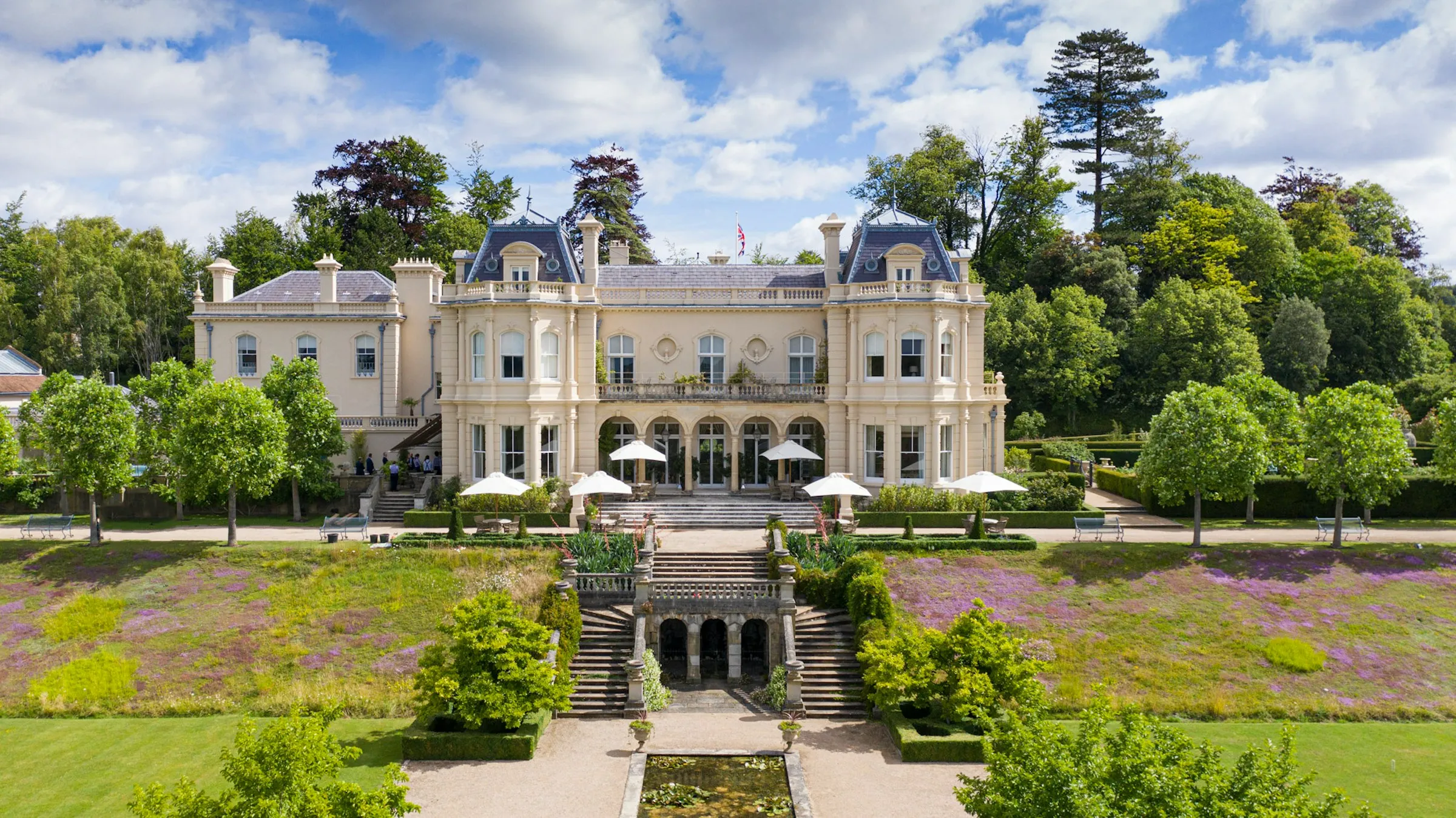
near Leatherhead, United Kingdom
Beaverbrook
A press baron's Surrey estate, once Churchill's wartime refuge, run today as one of England's most quietly assured country house hotels.
From £475 per night
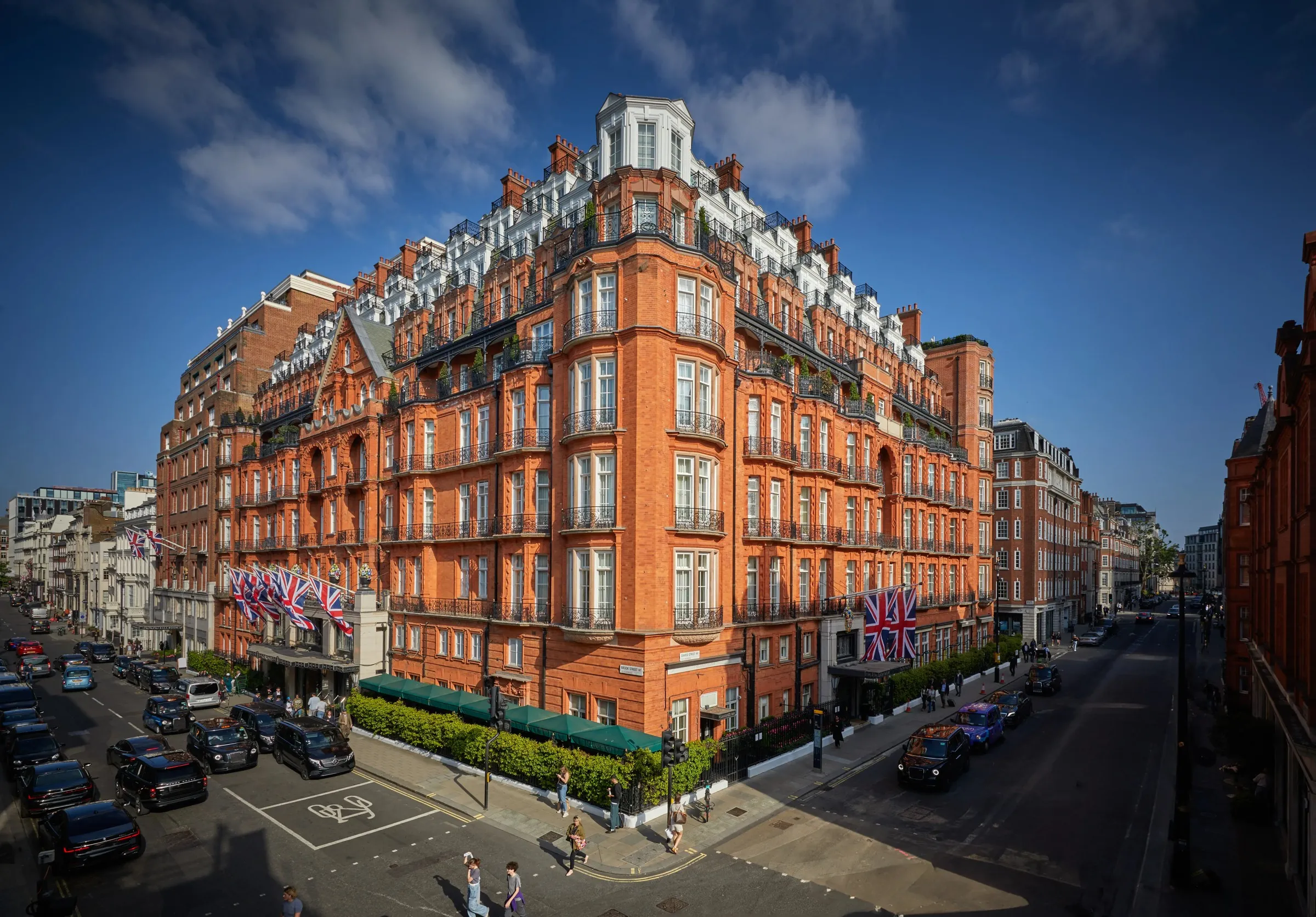
Mayfair, United Kingdom
Claridge's
A 1930s Art Deco time capsule on a Mayfair corner, still the most self-assured address in London.
From £950 per night
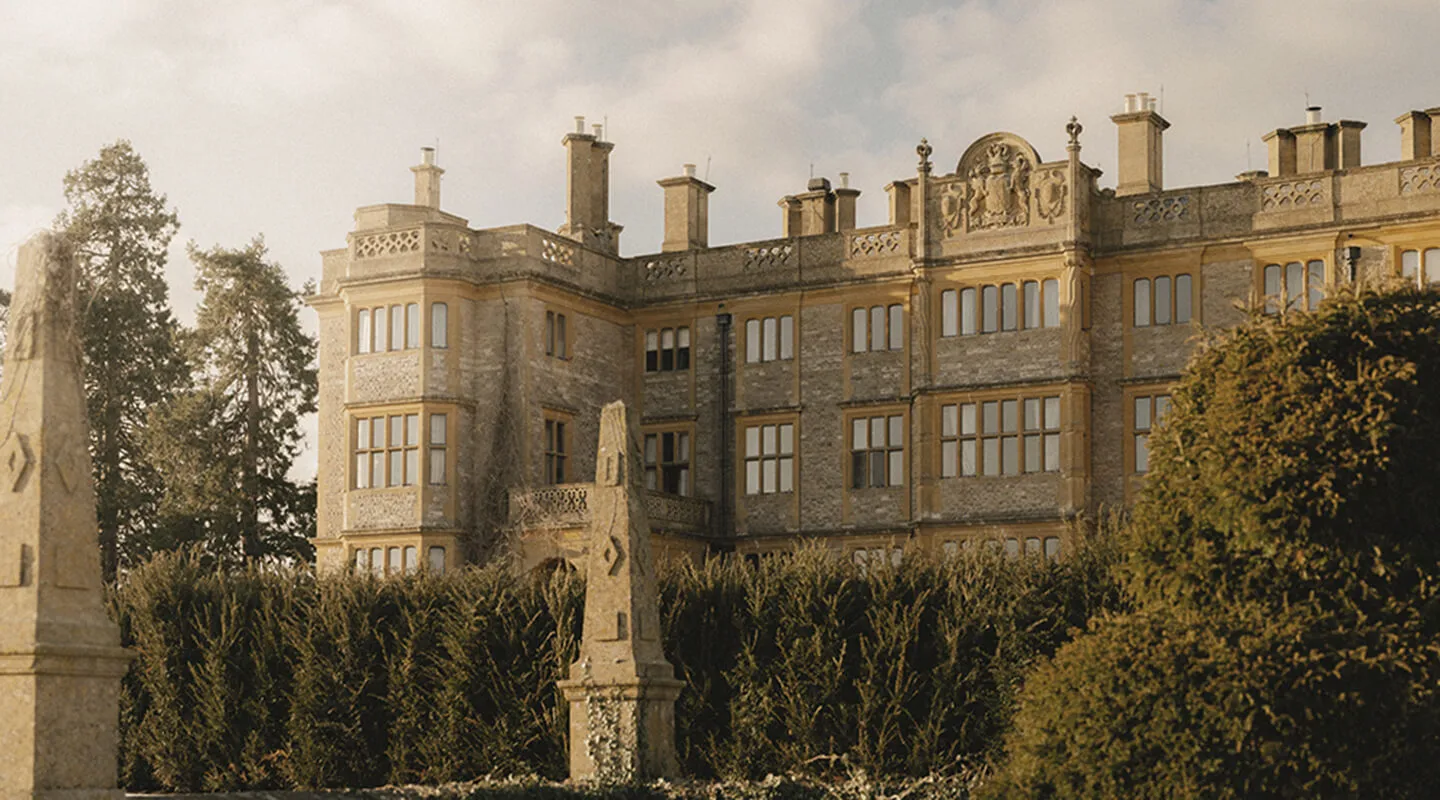
near Witney, United Kingdom
Estelle Manor
A Jacobethan manor turned country club, where a Roman-style bathhouse now sits where a police training centre once stood.
From £450 per night