near Bruton, United Kingdom
The Newt in Somerset
A 3,000-acre working Somerset farm with a hotel folded into it, where the garden, the cyder press and the kitchen all answer to the same clock.
- Rates from
- From £520 per night
- Nearest airport
- Bristol Airport (BRS)
- Transfer
- about 1hr by road
- Best months
- May to September for the gardens at their fullest, though the estate holds real appeal through a quieter, log-fire winter
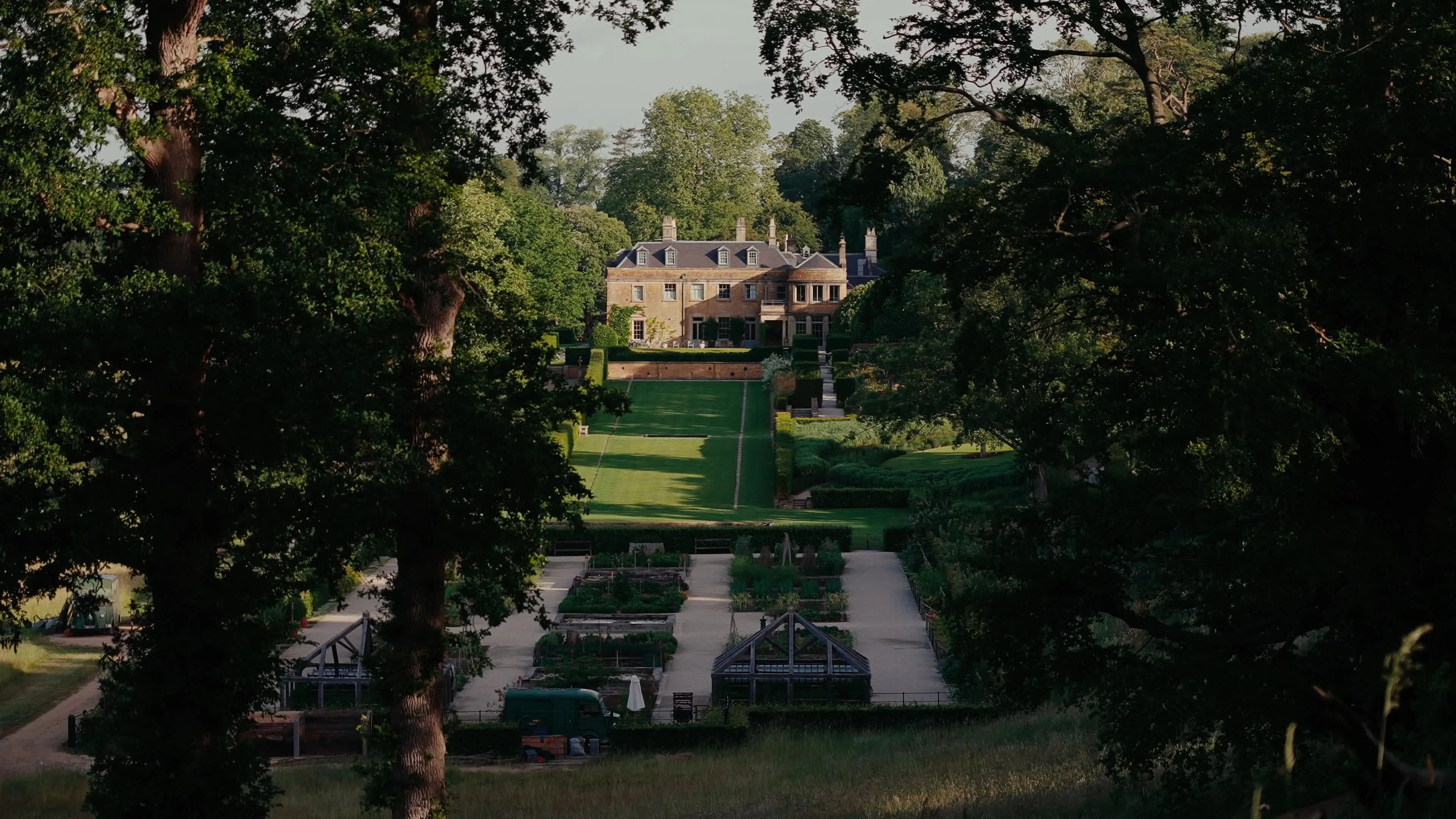
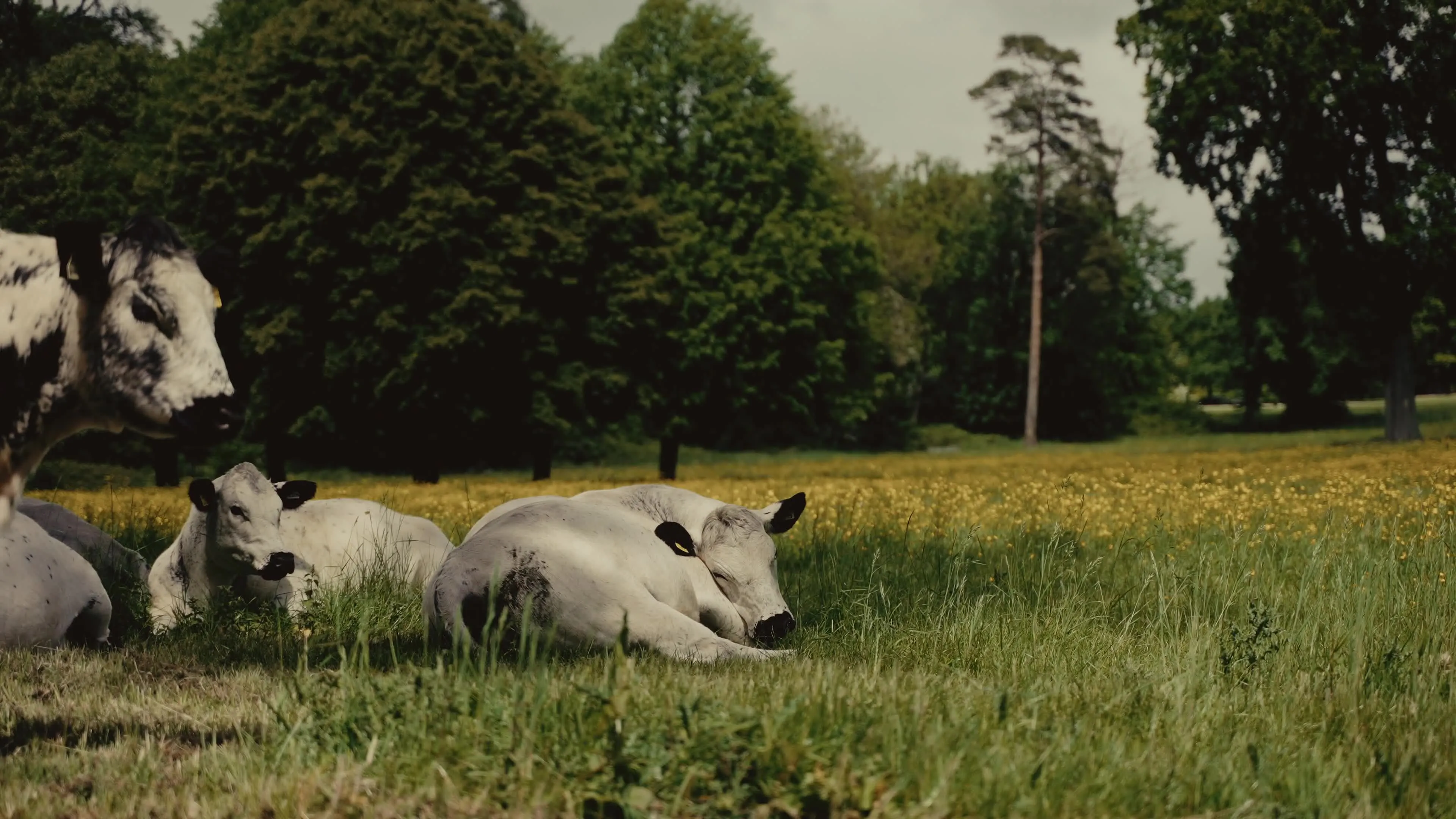
Between the Somerset market towns of Castle Cary and Bruton, down a lane that runs past cattle grazing under old orchard trees, a Georgian manor house sits at the centre of a working farm that has, almost incidentally, become one of England’s most talked-about hotels. There is no obvious signage announcing a change in status from farm to hotel, because in a meaningful sense there isn’t one: the walled kitchen garden that supplies the restaurant kitchen is the same one open to day visitors with a membership card, the apples pressed for cyder in the cellar are grown in the same orchards guests cycle through to reach their rooms, and the cows in the surrounding fields are the same herd whose milk turns up, eventually, on a cheese board. This is The Newt in Somerset, and its defining trick is refusing to separate the parts of an English country estate that most hotels of its type quietly edit out.
The estate takes its unusual name from the great crested newts discovered living on site during early renovation work, a population significant enough that the project was shaped around protecting their habitat rather than displacing it. That small accommodation, a hotel design brief bent to make room for an amphibian colony, says something true about the whole enterprise: The Newt is a place where the working land was never treated as backdrop, and where the luxury on offer is inseparable from the farm, orchard and garden that produce it.
Why It Stands Out
Country house hotels in England are not scarce, and a good number of them now lean on a walled garden, a spa in a converted outbuilding, and a menu that name-checks a kitchen garden somewhere on the grounds. What separates The Newt from that now-familiar formula is scale and follow-through: this is a genuinely large working farm, run as a farm, with a hotel, a museum, a cyder operation and a set of restaurants built into it rather than bolted onto it. The gardens are not a decorative amenity maintained for photographs; they are historically significant, actively researched, and farmed with over 350 vegetable and salad varieties that go directly into the kitchens. The cyder is not a gift-shop novelty but a genuine production operation, with its own cellar, press and heritage apple varieties. The museum on site is not a small interpretive room but a purpose-built, architecturally serious building given over entirely to the history of gardening.
The estate’s owners, Koos Bekker and Karen Roos, bring a direct point of comparison: the couple also own and built Babylonstoren, the celebrated farm hotel in South Africa’s Cape Winelands, and The Newt reads in many ways as that project’s English answer, applying the same instinct (a hotel grown out of a working farm rather than dropped onto one) to a very different landscape and a much older set of buildings. Bekker and Roos bought Hadspen House in 2013 and spent six years restoring the house, rebuilding the gardens and converting the surrounding farm buildings before opening in 2019, a long runway that shows in how settled and unhurried the finished estate feels rather than freshly unwrapped.
Architecture
Hadspen House is the estate’s architectural anchor: a Grade II* listed Georgian manor with a core dating to the 17th century, remodelled into its present Georgian form and built of local limestone that takes on a warm, faintly burnt-orange colour in low light. For more than two centuries it was the seat of the Hobhouse family, whose successive generations, most notably the garden designer Penelope Hobhouse, shaped the grounds long before the estate’s current owners arrived. That inherited weight of ownership is legible in the house itself: a restrained, classically proportioned building, more modest in scale than many English stately homes, built for a working family estate rather than for spectacle.
Around the house, the Stable Yard, an 18th-century coach house and stable complex, has been converted into further guest rooms without disguising its original purpose, and a short distance away the Farmyard occupies nine historic farm buildings, including a Grade II-listed Georgian farmhouse, converted by the architecture practice Richard Parr Associates into a further cluster of rooms and suites, a pool, a bar and an all-day kitchen. The conversion keeps the working proportions of barns and byres rather than dressing them up as something else, so the Farmyard reads as a converted farm first and a hotel wing second.
The most architecturally ambitious addition to the estate is The Story of Gardening, a purpose-built, roughly 1,000 square metre museum designed by Stonewood Design with exhibition design by Kossmanndejong. Rather than compete with the historic house, the building is deliberately understated from the outside: an in-situ concrete shell with poured resin floors, its principal facade formed by five-metre glass doors that part to mirror the treescape around it, so the structure recedes and the landscape stays the visual lead. It is a rare instance of a serious piece of contemporary architecture built specifically to explain the history of the grounds it sits within, rather than to house a hotel amenity.
Interior Design
Karen Roos, who led the interiors at Babylonstoren before turning her attention to Hadspen House, applies a similar sensibility here: restrained, classically informed spaces given texture through curated collections, botanical references and small, considered eccentricities rather than heavy decoration. Inside Hadspen House, the principal rooms, a Library, a Drawing Room, a Croquet Room and a series of sitting spaces, keep the scale and proportion of a lived-in Georgian family home, furnished with curious collections and botanical prints that nod to the gardens outside rather than importing an unrelated design language.
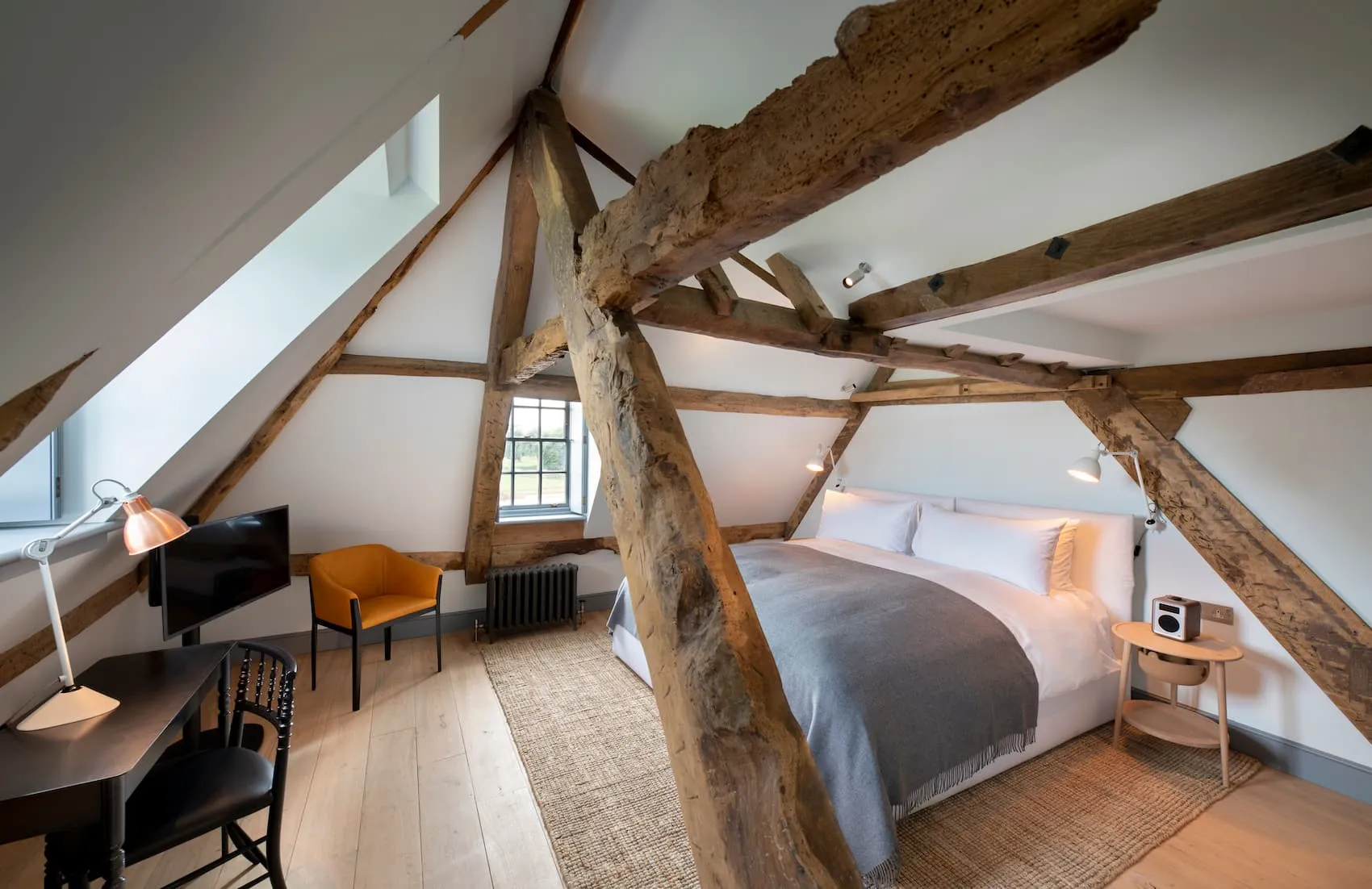
Bedrooms vary by which part of the estate they sit in, and the interiors follow the bones of each building rather than imposing a single house style across all of them. Rooms on the top floor of Hadspen House, once servants’ quarters, keep a modern farmhouse register: wood panelling, exposed beams, low vaulted ceilings and a soft, muted palette. Stable Yard rooms lean into their equestrian past, with converted horseboxes, a former granary and a former groom’s loft each keeping visible traces of what the building used to be, while the Clock House, an 18th-century coach house room with direct access to the spa, offers a slightly more polished, ground-floor alternative. Out at the Farmyard, rooms are generally larger and lighter, with four-poster beds, private balconies and, in some categories, their own steam rooms, reflecting the more spacious, barn-scaled buildings they occupy.
Atmosphere
What distinguishes The Newt from a hotel that merely borrows farm imagery is that the farm is genuinely working, and genuinely visible, throughout a stay. Guests share the grounds not only with each other but with day visitors and estate members who arrive specifically to walk the gardens, visit the farm shop or tour the Cyder Cellar, and with the estate’s own livestock, working orchards and beehives going about their business regardless of who is watching. The effect is closer to staying inside a large, well-run farm that happens to have a hotel folded into it than to staying at a hotel with farm-themed decor. Children run through the courtyards, dogs are a common sight, tractors occasionally cross the drive, and the overall register is unpretentious and productive rather than hushed and staged.
That said, the atmosphere shifts meaningfully depending on which part of the estate a guest is in. Hadspen House itself, with its Library and Drawing Room, keeps a quieter, more classically country-house mood suited to an early dinner and a fire. The Farmyard, with its pool, bar and Farmyard Kitchen, is livelier and more informal, popular with families and groups who want a shorter walk to the estate’s more active edges. The gardens themselves, especially early morning or at dusk once day visitors have left, offer the estate’s stillest and most private moments.
Rooms and Suites
Accommodation at The Newt is spread across three distinct clusters rather than a single wing of uniform rooms. Hadspen House itself holds 12 rooms, ranging from Hadspen Cosy Rooms with Georgian-inspired interiors to Hadspen Rooms with four-poster super-king beds and Hadspen Garden View Rooms looking directly over the gardens; sizes here run roughly from the mid-twenties to the mid-forties in square metres. The adjoining Stable Yard adds 11 further rooms across the converted coach house and stable buildings, including Stable Lofts and Stable Rooms set in former grooms’ and farriers’ quarters, The Granary with its futon-style bed, and the Clock House Room, notable for direct ground-floor access into the spa.
The Farmyard, roughly 15 minutes away by bicycle or 10 minutes by estate buggy through the cyder orchards, adds a further set of generally larger rooms and suites across its nine converted farm buildings: Farmyard Rooms with four-poster beds and twin sinks, Farmyard Rooms with private steam pods, The Stalls with a double rainfall shower and steam chamber, and The Apple Loft with its own balcony and steam room. Families and larger groups are better served by a small set of standalone and multi-room options: the Gate Lodge, an 85 square metre standalone cottage sleeping two adults and two children; Hayloft & Woolsack, a two-bedroom option for up to two adults and three children; and Room with a View, another two-bedroom layout for two adults and two children. Every room, regardless of cluster, arrives with a complimentary in-room larder and a chilled bottle of the estate’s own Winston cyder, a small but pointed reminder of what the farm actually produces. In 2026 the estate expanded its footprint further with Yarlington Lodge, a 16-bedroom private house in a second Somerset village nearby, extending the same working-estate model beyond Hadspen itself, though it operates as a distinct property from the rooms described here.
Dining
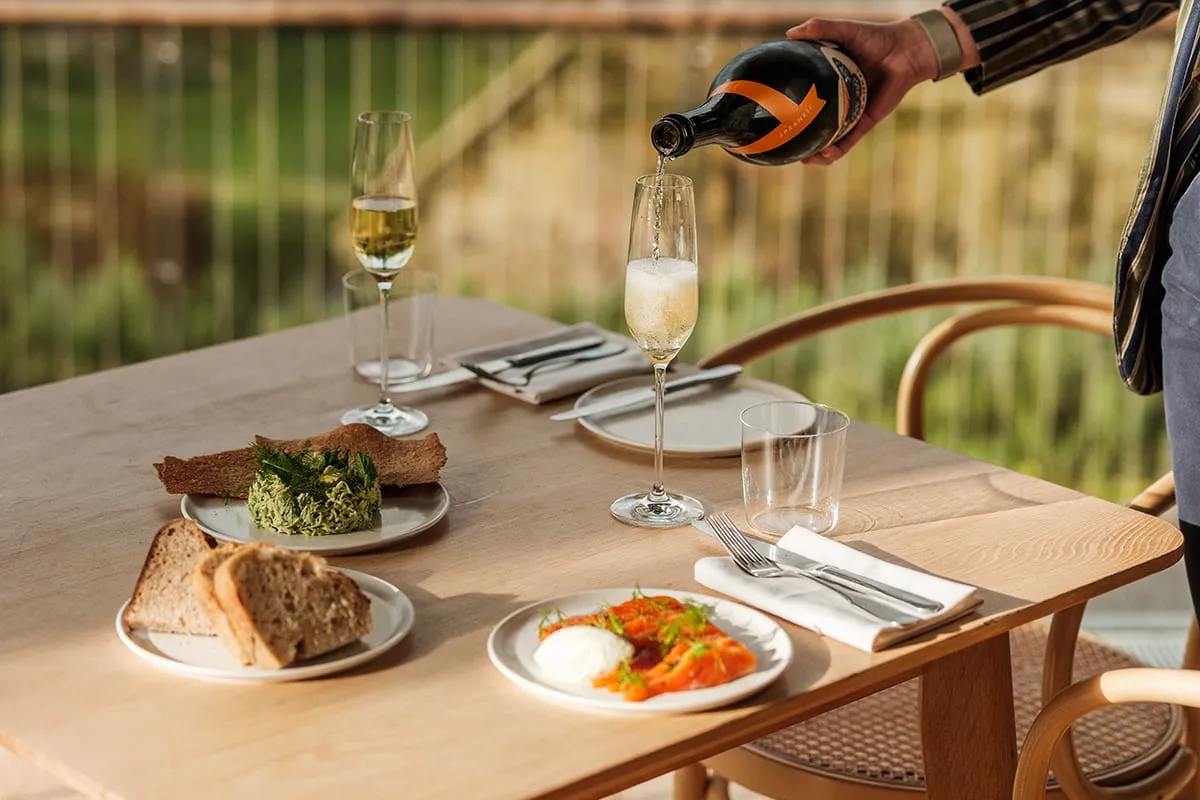
Food at The Newt is built, deliberately, around what the gardens and farm actually produce, and the estate cultivates more than 350 varieties of vegetables and salad crops specifically to keep its kitchens supplied through the seasons. Since 2025 that operation has been overseen by Gelf Alderson, appointed Head of Food across the estate’s restaurants, retail and production after twelve years at River Cottage under Hugh Fearnley-Whittingstall, where he rose from Head Chef to Culinary Director and became known for a Michelin Green Star-recognised approach to sustainable, seasonal cooking. His remit at The Newt spans every kitchen on the estate rather than a single flagship restaurant, working directly with the gardeners and growers to shape menus around what is actually ready to harvest.
The Botanical Rooms, set within Hadspen House itself, is the estate’s principal restaurant and its clearest window onto the Georgian house’s character. It comprises two connected spaces: the Glass Room, filled with orange trees and shrubbery in a lightly conservatory-like setting, and the more intimate Oak Room, the house’s original billiards room, kept with dried botanicals and leather banquette seating. The menu leans on British and specifically Somerset produce, much of it grown or foraged on the estate itself. Beyond the main house, The Garden Café serves the gardens themselves with lighter, more casual food for day visitors and guests moving between beds and borders, the Farmyard Kitchen offers shared-style dining suited to the Farmyard’s more relaxed register, and The Creamery, at Castle Cary Station, focuses on cheese and dairy produced closer to home. The estate’s most distinctive dining experience sits parked in the Creamery’s garden: The Maid of Somerset, a 1921 British Pullman railway carriage converted into a first-class afternoon tea salon, serving tea on Royal Crown Derby crockery amid neo-classical carriage decor. It does not go anywhere, and bookings need to be made at least 48 hours in advance.
Spa and Wellness
Wellness at The Newt centres on the Hadspen Spa, which offers an indoor-outdoor pool, sauna, steam room and a set of treatment rooms drawing directly on the botanical world just outside its doors. Treatments lean on botanical oils and aromatic ingredients grown on the estate, applied through facials and deep-tissue massages, alongside rituals that borrow from further afield: a rasul-inspired mud and steam treatment, and hammam-style sessions modelled on Moroccan bathing traditions. Guests staying in the Clock House Room have direct access into the spa from their room, a small but useful detail for anyone prioritising a treatment-heavy stay.
Beyond the treatment menu, the estate itself does much of the work of unwinding a guest: long, largely flat walking routes through the gardens and farmland, bicycles available to cover the wider grounds, and a working landscape quiet enough, outside peak visiting hours, to function as its own form of therapy. There is no separate, heavily marketed wellness programme layered on top of this; the spa exists as one part of a broader, slower rhythm the whole estate is built around.
Experiences
The gardens are the estate’s centrepiece, and their history predates the current owners by generations: shaped first under the Hobhouse family, including the influential 20th-century garden writer and designer Penelope Hobhouse, and later reworked by the colour-sequenced planting of Nori and Sandra Pope, whose work at Hadspen was well known in horticultural circles long before the estate became a hotel. At the core of the productive gardens sits the Parabola, a circular walled garden built around a maze of espaliered apple trees, planted in concentric rings and trained flat against wire supports, an unusual and genuinely striking piece of horticultural design rather than a simple orchard. Around it, the wider gardens run from formal borders to farmland and ancient woodland at the estate’s edges, the latter left deliberately less manicured as a habitat for native wildlife.
The Story of Gardening museum extends that horticultural focus into a full day’s diversion in its own right. Visitors leave their shoes at the entrance and move through the building’s themed Garden Rooms in socks, crossing grass, stone and traditional Japanese tatami mats underfoot as the exhibits trace roughly 2,000 years of gardening history, from the courtyards of the ancient world through Islamic and Chinese garden traditions to English landed estates and the rooftop gardens of contemporary cities. It is a multi-sensory, deliberately immersive approach to a subject more often reduced to a plant list, and it gives the estate’s garden obsession an intellectual backbone beyond the borders themselves.
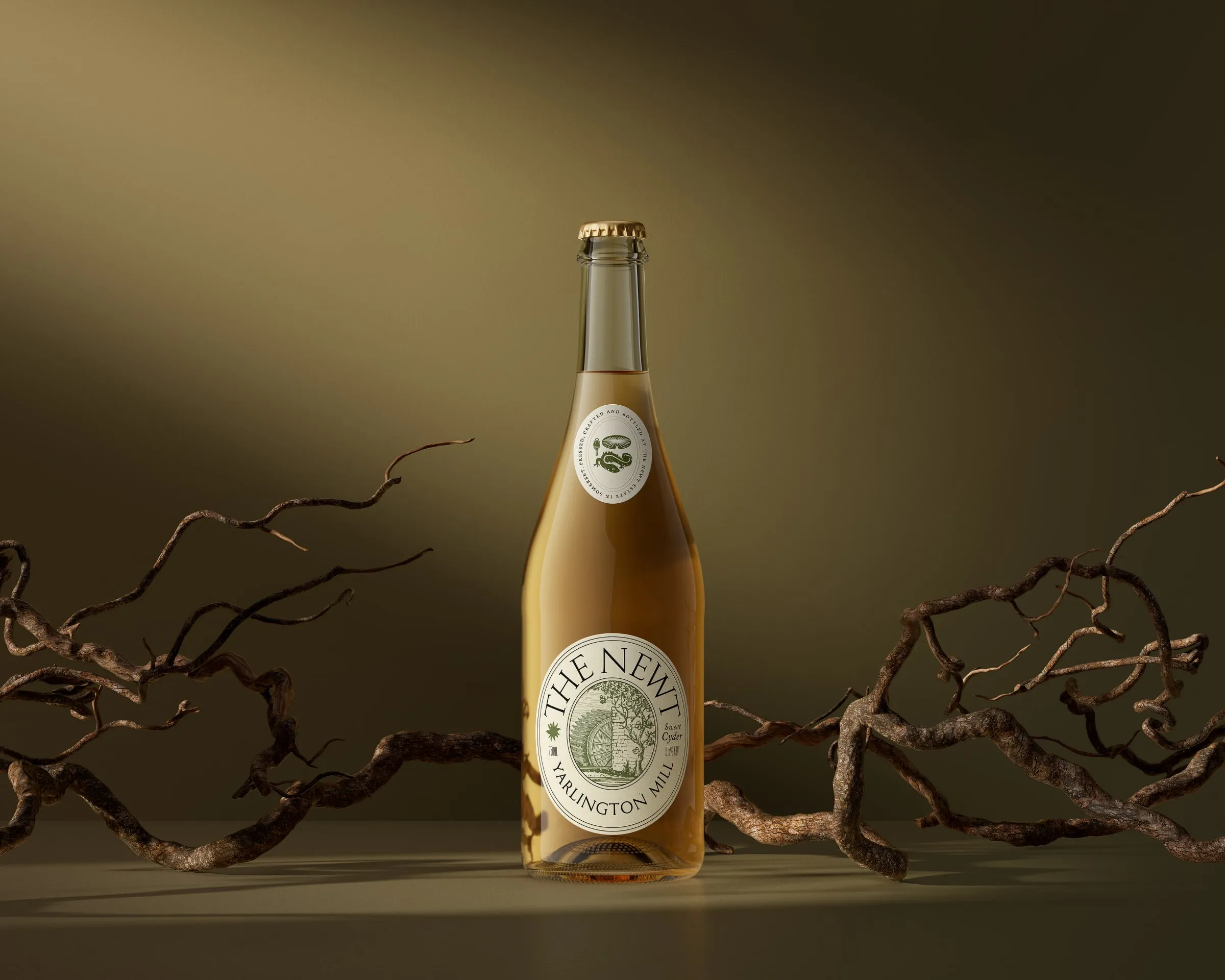
Below the gardens, the Cyder Cellar & Press turns the estate’s orchards into a genuine production operation: heritage Somerset apple varieties are pressed and slowly fermented on site, with guided tours explaining the process and tastings of the finished cyder, sold on through the attached farm shop. Estate life beyond the gardens includes the working farm itself, its livestock and orchards, guided walks, and a resident entomologist-led biodiversity programme that includes the Beezantium, a dedicated structure housing the estate’s bee colonies, which pollinate the gardens, orchards and farmland in turn. Seasonal workshops and events, tied to harvests, planting and the estate’s calendar rather than a fixed hotel activity sheet, round out what there is to do without ever leaving the grounds.
Who It Is For
The Newt suits travellers who want a country stay built around genuine grounds rather than a hotel with landscaping around it: keen gardeners, food-focused guests interested in where a meal actually comes from, and anyone drawn to architecture and restoration done with real historical weight behind it. Couples looking for a slow two or three night stay, moving between the gardens, the museum, the spa and the Botanical Rooms at an unhurried pace, are well served, as are families, thanks to the Gate Lodge and other multi-room cottages and the genuine amount of outdoor activity the working farm gives children to do.
It is less suited to a single overnight stop en route to somewhere else, since a one-night stay barely allows time to see the gardens, the museum and the farm without rushing, and the whole point of the estate is the accumulated experience of moving slowly through it. Travellers who want a resort in the conventional sense, with a single central restaurant, a fixed activity programme and grounds reserved exclusively for hotel guests, should also recalibrate expectations: the gardens, farm shop and museum are shared with day visitors and members throughout opening hours, which is part of what keeps the estate feeling like a working farm rather than a private stage set, but it does mean the grounds are rarely guest-exclusive.
Best Time to Visit
May through September brings the gardens to their fullest: the Parabola’s apple maze in leaf, the borders at their most planted, and long daylight hours that make the estate’s bicycles and walking routes especially rewarding. Early autumn adds its own specific draw, as the orchards come into harvest and the Cyder Cellar’s pressing season gets underway, giving visitors a chance to see the estate’s cyder production at its most active. Winter shifts the register entirely: the gardens are quieter and starker, day-visitor numbers drop, and the estate leans into log fires in the Library and Drawing Room, making it a genuinely different, more intimate kind of stay rather than simply an off-season visit to the same summer experience.
How to Get There
Bristol Airport (BRS) is the nearest international gateway, roughly an hour’s drive from the estate, with private transfers arranged directly through the hotel. London’s Heathrow Airport is a further option for international arrivals, at around two hours’ drive, again with a hotel-arranged transfer available for guests who prefer not to hire a car. By rail, mainline services from London Paddington, Bristol and Plymouth call at Castle Cary station, under 10 minutes’ drive from the hotel, and the estate can organise a station transfer for arriving guests. Guests driving themselves typically approach via the A303, one of the principal routes linking London and the West Country through Somerset.
Nearby Experiences
Bruton itself, a small Somerset town a short drive from the estate, has become a genuine cultural draw in its own right, anchored by Hauser & Wirth Somerset, a major contemporary art gallery set in converted farm buildings with its own well-regarded restaurant, the Roth Bar & Grill, and gardens designed by Piet Oudolf. Castle Cary, the market town nearest the estate’s own rail link, offers an easy, low-key stop for browsing independent shops and cafes. Further afield, Glastonbury and its Tor, one of the region’s best-known landmarks and pilgrimage sites, sit within a manageable drive, as does the city of Bath, whose Georgian architecture and Roman Baths make for a natural full-day excursion for guests staying multiple nights.
Things to Know Before Booking
Because the estate operates as both a working farm open to day visitors and members and a hotel, the gardens, farm shop, Cyder Cellar and Story of Gardening museum are not exclusive to overnight guests; expect other visitors on the grounds during opening hours, particularly on weekends and through peak summer months. Where a room is booked matters more here than at a typical hotel: Farmyard rooms sit roughly 15 minutes by bicycle or 10 minutes by estate buggy from the main house and its Botanical Rooms restaurant, which suits guests who want to be close to the pool and a more relaxed, family-friendly base, while Hadspen House and Stable Yard rooms keep guests closer to the principal restaurant, Library and Drawing Room. The Maid of Somerset afternoon tea carriage requires booking at least 48 hours ahead, and given the scale of the grounds, allowing at least two nights is strongly advised to see the gardens, museum and farm without rushing between them.
Sustainability
The Newt is run as a genuinely working 3,000-acre farm, and the estate frames its agricultural practice as circular: livestock and crops are managed to regenerate the same land they draw from, rather than as separate operations. No insecticides are used across the farmed land, supplementary feed and bedding for the estate’s cattle and dairy herd are grown on site rather than brought in, and the lambs raised on the estate are entirely grass-fed. Biodiversity monitoring runs as an ongoing programme rather than a one-off audit: a resident entomologist conducts an annual survey of species across the gardens and farmland, and that data directly informs where and what the estate plants. The Beezantium, home to the estate’s bee colonies, supports pollination across the gardens, orchards and crops, tying the estate’s wildlife conservation directly back into what ends up on the plate.
Practical Information
The Newt in Somerset sits in the hamlet of Hadspen, between the towns of Castle Cary and Bruton in Somerset, England. Check-in is from 3:00 PM and check-out by 11:00 AM, with earlier check-in available on request subject to availability. Rates begin from around £520 a night and vary considerably by room category, cluster and season, running up toward the higher end for the largest Farmyard suites and family cottages; rooms include a stocked in-room larder, a bottle of estate cyder on arrival, and access to the gardens and museum for the length of the stay. The nearest airport is Bristol (BRS), about an hour by road, with London Heathrow a further option at roughly two hours; Castle Cary station, under 10 minutes from the hotel, offers a direct rail alternative from London, Bristol and Plymouth. The gardens are at their fullest from May to September, though the estate holds distinct appeal through a quieter winter, and most guests are advised to allow at least two to three nights to take in the house, gardens, museum and farm at an unrushed pace.
Editorial Conclusion
The Newt in Somerset succeeds by refusing to treat its farm as scenery. The gardens that photograph so well are the same gardens supplying more than 350 varieties of vegetables to the kitchen; the cyder poured on arrival comes from the same orchards guests cycle through to reach the Farmyard; the museum that occupies a serious piece of contemporary architecture exists because the people who built the estate genuinely care about the history of gardening, not because a hotel needed one more amenity. That coherence, farm feeding kitchen, garden feeding museum, orchard feeding cellar, is rare in English country house hospitality and harder to fake than a good spa or a well-set dining room. For travellers willing to slow down and give it two or three unhurried nights, it delivers a version of the countryside that feels worked rather than staged, and a Georgian house that earns its restoration rather than simply wearing it.
In pictures
On the map
near Bruton, United Kingdom
Questions
Frequently asked
Is The Newt in Somerset just a hotel, or can non-guests visit too?
Both. The Newt operates as a working farm and garden estate that sells day visits and annual memberships alongside hotel rooms, so the walled gardens, farm shop, Cyder Cellar and Story of Gardening museum are open daily to day visitors and members as well as overnight guests. Hotel guests get complimentary access to the gardens and museum for the length of their stay, but should expect to share the grounds with a wider crowd rather than have them to themselves.
Where are the rooms, and how far apart are they?
Accommodation is split across three clusters. Hadspen House itself holds 12 rooms, the adjoining 18th-century Stable Yard holds 11 more, and the Farmyard, a converted group of historic farm buildings including a Grade II-listed farmhouse, adds a further set of larger rooms and suites roughly 15 minutes away by bicycle or 10 minutes by estate buggy through the cyder orchards. Guests booking a Farmyard room should factor in that short transfer to reach the Botanical Rooms restaurant and main house.
What is included in the room rate?
Rooms include a complimentary in-room larder, a chilled bottle of the estate's own Winston cyder on arrival, and access to the gardens, farm and Story of Gardening museum for the stay. Spa treatments, dining at the estate's restaurants, and experiences such as the Cyder Cellar tour are booked and charged separately.
Do I need a car to get to The Newt in Somerset, and once there?
A car or arranged transfer is the practical way to arrive: Bristol Airport is about an hour's drive, and the hotel can arrange a private transfer. Castle Cary, on the London Paddington to Exeter/Plymouth line, is under 10 minutes from the hotel and the easiest rail approach, again with a hotel transfer available. Once on the estate, distances between the house, Farmyard and gardens are walkable or coverable by the estate's bicycles and buggies, so a car isn't needed once checked in.
Is The Newt in Somerset suitable for families?
Yes. Alongside standard doubles, the estate offers larger, self-contained options built for families, including the Gate Lodge, a standalone cottage sleeping two adults and two children, and two-bedroom options such as Hayloft & Woolsack and Room with a View. The working farm itself, with its animals, orchards and bicycles, gives children a genuine amount to do outside the hotel's walls.
Same destination
More hotel guides in United Kingdom
near Leatherhead, United Kingdom
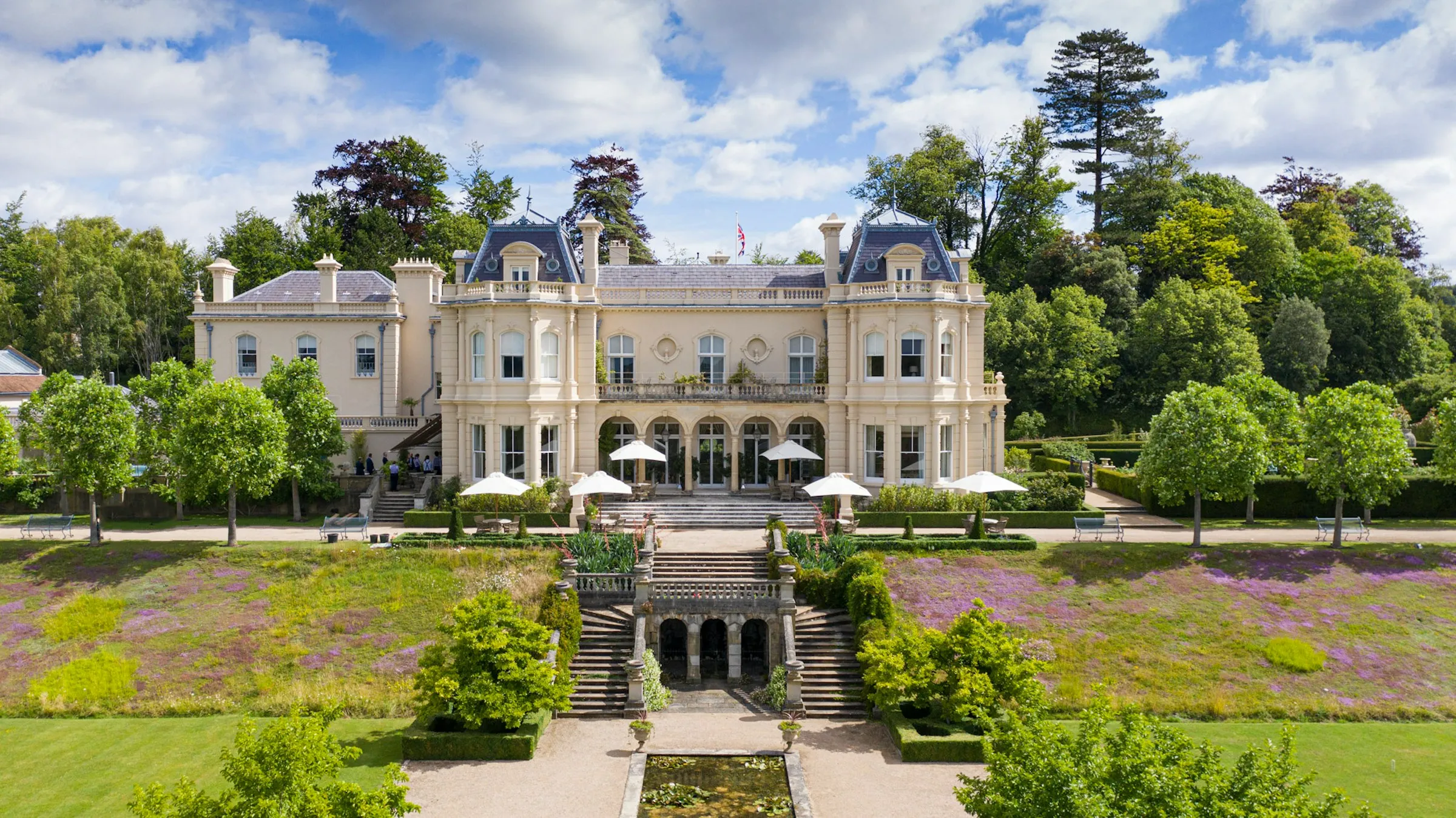
Beaverbrook
A press baron's Surrey estate, once Churchill's wartime refuge, run today as one of England's most quietly assured country house hotels.
From £475 per night
Mayfair, United Kingdom
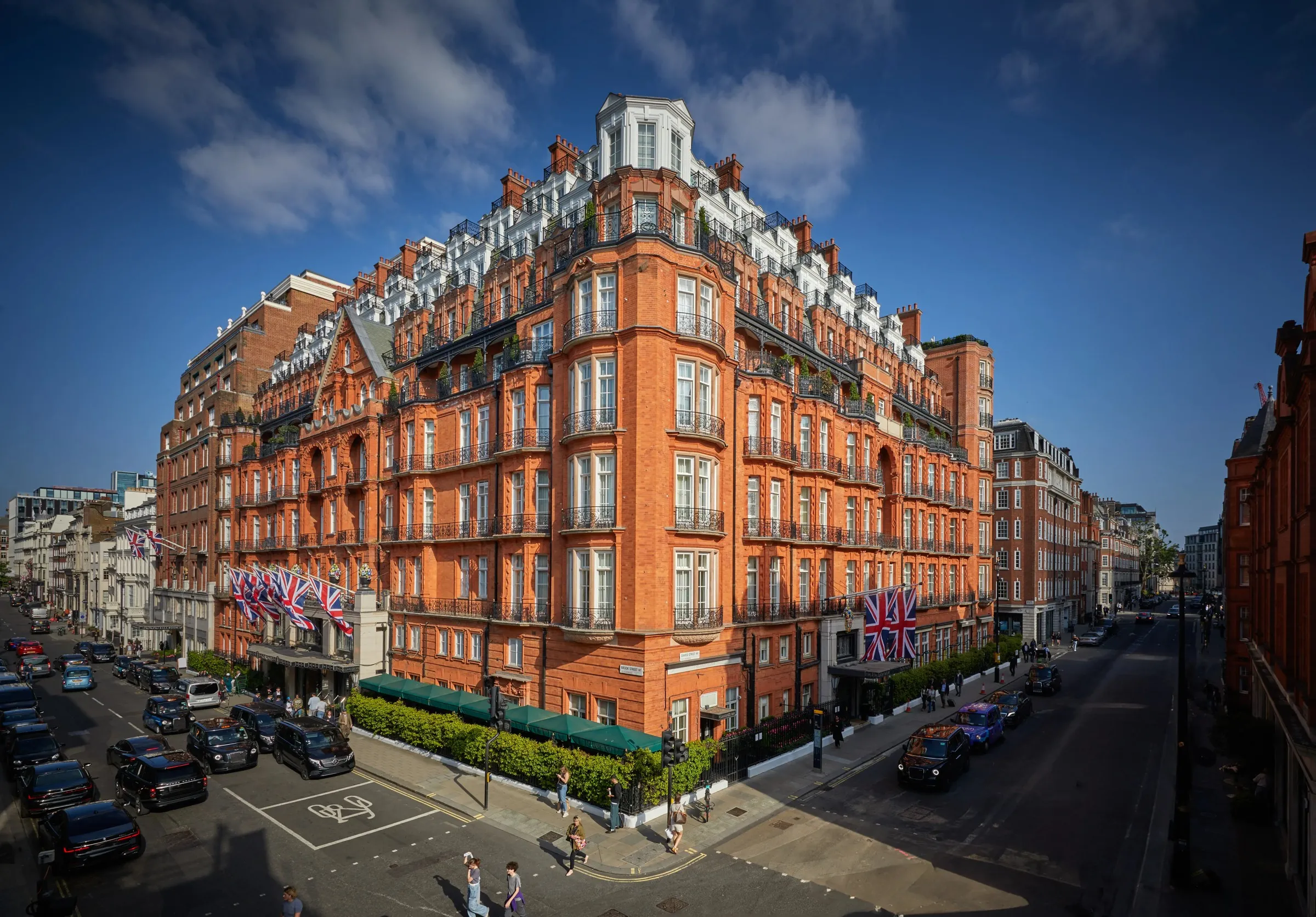
Claridge's
A 1930s Art Deco time capsule on a Mayfair corner, still the most self-assured address in London.
From £950 per night
near Witney, United Kingdom
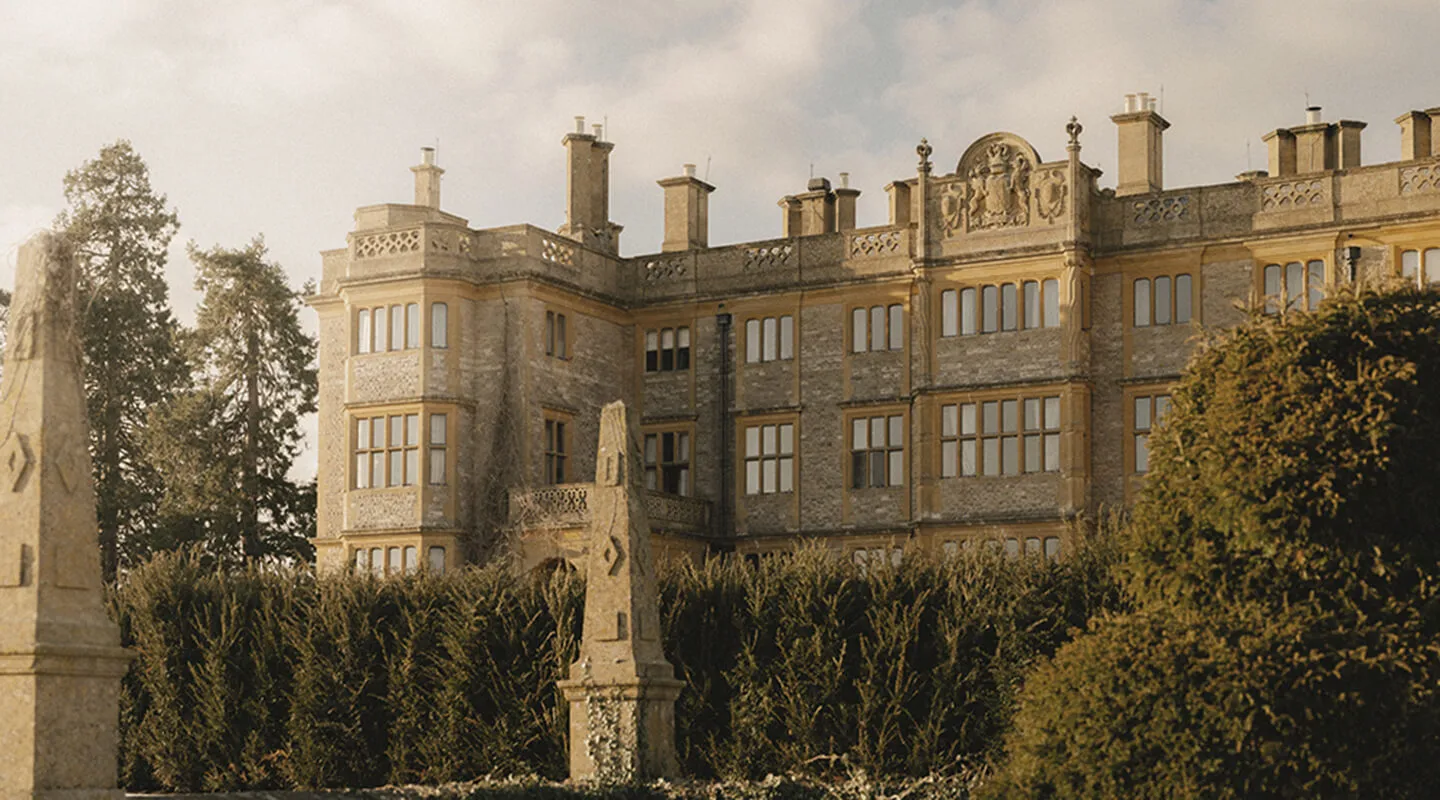
Estelle Manor
A Jacobethan manor turned country club, where a Roman-style bathhouse now sits where a police training centre once stood.
From £450 per night