Strand, United Kingdom
The Savoy
London's original luxury hotel, opened on the Strand in 1889 and returned to that standard by a meticulous 2010 restoration rather than a reinvention.
- Rates from
- From £750 per night
- Nearest airport
- London City Airport (LCY)
- Transfer
- About 30-45 minutes by car from London City Airport; roughly 45-60 minutes from Heathrow (LHR) depending on traffic, with the Heathrow Express to Paddington plus a taxi as a faster alternative at busier times
- Best months
- Year-round, with spring and autumn offering the most comfortable weather for walking the West End and December bringing the hotel's well-known Christmas decorations to the Thames Foyer entrance and forecourt
The Savoy did not simply open in 1889; it set terms the rest of the industry spent decades catching up to. Built by theatre impresario Richard D’Oyly Carte with the profits from his Gilbert and Sullivan productions, and designed by architect Thomas Edward Colcutt, it was the first hotel in Britain wired for electric light throughout, the first with electric lifts, and among the first anywhere to put a private bathroom behind most of its bedroom doors rather than down the corridor. It stood, and still stands, on the Strand, a few steps from the Savoy Theatre that gave it its name and its reason for existing in the first place.
That founding ambition is the throughline of the hotel’s history rather than a single opening-week flourish. Auguste Escoffier ran the kitchens and César Ritz managed the hotel in its first decade, a pairing that shaped the language of European luxury hospitality well beyond London. The building itself grew in stages, an Edwardian core joined in the 1920s and 1930s by an Art Deco river-facing wing, and by the time it closed for a three-year, top-to-bottom restoration in December 2007, the fabric of both eras needed careful, deliberate repair rather than replacement. It reopened on 10 October 2010 as The Savoy, A Fairmont Managed Hotel, its 267 rooms and suites, its restored glass-domed foyer and its two working bars returned to something closer to their original condition than they had been in decades. Today it operates under Fairmont, part of Accor, with the building itself held in a joint ownership between Qatar’s Katara Hospitality and Saudi Arabia’s Kingdom Holding Company.
Why It Stands Out
Few hotels anywhere can claim to have set the template for the category they now compete in, and the Savoy’s list of firsts, electric lighting throughout a British hotel, electric lifts, en-suite bathrooms as standard rather than exception, constant hot and cold running water, is not marketing embellishment but a matter of documented hospitality history. That claim to precedence still shapes how the hotel presents itself: less as a hotel with a long history and more as the origin point several long histories run through, including the modern cocktail bar and the modern hotel restaurant kitchen.
The 2010 restoration is the second reason the property holds its position. Rather than modernising the Savoy out of character, the £100 million project, led by designer Pierre-Yves Rochon working with ReardonSmith Architects, went to considerable lengths to recover original features that decades of incremental change had buried, most visibly the Thames Foyer’s glass dome, uncovered for the first time since the Second World War. The result reads as restoration rather than renovation, a distinction guests who care about authenticity tend to notice quickly.
The third is the American Bar, which is not a themed addition but the genuine article: the oldest surviving cocktail bar in Britain, operating from the same corner of the hotel since 1904 and carrying a documented lineage of bartenders and drinks that runs back to the 1890s.
Architecture
The Savoy’s architecture is best understood as two buildings joined into one working hotel rather than a single unified design. Thomas Edward Colcutt’s original 1889 structure, built over roughly five years and set back from the Strand behind a private forecourt, gave the hotel its Edwardian bones: the Front Hall, the grand staircase, and the proportions that still govern the hotel’s public rooms today. That forecourt is a minor piece of London infrastructure trivia in its own right, the only stretch of public road in Britain where vehicles are required to drive on the right, a rule that survives from the era of horse-drawn carriages needing to turn and set down passengers directly at the entrance.
The Art Deco wing facing the River Thames was added later, in the 1920s and 1930s, and gave the hotel its second architectural register, streamlined, geometric, and considerably more theatrical than the Edwardian front of house. The River Restaurant space, most of whose historic Art Deco detailing survived the decades largely intact, is the clearest expression of that period inside the building.
The 2010 closure and restoration treated both eras as worth preserving rather than choosing between them. ReardonSmith Architects handled the structural and services work needed to bring a Victorian and interwar building up to a contemporary luxury hotel’s operational standard, while Pierre-Yves Rochon’s design team focused on conservation and reinstatement, most notably uncovering the leaded glass dome above what was then the Thames Foyer, a feature that had been covered over since wartime blackout requirements and simply never reopened afterward.
Interior Design
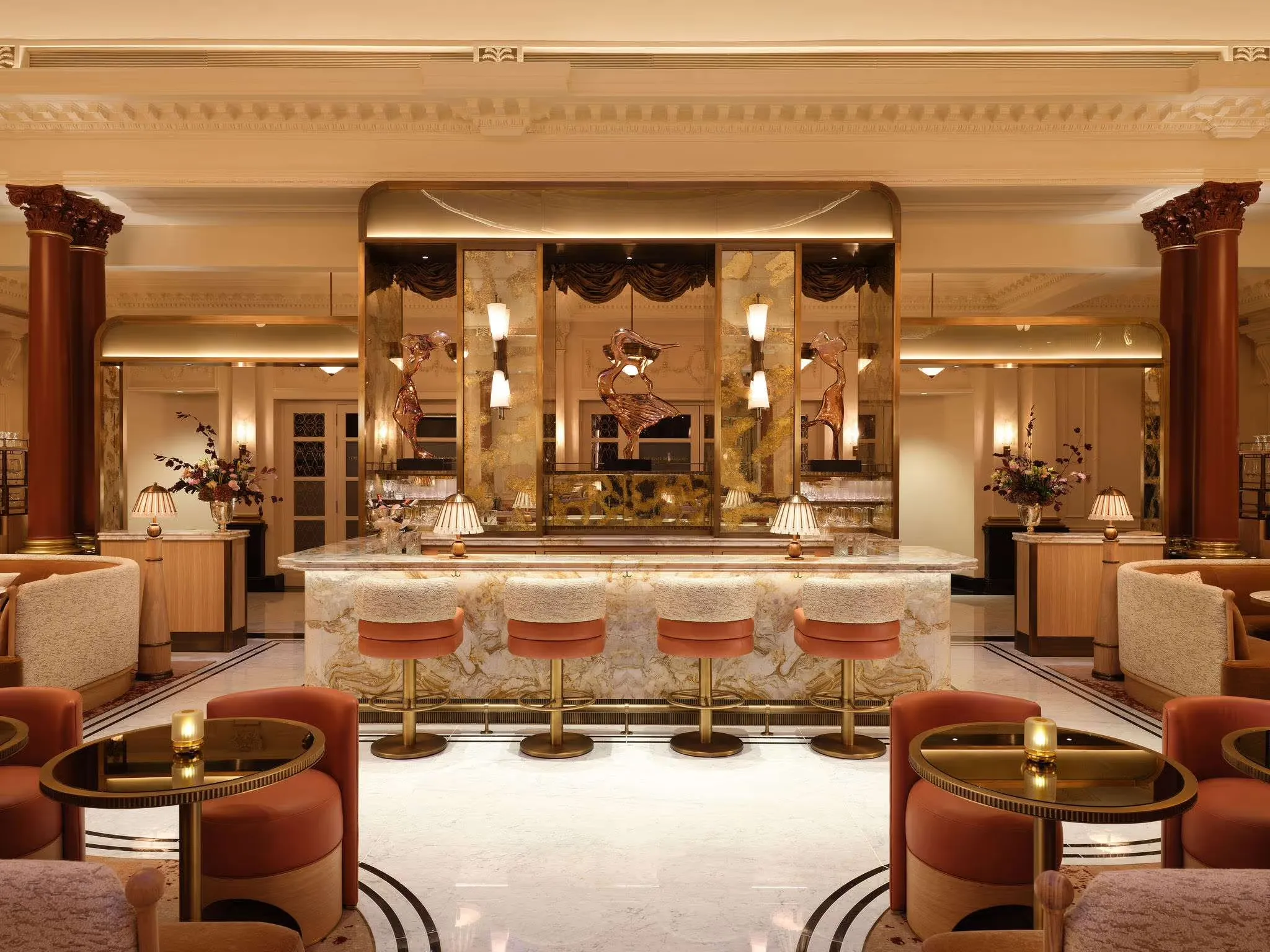
Rochon’s restoration drew a clear line between the hotel’s two architectural periods rather than blending them into a single house style. The Edwardian rooms and public spaces lean into their original materials and proportions, marble floors, ornate plasterwork, and the black-and-white chequerboard bathroom flooring that has become one of the hotel’s most photographed details. The Art Deco spaces, by contrast, keep their geometric lines, dark polished surfaces, and gold accents, an aesthetic register that reads as considerably more theatrical and nightlife-driven than the Edwardian side of the building.
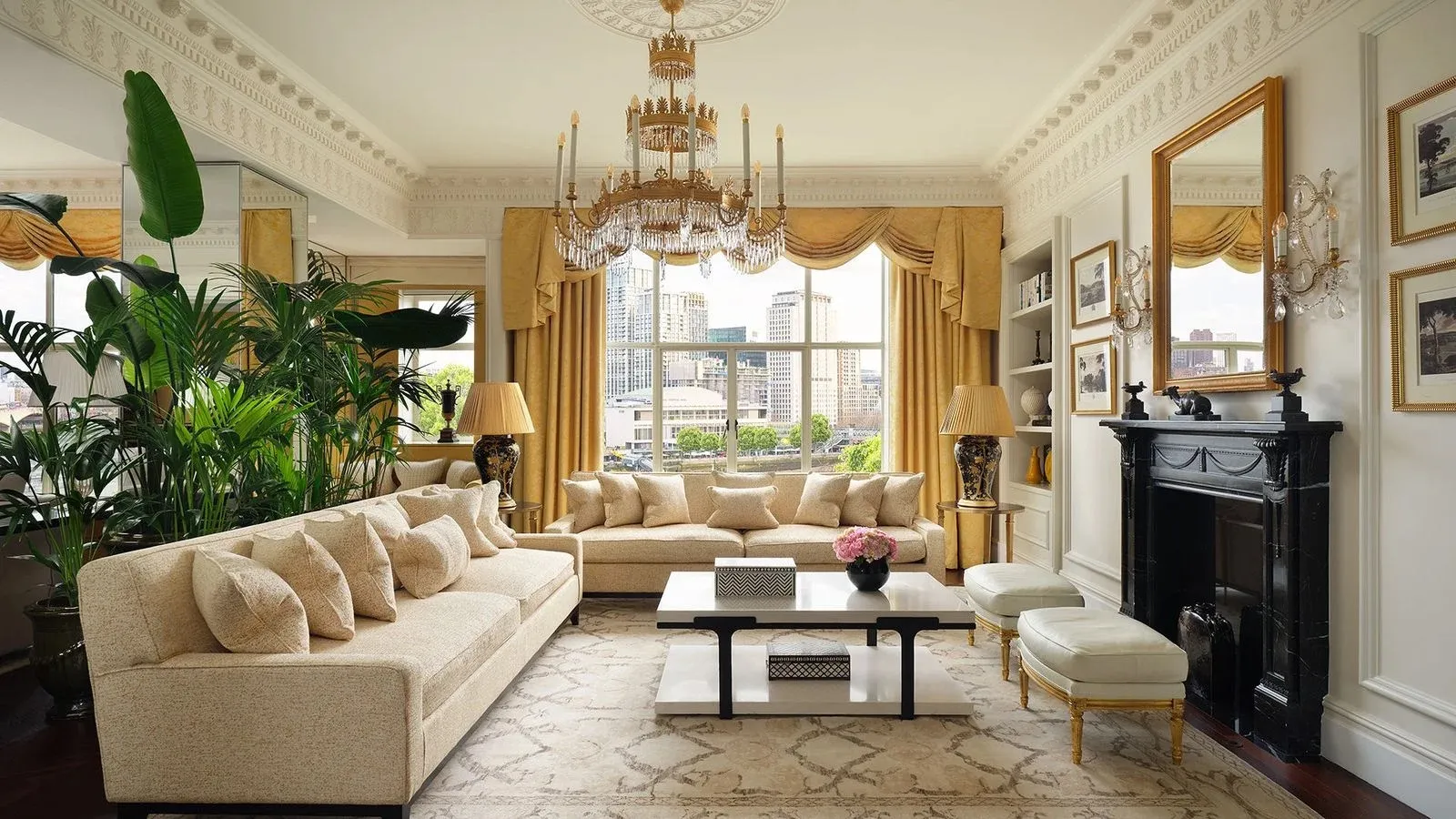
The nine Personality Suites, added during the 2010 restoration and named for guests closely associated with the hotel, Claude Monet, Winston Churchill, Maria Callas, Charlie Chaplin and Katharine Hepburn among them, are where that material investment is most concentrated. Ranging from roughly 68 to 80 square metres, they use Murano glass chandeliers, silk wall coverings, Italian linens and marble floors, with the five river-facing Edwardian suites looking out over the same bend of the Thames that reportedly drew Monet to paint from the hotel’s windows in the 1900s.
Atmosphere
The Savoy sits at a genuine crossroads of London’s identity: the Strand connects the legal and media world around Fleet Street to the theatre district of Covent Garden and the West End, and the hotel’s own front door opens almost directly onto the Savoy Theatre that gave it its name. That proximity is not incidental. The hotel was conceived from the outset as an extension of London’s theatrical and performance culture, and the atmosphere inside still carries a trace of that origin, a hotel built to host an audience rather than simply to shelter travellers.
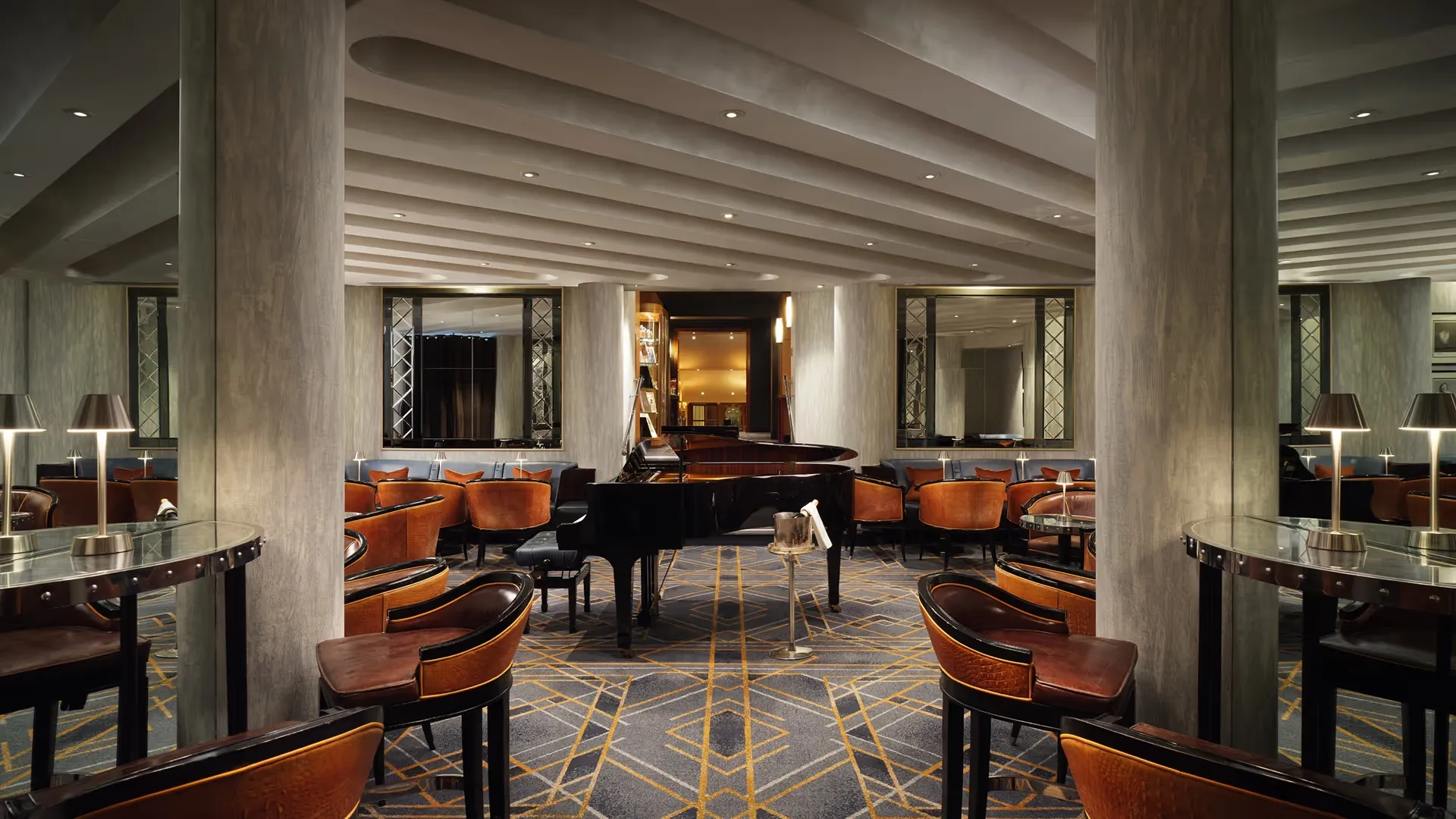
Inside, the register shifts by room. The Edwardian front of house and Gallery feel formal and unhurried, built for long breakfasts and slow afternoon teas under the restored dome. The American Bar and Beaufort Bar, by contrast, run on a livelier, more theatrical energy that picks up after dark, closer in spirit to the West End performances letting out a few streets away than to a conventional hotel lobby bar. Guests moving between the two registers within a single evening, tea in the afternoon, cocktails before a show, is closer to the hotel’s original intended rhythm than any single mood the property tries to hold throughout the day.
Rooms and Suites
The Savoy’s 267 rooms and suites are split across its two architectural wings, Edwardian and Art Deco, a distinction that affects the character of a room as much as its size or view. Entry-level categories, Superior Queen and Deluxe rooms in King, twin or double configurations, along with Luxury rooms that add a Garden View King option, sit largely on the Strand-facing side of the building. Family rooms, configured as two-bedroom layouts, cater to guests travelling with children who want more than a single connecting door between them.
Above the standard room categories, Junior Suites, roughly 45 square metres and available in either art deco or Edwardian styling, add a proper sitting area to the bedroom, in either a king or queen configuration. One Bedroom Suites step up further, with river-view and partial river-view options priced accordingly, followed by the Grand River Suite and Two Bedroom Terrace Suite for guests wanting genuinely substantial space overlooking the Thames.
At the top of the hierarchy sit the Savoy Suite, the Royal Suite, and the nine Personality Suites, the latter split between five river-facing Edwardian rooms and four set in the Art Deco wing, each named for and decorated around a guest whose association with the hotel became part of its own history. River-facing Personality Suite guests are assigned a dedicated Savoy Butler and typically receive additional perks such as a bottle of Champagne, one-way airport or station transfer, and valet pressing, benefits built around the hotel’s long-standing tradition of white-glove personal service rather than added as a modern loyalty perk.
Dining
Dining at the Savoy runs across several distinct venues rather than one flagship restaurant, a structure that reflects the building’s own layered history as much as current market positioning. Gallery, the hotel’s own all-day dining room set beneath the restored glass dome of what was historically the Thames Foyer, covers breakfast through dinner and hosts the Savoy’s well-known Afternoon Tea service, one of London’s most established. Scoff, a small scone shop just off the lobby, and In-Room Dining round out the hotel-operated side of the offering.
The three restaurants inside the building carrying Gordon Ramsay’s name are run by Gordon Ramsay Restaurants under a long-standing arrangement with the hotel. Savoy Grill, the oldest restaurant in the building, dating to the nineteenth century, keeps its Art Deco room and a menu of British and French-inflected classics under executive head chef Arnaud Stevens. The River Restaurant offers a more relaxed, all-day format built around fresh, seasonal and largely seafood-led dishes. Restaurant 1890, the newest of the three, is a tasting-menu-only room that pays direct tribute to Auguste Escoffier, the hotel’s own first head chef, and has held a Michelin star since 2024 alongside four AA rosettes, arguably the most direct modern link between the Savoy’s founding kitchen and its current one.
Spa and Wellness
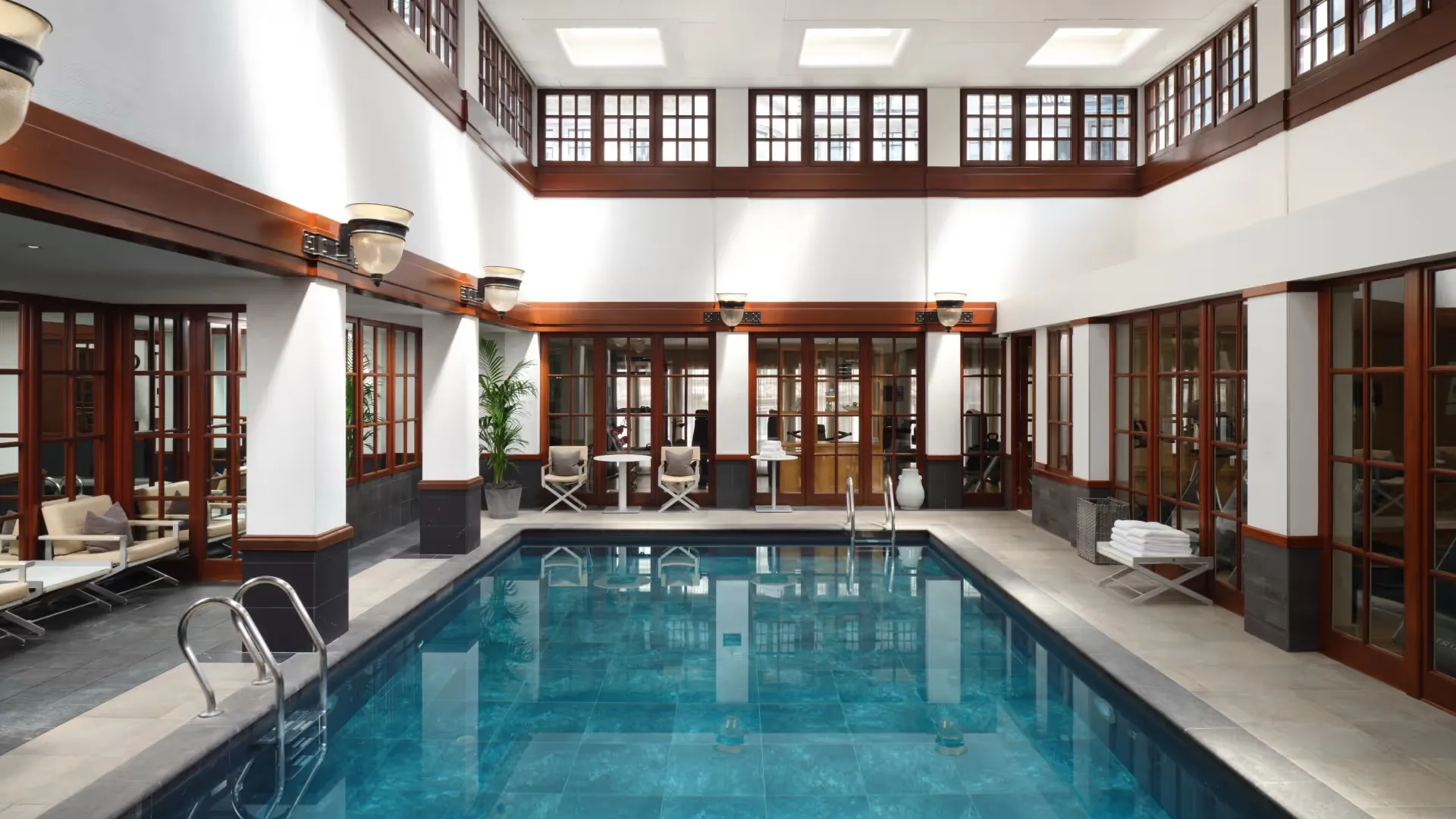
The Savoy’s Wellness facility centres on a heated, naturally lit atrium pool fitted with a jet-stream for resistance swimming, alongside a 24-hour gym equipped with Peloton bikes, free weights and cable machines for guests keeping to a routine while travelling. Sauna and steam rooms are available from 7am to 9pm on weekdays and 8am to 8pm on weekends and bank holidays, giving the space a working schedule closer to a private club than a typical hotel spa corner.
Treatments, delivered across three dedicated rooms between 10am and 6:30pm, draw on Natura Bissé skincare alongside La-Eva organic formulations and HydraFacial technology, covering everything from targeted massage to results-driven facial treatments. A personal training programme adds one-to-one sessions, in-room yoga or Pilates, and structured fitness plans for guests who want their workout routine managed rather than simply hosted. Both resident and non-resident memberships are available, a detail that signals the Wellness facility functions as a genuine, locally used club as much as a hotel amenity.
Experiences
No feature at the Savoy carries more documented weight than the American Bar. Cocktail service at the hotel dates to 1893, and the bar moved into its current room in 1904, making it the oldest surviving cocktail bar in Britain and one of the most influential anywhere. Ada Coleman, who ran the bar from 1903, created the Hanky Panky, still on the menu today, and Harry Craddock, who took over in the 1920s, compiled The Savoy Cocktail Book in 1930, a text still treated as a foundational reference across the trade. The bar’s modern-era reputation is equally well established: it was voted World’s Best Bar at the World’s 50 Best Bars awards in 2017 and again at Tales of the Cocktail in 2018.
The Beaufort Bar, a short walk from the American Bar, occupies the black-and-gold Art Deco room built on the footprint of the hotel’s former cabaret theatre, and leans into that heritage with a later-evening programme built around Champagne, caviar and cocktails rather than the American Bar’s broader all-day service. Between the two, guests get a genuine choice of register on a single evening out, a working piece of cocktail history on one side of the lobby and a more theatrical, nightlife-driven room on the other.
Beyond the bars, the hotel’s proximity to the Savoy Theatre and the wider West End gives guests a straightforward way to build an evening around a show, dinner at one of the Ramsay restaurants or Gallery beforehand, cocktails at either bar after curtain, all without leaving a five-minute radius of the front door.
Who It Is For
The Savoy suits travellers who want London’s theatre district and its river frontage in the same address, and who value a hotel’s documented history as much as its current design credentials. Couples marking an anniversary, guests building a trip around a West End show, and anyone whose idea of a proper hotel stay includes a serious cocktail bar and a formal afternoon tea will find the property built almost precisely around those interests.
It is a less natural fit for travellers prioritising contemporary minimalism over historic character, or for anyone wanting a quieter, more residential corner of London; the Strand is a genuinely central, busy address, and the hotel’s public rooms are built for a certain amount of theatre, in both senses of the word, rather than retreat. Families are accommodated with two-bedroom rooms and a central location for sightseeing, though the atmosphere skews more toward couples and business travellers than toward a resort-style family stay.
Best Time to Visit
London’s grand hotels, the Savoy included, work on a genuinely year-round basis rather than a defined high season tied to weather. Spring and autumn offer the most comfortable temperatures for walking between Covent Garden, the West End and the river, while summer brings the longest days and the busiest tourist calendar, with theatre and restaurant bookings worth securing well ahead. December carries its own draw, with the hotel’s Christmas decorations around the forecourt and Thames Foyer entrance forming part of the wider West End festive season, though rates and demand both rise accordingly over the holiday weeks.
How to Get There
London City Airport, roughly 30 to 45 minutes away by car depending on traffic, is the closest by distance and suits business and short-haul European arrivals. Most long-haul visitors arrive through Heathrow, where the Heathrow Express to Paddington followed by a short taxi ride is generally the more reliable route into central London during peak travel times, with the full journey typically taking 45 minutes to just over an hour door to door; a direct road transfer is available but subject to the same traffic variability as any central London drive. Gatwick, further out and used mainly for leisure and charter routes, adds meaningfully more transfer time by road or rail.
Within London itself, the hotel sits a short walk from both Charing Cross and Waterloo mainline and Underground stations, making it a practical base for guests arriving by train from elsewhere in Britain or continental Europe via St Pancras and the Eurostar.
Nearby Experiences
Covent Garden’s piazza, with its market building, street performers and the Royal Opera House, sits roughly five minutes on foot to the north, and most of the West End’s core theatre cluster, Shaftesbury Avenue, Drury Lane and the streets around it, falls within a ten to fifteen-minute walk. The Savoy Theatre itself is essentially next door, a direct legacy of the hotel’s founding purpose.
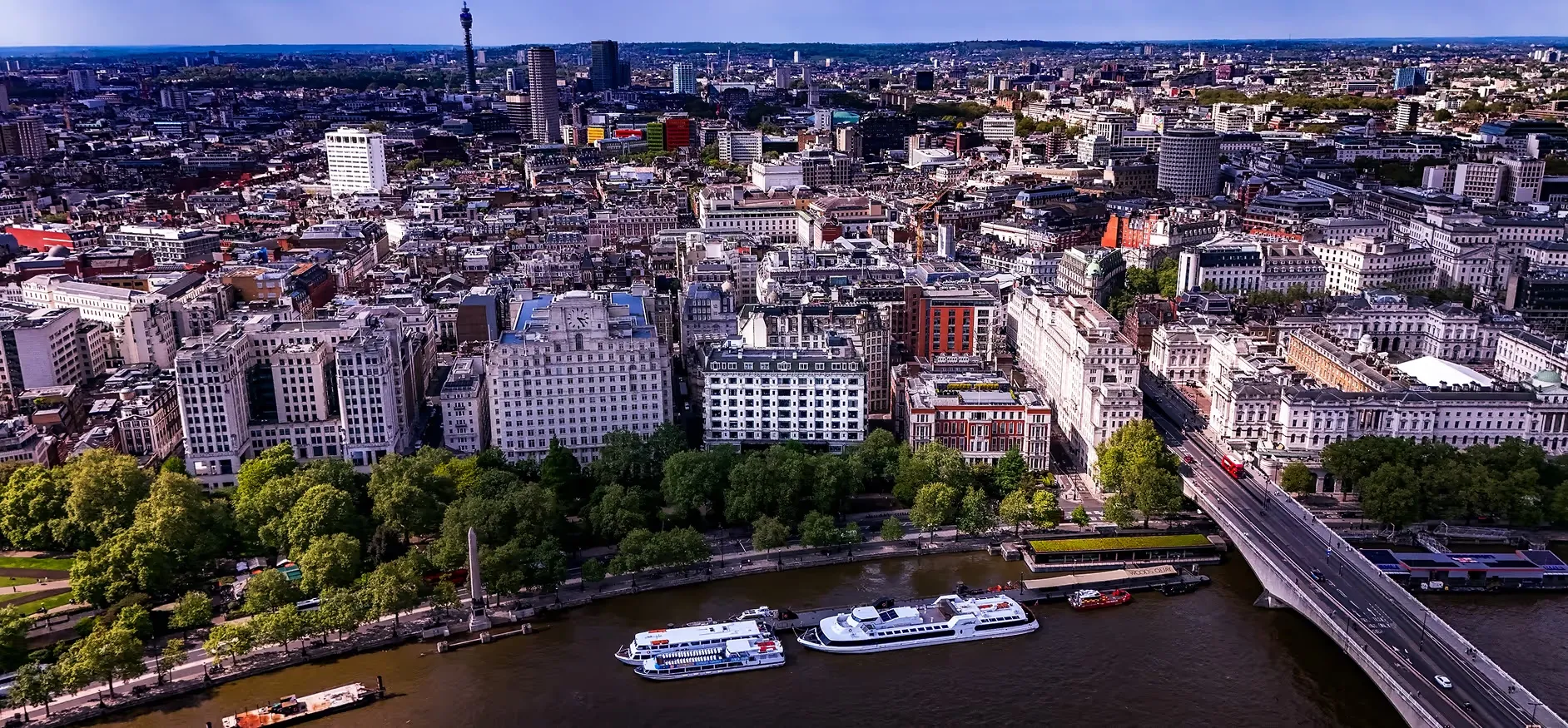
The River Thames runs immediately alongside the hotel’s Art Deco wing, with Waterloo Bridge a short walk east and Somerset House, home to rotating art exhibitions and a winter ice rink in its courtyard, a similarly brief walk in the other direction. Trafalgar Square and the National Gallery sit within an easy ten-minute walk west, putting a significant share of central London’s cultural landmarks within comfortable range of the hotel without requiring transport.
Things to Know Before Booking
The Strand address that makes the Savoy so convenient for theatre and river sightseeing also makes it one of central London’s busier, more traffic-heavy streets, worth factoring in for guests sensitive to city noise even from upper-floor rooms. Room categories vary meaningfully by wing, Edwardian rooms tend toward classic proportions and detailing, Art Deco rooms toward a more streamlined, geometric feel, and it is worth specifying a preference at booking rather than assuming uniformity across the property. River views carry a significant premium and are concentrated in specific categories, including the five river-facing Personality Suites, so confirming the view category explicitly is worth the extra step for guests for whom it matters. Finally, the hotel’s three Gordon Ramsay restaurants and its Afternoon Tea service are popular well beyond hotel guests, and reservations, particularly for Restaurant 1890 and Afternoon Tea, are worth securing before arrival rather than on the day.
Sustainability
The Savoy operates within Accor’s Planet 21 sustainability framework and holds a Gold Award from Green Tourism for London, alongside membership of the Considerate Hoteliers Association. Practical measures include diverting all hotel waste from landfill toward recycling or renewable energy recovery, energy-efficient lighting and smart motion detectors across guest rooms, an optional rather than automatic daily linen change, and a food waste programme that converts kitchen waste from the hotel’s restaurants into renewable energy.
On the sourcing side, the hotel’s kitchens work with suppliers prioritising local, fresh and seasonal produce, and the property has partnered with ecoSPIRITS, a low-carbon, low-waste distribution system for spirits and wine that the initiative’s own figures put at reducing associated carbon emissions by around 90 percent compared with conventional bottle distribution. As with most single-property sustainability claims, an independent, third-party audit of the hotel’s full environmental footprint, covering energy use, water, and the entire supply chain beyond these named programmes, is not publicly available, so this guide describes only the specific, documented initiatives rather than extending them into a broader claim about the building’s overall footprint.
Practical Information
Rates at the Savoy start from around £750 per night for an entry-level room, rising through the suite categories to the Personality Suites, the Savoy Suite and the Royal Suite at the top of the range. Check-in is guaranteed from 3:00pm and check-out is at 12:00 noon, with early check-in or late check-out available on request, subject to availability and sometimes an additional charge.
The nearest airport by distance is London City (LCY), roughly 30 to 45 minutes away by car, with Heathrow (LHR) serving as the primary long-haul gateway at around 45 minutes to just over an hour via the Heathrow Express and a short taxi transfer. Most stays run two to three nights, enough time for a proper Afternoon Tea, an evening at one of the Ramsay restaurants or Gallery, a show at the Savoy Theatre or elsewhere in the West End, and at least one unhurried round of cocktails between the American Bar and the Beaufort Bar.
Editorial Conclusion
The Savoy’s case rests on a claim few hotels can genuinely make: that it did not simply adopt the conventions of modern luxury hospitality but helped invent several of them, from electric light and en-suite bathrooms in 1889 to a cocktail bar whose 1904 room still operates today. The 2010 restoration mattered precisely because it treated that history as worth recovering rather than replacing, uncovering the Thames Foyer’s dome, preserving the Art Deco River Restaurant detailing, and adding the Personality Suites as a considered extension of the building’s story rather than a break from it. For travellers who want London’s theatre district and river frontage from one of the addresses that shaped how the entire category works, and who are willing to pay for a level of documented pedigree rather than novelty, the Savoy remains a difficult case to argue against.
In pictures
On the map
Strand, United Kingdom
Questions
Frequently asked
Is the current Savoy building the original 1889 hotel, or was it rebuilt?
It is the original building, expanded over the decades that followed with an Art Deco river-facing wing added in the 1920s and 1930s, not a reconstruction. The hotel closed for three years from December 2007 for a top-to-bottom restoration led by designer Pierre-Yves Rochon and ReardonSmith Architects, reopening on 10 October 2010. The work restored and conserved the existing Edwardian and Art Deco fabric, including uncovering the Thames Foyer's glass dome for the first time since the Second World War, rather than replacing it with new construction.
What is the difference between the American Bar and the Beaufort Bar?
The American Bar is the hotel's historic cocktail bar, tracing its cocktail service back to 1893 and its present room to 1904, generally open through the day into the evening for classic and original cocktails. The Beaufort Bar sits nearby in a black-and-gold Art Deco room built on the footprint of the hotel's old cabaret theatre, and operates later in the evening with a Champagne and caviar-led menu. Both are separate, bookable venues rather than one bar under two names.
Which restaurants at the Savoy are run by Gordon Ramsay, and which aren't?
Gordon Ramsay Restaurants operates three dining rooms inside the hotel: Savoy Grill, the River Restaurant, and Restaurant 1890, which holds a Michelin star. Gallery, the all-day dining room that also serves the hotel's afternoon tea beneath the restored Thames Foyer dome, and Scoff, a scone shop off the lobby, are run directly by the hotel rather than by the Ramsay Restaurants group.
How far is the Savoy from Covent Garden and the West End theatres?
Covent Garden's piazza is roughly a five-minute walk north of the hotel, and the Savoy Theatre, the venue the hotel was originally built to serve, sits directly alongside it with an internal connection historically used by theatregoers. Most West End theatres cluster within a ten to fifteen-minute walk, making the hotel one of London's most theatre-convenient addresses for a pre- or post-show stay.
What's the nearest airport, and how do you get to the Savoy from Heathrow?
London City Airport is the closest by distance, roughly 30 to 45 minutes away by car depending on traffic, and suits travellers arriving on short-haul or business routes. Heathrow, used by most long-haul arrivals, is the more common gateway; the Heathrow Express to Paddington followed by a taxi is usually faster than a direct road transfer at peak times, with the full journey typically running 45 minutes to just over an hour.
Same destination
More hotel guides in United Kingdom
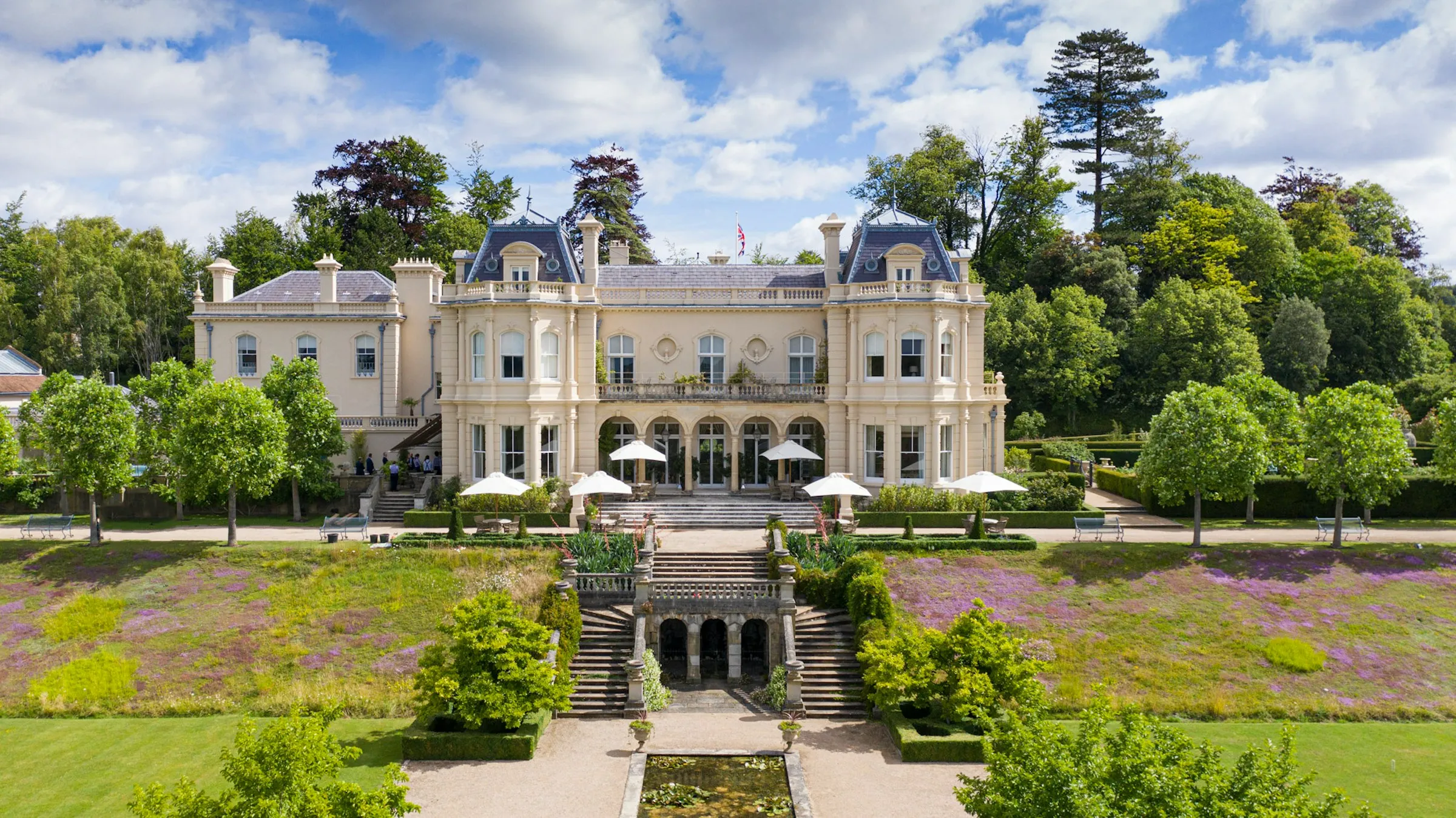
near Leatherhead, United Kingdom
Beaverbrook
A press baron's Surrey estate, once Churchill's wartime refuge, run today as one of England's most quietly assured country house hotels.
From £475 per night
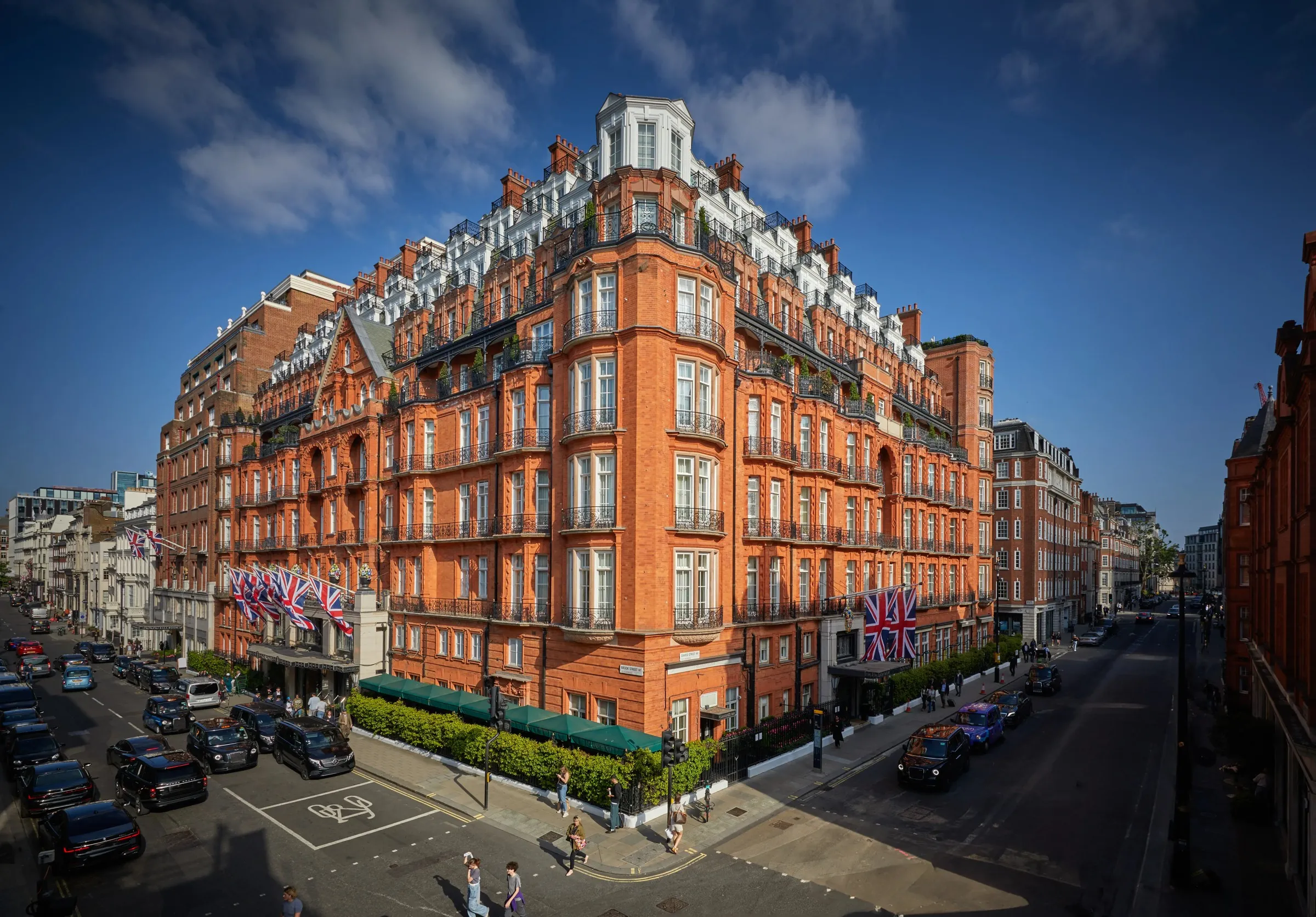
Mayfair, United Kingdom
Claridge's
A 1930s Art Deco time capsule on a Mayfair corner, still the most self-assured address in London.
From £950 per night
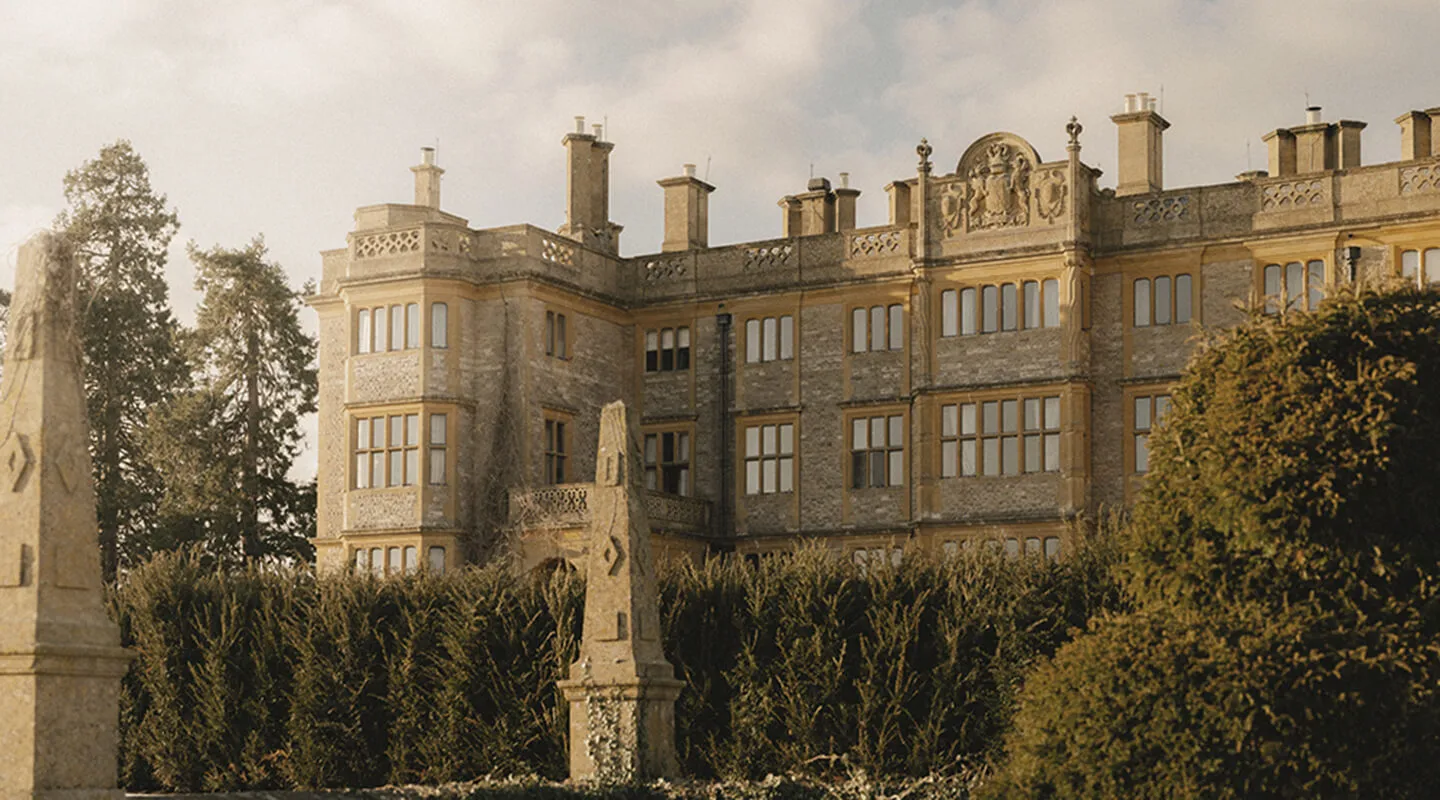
near Witney, United Kingdom
Estelle Manor
A Jacobethan manor turned country club, where a Roman-style bathhouse now sits where a police training centre once stood.
From £450 per night