Tanzania
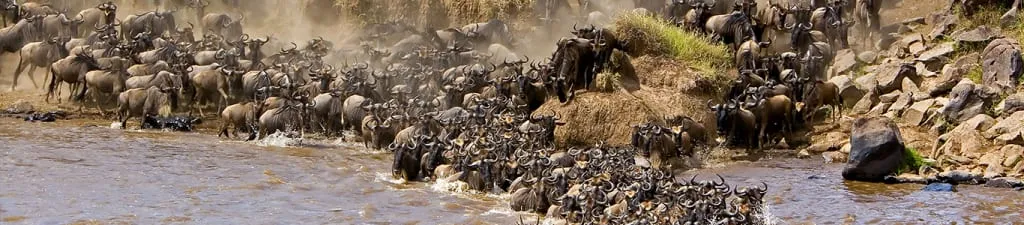
East Africa's classic safari geography, the Serengeti's open plains and the Tarangire and Ngorongoro region's denser bush, where a tented-camp and lodge tradition has been built around the annual wildebeest migration and some of the continent's highest wildlife densities.
- When to go
- June to October for the dry season and the migration's presence in the northern Serengeti; December to March offers green-season scenery, newborn wildlife, and lower rates, with fewer visitors.
- Getting there
- Roughly 8 to 10 hours direct from major European hubs to Kilimanjaro; onward travel to camps typically by light aircraft.
- Best for
- safari wildlife honeymooners photography wellness
Tanzania’s safari geography centres on the Serengeti ecosystem, a network of national parks and conservation areas across which the annual wildebeest migration moves in a roughly circular pattern each year, alongside the Ngorongoro Crater’s uniquely dense, contained wildlife population.
The regions, briefly
The northern and western Serengeti, reached almost exclusively by light aircraft, hold the country’s most exclusive tented-camp properties, positioned to follow or intercept the migration’s seasonal movement across the plains.
Tarangire National Park, south of the main Serengeti circuit and less visited than the park’s more famous neighbours, is known for its elephant populations and baobab-studded landscape, and for camps positioned along the Tarangire River’s dry-season wildlife concentration.
The wider Serengeti conservation areas, including community and private conservancies bordering the national park, support a newer generation of lodges built around lower guest density and more flexible, off-road wildlife viewing than the park’s core areas allow.
Beyond the Serengeti ecosystem, Tanzania’s Selous and Ruaha in the south, and Zanzibar’s coast, carry their own distinct safari and beach traditions; the destination guide here reflects the region covered so far.
Where to stay
Hotel guides in Tanzania
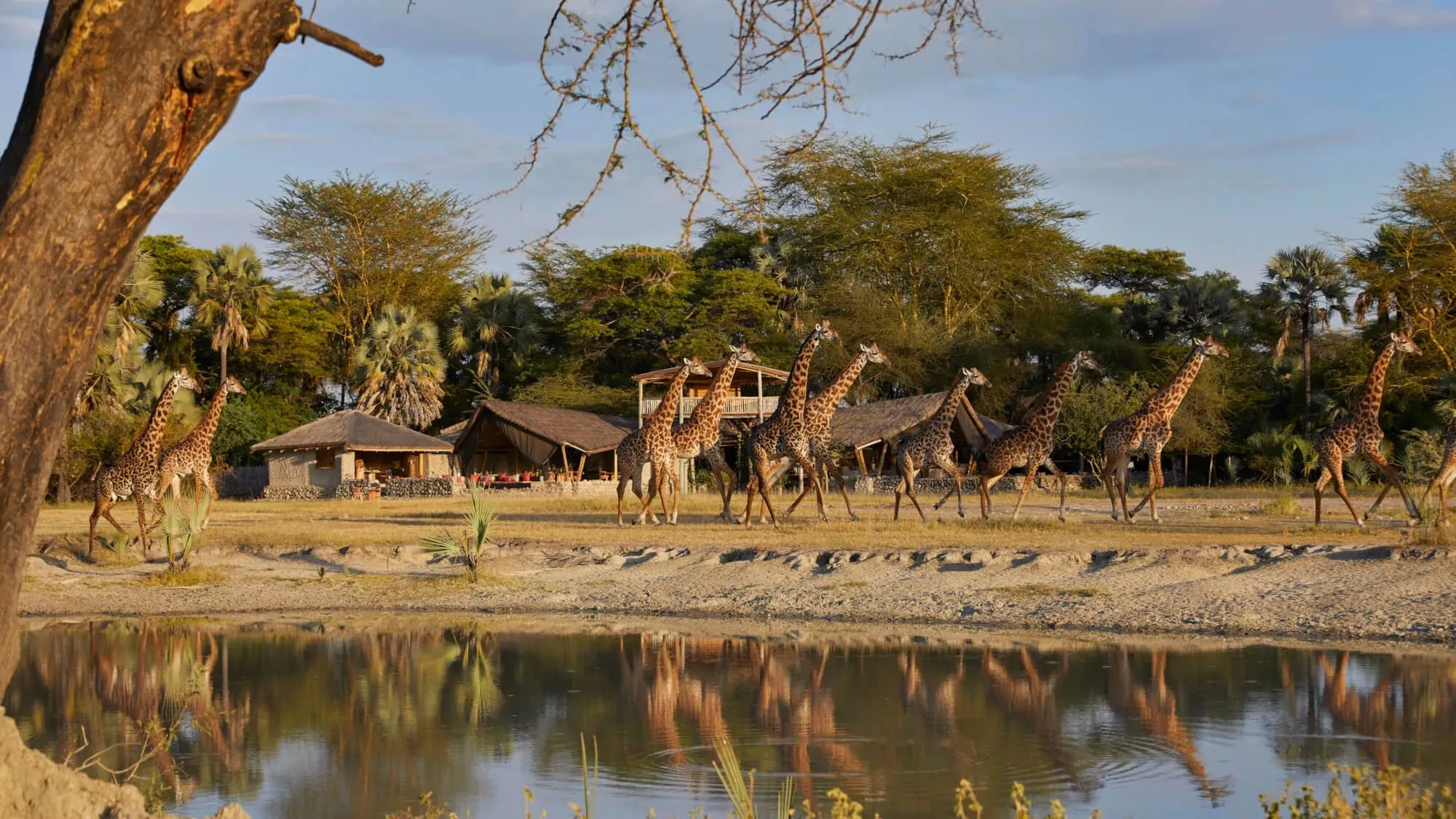
Chem Chem concession, between Lake Manyara and Tarangire, Tanzania
Chem Chem Lodge
Seven tented suites and a family unit set in a palm-fringed private concession where a conservation project, not a marketing brief, first drew the wildlife back between Lake Manyara and Tarangire.
From $1,420 per person, per night, all-inclusive (excludes mandatory conservation and community fee)
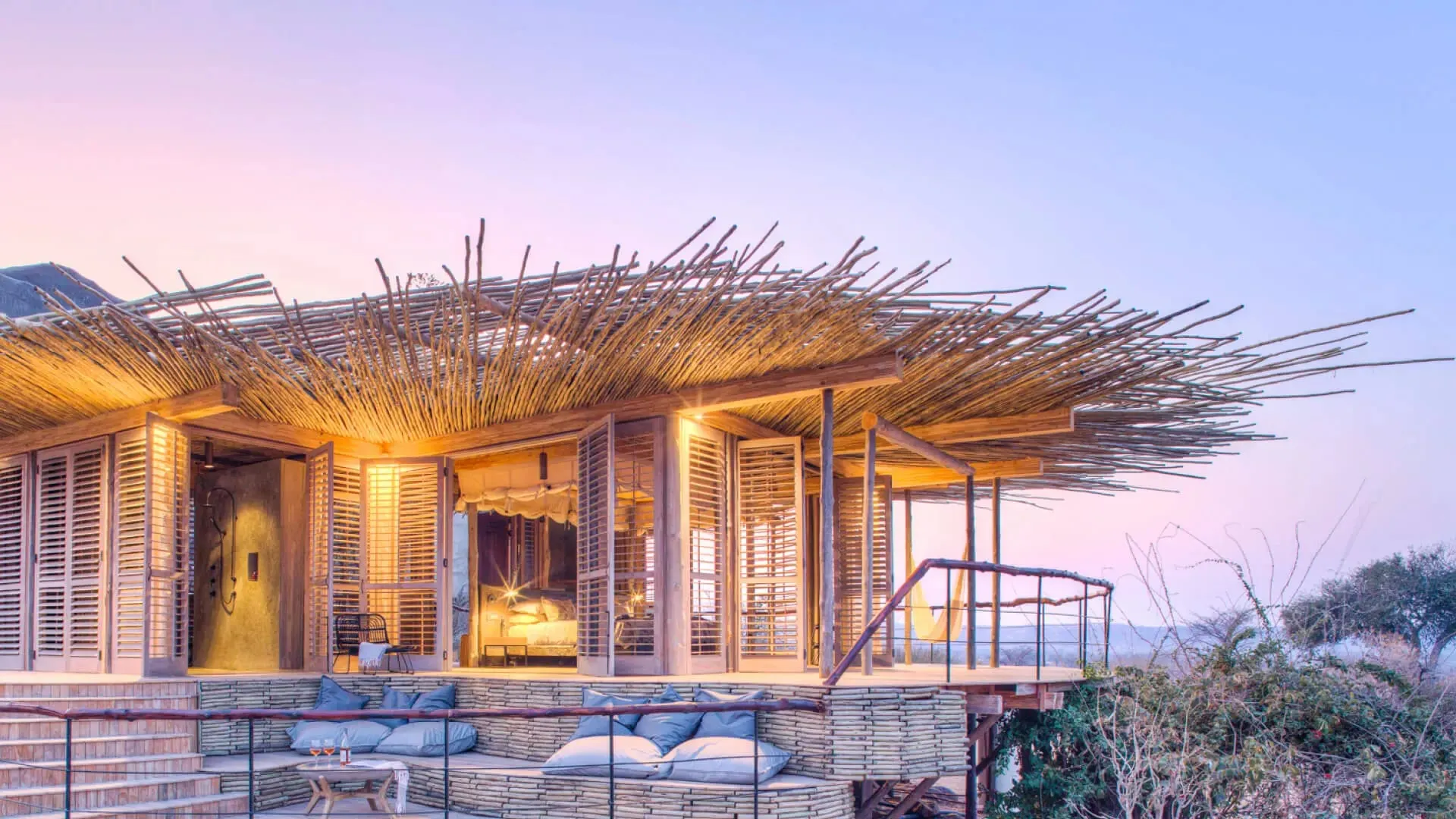
Ruaha National Park, Tanzania
Jabali Ridge
Eight suites threaded through a kopje of house-sized granite boulders in Ruaha, Tanzania's largest and least-visited major national park.
From $880 per person, per night, all-inclusive (low season)
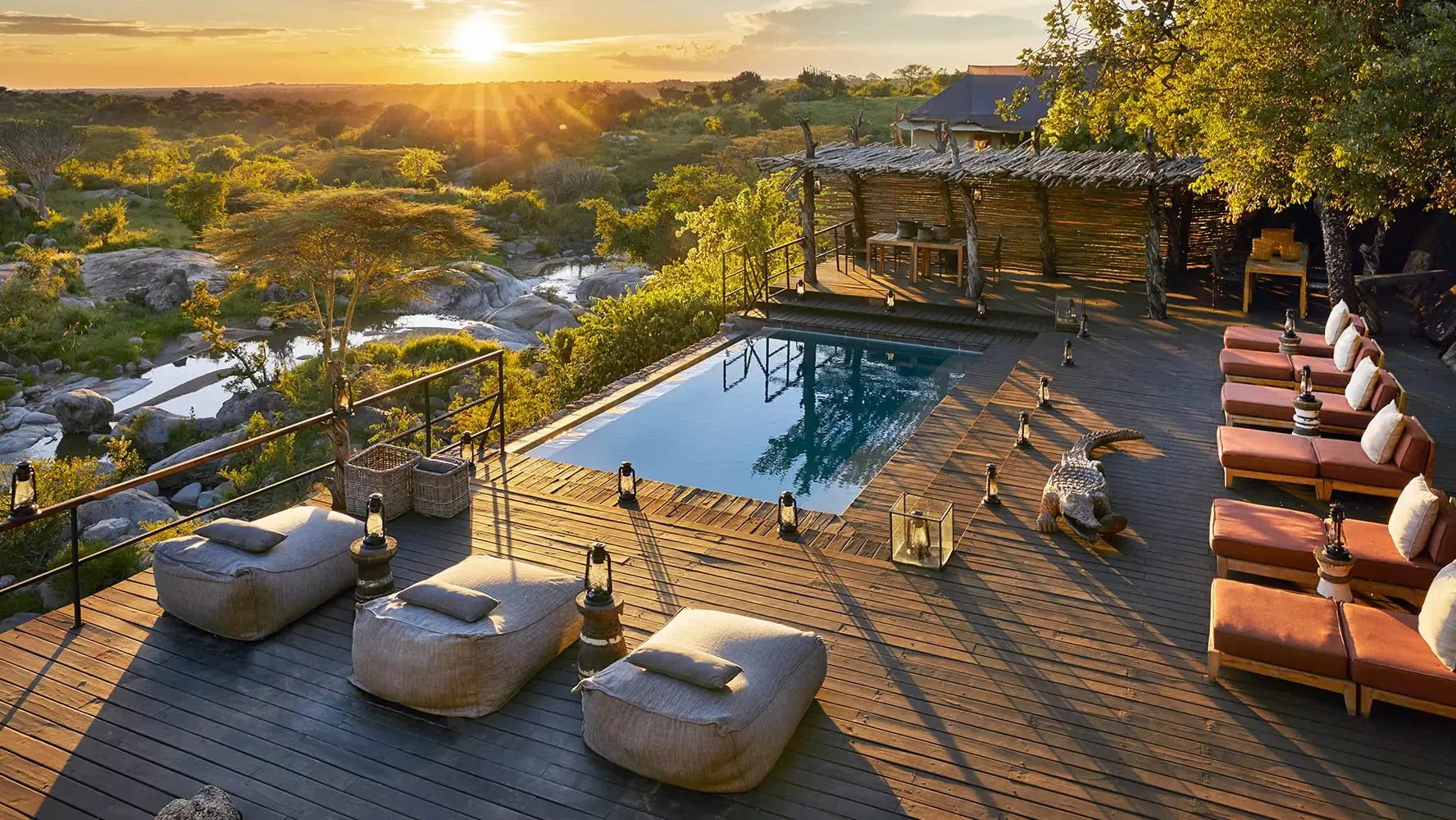
Mwiba Wildlife Reserve, Tanzania
Mwiba Lodge
Ten stone-and-canvas suites built into a granite outcrop above a river gorge in a private reserve that buys the Serengeti's southern migration corridor breathing room.
From $2,000 per person, per night, all-inclusive
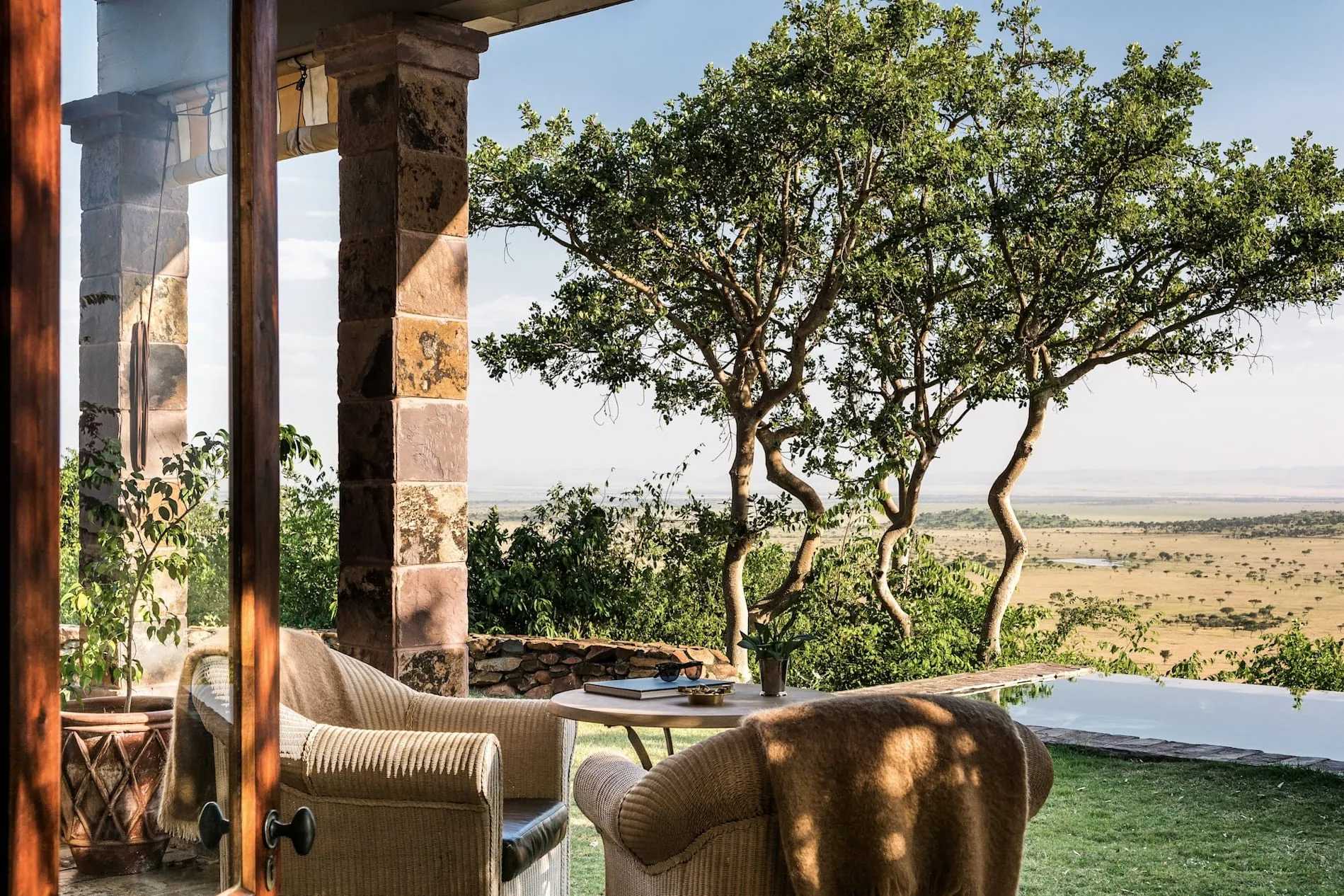
Grumeti Reserves, Serengeti, Tanzania
Singita Sasakwa Lodge
An Edwardian manor house on a Serengeti hilltop, built where a colonial-era settler once farmed, now run as the flagship of a 350,000-acre private reserve and its own rhino-recovery program.
From $2,550 per night, per person, all-inclusive