Rutherford, Napa Valley, United States
Auberge du Soleil
The Provence-inspired hillside inn that gave an entire hotel group its name, its philosophy, and one of Napa Valley's longest-running Michelin stars.
- Rates from
- From $1,200 per night
- Nearest airport
- San Francisco International Airport (SFO)
- Transfer
- About 75-90 minutes by car, depending on traffic and bridge crossing; Oakland International is a comparable alternative, and the smaller Charles M. Schulz Sonoma County Airport (STS) is closer at roughly 50 minutes with limited commercial routes
- Best months
- April through October for the best weather and full spa and pool season, with September to November adding the energy of Napa's grape harvest; winter brings quieter, better-value rates and misty valley views from the hillside
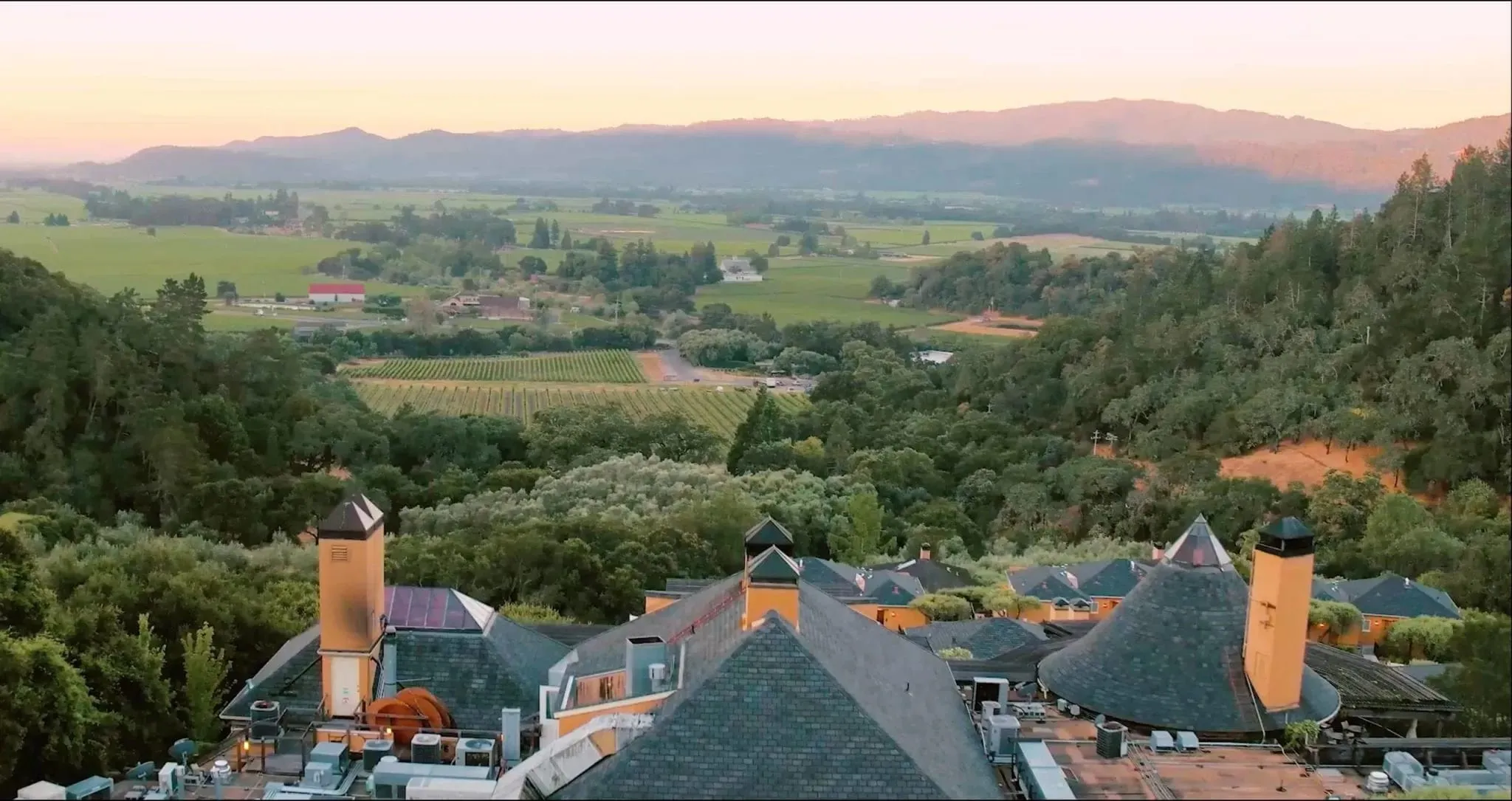
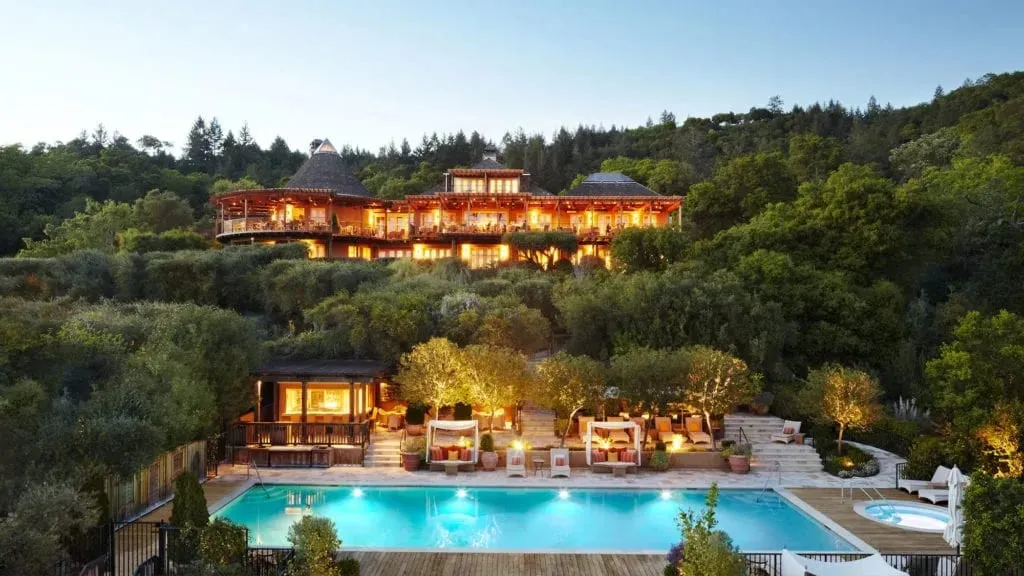
Every hillside in Napa Valley claims a view. Few claim the one from Auberge du Soleil, where a terraced olive grove on the slope of Rutherford Hill drops away toward the valley floor with almost nothing in between, no rooftops, no parking lots, just vines, oak trees and, on a clear evening, the kind of amber light that gave the place its name. It is a view that has been drawing people up this particular hill since 1981, first for dinner, then, from 1985, for the night.
That history matters more here than at most hotels, because Auberge du Soleil is not simply a member of Auberge Resorts Collection, it is the property the entire group takes its name from. What began as Claude Rouas’s attempt to bring a taste of Provence to California wine country grew into a fifty-room inn and, eventually, into a global portfolio of resorts that still trace their design instincts and their hospitality philosophy back to this one hillside. Four decades on, the original still holds its own: a Michelin star at the restaurant that has not lapsed since the guide first arrived in Wine Country, three Michelin Keys for the hotel itself, and a reputation, reasonably earned, as the property against which every other Napa Valley resort gets measured.
None of this has required much reinvention. Where some wine country hotels have chased scale or novelty, Auberge du Soleil has spent most of its history doing a narrower set of things very well: rooms with private terraces and real views, a kitchen with a long memory and a light touch, a spa built into the same olive grove as the guestrooms, and a setting that does most of the persuading on its own. This guide sets out what that combination looks like today, and who it actually suits.
Why It Stands Out
Auberge du Soleil’s core advantage is topographic: it is one of the only resorts in Napa Valley built directly into a hillside with an unobstructed, elevated view across the valley floor, rather than sitting among the vines at eye level like most of its wine country peers. That position, combined with 33 acres of heritage olive and oak trees left largely as they were, gives the property a sense of scale and privacy that is hard to replicate on flatter ground. Layered onto the setting is a genuinely rare depth of culinary pedigree: a restaurant that has carried a Michelin star every year since Wine Country entered the guide in 2007, one of the longest unbroken runs in the region, under an executive chef who has led the kitchen since 2005. Few Napa hotels can claim both a signature landscape and a signature kitchen at this level, and Auberge du Soleil has held onto each for decades rather than reinventing either every few years.
Architecture
The resort’s architectural language traces back to its founding moment. When Claude Rouas and Bob Harmon opened the property as a restaurant in 1981, and then added guest accommodation in 1985 under the name Inn of the Sun, they built not a single hotel block but a scattering of low-slung, sun- and earth-toned maisons stepped into the hillside’s existing terraces, each oriented to catch both morning light and valley views. The effect deliberately recalls the hill towns of Provence rather than the Mediterranean-revival or ranch-style architecture more common elsewhere in Wine Country: red-tiled rooflines, stucco walls in warm ochre and terracotta tones, and a low profile that keeps the buildings from competing with the olive grove around them. The design has been renovated over the years, most recently in 2023, but the founding logic, buildings that follow the contours of the land rather than imposing a grid on it, has been preserved rather than replaced.
Interior Design
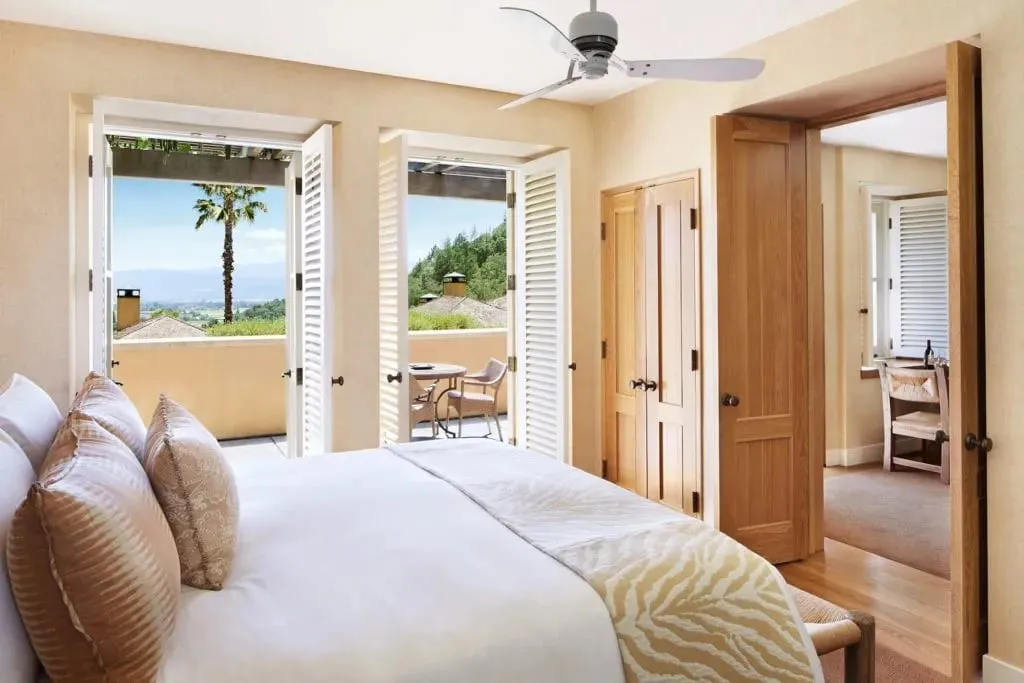
The interiors were originally shaped by Michael Taylor, the influential San Francisco designer known for a bold, oversized “California Style,” here tempered with Provençal restraint: sun-and-earth-toned fabrics, sculptural furniture pieces and a material palette drawn from stone, wood and wrought iron rather than anything overtly ornate. That founding vocabulary still governs the guestrooms today, where French doors open directly onto private terraces, fireplaces sit opposite soaking tubs built for two, and the color story leans consistently toward the tones of the surrounding hillside rather than any imported theme. Public spaces extend the same restraint: the restaurant’s dining rooms and terraces are furnished to keep the view as the focal point, and an outdoor sculpture walk threads bronze and stone works through the olive grove, turning a stroll between the spa and the rooms into an informal gallery circuit. The overall effect reads as considered rather than decorated, a hotel that trusts its setting enough not to compete with it.
Atmosphere
Auberge du Soleil’s mood is quiet, unhurried and distinctly adult. There is no children’s club, no resort-wide entertainment schedule and little of the buzz that characterizes larger wine country properties; instead, the pace is set by long lunches on the restaurant terrace, slow mornings on private balconies, and an evening quiet broken mainly by conversation and the occasional clink of glassware. The clientele skews toward couples, honeymooners and serious wine travellers, many of them repeat guests who have been coming for a particular room or a particular table for years. Staff turnover is famously low by industry standards, which shows in a level of familiarity and low-key attentiveness that feels more like a well-run private house than a large resort. It is a hotel built for slowing down rather than for activity, and guests who want a packed itinerary of on-site programming may find the atmosphere more contemplative than they expect.
Rooms and Suites
The resort’s 50 guestrooms and suites are spread across the terraced hillside in low-rise maisons rather than a single tower, and the room hierarchy runs from Classic Rooms and Classic Suites through Deluxe Rooms and Deluxe Suites up to a small number of Private Maisons at the top of the collection, the most secluded and spacious accommodations on the property. Sizes span roughly 500 to just over 1,800 square feet depending on category. Every room, regardless of tier, was designed with French doors opening onto a private terrace or balcony, a fireplace, and in most categories a soaking tub for two, so the difference between entry-level and top-tier rooms is mainly one of space, privacy and the angle of the valley view rather than a fundamental gap in comfort. The higher categories and Private Maisons add larger outdoor living space, in some cases private plunge pools or more secluded positioning within the grove, and are the rooms most repeat guests specifically request.
Dining
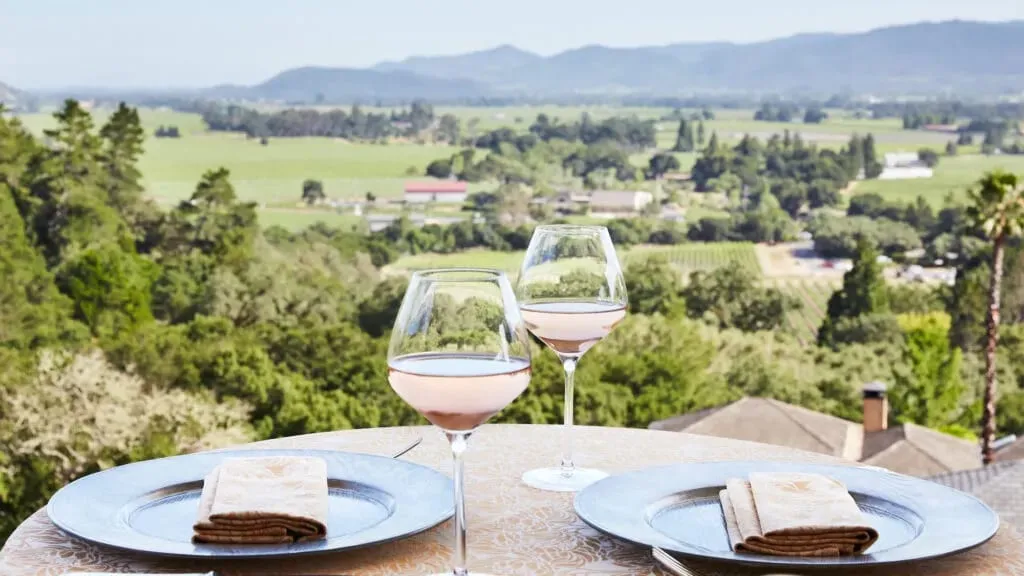
The Restaurant at Auberge du Soleil is the property’s anchor and, for many guests, the reason for the trip in the first place. It has held a Michelin star continuously since the guide began reviewing San Francisco Wine Country in 2007, one of the longest unbroken runs of any restaurant in the region, and Executive Chef Robert Curry, who has led the kitchen since 2005 after training with Alain Ducasse at the Hotel de Paris and with Michel Rostang in Paris, cooks a menu that reads as French technique applied to Californian produce: three, four and six-course tasting formats built around the valley’s seasonal ingredients, paired with a wine list drawn from a cellar of roughly 12,000 bottles across more than 1,300 selections, one of the deeper lists in Napa Valley. The dining room’s terrace, cantilevered over the hillside, is arguably the single best restaurant view in the valley, and reservations, particularly for terrace seating at sunset, should be made well ahead of arrival. The Restaurant’s first chef, incidentally, was Masataka Kobayashi, who went on to found the influential San Francisco restaurant Masa’s, an early indicator of the kitchen’s pedigree. Beyond the main dining room, the resort’s bar offers a more casual setting for a drink or a lighter meal with the same valley outlook, and private dining can be arranged for smaller groups.
Spa and Wellness
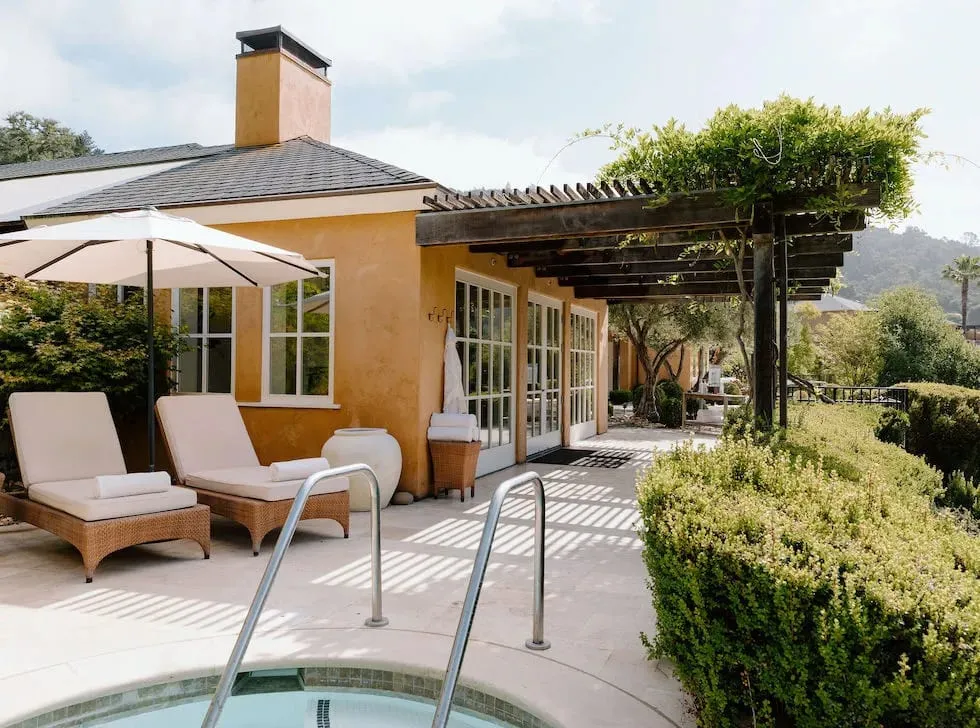
The Spa at Auberge du Soleil occupies roughly 7,000 square feet built into the same hillside as the guestrooms, with six indoor-outdoor treatment rooms, a French-inspired courtyard, hydrotherapy pools, infrared saunas and steam rooms, all positioned among the property’s heritage olive trees. Treatments draw on the surrounding landscape directly, with grape seed extract and locally grown herbs and flowers forming the base for many of the massages, body treatments and facials on the menu, alongside more conventional offerings like couples’ rituals and scalp therapies. Access is reserved for hotel guests rather than open to outside members, which keeps the spa quiet and unhurried even during busier periods at the resort. A single outdoor pool, set with valley views, rounds out the wellness offering; the resort operates as an adults-oriented property, and the pool and spa are generally not geared toward children.
Experiences
Much of what Auberge du Soleil offers beyond its own grounds is built around access to the valley immediately surrounding it. The resort’s long-standing relationships with area vintners and restaurateurs translate into curated private wine tastings with an in-house sommelier and introductions to smaller, less publicly accessible producers than a guest could easily arrange independently. On the property itself, the outdoor sculpture walk through the olive grove functions as a self-guided art experience, and seasonal programming has included events tied to the annual olive harvest each autumn. Guests can also arrange cycling routes onto the Napa Valley Vine Trail, which connects toward St. Helena and Yountville from near the resort, and the concierge team regularly puts together bespoke itineraries pairing tastings, tours and dining across the valley for guests who want structure without joining a group tour.
Who It Is For
Auberge du Soleil suits couples, honeymooners and dedicated wine travellers who want a quiet, view-driven base with a serious kitchen attached, and it is a natural fit for anyone treating a Michelin-starred dinner as a highlight of the trip rather than an afterthought. Spa-focused travellers will find a genuinely well-built wellness offering, small enough to stay peaceful even at capacity. It suits repeat visitors particularly well, given how much of the resort’s culture is built around long-standing staff relationships and familiar faces. It is a poor fit for families with young children, given the adults-oriented atmosphere and absence of dedicated kids’ programming, and for travellers who want a resort with heavy on-site entertainment or a livelier social scene; those guests are better served by larger, more activity-driven properties elsewhere in Wine Country.
Best Time to Visit
April through October brings Napa Valley’s most reliable weather and the resort’s full spa and pool season, making this the broadest window for a first visit. September through November adds the additional draw of the annual grape harvest, when the valley’s wineries are at their most active and the resort’s own olive harvest typically falls toward the tail end of the period, though this is also the valley’s busiest and most expensive stretch, so early booking matters. Winter months bring quieter grounds, softer rates and a moodier, mist-over-the-valley version of the same hillside view, appealing to travellers who prioritize a peaceful stay over sunshine and are not set on the pool being in full seasonal use.
How to Get There
San Francisco International Airport (SFO) is the nearest major commercial hub, roughly 75 to 90 minutes from the resort by car depending on traffic and whether the route crosses the Bay Bridge or the Golden Gate Bridge; the resort’s own directions cover both approaches. Oakland International Airport is a broadly comparable alternative in terms of drive time, and the smaller Charles M. Schulz Sonoma County Airport, about 50 minutes away, carries a limited schedule of commercial flights that can shorten the transfer for guests routing through it. Napa County Airport, the closest airfield at around 35 minutes from the resort, serves only private and charter aircraft rather than scheduled commercial service. However guests arrive, a private car or rental remains the most practical way to reach Rutherford, since public transit options into the Napa Valley interior are limited.
Nearby Experiences
Rutherford sits at the heart of Napa Valley’s most concentrated stretch of acclaimed wineries, and several of the appellation’s best-known names, including long-established estates producing some of the valley’s most sought-after Cabernet Sauvignon, are within a short drive of the resort. The town of St. Helena, a few minutes north on Highway 29, offers a walkable historic Main Street of boutiques, tasting rooms and restaurants, while Yountville, a short drive south, is home to Thomas Keller’s The French Laundry and a cluster of other destination restaurants, making it an easy pairing with a stay built around fine dining. The Napa Valley Vine Trail, a multi-use path connecting several valley towns, runs near enough to the resort to be accessed for a guided or self-directed cycling outing, and hot-air balloon operators based in the valley offer sunrise flights over the same hillsides visible from the resort’s own terraces.
Things to Know Before Booking
Auberge du Soleil operates as an adults-oriented resort, and families travelling with young children should confirm current policies before booking, since the atmosphere and programming are not built around children’s activities. The restaurant’s terrace tables, especially at sunset, are in high demand and should be reserved well ahead of arrival rather than assumed available on short notice. Rates rise sharply during the September to November harvest season and around major valley events, so travellers with flexible dates can find meaningfully better value in winter or early spring. Because the resort sits on a working hillside property with stepped terraces and pathways connecting the maisons, guests with mobility concerns should ask in advance about room proximity to the main buildings and the spa.
Sustainability
The resort’s grounds themselves reflect a long-standing, low-intervention approach to the land: the 33 acres of olive and oak trees that define the property are heritage plantings maintained rather than replaced, and the annual olive harvest, celebrated with on-site programming each autumn, ties the resort’s calendar directly to its own agricultural output. As part of Auberge Resorts Collection, the property operates within the group’s broader sustainability commitments, which emphasize sourcing from local and regional producers, particularly for the restaurant’s kitchen, and minimizing the footprint of a hillside property built into an existing agricultural landscape rather than cleared for development.
Practical Information
Standard check-in at Auberge du Soleil is from 3:00 PM, with check-out at 12:00 PM; earlier arrival or later departure can often be arranged on request, subject to availability. Indicative rates begin from around $1,200 per night for an entry-level Classic Room in the lower-demand winter months, rising well beyond that for Deluxe categories, Private Maisons and any stay during the September to November harvest season or around major valley events. The resort’s address is 180 Rutherford Hill Road, Rutherford, CA 94573, on the eastern slope of the valley between St. Helena and Yountville. The concierge team can arrange restaurant reservations, spa treatments, private wine tastings with a sommelier, cycling routes and transfers to and from the Bay Area’s airports.
Editorial Conclusion
Auberge du Soleil’s case does not rest on novelty. It is a hotel that identified, more than four decades ago, a specific combination, an elevated hillside view, French-inflected California cooking, and rooms built around private terraces, and has spent the decades since refining that combination rather than chasing a different one. The results speak for themselves in the length of the restaurant’s Michelin run and in the fact that an entire international hotel group now carries this property’s name. For travellers who want Napa Valley’s best-known luxury address, with a kitchen and a setting that have earned their reputations the slow way, Auberge du Soleil remains the benchmark the rest of the valley is still measured against.
In pictures
On the map
Rutherford, Napa Valley, United States
Questions
Frequently asked
When did Auberge du Soleil open, and is it the original Auberge Resorts property?
French-born restaurateur Claude Rouas and business partner Bob Harmon opened Auberge du Soleil as Napa Valley's first fine-dining restaurant in 1981, inspired by the light and food of Provence. Its immediate success led to the addition of guest accommodation, known as the Inn of the Sun, in 1985. That original restaurant-then-inn is the founding property of what is now Auberge Resorts Collection, a portfolio that has since grown to dozens of hotels worldwide, and it remains the group's flagship in both name and reputation.
Does Auberge du Soleil's restaurant still hold a Michelin star?
Yes. The Restaurant at Auberge du Soleil has held one Michelin star continuously since the Michelin Guide began covering San Francisco Wine Country in 2007, making it one of the longer-running star holders in the region. Executive Chef Robert Curry, who has led the kitchen since 2005, cooks a French-inflected Californian menu built around the valley's produce and an extensive wine list. The property's hotel side has separately been recognised with three Michelin Keys, the guide's newer hotel-rating designation.
How many rooms does Auberge du Soleil have, and what categories should guests know about?
The resort has 50 guestrooms and suites spread across a terraced, 33-acre hillside of olive and oak trees. The lineup runs from Classic Rooms and Classic Suites through Deluxe Rooms and Deluxe Suites up to a small number of Private Maisons, the largest and most secluded accommodations on the property. Every category was designed with French doors opening onto a private terrace, so even entry-level rooms carry a valley or vineyard view.
Is Auberge du Soleil good for families, or is it geared toward couples?
Auberge du Soleil operates as an adults-oriented retreat rather than a family resort: its intimate scale, quiet hillside setting, spa-centred programming and fine-dining focus are built around couples, honeymooners and wine-focused travellers rather than children's activities or family suites. Travellers looking for a family-friendly Napa Valley base are generally better served elsewhere in the valley.
What is the nearest airport to Auberge du Soleil?
San Francisco International Airport (SFO) is the nearest major hub with a full schedule of domestic and international flights, roughly 75 to 90 minutes away by car depending on traffic and which bridge route is used. Oakland International is a comparable alternative, and the smaller Charles M. Schulz Sonoma County Airport, about 50 minutes away, carries a limited number of commercial routes. Napa County Airport is closer still, around 35 minutes, but serves only private and charter aircraft.
Same destination
More hotel guides in United States
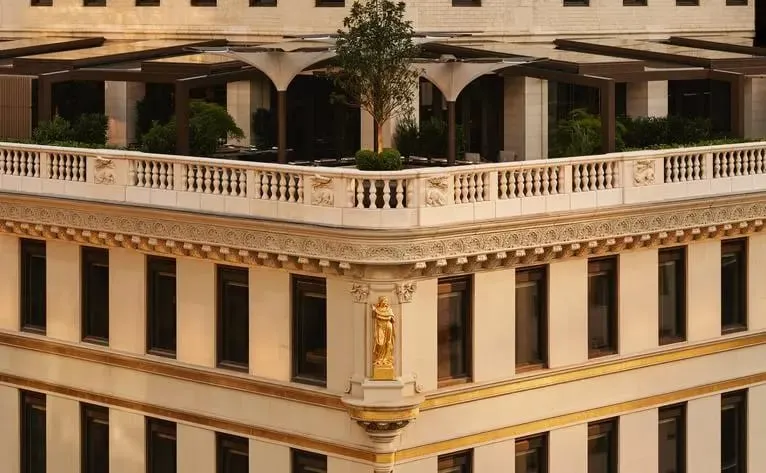
Midtown Manhattan, New York City, United States
Aman New York
Eighty-three suites folded into a landmarked 1921 Beaux-Arts tower on Fifth Avenue, with a three-floor spa larger than any other Aman on earth.
From $2,300 per night
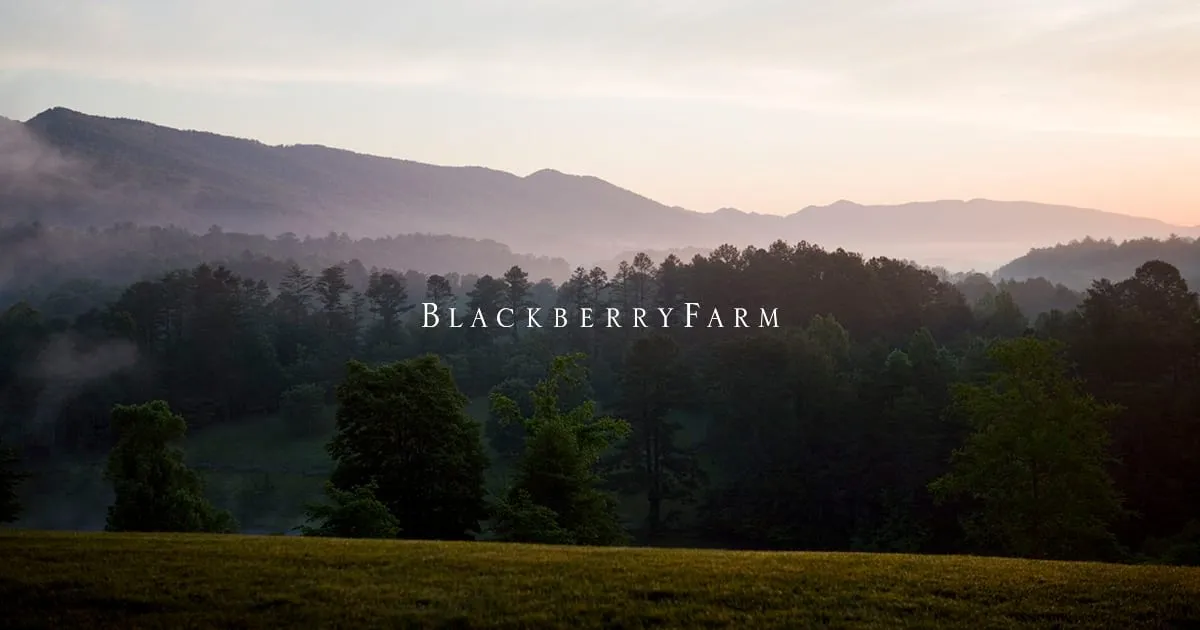
Walland, Great Smoky Mountains foothills, United States
Blackberry Farm
A 4,200-acre working farm at the foot of the Great Smoky Mountains where the Beall family built an entire school of American cooking around cheese, garden and pasture.
From $1,145 per night
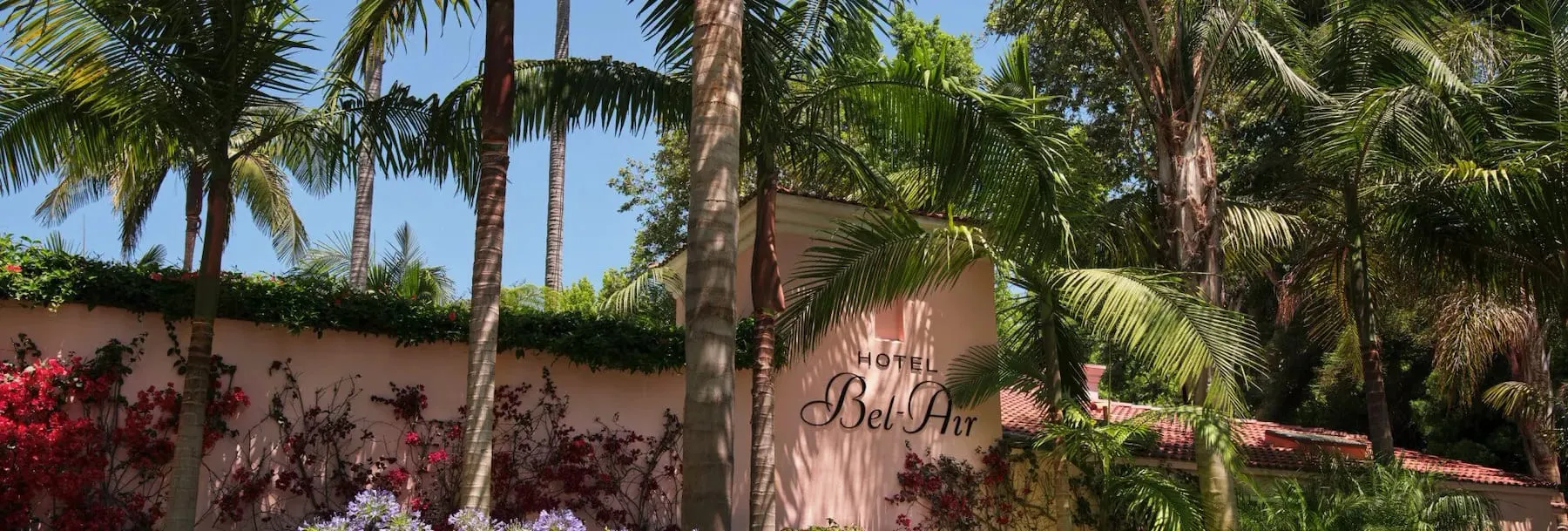
Bel Air, Los Angeles, United States
Hotel Bel-Air
Twelve acres of Mission-style bungalows and a private swan lake have kept Hollywood's most discreet address quietly out of sight since 1946.
From $1,250 per night