United States
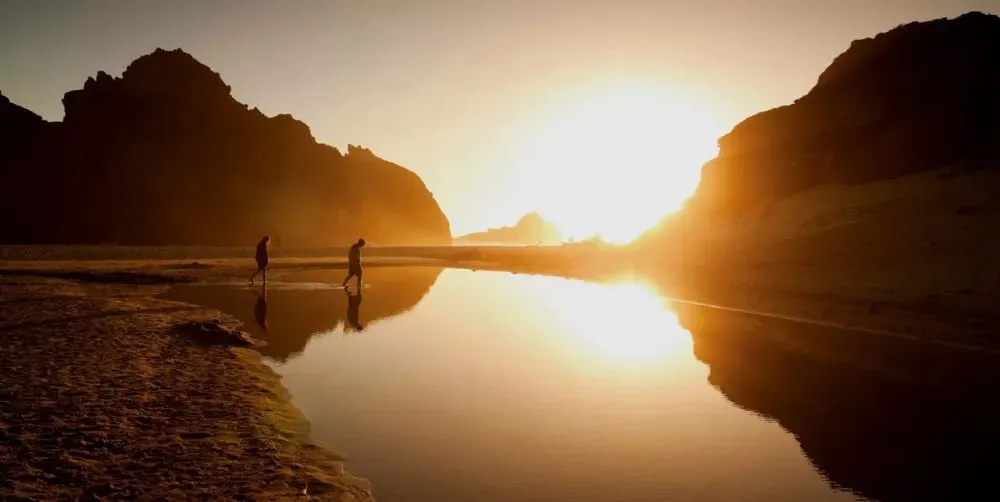
A country too large for a single hotel identity: Manhattan towers, Big Sur cliffs, Appalachian farmland, Napa vineyards, Vermont's working dairy country, and the Florida Keys and Hawaii's islands, each drawing on an entirely different American landscape tradition.
- When to go
- Varies enormously by region: California's coast and wine country run well nearly year-round; New England and the Rockies favour late spring through autumn; Hawaii and the Florida Keys are best outside peak hurricane-season months.
- Best for
- design gastronomy landscape wellness families
The United States resists a single hotel narrative in a way few other countries do, in part because of scale, and in part because its luxury properties draw on genuinely different regional traditions rather than a shared national style.
The regions, briefly
New York City anchors the country’s urban hotel tradition, dense, vertical, and built around the specific pressures of Manhattan real estate, with the newest generation of openings competing as much on architectural ambition as on service.
California’s coast and wine country run on a different register entirely: Big Sur’s cliffside lodges built to disappear into redwood forest and ocean views, and Napa Valley’s estate properties set among working vineyards, both prioritising landscape over density.
The Southeast’s mountain country, particularly the Great Smoky Mountains region of Tennessee, carries a working-farm hospitality tradition: properties built around actual agriculture, kitchen gardens, and Appalachian foodways rather than an imported luxury template.
New England, especially Vermont, extends a similar rural logic further north, historic farmhouses and barns converted into hotels that lean into the region’s dairy and maple-syrup agricultural identity rather than against it.
Hawaii and the Florida Keys represent the country’s island geography, each with its own hospitality history, Hawaii’s rooted in Native Hawaiian and Polynesian tradition, the Keys built around a smaller-scale, barefoot approach to the water.
Los Angeles, with its canyon and hillside estates, completes the picture with a hotel culture built as much around privacy and old-Hollywood history as design.
Where to stay
Hotel guides in United States
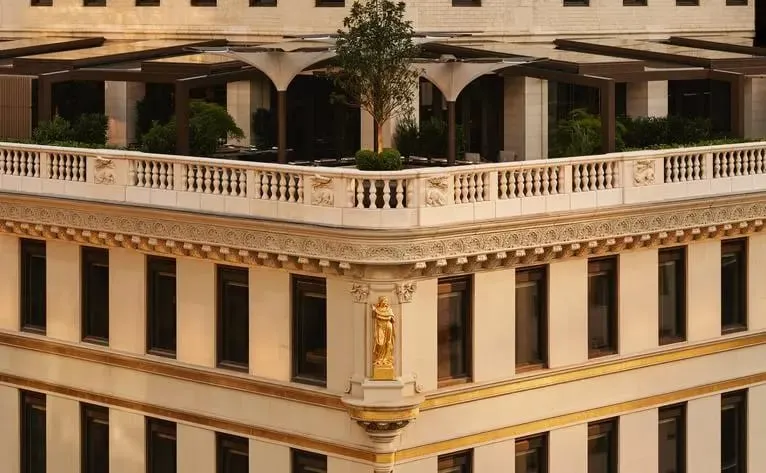
Midtown Manhattan, New York City, United States
Aman New York
Eighty-three suites folded into a landmarked 1921 Beaux-Arts tower on Fifth Avenue, with a three-floor spa larger than any other Aman on earth.
From $2,300 per night
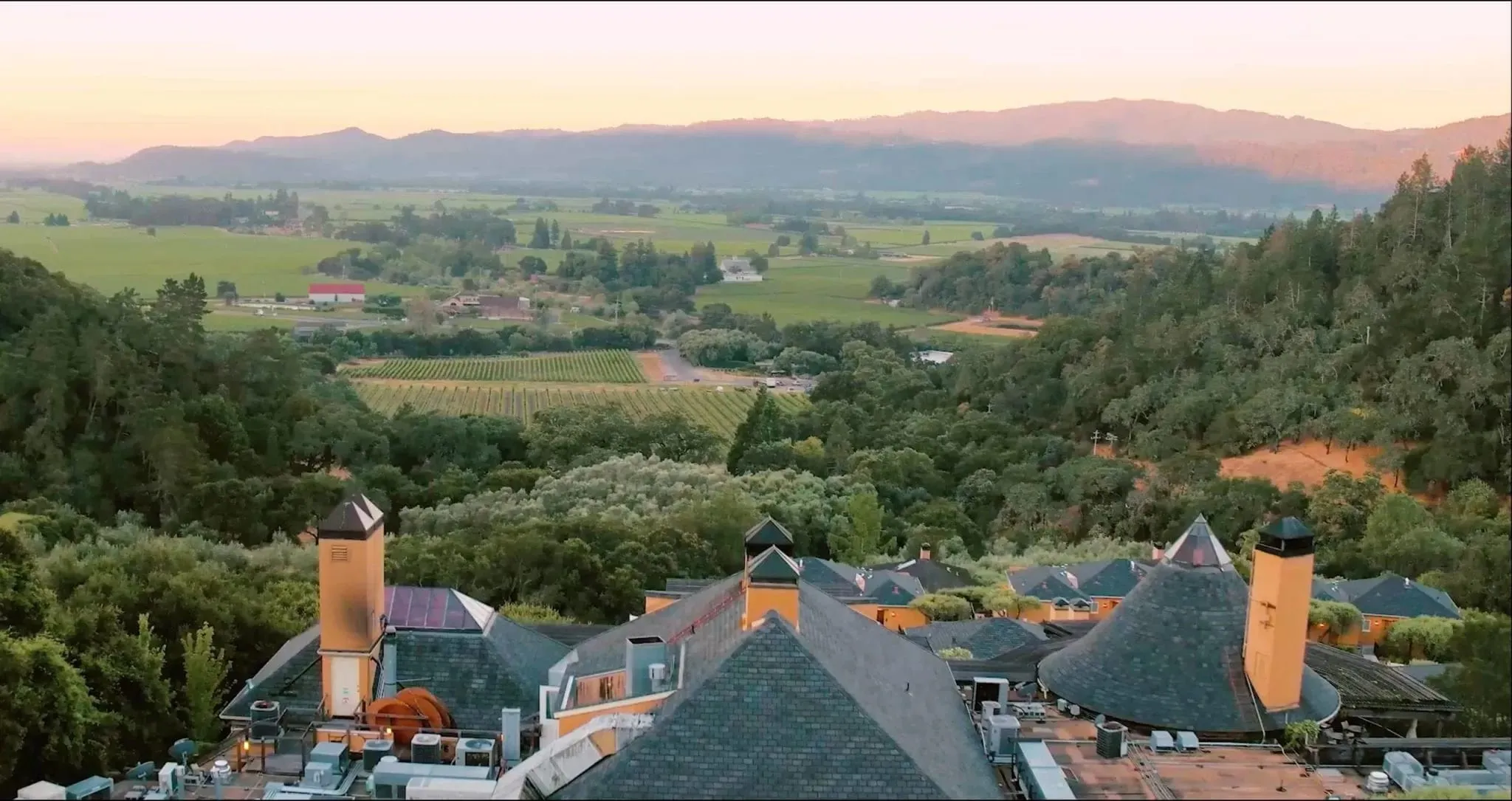
Rutherford, Napa Valley, United States
Auberge du Soleil
The Provence-inspired hillside inn that gave an entire hotel group its name, its philosophy, and one of Napa Valley's longest-running Michelin stars.
From $1,200 per night
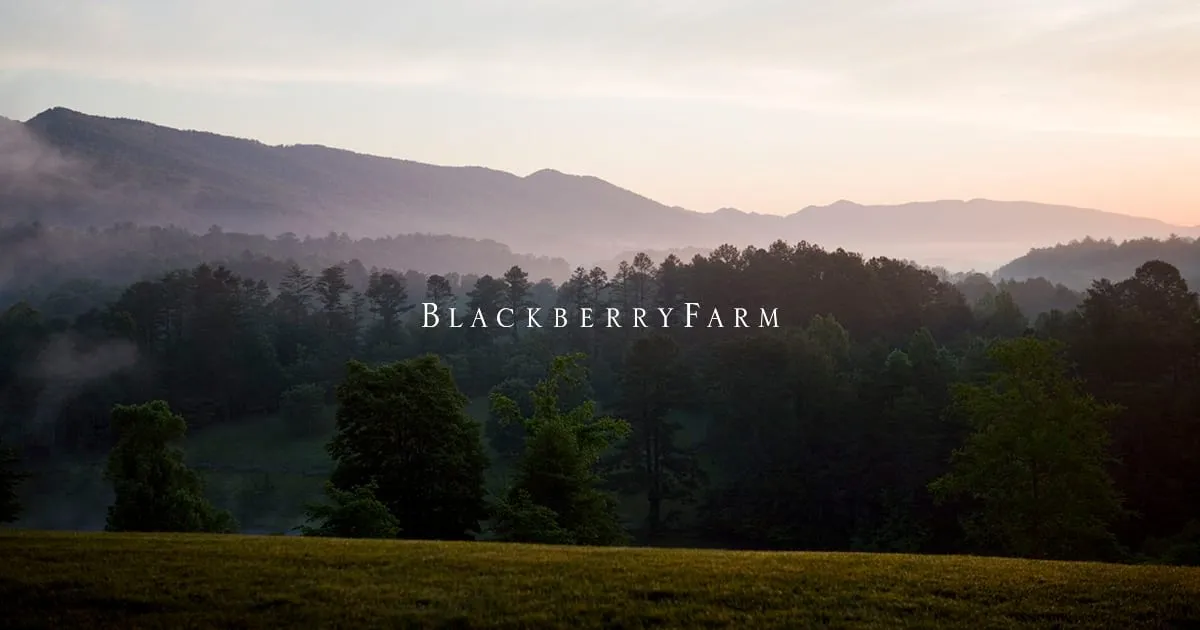
Walland, Great Smoky Mountains foothills, United States
Blackberry Farm
A 4,200-acre working farm at the foot of the Great Smoky Mountains where the Beall family built an entire school of American cooking around cheese, garden and pasture.
From $1,145 per night
Bel Air, Los Angeles, United States
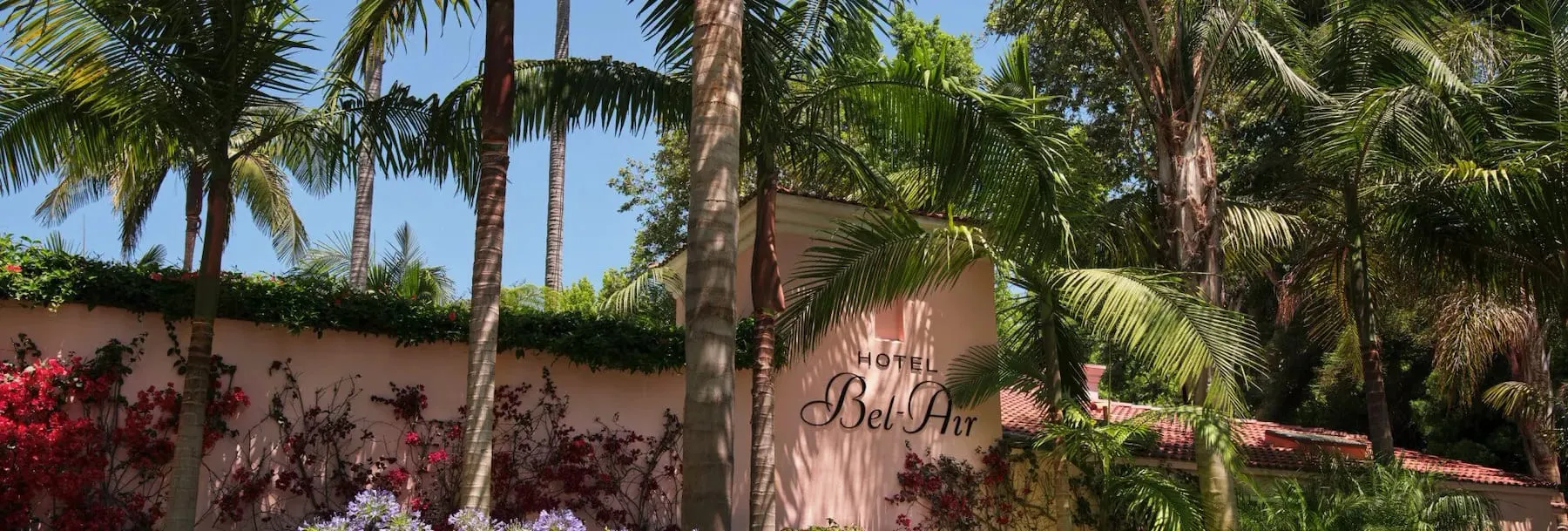
Hotel Bel-Air
Twelve acres of Mission-style bungalows and a private swan lake have kept Hollywood's most discreet address quietly out of sight since 1946.
From $1,250 per night
Kona-Kohala Coast, Big Island, United States
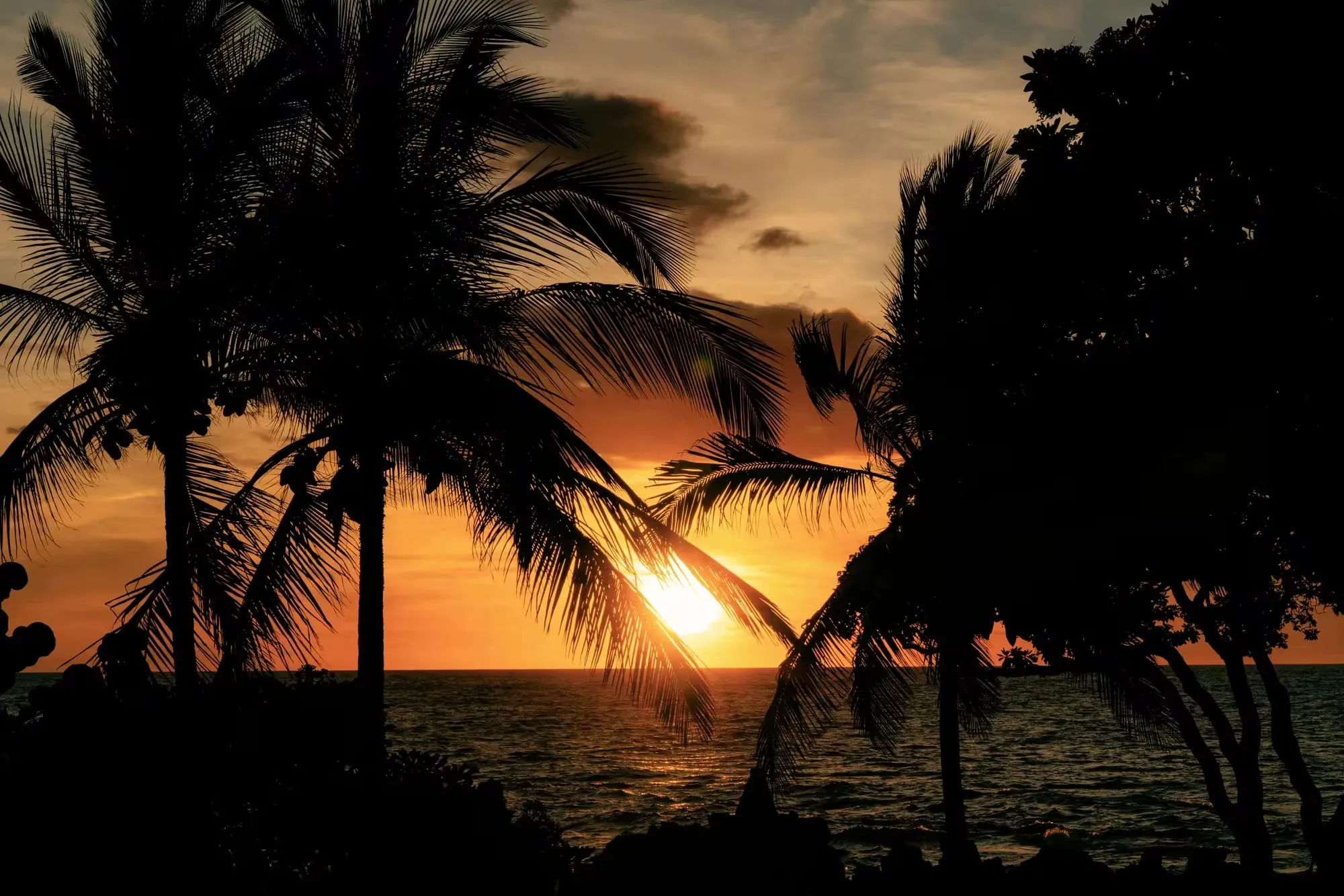
Kona Village, A Rosewood Resort
A 1960s Hawaiian hideaway erased by the 2011 tsunami and rebuilt over a decade, reopened as 150 freestanding hale on the same lava-lined bay, with no televisions by design.
From $1,700 per night
Little Torch Key, Florida Keys, United States
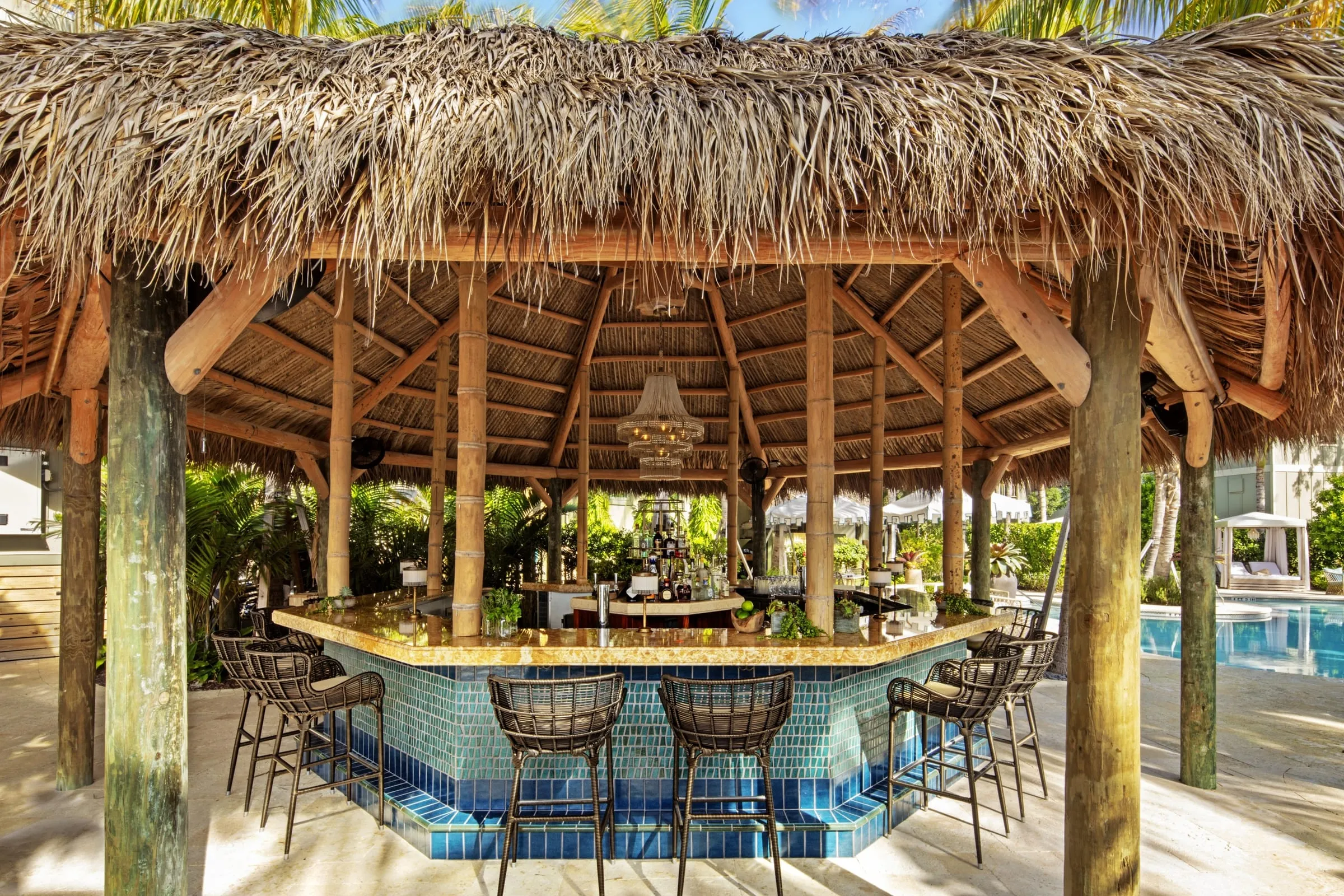
Little Palm Island Resort & Spa
America's only private island resort, reachable solely by boat or seaplane, where thirty thatched-roof bungalows keep televisions and telephones deliberately out of reach.
From $2,150 per night
Big Sur, United States
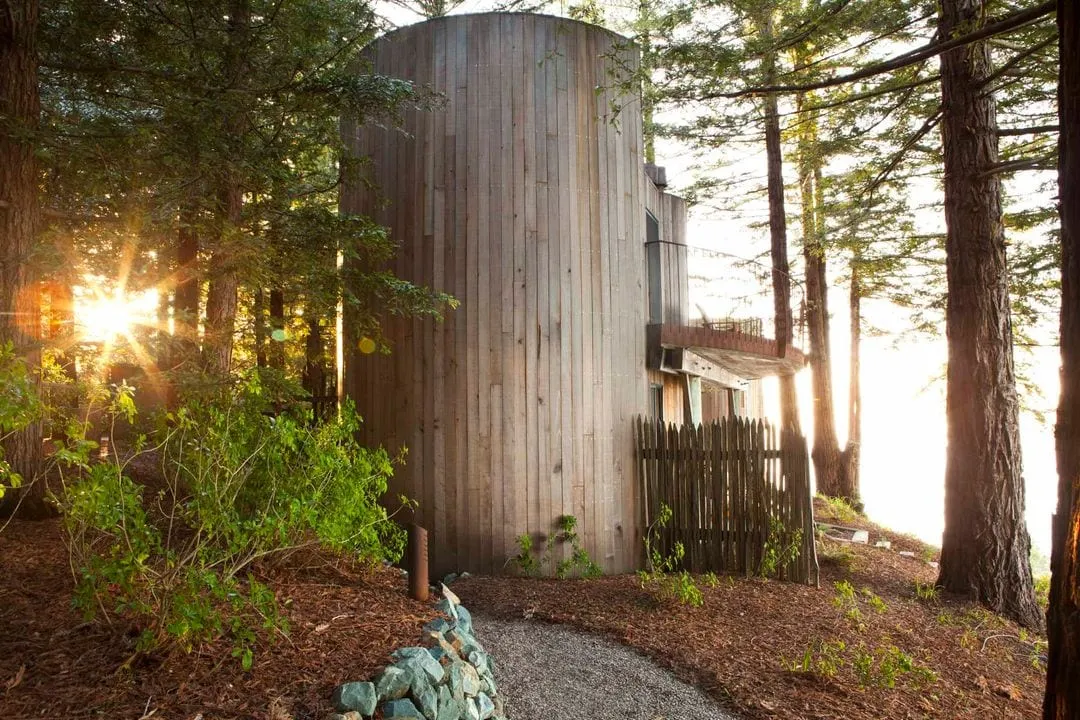
Post Ranch Inn
Forty organic structures balanced on a Big Sur ridgeline, 1,200 feet above the Pacific, with almost nothing between the guest and the drop.
From $2,150 per night
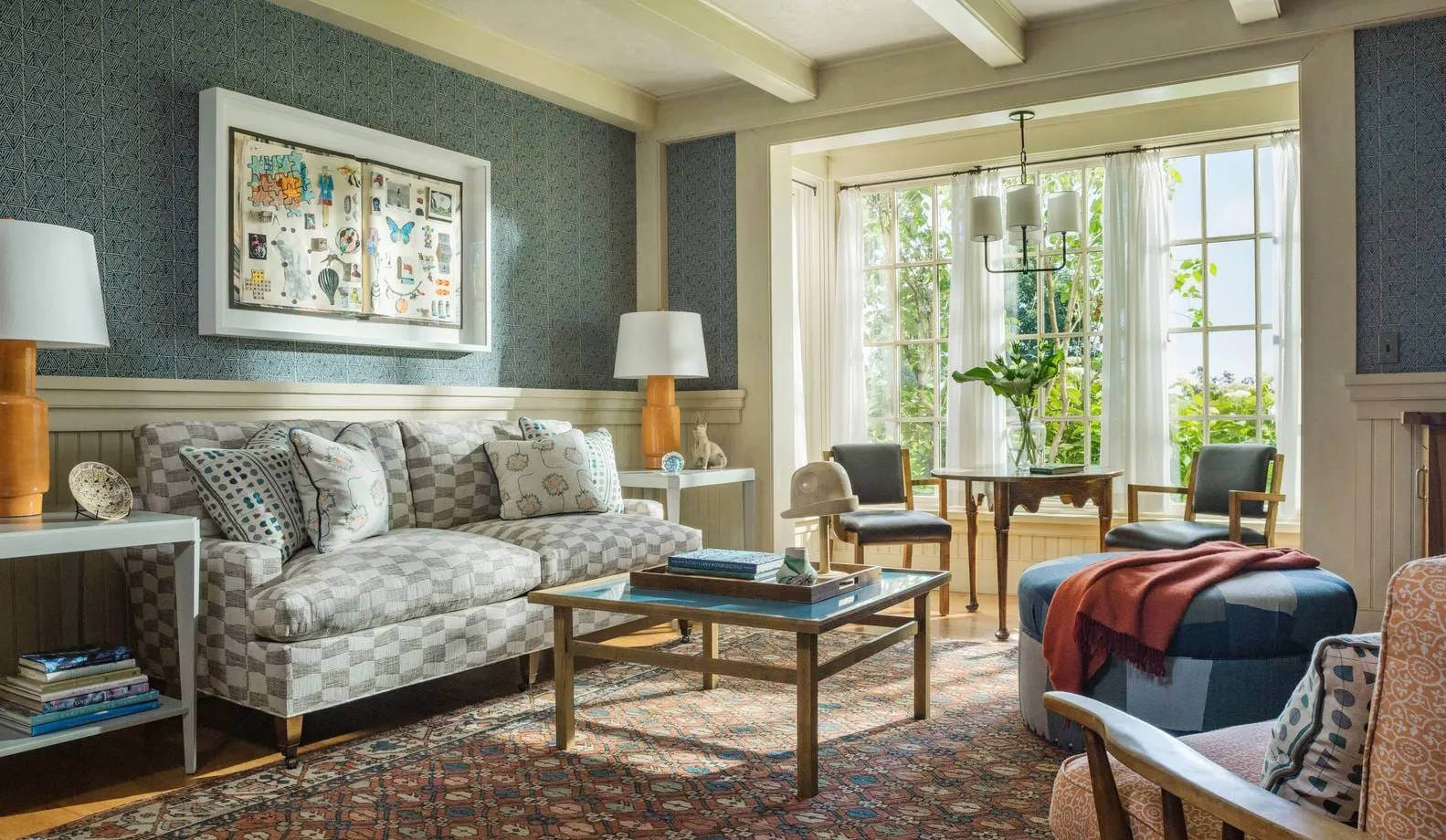
Barnard, United States
Twin Farms
A Nobel laureate's wedding-gift farm turned into New England's most complete all-inclusive estate, 28 individually designed cottages scattered across 300 private acres.
From $2,200 per night, all-inclusive (double occupancy)