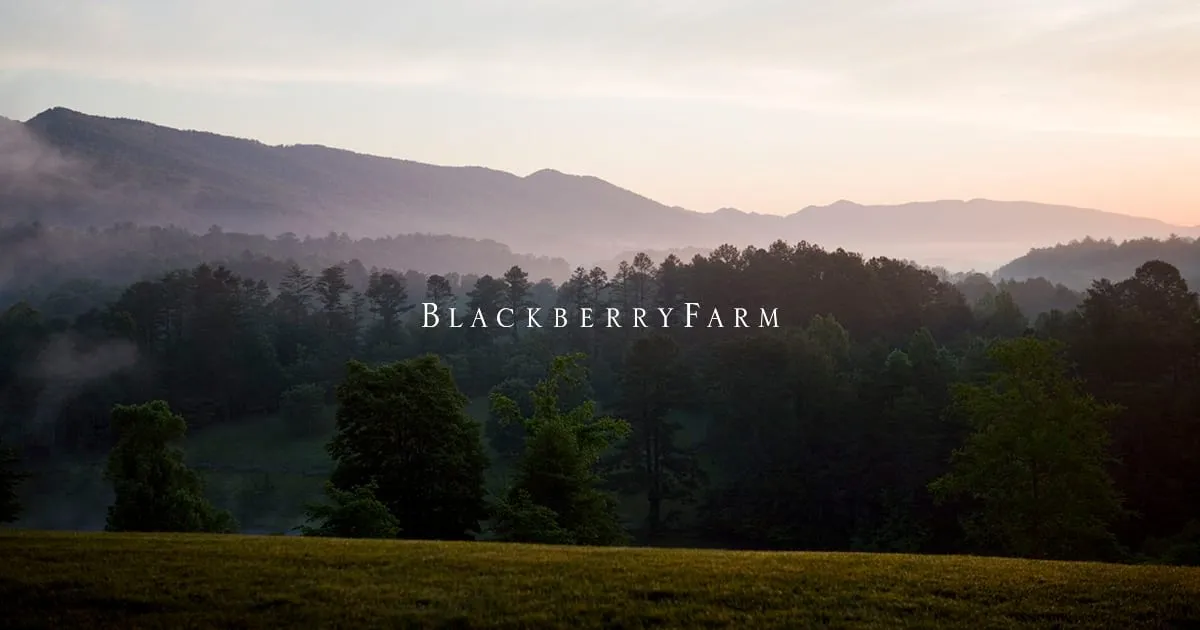
Walland, Great Smoky Mountains foothills, United States
Blackberry Farm
A 4,200-acre working farm at the foot of the Great Smoky Mountains where the Beall family built an entire school of American cooking around cheese, garden and pasture.
- Rates from
- From $1,145 per night
- Nearest airport
- McGhee Tyson Airport, Knoxville (TYS)
- Transfer
- About 25-30 minutes by road
- Best months
- April to June and September to November, for garden season and Smoky Mountains foliage; December for the farm's holiday programme
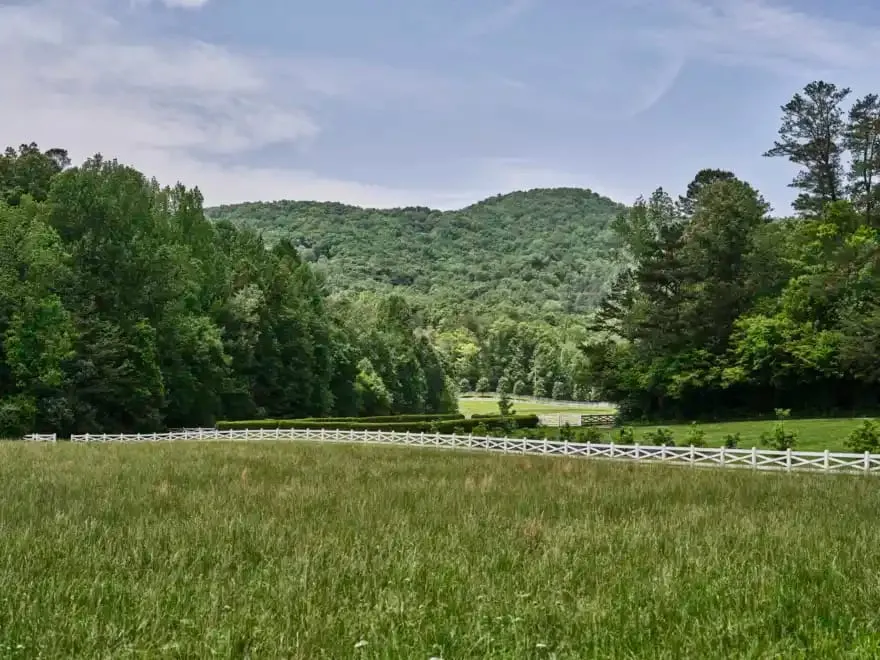
There is a particular kind of American luxury that has nothing to do with marble lobbies or infinity pools, and Blackberry Farm has spent half a century building the case for it. Set on 4,200 acres of pasture, woodland and garden at the foot of the Great Smoky Mountains, the resort operates less like a hotel and more like a working farm that happens to also offer some of the country’s most consistently celebrated cooking. Sheep graze within sight of the guest cottages. A master gardener who has spent decades tracing heirloom Appalachian seed varieties still walks the rows each morning. The cheese served at dinner was very possibly milked, aged and cut on the same afternoon, a few hundred yards from the table.
The story begins with a torn stocking. In 1939, a Chicago visitor named Florida Lasier caught her silk stockings on a wild blackberry bramble while exploring this stretch of the Smoky Mountain foothills, and the name stuck to the property she and her husband David went on to develop as a private estate, opening in 1941. It passed through the Jarvis family before Sandy Beall, the Nashville restaurateur who founded the Ruby Tuesday chain, bought it with his wife Kreis in December 1976, initially running it as a small country inn. The Bealls converted the six-bedroom property into a proper resort in 1990, and it was their son, Sam Beall, who took the reins as proprietor in 2003 and pushed Blackberry Farm toward the culinary reputation it holds today, before his death in a skiing accident in Colorado in 2016. His widow, Mary Celeste Beall, has led the resort since.
What makes Blackberry Farm worth the detour from Interstate 40 is not its scale, sixty-eight accommodations spread across a property most resorts would fill with a single wing, but its depth of commitment to a single idea: that a hotel kitchen is only as good as the farm behind it. That idea now has a name, Foothills Cuisine, trademarked and taught here since the early 1990s, and it underwrites everything from the resort’s James Beard Award-winning restaurant to the cheese cave where the on-site creamery ages its own wheels.
This guide covers what the estate actually is today: how it is built, what a stay involves, where the food comes from, and who is likely to get the most out of a few unhurried days in the Tennessee foothills.
Why It Stands Out
Most luxury hotels that describe themselves as “farm to table” mean a supplier relationship. Blackberry Farm means it literally: the resort has grazed its own sheep, tended its own gardens and run its own creamery for decades, and the kitchen’s ingredient list reads like an inventory of the estate itself rather than a marketing claim. The Barn, the resort’s flagship restaurant, won the James Beard Foundation’s award for Outstanding Service in 2015 and continues to draw serious food travelers on the strength of tasting menus built almost entirely from what grows or grazes within walking distance.
The resort’s other distinguishing fact is scale without density. Sixty-eight rooms, suites, cottages and houses are scattered across 4,200 acres, meaning the property never feels crowded even at full occupancy, and a guest can walk from a historic room to the gardens, the creamery, a working barn and a trout stream without leaving the grounds. Few resorts anywhere combine that kind of land with that level of culinary ambition, and fewer still can claim, as Blackberry Farm can, roughly fifty years of continuous family ownership shaping both.
Architecture
Blackberry Farm’s buildings read as a working Appalachian estate rather than a purpose-built resort, because in large part that is what they are: a scattering of historic and newer structures set at the edge between forest and pasture, in the vernacular of the surrounding mountains rather than a single unified hotel block. Johnson Architecture, the Knoxville firm that has worked on the property since 1999, has shaped much of what exists today, extending the estate’s classic American, Appalachian-inflected style across new construction, guest cottages, the Wellhouse spa building and additions to the Main House, while keeping new structures in conversation with the original 1930s and 40s buildings rather than competing with them.
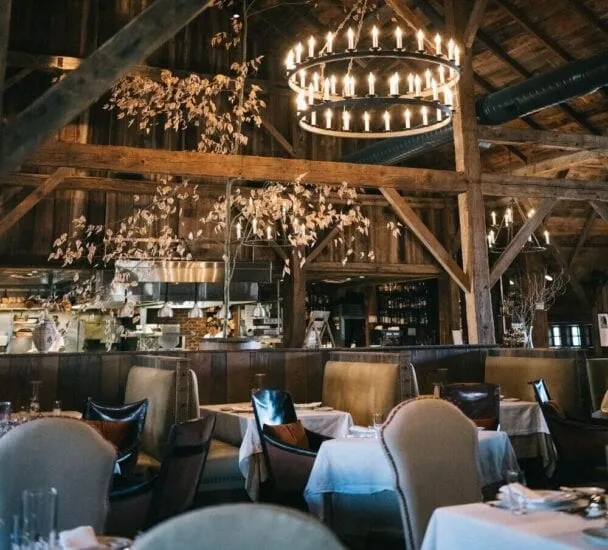
The centerpiece for many visitors is The Barn, a turn-of-the-century bank-style barn at the heart of the Farmstead, converted into the resort’s fine-dining restaurant while keeping much of its original agricultural form. Elsewhere on the estate, the Carriage House and other newer structures pair reclaimed materials, stone, slate, plaster, reclaimed white oak, with contemporary building technology, an approach the resort’s design team has described as balancing historical authenticity with modern comfort. The overall effect is of a property that grew organically over decades rather than one built to a single master plan, which is close to the truth of it.
Interior Design
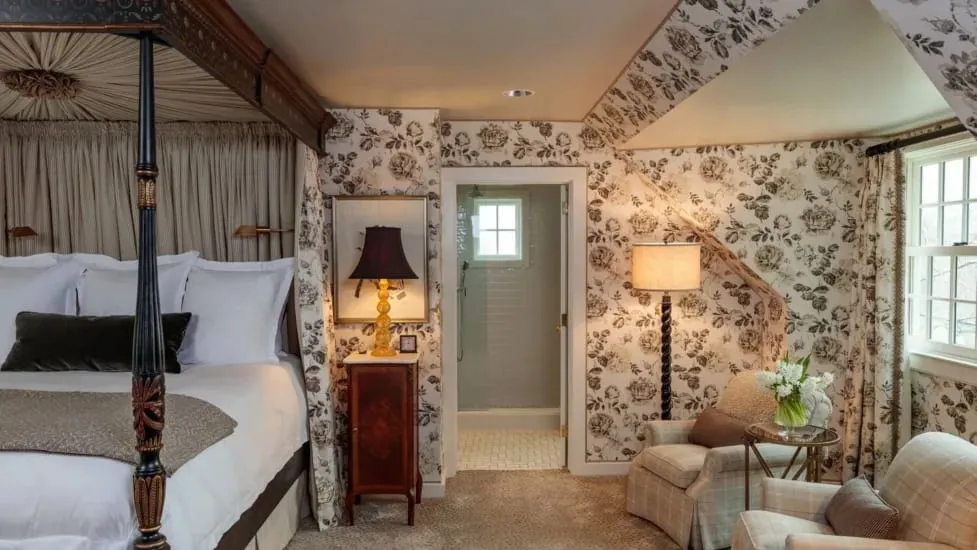
Interiors across Blackberry Farm are handled by the resort’s in-house design team, Blackberry Farm Design, working alongside outside firms including Tammy Connor Interior Design on specific projects. The guiding sensibility favors fine antiques, regional art and a lived-in country-house register over the glossier finishes typical of large luxury resorts; furnishings are meant to feel authentic to the estate’s history without becoming too precious to actually use.
Each accommodation category carries its own distinct character rather than a single repeated template, a byproduct of the resort’s growth over decades rather than a single construction phase. Common threads run through the collection nonetheless: warm wood tones, quilts and textiles with a regional Appalachian sensibility, and windows and porches oriented toward the surrounding pasture and mountain views rather than inward toward the room itself.
Atmosphere
The register at Blackberry Farm sits closer to an extended country-house weekend than a conventional resort stay. Days tend to organize themselves around meals, activity outdoors, and long stretches of unstructured quiet, with the estate’s own rhythms, farm chores, garden harvests, cheese production, providing a kind of ambient program even for guests who never book a single formal activity. There is very little that reads as performance here; the animals, the gardens and the working kitchens are functioning parts of the resort’s operation rather than a themed backdrop.
That said, the property is unmistakably formal where it counts. Dinner at The Barn carries real ceremony, multiple courses, a serious wine list, dress expectations more considered than jeans and a T-shirt, and staff who have built genuine expertise in Foothills Cuisine rather than reciting a script. The result is a stay that alternates between barn-and-pasture informality by day and a polished, celebratory dining register by night, a combination that is a large part of the resort’s appeal to serious food and wine travelers.
Rooms and Suites
Blackberry Farm offers sixty-eight accommodations across five broad categories, each with a distinct footprint on the estate. Historic Rooms occupy the original Main House and its earliest additions, closest to the heart of the property. Nine Estate Rooms sit in the Guest House, generally regarded as an elevated step up from the Historic category. Cottage Suites, including the Singing Brook cluster set on a wooded hillside near the Farmstead, and a scattering of individually distinct Hill Cottages, offer more separation and privacy, while the Farmstead Cottage stands as the largest double-occupancy option on the property. At the top of the range, multi-bedroom Houses, several with private pools, suit families or groups traveling together and wanting a fully self-contained base.
Published rates give a sense of the spread: entry-level Historic Rooms start well above a thousand dollars a night, Estate Rooms and cottage categories climb from there, and the multi-bedroom houses run considerably higher again. Every category is furnished with fine antiques and regional art through the resort’s in-house design studio, and traditional rates include dinner on arrival night through breakfast on departure day, with a three-night minimum required for most stays.
Dining
Dining is the center of gravity at Blackberry Farm, and the resort operates multiple distinct venues rather than a single flagship. The Barn, set in the converted bank barn at the heart of the Farmstead, is the showpiece: a James Beard Award-winning restaurant serving multi-course Foothills Cuisine menus built around Appalachian ingredients and the estate’s own gardens and livestock, paired with a wine program housed in The Barn’s cellar and running to thousands of selections. Executive chef Cassidee Dabney, who joined the resort in 2010 and has led The Barn’s kitchen since 2015, continues the culinary line established by John Fleer, the chef who coined the term Foothills Cuisine during his tenure from 1992 to 2007 and built the resort’s early reputation.
The Dogwood offers a more relaxed, family-friendly alternative with an earlier seating, while Main House dining rounds out the resort’s core venues. Beyond formal restaurants, the estate runs a serious cheese program out of its own creamery, aging wheels made from the milk of its East Friesian, Lacaune and Assaf dairy sheep in an on-site cheese cave, alongside a whiskey cave and wine cellar used for guided tastings. Guests can also join hands-on culinary experiences, from cheesemaking workshops to farmstead tasting tours through the gardens and livestock, that make the kitchen’s supply chain visible rather than theoretical.
Spa and Wellness
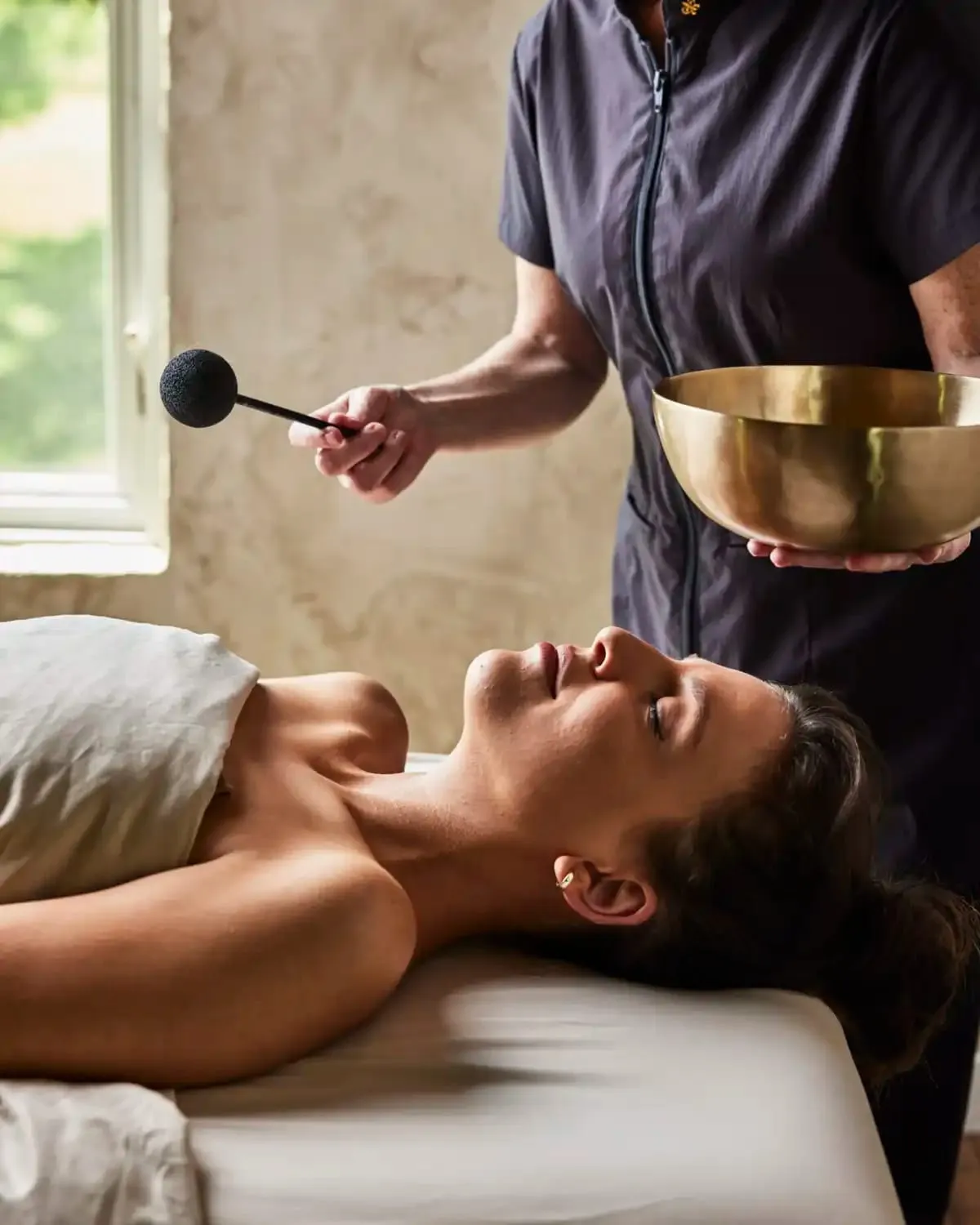
The Wellhouse, designed by Johnson Architecture, is Blackberry Farm’s spa and wellness building, offering treatments described by the resort as inspired by science, technology and the rhythms of the surrounding farm. The treatment menu runs from massage and hydrating facials to more specialized bodywork, alongside a juice bar serving farm-fresh ingredients and a program of yoga and movement classes led by certified instructors.
Guests seeking a more intensive wellness focus are often better served by Blackberry Mountain, the resort’s sister property roughly seven miles away, which was built explicitly around fitness, outdoor adventure and Ayurvedic-influenced spa treatments across its own 5,200-acre footprint. At Blackberry Farm itself, wellness functions as one thread among several rather than the organizing purpose of the stay, complementing rather than competing with the estate’s culinary focus.
Experiences
Outdoor activity at Blackberry Farm draws directly on the estate’s own terrain and waterways. Fly fishing is a genuine strength of the property: Hesse Creek, which runs through the grounds, holds rainbow and brown trout, and guided experiences run in four, six or eight-hour blocks, on-property or further afield in the surrounding national forest. Sporting clays sessions run at set times through the day, and the estate’s network of trails supports hiking, cycling and horseback riding across pasture and woodland.
The Farmstead itself functions as an experience in its own right. Guests can tour the working gardens with the resort’s longtime master gardener, visit the creamery and cheese cave, spend a day shadowing a cheesemaker, or join wine and whiskey tastings in the estate’s cellar and cave. Seasonal programming, tied to the farm’s own calendar of plantings, harvests and animal husbandry, means the roster of available experiences shifts meaningfully through the year rather than repeating a fixed resort activity sheet.
Who It Is For
Blackberry Farm suits travelers who want their luxury tied to a genuine sense of place: serious food and wine enthusiasts, couples marking an anniversary or planning a wedding, and anyone drawn to the idea of a working farm rather than a manufactured resort experience. Families are welcome and reasonably well accommodated, particularly through The Dogwood’s earlier, more relaxed dining hours and the resort’s multi-bedroom house category, though the property’s core identity, formal dining, quiet pastoral scale, leans toward adults seeking an unhurried few days over a high-energy family holiday.
It is a weaker fit for travelers wanting dense, walkable access to shops, nightlife or a broader town beyond the estate itself; Blackberry Farm’s appeal depends almost entirely on staying on or near the property and engaging with what it offers directly, rather than using it as a base for exploring greater Knoxville or the wider Smokies.
Best Time to Visit
Spring and early summer bring the gardens into full production and the surrounding hills into bloom, a period many food-focused guests treat as the ideal window for tasting the kitchen’s seasonal range at its peak. Fall brings the Smoky Mountains’ well-known foliage display along with harvest-season menus and a full slate of outdoor activity, while the resort’s holiday programming in December adds a more festive, family-oriented register. Summer remains busy and warm, well suited to fly fishing and the estate’s outdoor pools, though it draws the heaviest booking demand of the year alongside fall foliage season.
How to Get There
McGhee Tyson Airport (TYS) in Knoxville is the closest airport, roughly 25 to 30 minutes from the resort by road, and the most practical gateway for most travelers. The resort offers a private car service between the airport and the property for guests who prefer not to arrange their own transfer. Nashville and Asheville are both within a few hours’ drive for travelers combining a stay with a wider regional trip, though neither functions as a realistic day-of arrival point given the distance.
Nearby Experiences
The Great Smoky Mountains National Park lies a short drive from the resort, offering hiking and scenic drives well beyond what is available on the estate itself, and Cades Cove, one of the park’s most visited valleys for wildlife viewing and historic homesteads, is a popular half-day excursion for guests wanting to leave the property. Downtown Knoxville, with its own restaurant and arts scene, sits roughly 30 to 45 minutes away and makes a reasonable change of pace from the farm’s rural quiet.
Blackberry Mountain, the resort’s sister property about seven miles away, is worth a visit in its own right for guests curious about its more adventure and wellness-oriented program, and many travelers combine a few nights at each property into a single trip through the region.
Things to Know Before Booking
A three-night minimum applies to most stays, with longer minimums required around major holidays; Thanksgiving, for instance, has required a five-night minimum in past seasons. Traditional room rates include dinner on arrival day through breakfast on departure day, but most guided experiences, spa treatments and premium wine selections are billed separately, so a full stay typically runs well above the quoted nightly rate once activities and dining are factored in. The Barn, the resort’s fine-dining flagship, generally does not accommodate children under ten, though The Dogwood offers a family-friendly alternative with an earlier seating. Pets are welcome at Blackberry Farm itself, though not, at time of writing, at the sister property Blackberry Mountain. Given the property’s rural setting and limited nearby alternatives, guests should confirm arrival logistics and any dietary requirements well in advance of a stay.
Sustainability
Sustainability at Blackberry Farm is less a stated policy than the operating logic of the estate itself. The farm’s gardens are tended around heirloom seed varieties, some traced back generations by longtime master gardener John Coykendall, with plantings designed to mimic natural diversity and support pollinators rather than run as a conventional monoculture. Livestock, including the East Friesian, Lacaune and Assaf dairy sheep that supply the creamery, heritage-breed chickens kept in mobile coops, and pigs raised for the estate’s charcuterie program, are managed as an interconnected system rather than separate operations, with animals rotated across pasture in ways that follow farming traditions the Beall family has described as inherited from earlier generations of Appalachian farmers. As with any resort-authored sustainability program, guests who weigh these practices heavily in a booking decision should confirm current specifics directly with the property.
Practical Information
Blackberry Farm is located at 1471 West Millers Cove Road, Walland, Tennessee 37886, on a 4,200-acre estate in the foothills of the Great Smoky Mountains. Check-in begins at 4:00pm and check-out is at noon. Rates start from around USD 1,145 per night for entry-level Historic Rooms based on double occupancy, climbing through Estate Rooms, cottage categories and multi-bedroom houses, with a three-night minimum stay generally required; published rates exclude sales tax, occupancy tax and service charge. The resort is a member of Relais & Chateaux and operates year-round. Most guests stay three to four nights, long enough to move through a full arc of the estate’s dining, garden and outdoor programming without rushing.
Editorial Conclusion
Blackberry Farm’s case for itself is unusually literal for a luxury resort: the pasture is real, the cheese cave is real, and the kitchen’s ingredient list is, for the most part, a map of the property rather than a marketing flourish. Five decades under one family have given the estate a coherence that is difficult to manufacture on a faster timeline, a working farm that grew a resort around it rather than a resort that added a farm for atmosphere. For travelers whose idea of luxury runs toward genuine provenance, unhurried pace and some of the most consistently excellent regional American cooking in the country, Blackberry Farm remains one of the clearest expressions of that idea currently operating.
In pictures
On the map
Walland, Great Smoky Mountains foothills, United States
Questions
Frequently asked
How far is Blackberry Farm from the nearest airport?
McGhee Tyson Airport (TYS) in Knoxville is the closest airport, about 25 to 30 minutes away by road. The resort can arrange a private car service, and it is also within driving range of Nashville and Asheville for guests routing through those hubs instead.
Is Blackberry Farm the same property as Blackberry Mountain?
No, though the two are related. Blackberry Farm is the original 4,200-acre estate in Walland, built around Foothills Cuisine, gardens and a working farm. Blackberry Mountain, opened by the same family in February 2019, sits about seven miles away on 5,200 acres of the Chilhowee Mountain ridge and leans more heavily into wellness, fitness and outdoor adventure. Guests can typically arrange access to both during a stay.
Does Blackberry Farm allow children?
Yes, children of all ages are welcome. Those under four generally stay free in a parent's room, with a nightly charge for older children sharing a room. The Barn, the resort's fine-dining flagship, is set for guests ten and older, while The Dogwood offers an earlier, more casual seating that accommodates families with younger children.
What is Foothills Cuisine?
Foothills Cuisine is Blackberry Farm's trademarked culinary philosophy, coined during chef John Fleer's tenure in the 1990s, built around Appalachian ingredients, the resort's own gardens, livestock and cheese program, and a refined but regionally rooted style of cooking. It remains the organizing idea behind the menus at The Barn and The Dogwood today.
Is Blackberry Farm all-inclusive?
Traditional rates are based on double occupancy and include nightly accommodation along with dinner on the day of arrival through breakfast on the day of departure. Most guided experiences, spa treatments and premium wine selections are billed separately, so it functions closer to a meal-inclusive country house than a fully all-inclusive resort.
Same destination
More hotel guides in United States

Midtown Manhattan, New York City, United States
Aman New York
Eighty-three suites folded into a landmarked 1921 Beaux-Arts tower on Fifth Avenue, with a three-floor spa larger than any other Aman on earth.
From $2,300 per night
Rutherford, Napa Valley, United States
Auberge du Soleil
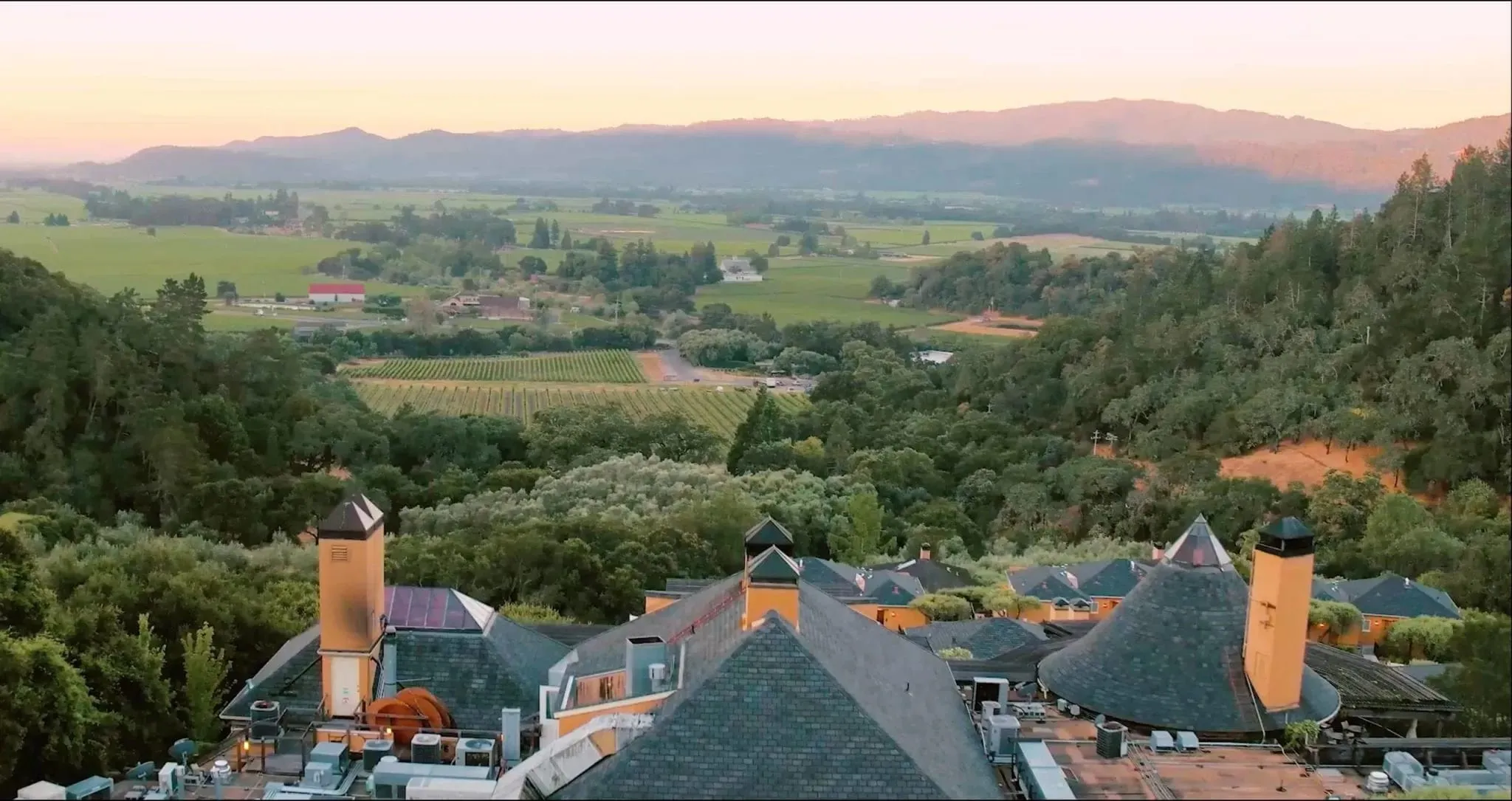
The Provence-inspired hillside inn that gave an entire hotel group its name, its philosophy, and one of Napa Valley's longest-running Michelin stars.
From $1,200 per night
Bel Air, Los Angeles, United States
Hotel Bel-Air
Twelve acres of Mission-style bungalows and a private swan lake have kept Hollywood's most discreet address quietly out of sight since 1946.
From $1,250 per night