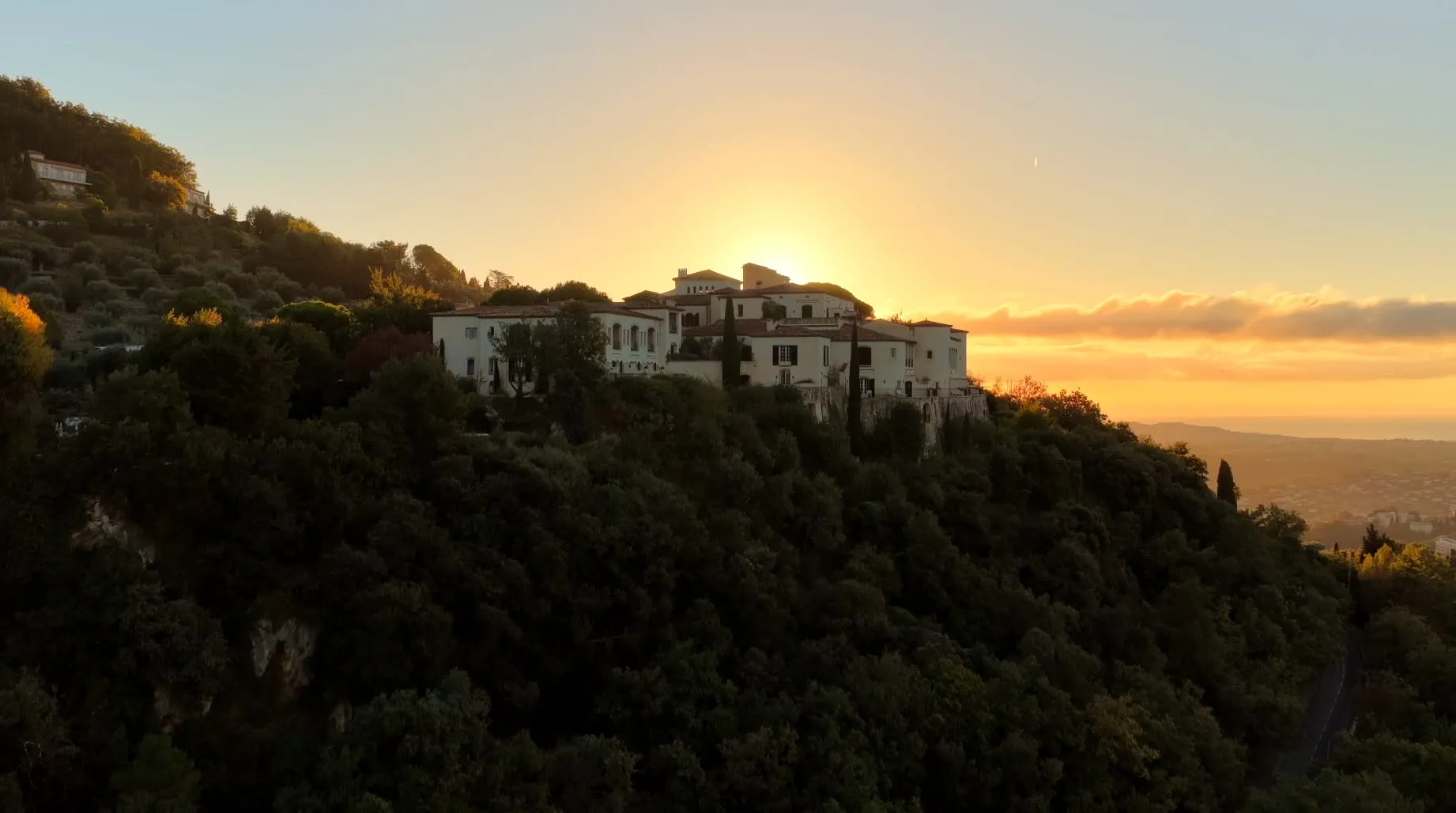
Vence, above the Riviera coast, France
Chateau Saint-Martin & Spa
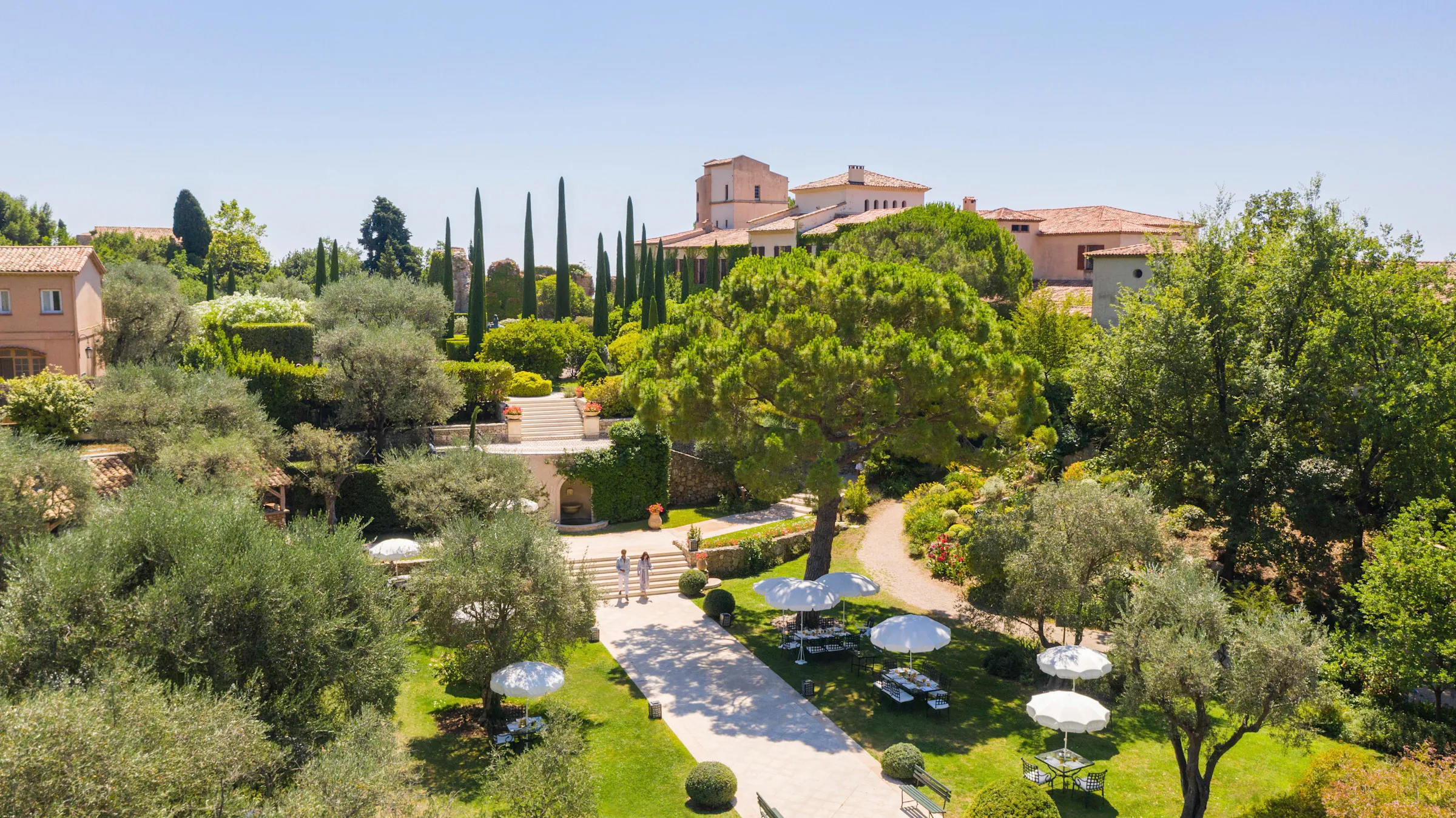
A 12th-century Knights Templar commandery turned Relais & Châteaux estate, its own olive groves and vineyards spread across a Vence hillside above the Mediterranean.
- Rates from
- From €1,050 per night
- Nearest airport
- Nice Côte d'Azur Airport (NCE)
- Transfer
- About 30 minutes by road
- Best months
- The hotel keeps a seasonal calendar, open roughly May to mid-October; June and September bring the mildest hillside weather and clearest coastal views, while July and August are hottest and busiest
Most of the French Riviera’s grand hotels sell a view of the sea. Chateau Saint-Martin & Spa sells the view of the sea from above it, from a fortified hillside outside Vence that has been watching the coastline for the better part of a thousand years. Long before it was a Relais & Châteaux address, the site was a Knights Templar commandery, a working outpost that oversaw olive groves, vineyards and the strategic approach to the Mediterranean below. The hotel that occupies the site today has kept all three: the fortress bones, the olive trees and the vines, which makes it one of the rare grand hotels on this coast whose luxury is rooted in agriculture as much as in architecture.
That distinction matters more here than at almost any other address between Menton and Saint-Tropez. Where the Riviera’s best-known hotels, Cap d’Antibes’ clifftop palaces and Saint-Tropez’s harbour-front icons among them, build their identity around proximity to the water, Chateau Saint-Martin is built around distance from it, on a hillside estate of some 13 hectares where the sea is a backdrop rather than the point. Guests come down to the coast easily enough when they want to, but the property itself asks them to slow into a different register: gardens, olive harvests, a wine cellar built inside the old fortification, and a quiet that a beachfront address simply cannot offer.
Why It Stands Out
The Templar history is not a marketing footnote here, it is structural. A chapel from the order’s era still stands in the grounds, and one of the hotel’s two wine cellars occupies a vaulted stone chamber that served as the commandery’s storage vault eight centuries ago. Few hotels on the Riviera, or anywhere in the south of France, can point to a specific medieval military order as their site’s first occupant, and fewer still have kept physical evidence of it rather than simply retelling the story in a guest binder.
The second distinction is that the estate still works as an estate. Centuries-old olive trees, said to descend from groves the Templars planted, are harvested each year to produce the hotel’s own olive oil, and a working vineyard supplies the estate’s own wine, stored in part in that original Templar vault. That combination of working agriculture and hospitality is closer to the model of a Tuscan wine estate than to the typical Riviera grand hotel, and it gives Chateau Saint-Martin a genuine point of difference from the coastal properties in the same collection.
The third is the contrast in register itself. Cap d’Antibes’ storied clifftop hotels and Saint-Tropez’s harbour addresses are built for see-and-be-seen energy, in port and on private beach clubs. Chateau Saint-Martin, set back in the hills above Vence, trades that visibility for privacy, panoramic distance and a pace closer to a countryside retreat than a beach resort, while still keeping the coast within a half-hour’s reach.
Architecture
The château sits on a site granted to the Knights Templar around the turn of the 12th century and developed into a fortified commandery by roughly 1150, chosen for its command of the surrounding olive groves, vineyards and sightlines down to the Mediterranean. A chapel from that period, the Chapelle Saint-Martin, survives in the grounds today, one of the few physical threads connecting the current hotel back to its medieval origin. What stood on the site through the centuries between the Templars’ suppression and the modern era is less clearly documented in public sources; the hotel’s own account holds that the property fell into ruin before being rebuilt on the foundations of the former commander’s residence and opened as a hotel in the 1930s, though precise dates vary between sources, and guests with a close interest in the detail are best served asking the hotel’s own historians on property.
The hotel’s own address, on the Avenue des Templiers, still carries the order’s name. The main château building houses the bulk of the 42 rooms and suites, its stone facade and shuttered windows reading as a fortified manor rather than a purpose-built hotel, while six free-standing Provençal-style villas are set apart across the hillside gardens for guests wanting a fully private structure of their own.
Interior Design
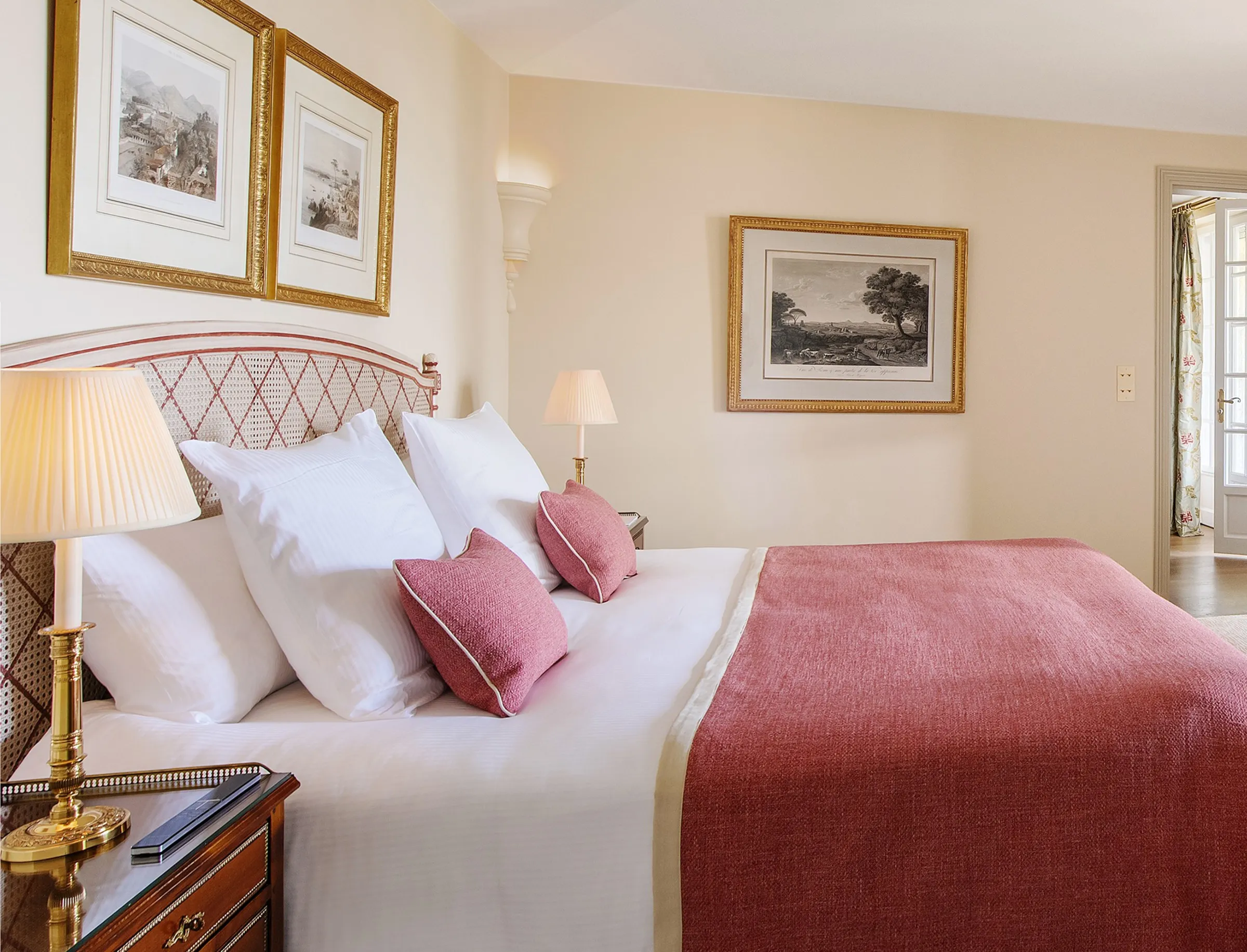
Interiors lean into the property’s dual identity as fortress and country house: thick stone walls and stone detailing sit alongside a softer Provençal material language of warm plaster, terracotta and antique furniture. Rooms and suites are individually decorated rather than run to a single uniform template, a detail consistent with the property’s decades inside the Relais & Châteaux collection, which it has belonged to since 1970.
The public rooms carry the same balance: reception halls and sitting rooms that keep the château’s historic proportions and stonework, furnished with a mix of antiques and comfortable upholstered pieces rather than a stripped-back contemporary scheme. It is a look built for longevity rather than trend, in keeping with an estate whose oldest fabric predates the hotel itself by the better part of a millennium.
Atmosphere
The overriding sense at Chateau Saint-Martin is of quiet elevation, both literal and figurative. Perched above Vence roughly halfway between Nice and Cannes, the hotel keeps the coast in view without any of the density, traffic or crowd energy of the towns along the water. Days move at the pace of the gardens: a walk among the olive trees, a swim in the heated infinity pool, a glass of the estate’s own wine before dinner.
That is a deliberate contrast with the Riviera’s harbour-front and clifftop addresses, where a large part of the appeal is proximity to marina life, beach clubs and the visible parade of other travellers. Guests who choose Chateau Saint-Martin specifically for a countryside register, gardens, olive groves, vineyard views, a Michelin-linked restaurant looking out over quiet hillside rather than a crowded promenade, tend to be well served by that trade. Those who want to be in the middle of Saint-Tropez’s or Cap d’Antibes’ social scene each evening should treat the half-hour drive down to the coast as a feature to plan around rather than assume away.
Rooms and Suites
The hotel has 42 rooms and suites in the main château, plus six free-standing, Provençal-style villas set into the hillside gardens, putting the total in the region of 46 to 48 keys depending on how the villas are counted. Categories run from Classic and Deluxe rooms through Junior Suites and one-bedroom suites, most fitted with a private terrace or balcony framing either the gardens, the olive groves or the coastline in the distance.
Decor varies by room rather than following a single fixed template, consistent with the estate’s long-standing Relais & Châteaux membership, with antique furniture and stone detailing recurring across categories. The six hillside villas offer the most private format on the property, each set apart from the main château within its own section of garden, suited to guests prioritising seclusion over proximity to the restaurants and spa.
Dining
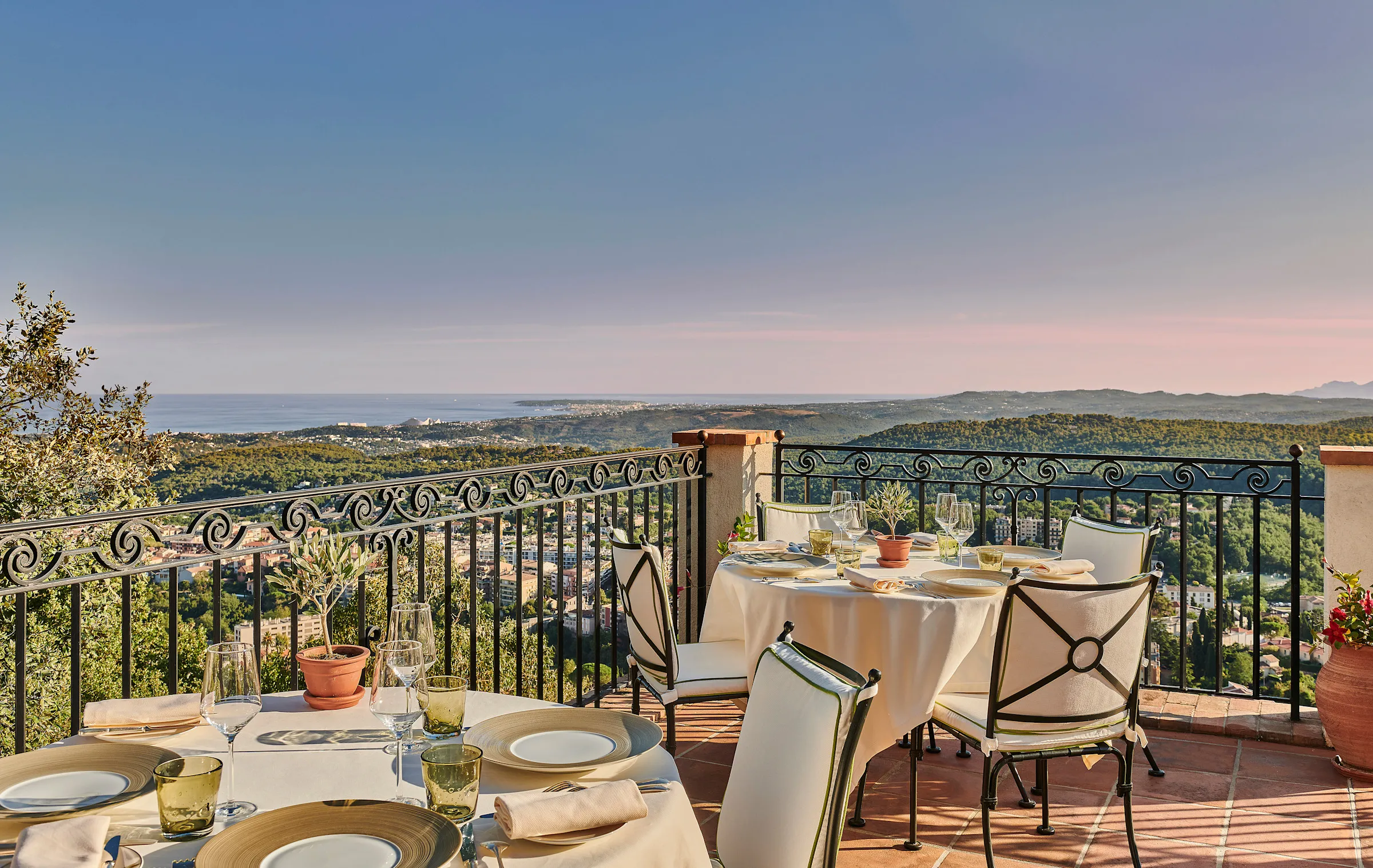
Le Saint-Martin is the estate’s gastronomic restaurant, set on a terrace with panoramic views over the gardens and down toward the Mediterranean. The kitchen built a Michelin-starred reputation over years under longtime chef Jean-Luc Lefrançois, and the 2026 season brought a change in leadership, with executive chef Romain Antoine, who also cooks at the Oetker Collection’s Alpine property Le Strato in Courchevel, taking over the kitchen with a menu built around noble, seasonal, local produce.
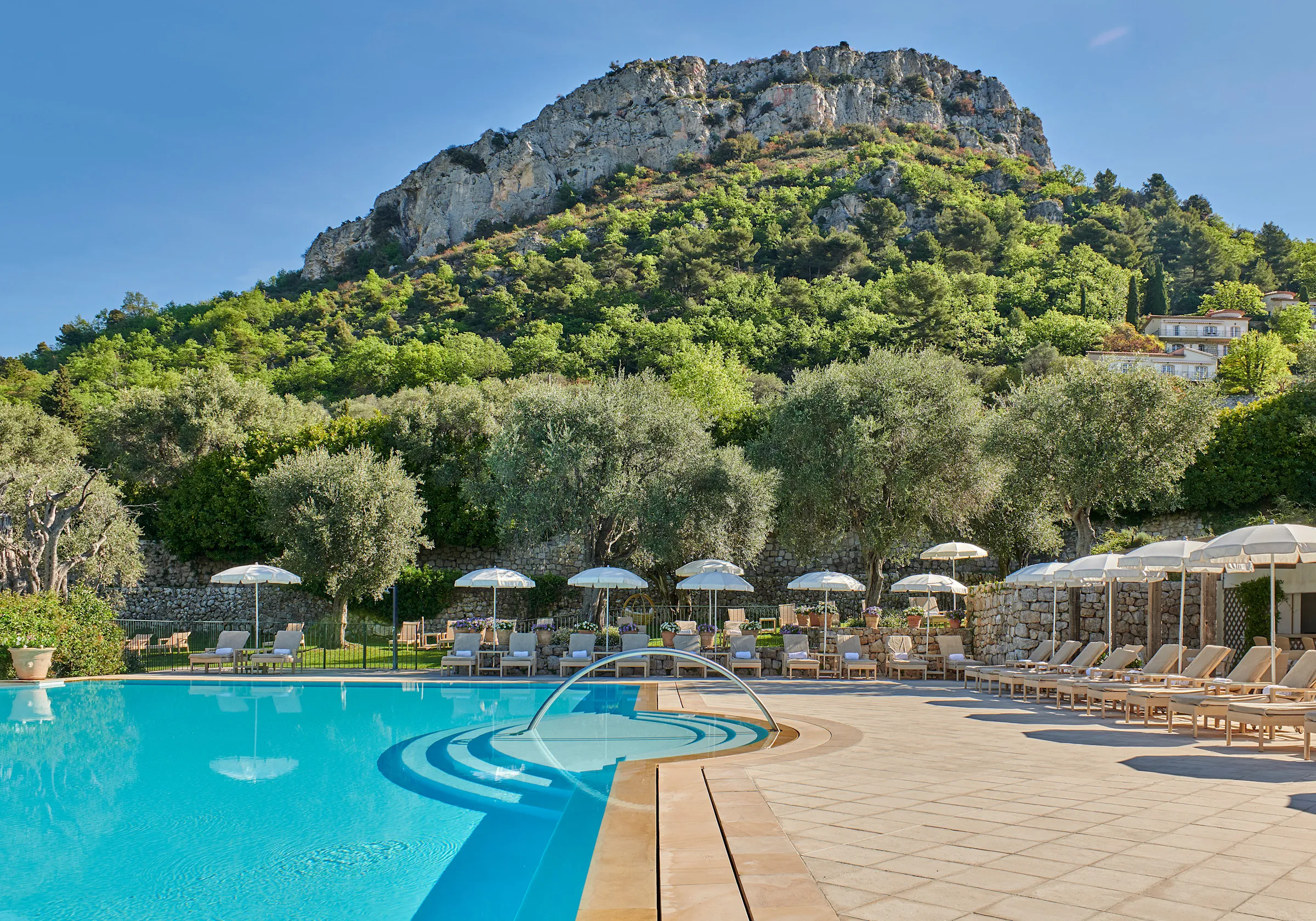
L’Oliveraie is the estate’s summer restaurant, set beside the pool in the shade of centuries-old olive trees, serving grilled meats and fish, wood-fired pizza and produce grown in the hotel’s own kitchen garden, a more relaxed counterpoint to Le Saint-Martin’s formal register. Le Rossini operates as the property’s bar, the natural stop before or after dinner, alongside a separate pool bar for daytime dining and drinks. Both restaurants draw where possible on the estate’s own olive oil and wine, reinforcing the sense of a kitchen working from its own land rather than importing everything from outside it.
Spa and Wellness
Wellness is centred on Spa Saint-Martin by La Prairie, which has been named Best Luxury Spa Destination in Europe at the World Luxury Spa Awards. The spa is built around indoor and outdoor pools, sauna and steam room, alongside four treatment rooms and a dedicated couples’ suite, and a beauty cabin for aesthetic care; treatments can also be taken outdoors under a garden cabana rather than indoors, a format suited to the estate’s mild-season climate.
Beyond the spa itself, the grounds hold a heated infinity pool set into the sloping lawns, a fitness centre, a tennis court and two pickleball courts, giving the property a broader sport and leisure offering than a spa-only wellness programme. The gardens themselves, planted around the estate’s olive groves, function as a wellness space in their own right, built for slow walking rather than programmed activity.
Experiences
The estate’s own agriculture is the centrepiece of its experience programme: guided walks through the olive groves and gardens, tastings of the hotel’s own olive oil and wine, some of it aged in the original Templar-era vaulted cellar, and, depending on season, harvest-linked activities tied to the olive and grape calendar. It is a meaningfully different offer from the water-sport and beach-club programming typical of the coastal Riviera hotels a half-hour’s drive away.
The hillside setting also opens onto the medieval villages of the Riviera hinterland, chief among them Saint-Paul-de-Vence, a short drive away and one of the region’s best-known perched villages and home to the Fondation Maeght modern art museum, along with Vence itself, whose old town and Matisse-decorated Chapelle du Rosaire are both within easy reach. Guests wanting a beach day can descend to the coast, Nice, Antibes or Cannes are all reachable within roughly half an hour to 45 minutes, making the hotel a workable base for a countryside stay with an optional coastal day rather than the reverse.
Who It Is For
Chateau Saint-Martin suits travellers who want the French Riviera’s climate and cultural reach without its harbour-front intensity: couples and honeymooners drawn to a quiet, garden-set hotel with genuine history behind it, wine lovers interested in an estate that produces its own label and stores part of it in a medieval vault, and history-minded guests curious about a Knights Templar site that has kept physical evidence of its past rather than only its name.
It is a less natural fit for travellers whose primary reason for visiting the Riviera is beach-club and marina life each day; the coast is a half-hour’s drive away rather than a few steps from the room, a trade-off well suited to a countryside-format stay but worth weighing against a clifftop or harbour-front alternative if daily beach access is the priority.
Best Time to Visit
The hotel keeps a seasonal calendar rather than operating year-round, generally open from around the start of May to mid-October, in step with the Riviera hinterland’s warm-weather months. June and September tend to offer the most comfortable hillside temperatures, clear coastal views and a quieter garden and pool, while July and August bring the fullest Mediterranean summer heat and the region’s peak crowds and rates. Guests hoping to combine a stay with the olive or grape harvest should ask the hotel directly, since the exact timing shifts from year to year with the season’s weather.
How to Get There
The hotel is reached via Nice Côte d’Azur Airport (NCE), the region’s main international gateway, from which it is a drive of roughly 19 kilometres, taking about 30 minutes and sometimes closer to 40 in heavier coastal traffic, up into the hills above Vence. Private transfers can be arranged directly through the hotel, and the route climbs steadily from the coast into the hinterland, itself a preview of the estate’s elevated, garden-set setting. Guests arriving from Cannes or further along the coast should budget a similarly short drive, with the property sitting roughly halfway between the two cities.
Nearby Experiences
Vence itself, just below the estate, has a compact old town and is home to the Matisse-decorated Chapelle du Rosaire, one of the artist’s late-career works and a genuine destination for anyone interested in 20th-century art. Saint-Paul-de-Vence, a short drive away, is one of the Riviera hinterland’s best-known perched medieval villages, its ramparts, galleries and the nearby Fondation Maeght making it a natural half-day excursion.
For guests wanting the coast, Nice, Antibes and Cannes are all within roughly half an hour to 45 minutes by road, putting the Riviera’s beach clubs, old towns and harbours within comfortable single-day reach without requiring a change of hotel. The contrast between a morning in the estate’s gardens and an afternoon on the coast is, for many guests, the specific appeal of basing a stay here rather than directly on the water.
Things to Know Before Booking
The hotel’s seasonal operating calendar is worth confirming directly when planning a visit, since it does not run year-round like some of the Riviera’s coastal hotels. The property sits a genuine half-hour’s drive from the beach, a trade worth weighing for travellers whose Riviera trip is built primarily around daily sea and beach-club access rather than a countryside base. Restaurant leadership at Le Saint-Martin changed for the 2026 season, so guests booking specifically around a named chef or a current Michelin rating should verify the latest status directly with the hotel before travelling. Some historical details, including the exact founding and rebuilding dates of the château, vary between sources and are worth asking the hotel about directly for guests with a particular interest.
Sustainability
The estate’s most tangible sustainability credential is structural rather than a marketing overlay: it maintains a working olive grove and vineyard on-site, harvesting its own olive oil and producing its own wine rather than sourcing these from outside suppliers, which keeps a meaningful share of the property’s food and drink programme rooted in its own land. The gardens, planted around the estate’s centuries-old olive trees, are managed as a living agricultural landscape rather than purely ornamental grounds, a distinction that matters on a property whose oldest trees predate the hotel by centuries. Public information on a broader, independently verified sustainability programme, energy, water or waste initiatives specifically, is limited, and guests with detailed questions should ask the hotel directly.
Practical Information
Rates at Chateau Saint-Martin & Spa start from around EUR 1,050 per night, rising through the room and suite categories to the six hillside villas, with pricing that moves seasonally around the property’s May-to-October operating window. Check-in is from 3:00pm and check-out by 12:00pm, standard for the category.
The nearest airport is Nice Côte d’Azur Airport (NCE), roughly 19 kilometres and about 30 minutes away by road. Most stays run two to three nights, enough time to settle into the gardens and pool, take a meal at both Le Saint-Martin and L’Oliveraie, visit the spa, and fit in at least one excursion, whether to Saint-Paul-de-Vence, Vence’s Chapelle du Rosaire, or a day down on the coast. Best months to visit are June and September, when the hillside climate is most comfortable and the estate’s gardens and vineyard are at their most photogenic outside the peak summer crowds.
Editorial Conclusion
Chateau Saint-Martin & Spa makes its case on ground few Riviera hotels can claim: a fortified hillside first held by the Knights Templar, still growing the olives and grapes its garrison once oversaw, now wrapped in Relais & Châteaux hospitality rather than left as ruins or converted into a museum. Against the coast’s clifftop and harbour-front icons, all of them selling proximity to the water, the estate above Vence sells distance from it, and the gardens, cellar and quiet that come with that distance. For travellers who want the French Riviera’s light and culture without its beachfront crowd, it remains one of the hinterland’s most convincing arguments.
In pictures
On the map
Vence, above the Riviera coast, France
Questions
Frequently asked
What is the history behind Chateau Saint-Martin & Spa?
The estate stands on a site that was granted to the Knights Templar around the turn of the 12th century and developed into a fortified commandery by roughly 1150, overseeing the surrounding olive groves, vineyards and sightlines down to the Mediterranean. A chapel from that period, the Chapelle Saint-Martin, still stands in the grounds and is occasionally used for ceremonies today. What followed the Templars' suppression is less clearly documented; the hotel's own account holds that the property fell into ruin before being rebuilt on the foundations of the former commander's residence and opened as a hotel in the 1930s, though sources vary on the precise dates. The estate has belonged to the Relais & Châteaux collection since 1970 and is today operated by Oetker Collection.
How many rooms and suites does the hotel have?
Chateau Saint-Martin & Spa has 42 rooms and suites within the main château, complemented by six free-standing, Provençal-style villas set apart in the grounds for guests wanting a fully private structure, putting the total in the region of 46 to 48 keys depending on how the villas are counted. Categories run from Classic and Deluxe rooms up through Junior Suites and one-bedroom suites, most with a private terrace or balcony over the gardens, olive groves or coastline.
Does the estate really produce its own olive oil and wine?
Yes. The grounds run to roughly 13 hectares (about 32 acres), planted with centuries-old olive trees, said to descend from groves the Templars planted some eight centuries ago, which the estate harvests annually to produce its own olive oil. A working vineyard on the property supplies its own wine, and the hotel holds more than 20,000 bottles across two cellars, one of them a vaulted stone chamber that served as the commandery's original storage vault, giving the wine programme a genuine link to the site's medieval use.
What is dining like, and does the restaurant hold a Michelin star?
Le Saint-Martin, the estate's gastronomic restaurant, built its Michelin-starred reputation over years under longtime chef Jean-Luc Lefrançois and enters the 2026 season under a new executive chef, Romain Antoine, who also cooks at the Oetker Collection's Alpine address, Le Strato in Courchevel. L'Oliveraie, the summer restaurant beside the pool, serves grilled meats and fish, wood-fired pizza and kitchen-garden produce in the shade of century-old olive trees, and Le Rossini operates as the hotel's bar.
What is the spa like, and how far is the hotel from Nice airport?
Spa Saint-Martin by La Prairie is built around indoor and outdoor pools, sauna, steam room, four treatment rooms and a couples' suite, with treatments also offered outdoors under a garden cabana; it has been named Best Luxury Spa Destination in Europe at the World Luxury Spa Awards. The hotel sits roughly 19 kilometres from Nice Côte d'Azur Airport, a drive of about 30 minutes, on a hillside above Vence roughly halfway between Nice and Cannes.
Same destination
More hotel guides in France
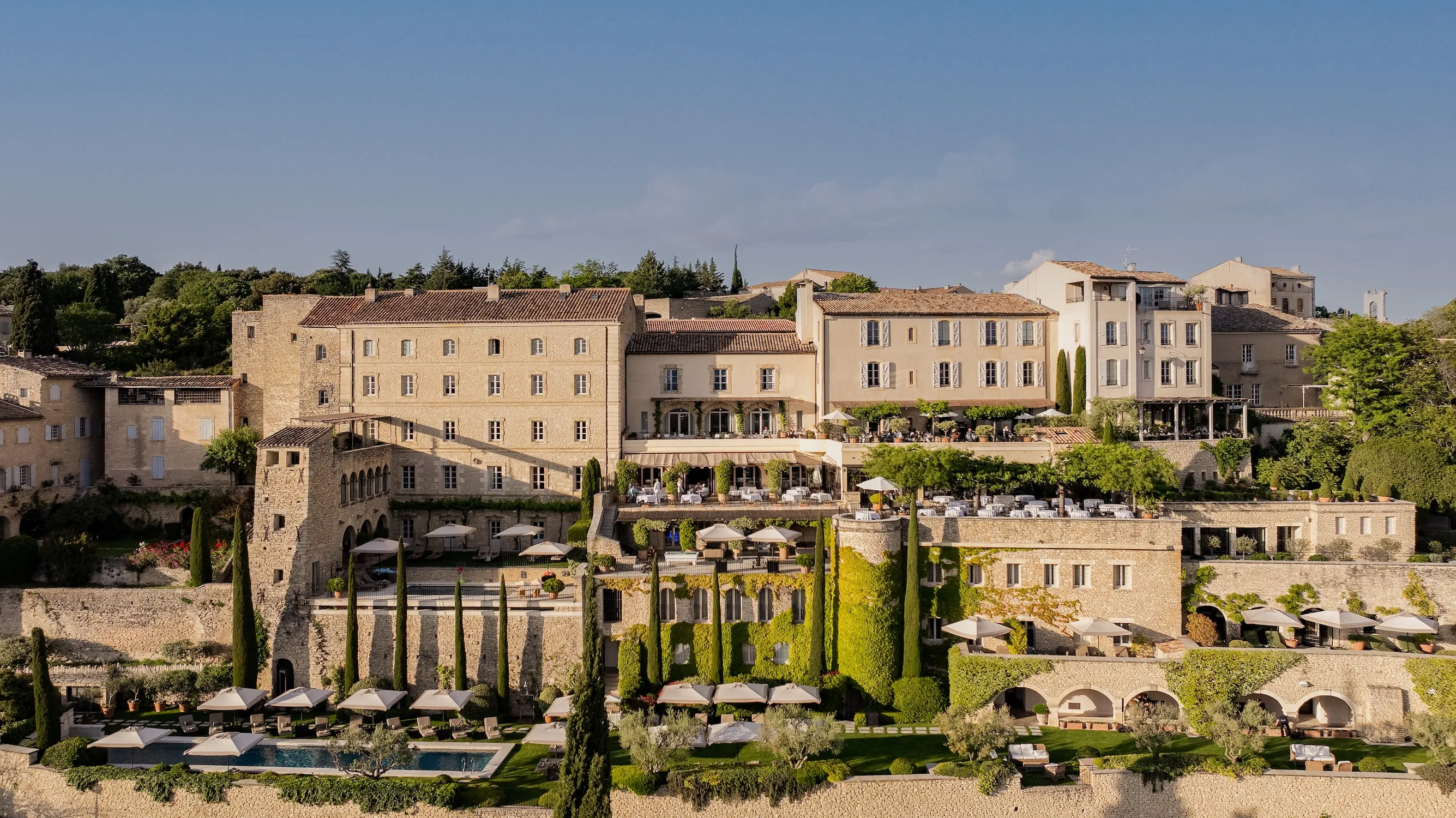
Gordes, Luberon, France
Airelles Gordes, La Bastide
A 16th-century manor built into the ramparts of a hilltop village, run as one of only two dozen hotels in France to hold the official Palace title.
From €950 per night
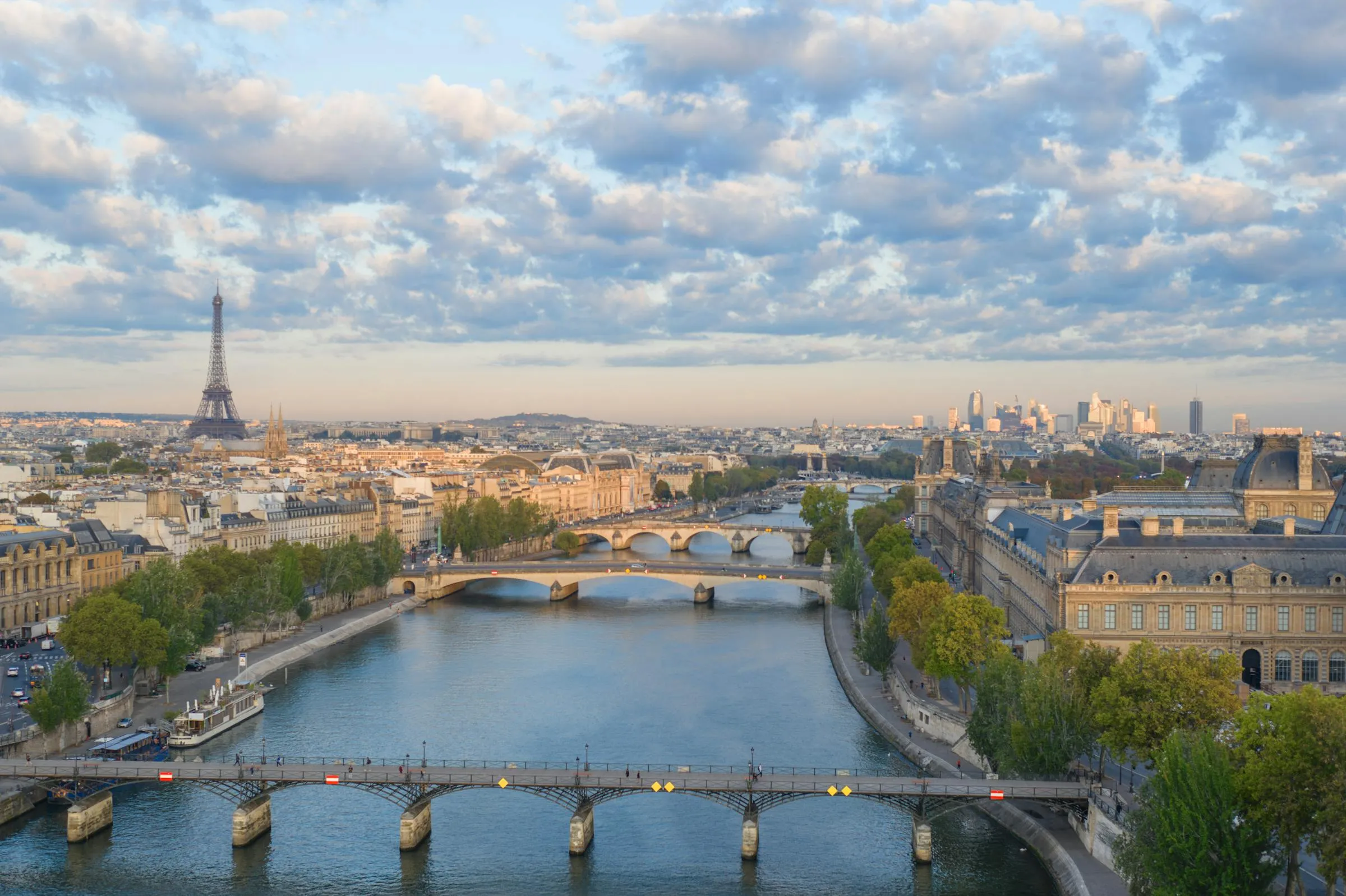
1st arrondissement, Paris, France
Cheval Blanc Paris
A Belle Epoque department store reborn as LVMH's most architecturally ambitious Paris address, with the Seine on one side and the Louvre on the other.
From €2,200 per night
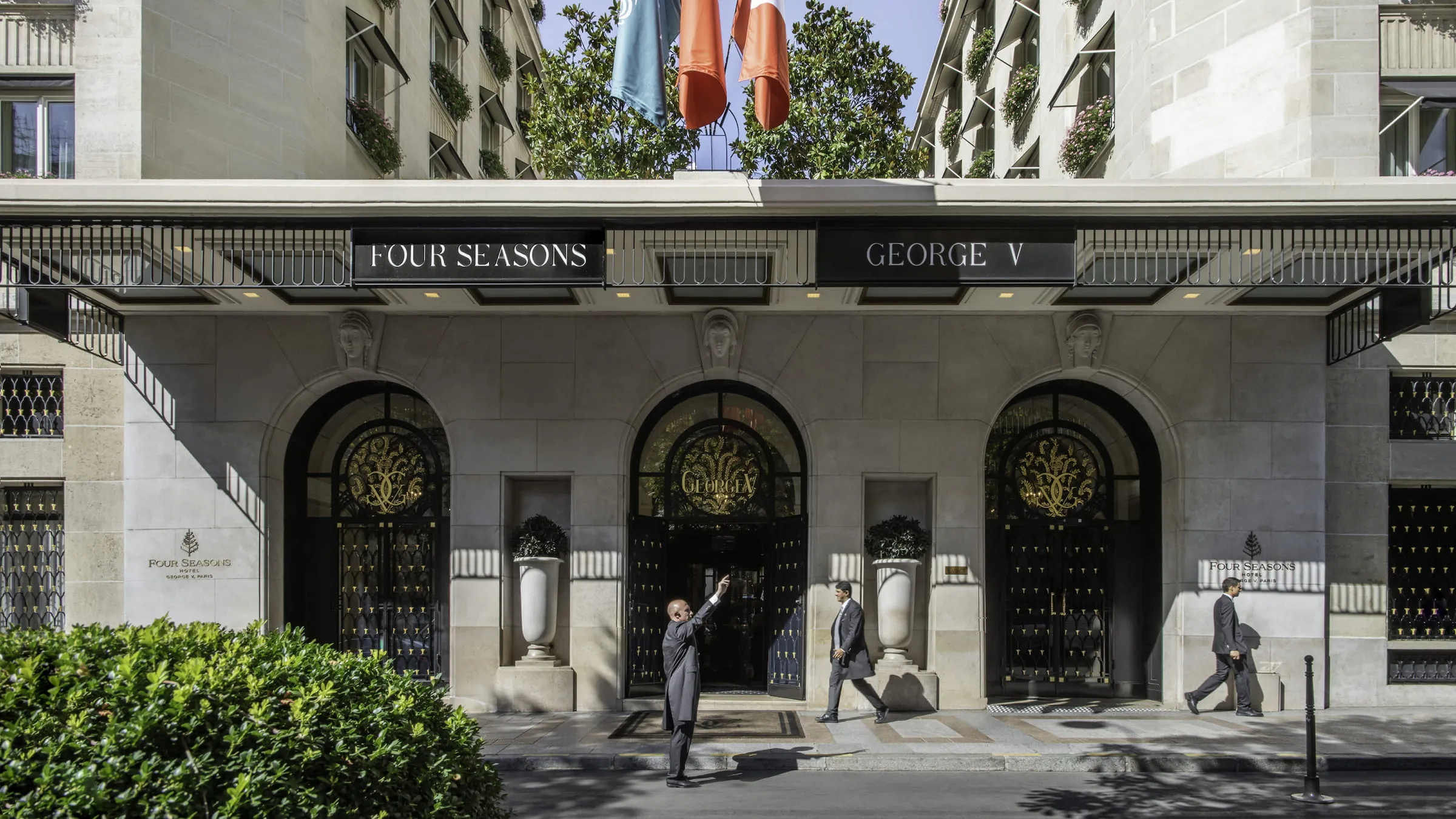
8th arrondissement, Paris, France
Four Seasons Hotel George V Paris
An Art Deco palace on the Golden Triangle where six Michelin stars, a legendary flower program and a newly reimagined set of rooms keep a century-old address at the front of Paris hospitality.
From €1,950 per night