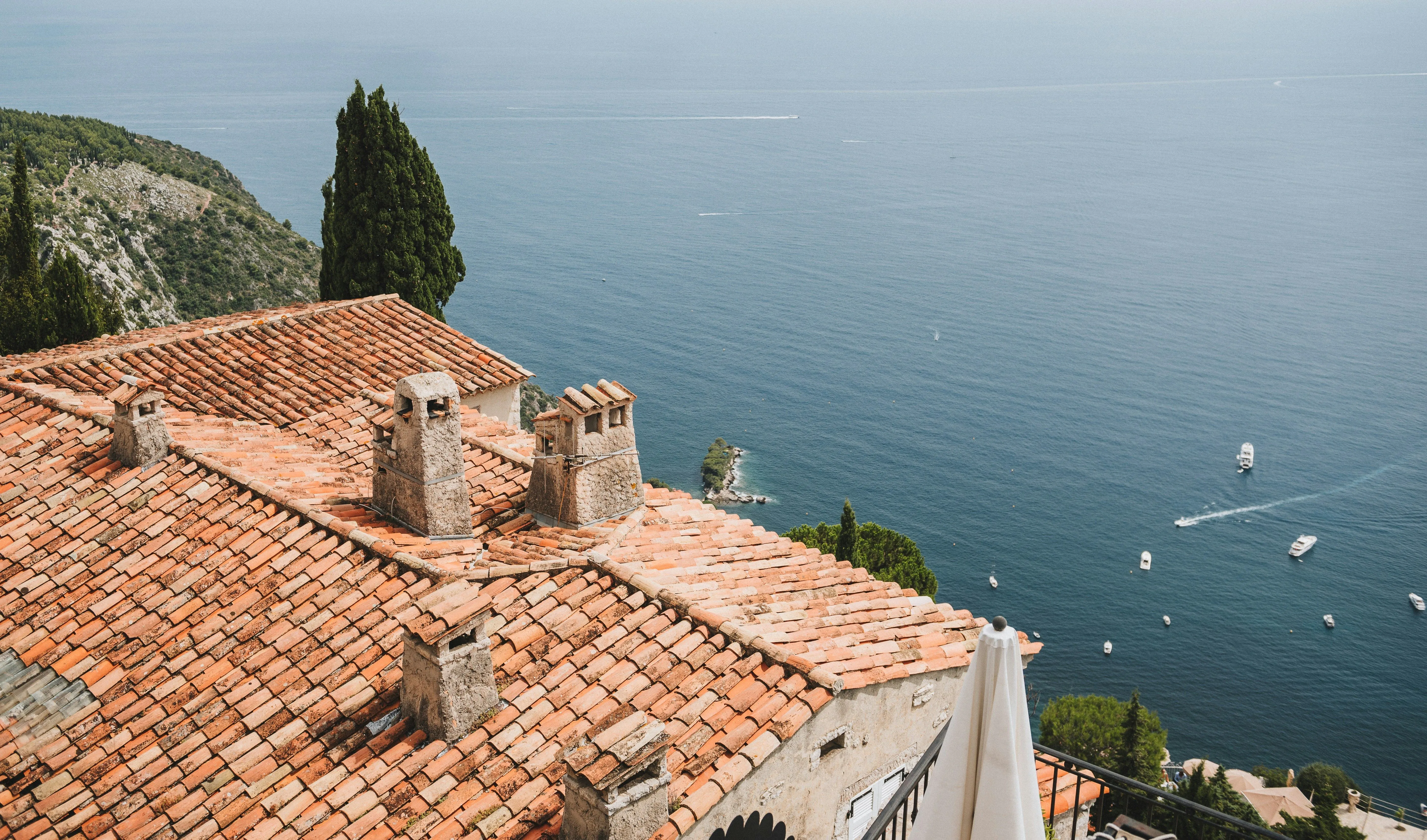
France
Two entirely different luxury hotel traditions under one flag: the Right Bank palace hotels of Paris, built on a century of ceremony and service, and the villa culture of Provence and the Riviera, built on landscape, light, and privacy.
- When to go
- Paris rewards a visit any time outside the deep summer crowds; spring and autumn are the sweet spots. The Riviera and Provence peak from May to September, quieter and cooler either side.
- Getting there
- Paris is served by Charles de Gaulle and Orly; the Riviera by Nice Cote d'Azur, generally a short transfer from the coastal hotels it serves.
- Best for
- palace hotels gastronomy countryside estates coastal glamour
France’s luxury hotel identity splits cleanly along a north-south line. Paris holds the country’s palace hotels, a small, formally recognised category (Palace is an official French tourism designation, not marketing language) built around haute couture-level service, in-house Michelin-starred dining, and address prestige that predates the modern luxury hotel industry by decades. The south holds something looser and older in a different sense: villa and estate properties shaped by Provençal light, Mediterranean gardens, and a tradition of privacy over ceremony.
Paris and its palace hotels
The city’s palace hotels cluster around a handful of addresses, the Place Vendôme, the Rue du Faubourg Saint-Honoré, the Avenue Montaigne, each carrying a specific character built up over more than a century: some defined by their art collections and private gardens, others by a signature chef’s kitchen, others by sheer address gravity. Booking here is largely a choice between these personalities rather than between neighbourhoods, since central Paris puts almost any palace hotel within a short taxi of the others.
Provence and the Riviera
South of Paris, the properties worth crossing an ocean for tend to be estates rather than city hotels: vineyard chateaux, hillside villages, and coastal promontories where the Mediterranean itself is the amenity. The Luberon’s stone villages, the Var’s vineyards, and the coastline from Saint-Tropez to Cap d’Antibes each carry a slightly different register, from rustic-luxe farmhouse to full Belle Époque grandeur, and the better properties commit fully to one rather than blending them.
What we look for here
In Paris, we weight service depth and dining above almost everything else, since the palace hotel category exists specifically because a small number of properties sustain a standard of formal service that the rest of the industry does not attempt. In Provence and on the Riviera, sense of place carries more weight: whether a property is genuinely built into its landscape, a real vineyard, a real hillside village, a real stretch of coastline, or whether the landscape is merely a view from the room. Both registers are held to the same four criteria; what changes is which of the four does the most work.
Where to stay
Hotel guides in France
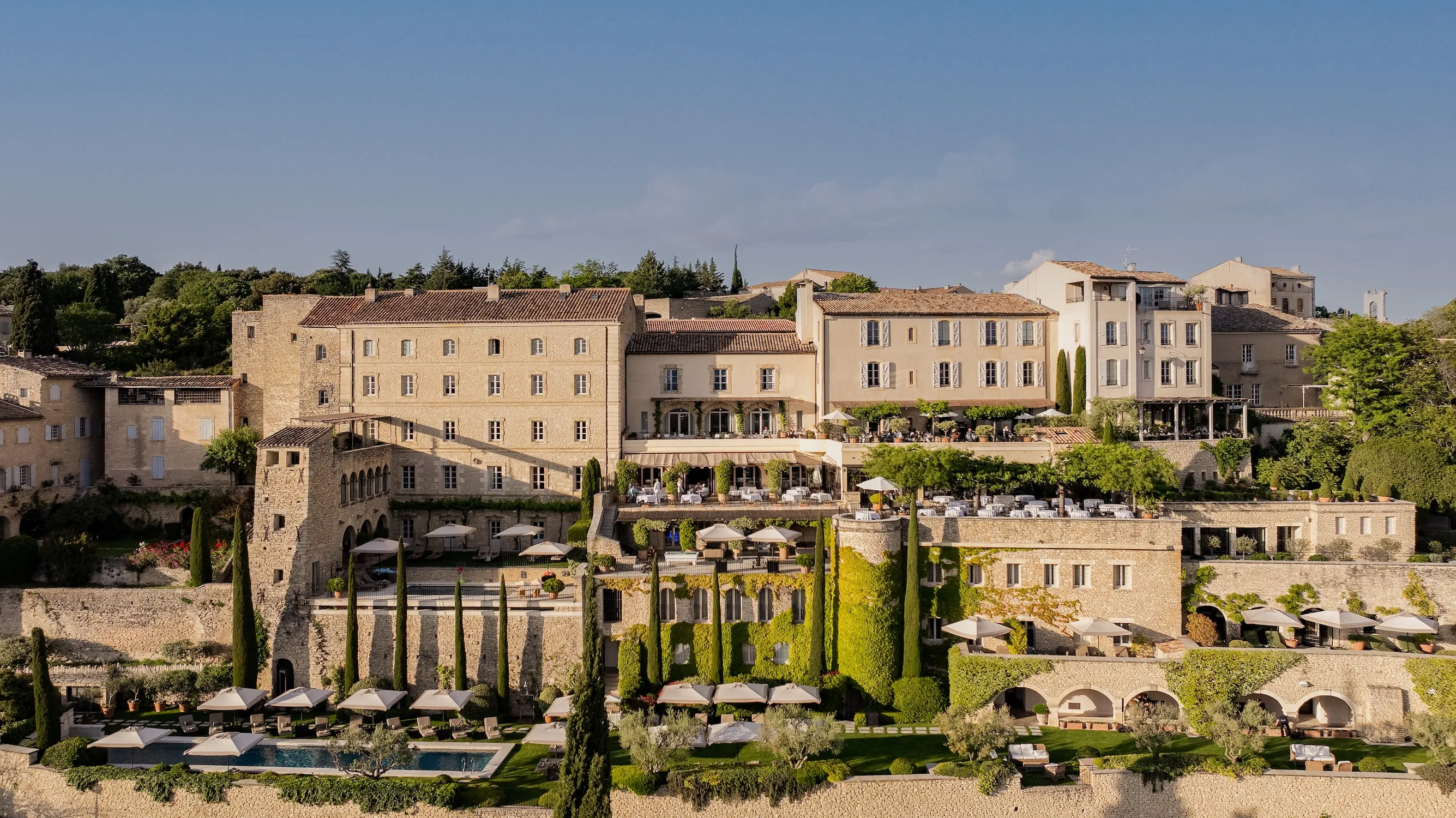
Gordes, Luberon, France
Airelles Gordes, La Bastide
A 16th-century manor built into the ramparts of a hilltop village, run as one of only two dozen hotels in France to hold the official Palace title.
From €950 per night
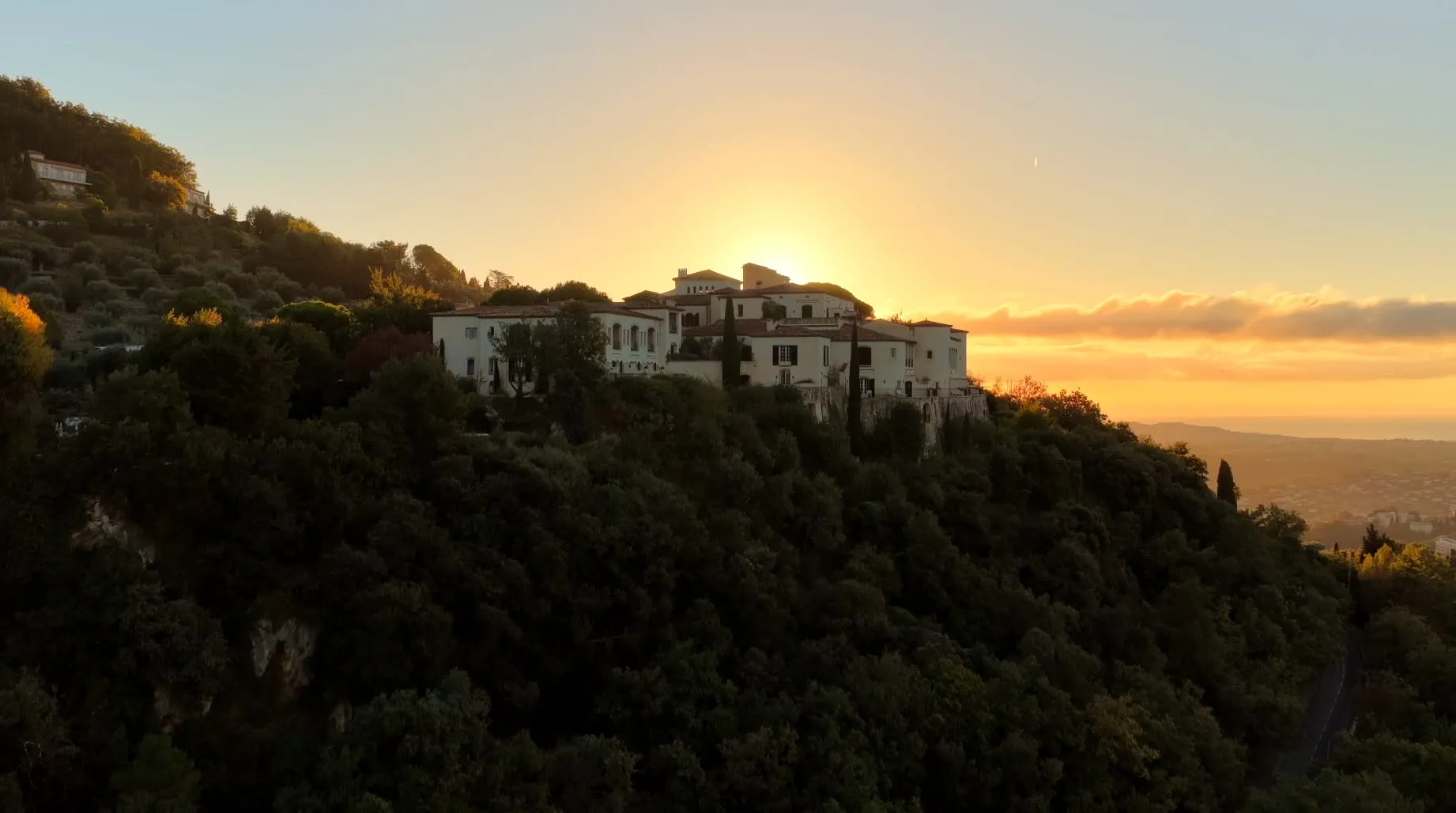
Vence, above the Riviera coast, France
Chateau Saint-Martin & Spa
A 12th-century Knights Templar commandery turned Relais & Châteaux estate, its own olive groves and vineyards spread across a Vence hillside above the Mediterranean.
From €1,050 per night
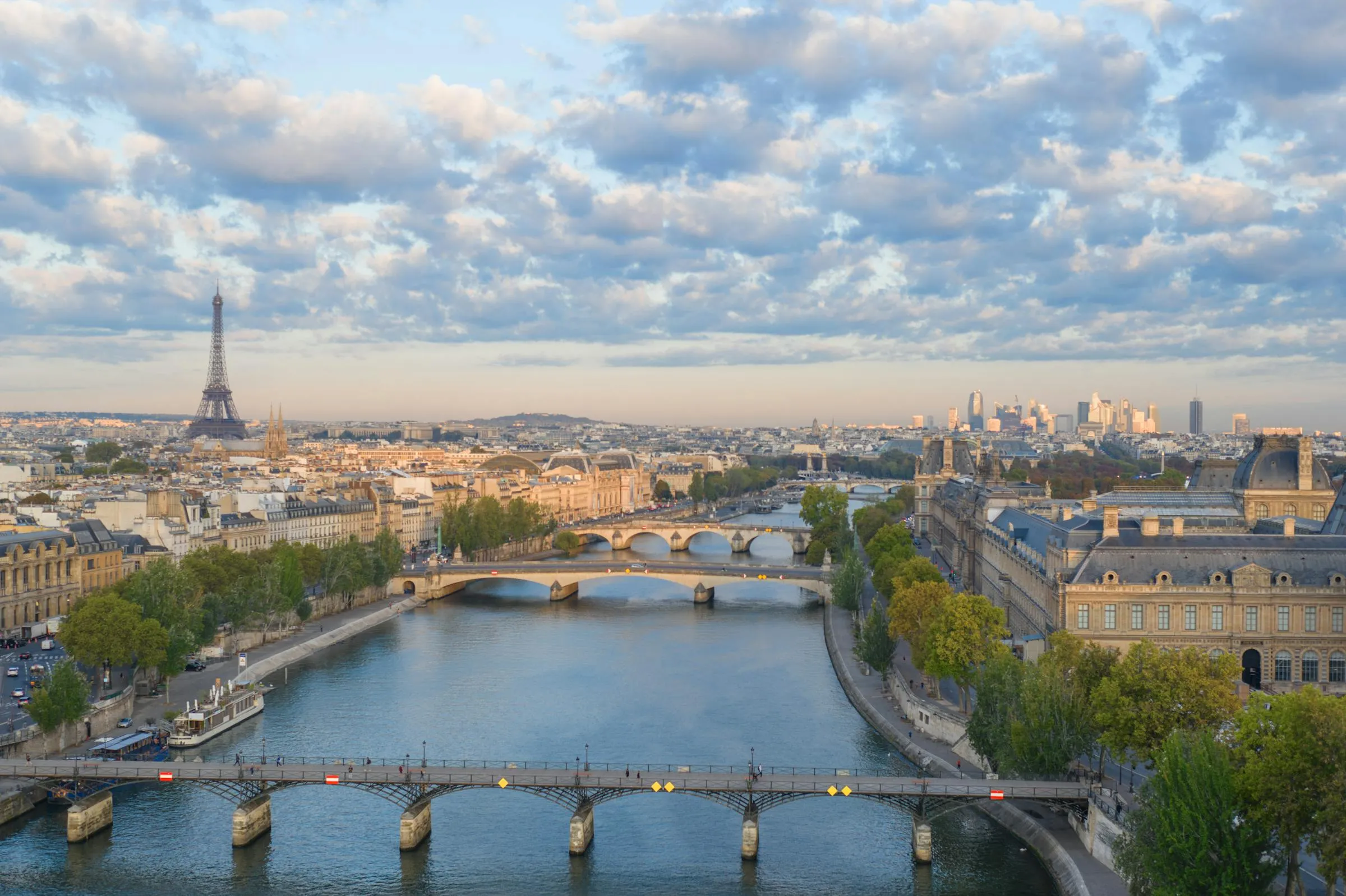
1st arrondissement, Paris, France
Cheval Blanc Paris
A Belle Epoque department store reborn as LVMH's most architecturally ambitious Paris address, with the Seine on one side and the Louvre on the other.
From €2,200 per night
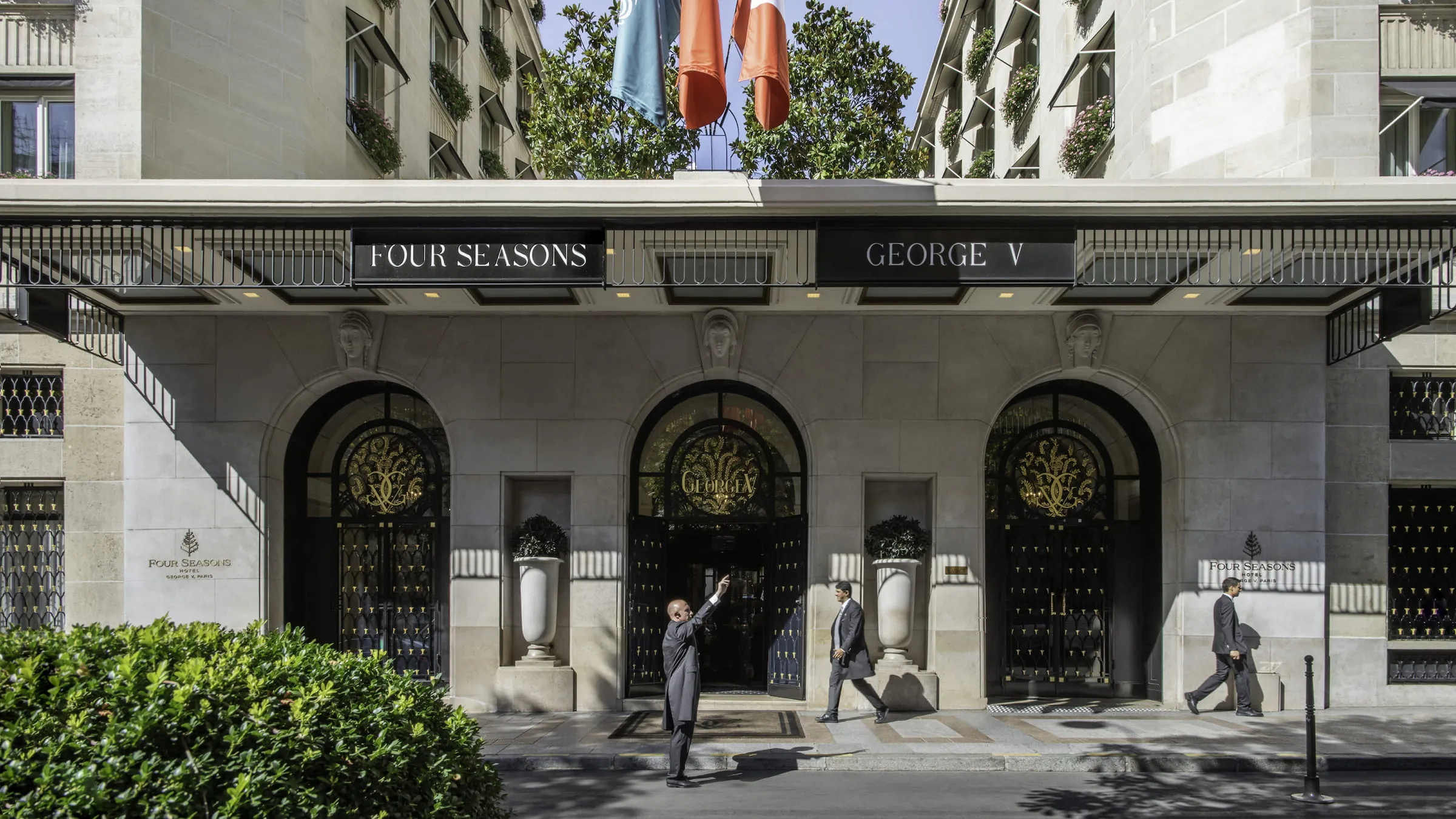
8th arrondissement, Paris, France
Four Seasons Hotel George V Paris
An Art Deco palace on the Golden Triangle where six Michelin stars, a legendary flower program and a newly reimagined set of rooms keep a century-old address at the front of Paris hospitality.
From €1,950 per night
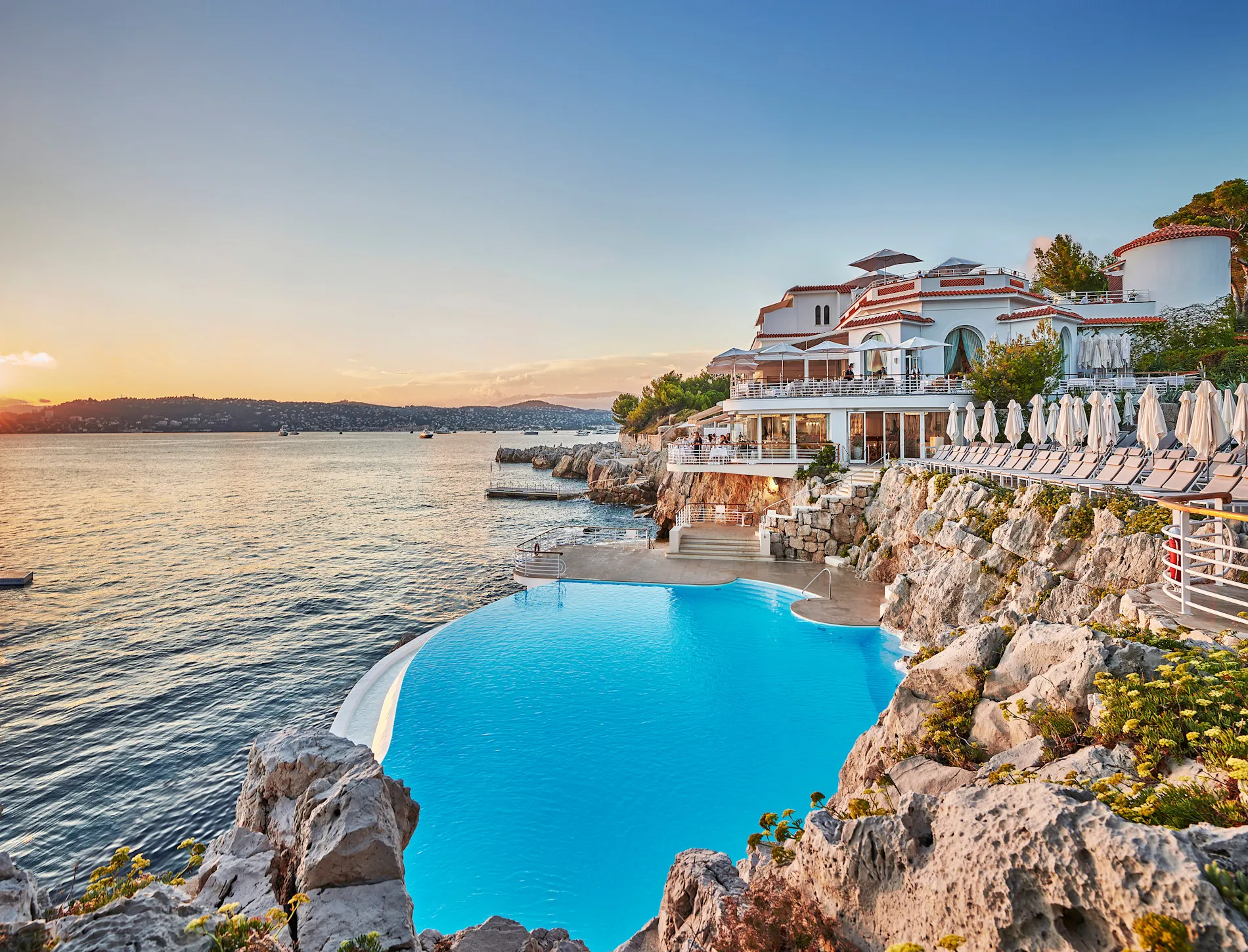
Cap d'Antibes, France
Hotel du Cap-Eden-Roc
A saltwater pool blasted into the clifftop rock in 1914, a documented supporting role in F. Scott Fitzgerald's Tender Is the Night, and eight decades of Cannes Film Festival history add up to the most storied address on the French Riviera.
From €2,200 per night
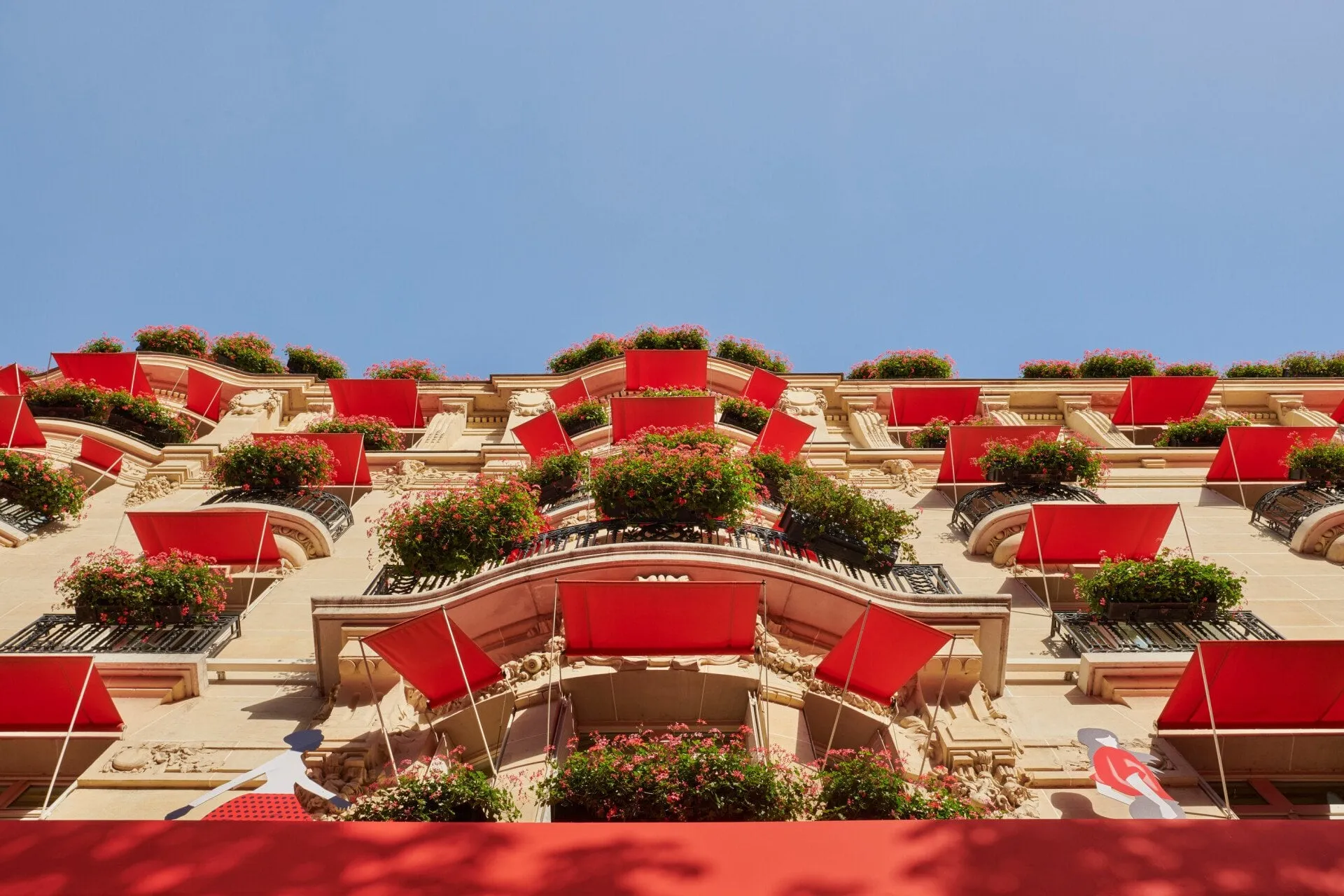
Avenue Montaigne, 8th arrondissement, France
Hotel Plaza Athenee
The red-awninged, geranium-lined Avenue Montaigne address that has anchored Paris's couture quarter since 1913, and one of the city's dozen officially recognised Palace hotels.
From €2,100 per night
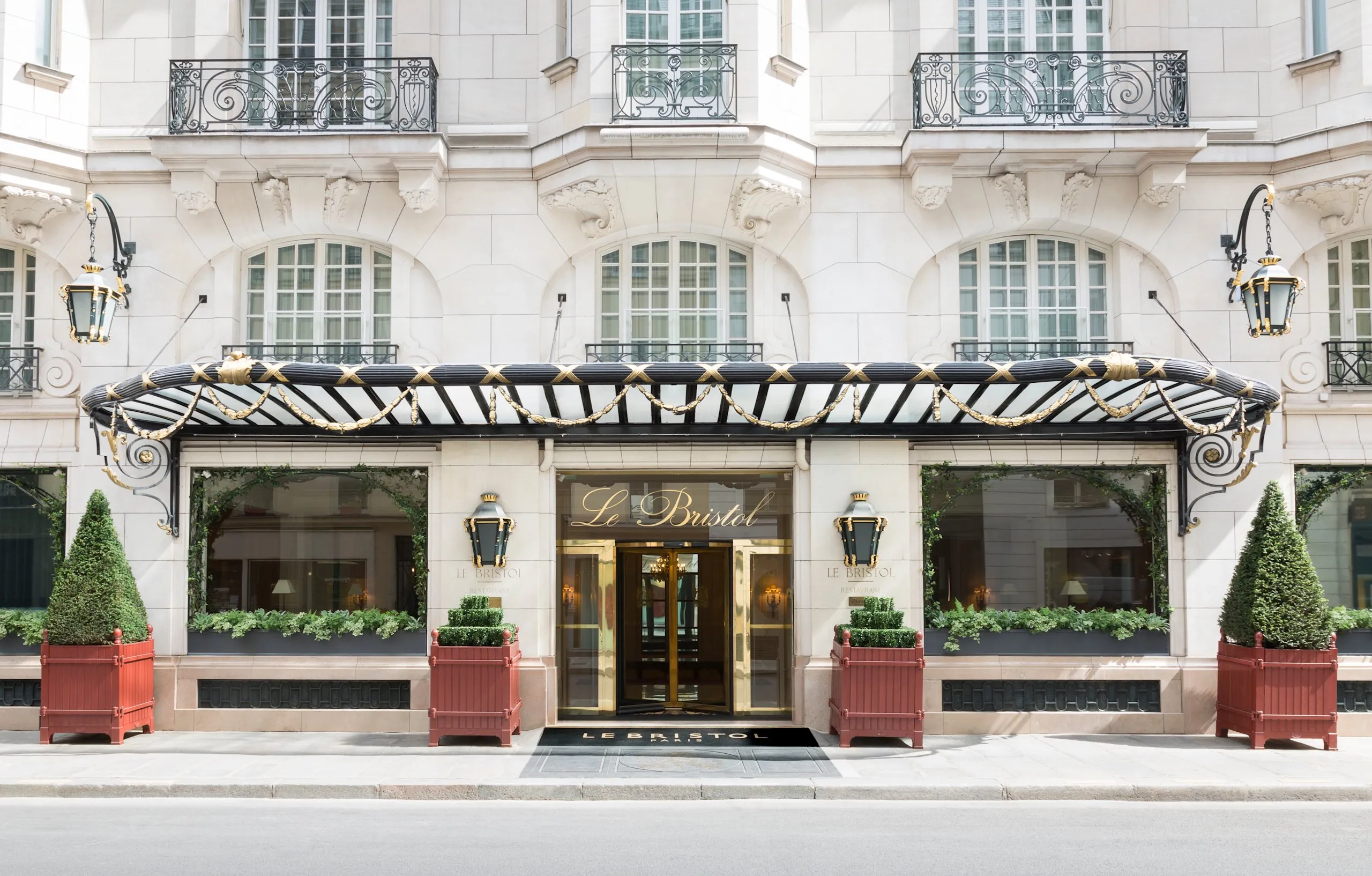
8th arrondissement, Paris, France
Le Bristol Paris
A 1925 Faubourg Saint-Honore palace built around the largest private garden of any hotel in central Paris, and a rooftop pool shaped like the deck of an ocean liner.
From €1,450 per night
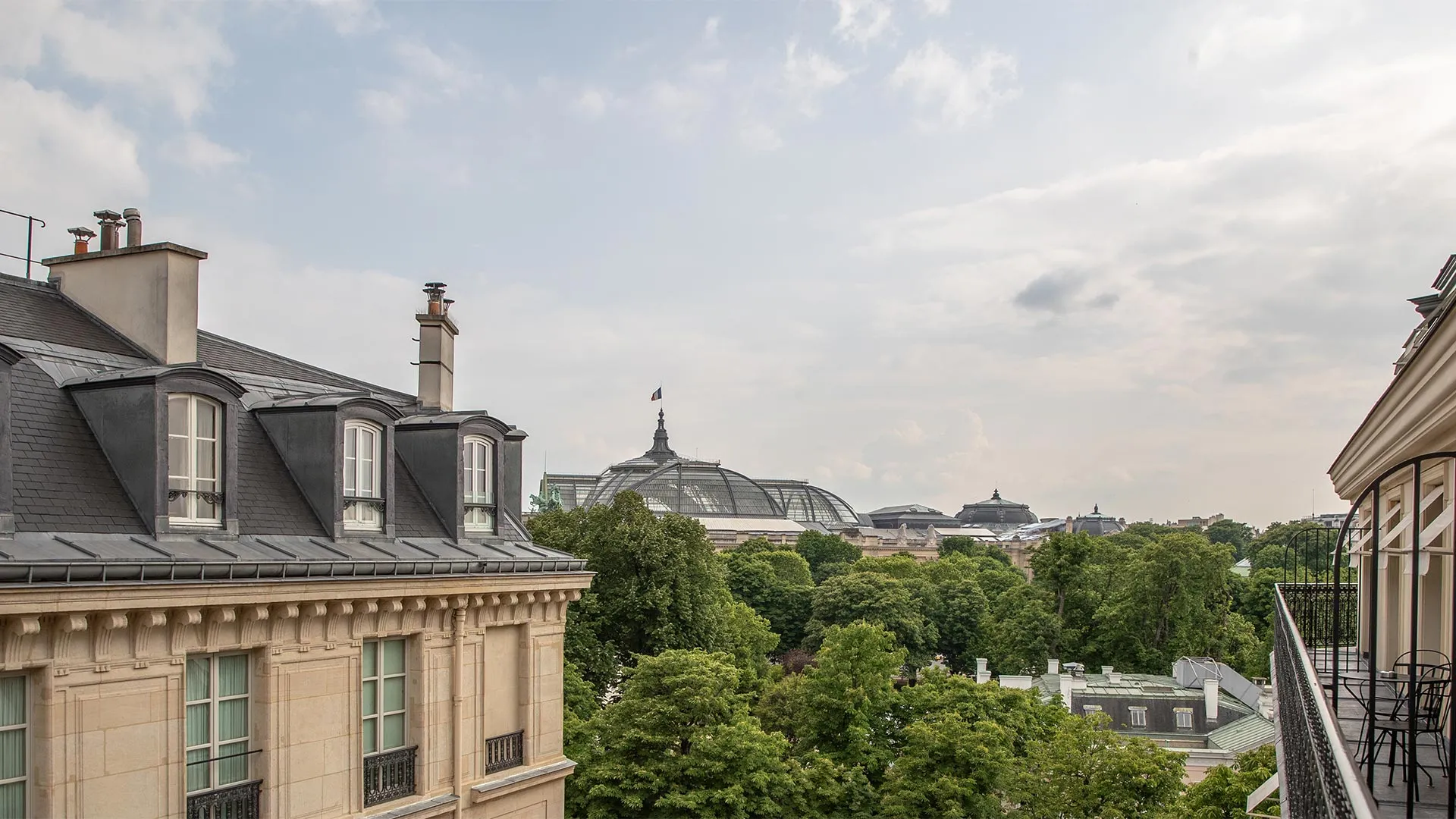
8th arrondissement, Paris, France
La Reserve Paris
A single restored 1854 mansion off the Champs-Elysees, run as forty rooms rather than four hundred, and rated the world's best hotel by La Liste two years running.
From €1,800 per night
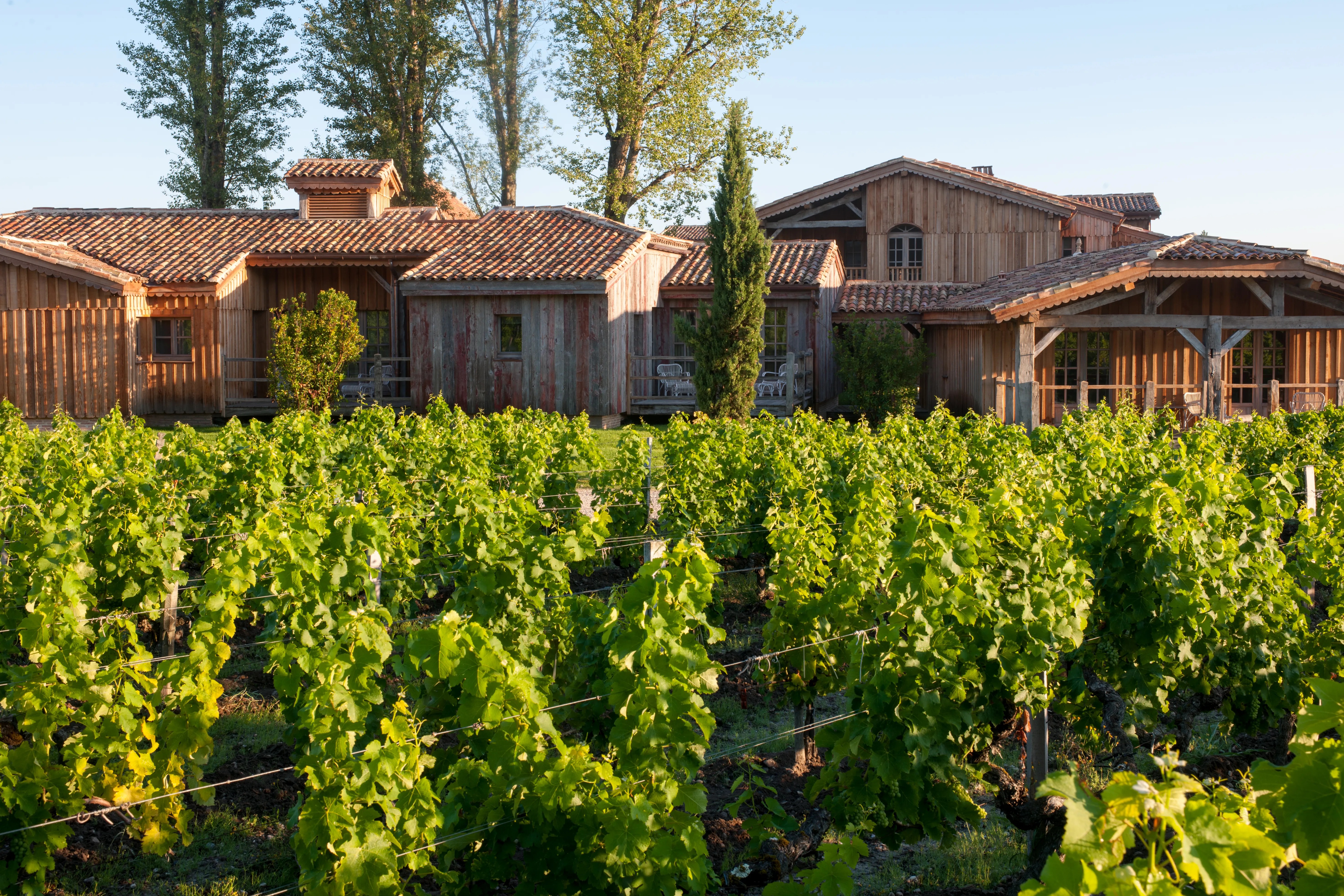
Martillac, near Bordeaux, France
Les Sources de Caudalie
A hamlet of six houses built inside a working Bordeaux Grand Cru estate, where the Cathiard family invented wine-based spa treatment in the 1990s and still farms the vines outside the window.
From €590 per night
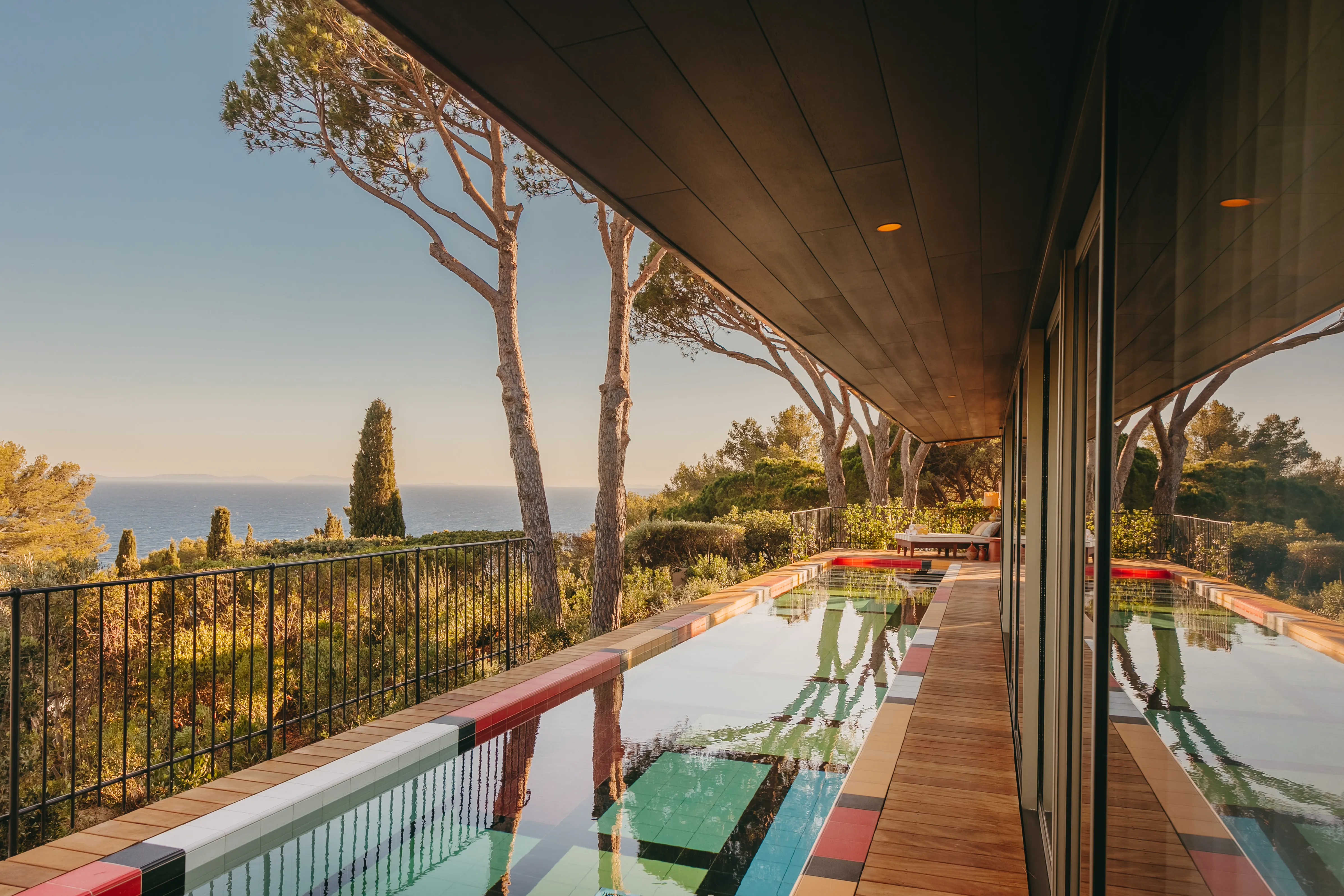
La Croix Valmer, Saint-Tropez peninsula, France
Lily of the Valley
A Philippe Starck hillside hamlet above Gigaro beach, built less as a hotel than as a working theory of what rest and fitness can do together.
From €700 per night