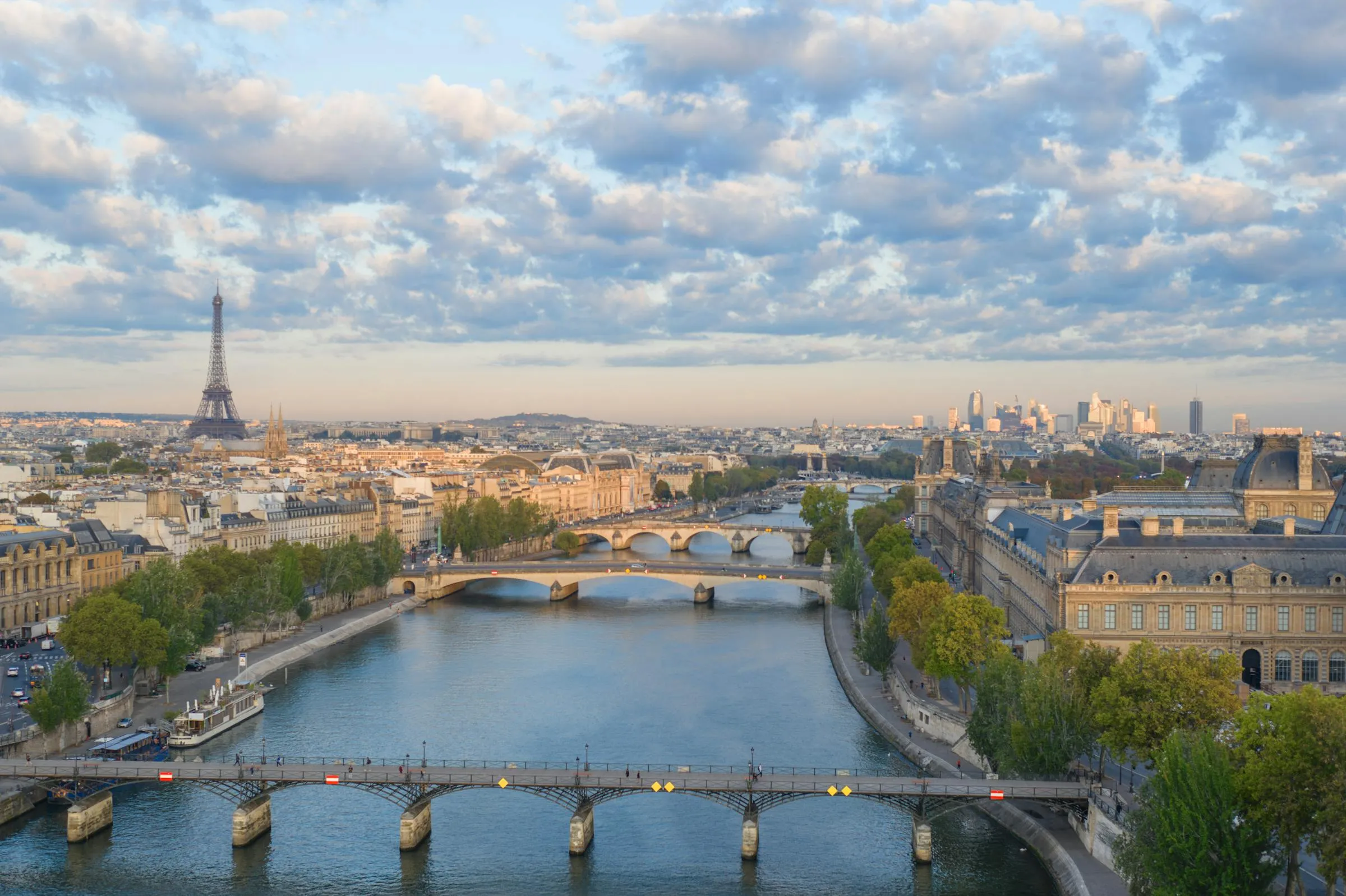
1st arrondissement, Paris, France
Cheval Blanc Paris
A Belle Epoque department store reborn as LVMH's most architecturally ambitious Paris address, with the Seine on one side and the Louvre on the other.
- Rates from
- From €2,200 per night
- Nearest airport
- Paris Charles de Gaulle Airport
- Transfer
- Around 45 minutes by road, longer in peak traffic; RER B plus a short taxi is often faster
- Best months
- April to June and September to October, outside the deep summer crowds
Cheval Blanc Paris does something few new hotels attempt: it makes an entire Belle Epoque department store feel like a single private residence. Behind Henri Sauvage’s restored Art Deco riverside facade, seventy-two rooms and suites sit above three restaurants, a Dior spa, and a pool that runs the length of a Parisian city block, all facing either the Seine or the rooftops toward Montmartre. It opened in September 2021, the fourth Maison in LVMH’s Cheval Blanc group, and the most architecturally loaded.
Why It Stands Out
Most hotels built inside a historic monument settle for preserving the shell and standardising what goes inside it. Cheval Blanc Paris does the opposite: the building’s Art Nouveau and Art Deco fabric is protected and restored down to the ironwork, while Peter Marino’s interiors treat every room as a one-off private apartment rather than a repeatable hotel category. The result reads less like a hotel occupying a landmark and more like the landmark’s true, overdue second life.
Architecture
La Samaritaine opened in 1870, founded by Ernest Cognacq and Marie-Louise Jaÿ, and grew across the twentieth century into two distinct architectural statements: Frantz Jourdain’s early Art Nouveau wing and Henri Sauvage’s Art Deco riverside wing, completed in 1928. The store closed in 2005 for renovation and safety works and did not reopen for sixteen years. LVMH’s restoration, led by the Japanese practice SANAA together with Edouard Francois and SRA Architectes, kept the protected facades intact and rebuilt the interior around them, earning HQE, LEED Gold, and BREEAM Excellent sustainability certifications for a project of this scale and heritage complexity.
Interior Design
Peter Marino took on the full interior scheme, working room by room rather than applying a single repeatable template. His stated concept was a private Parisian apartment: bespoke furniture, an extensive commissioned and collected art programme that includes pieces by Vik Muniz, Sonia Delaunay, and Lalanne, and a Frank Gehry piece made specifically for the hotel. The effect is deliberately inconsistent from room to room, in the way a collector’s home is inconsistent, rather than the uniform finish of a typical five-star chain property.
Atmosphere
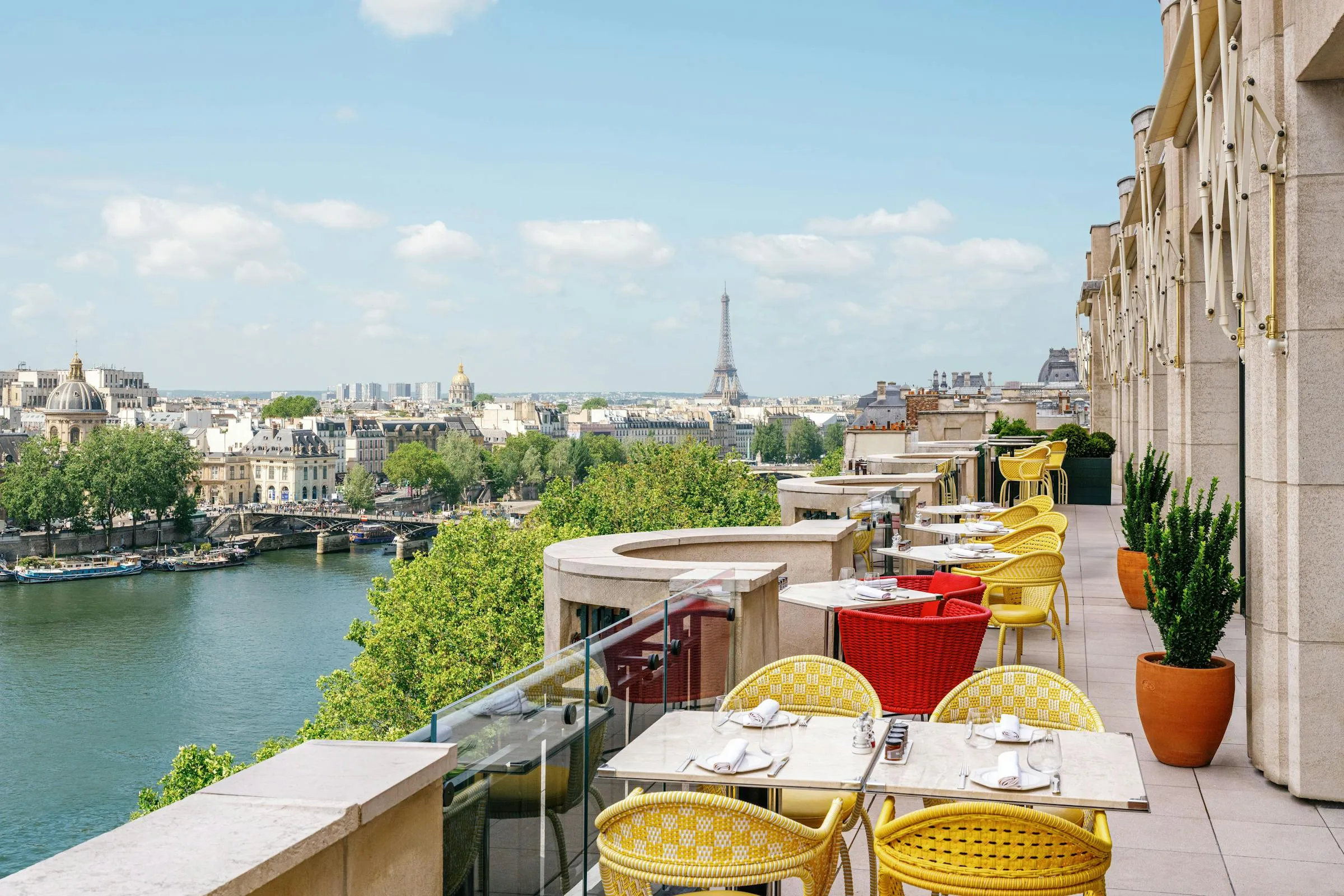
The hotel sits directly on the Seine, opposite the Louvre and the Ile de la Cite, and that river-facing address shapes the entire stay: breakfast rooms look across the water toward Notre-Dame, and the top-floor restaurant turns the rooftops of the 1st arrondissement into part of the menu. Inside, the scale of the old department store gives circulation spaces, stairwells, and the spa an unusually generous sense of volume for central Paris.
Rooms and Suites
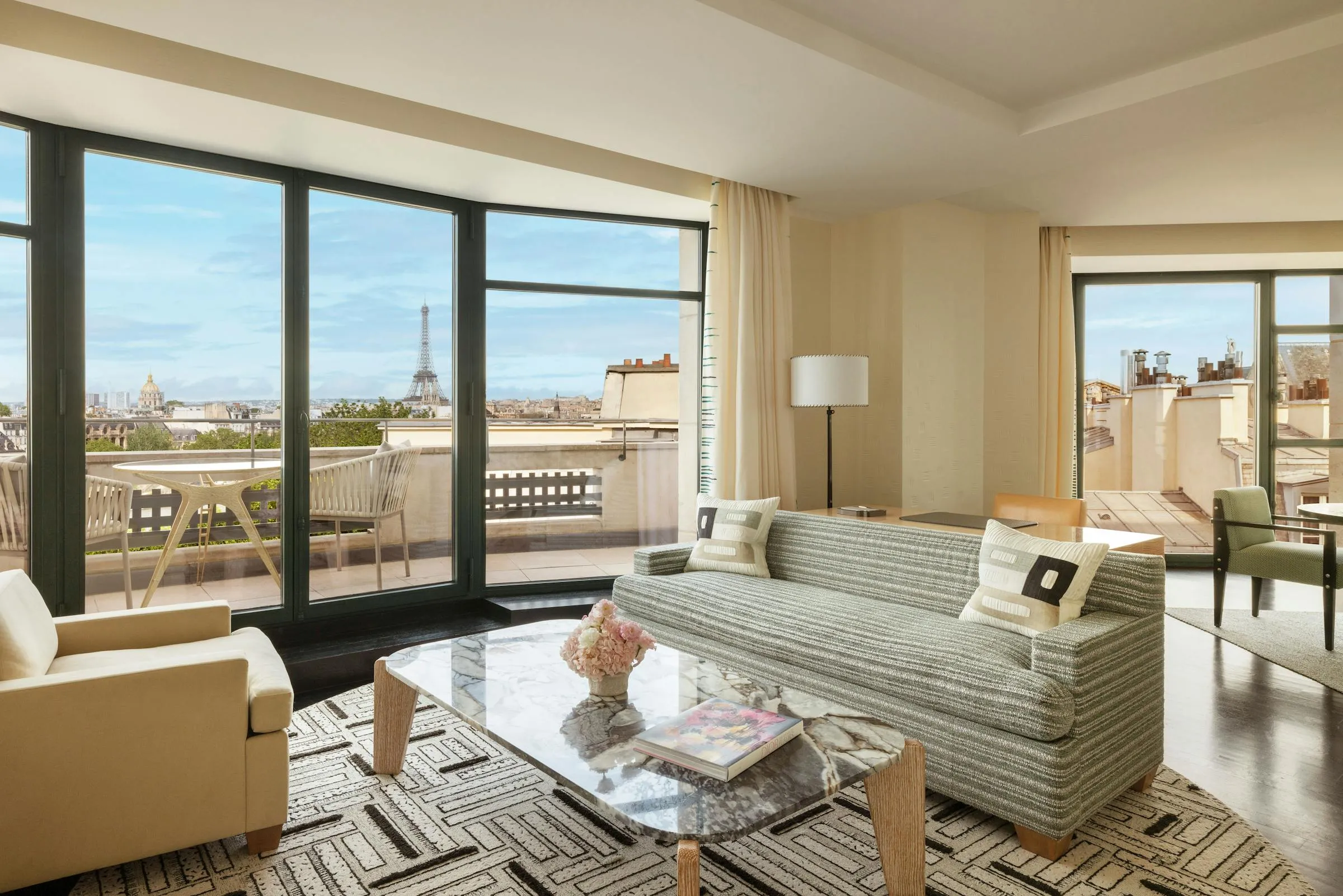
There are 72 keys across 26 rooms and junior suites and 46 suites. The named suite categories climb from the Seine and Eiffel suites through to the Notre-Dame suite, the three-bedroom, roughly 350 square metre Ravel suite, and the four-bedroom Quintessence suite, which includes a private pool, reportedly the largest private hotel accommodation in Paris. Each category is finished individually under Marino’s direction rather than replicated across floors.
Dining
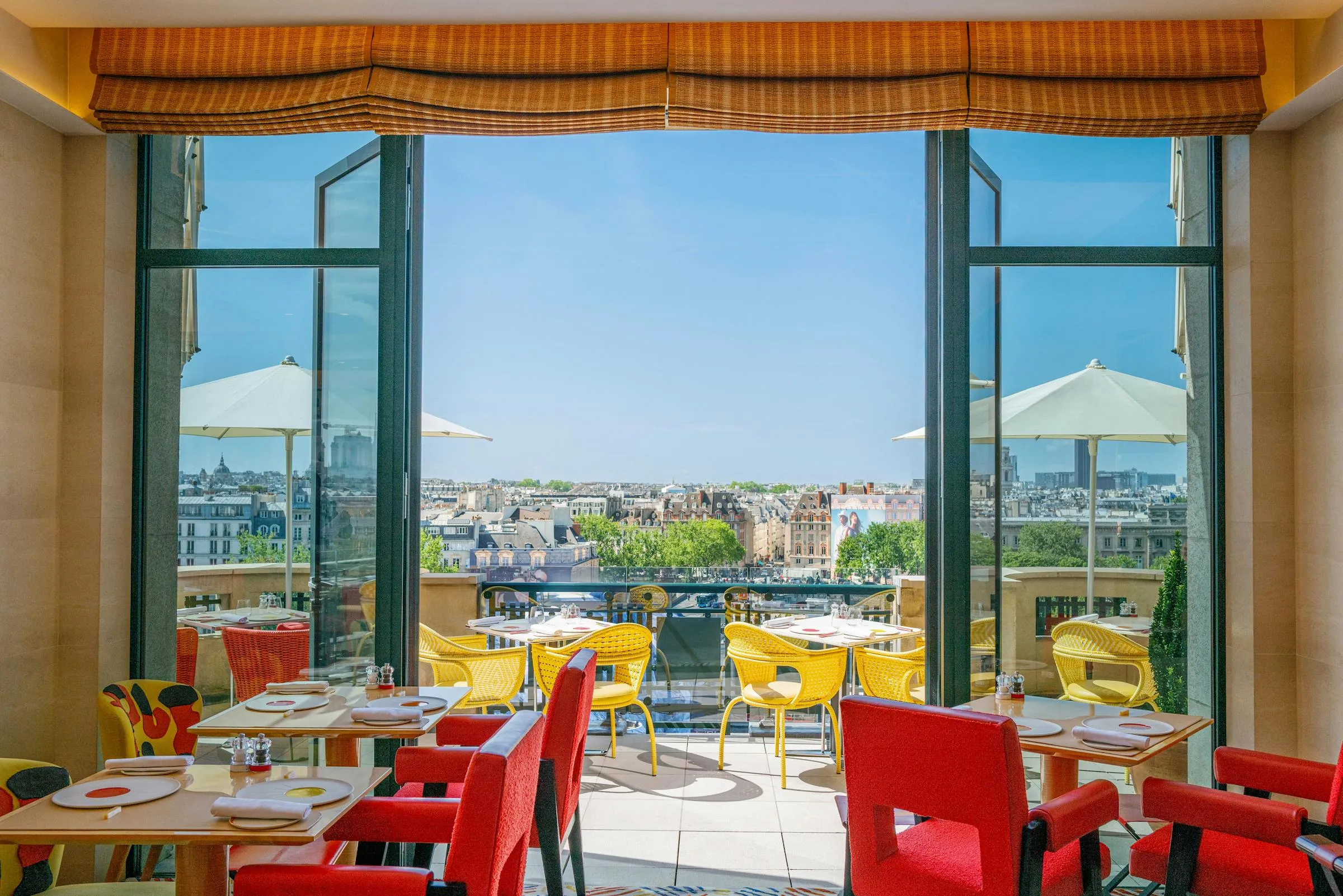
Three restaurants anchor the food programme. Plenitude, run by chef Arnaud Donckele (who also holds three stars at La Vague d’Or in Saint-Tropez), holds three Michelin stars and is decorated by Marino as a formal Parisian salon. Le Tout-Paris, on the top floor, holds one Michelin star and trades on its panoramic view over the rooftops toward the Louvre and the Marais. Langosteria brings Milan’s well-regarded seafood restaurant of the same name to Paris under chef Enrico Buonocore.
Spa and Wellness
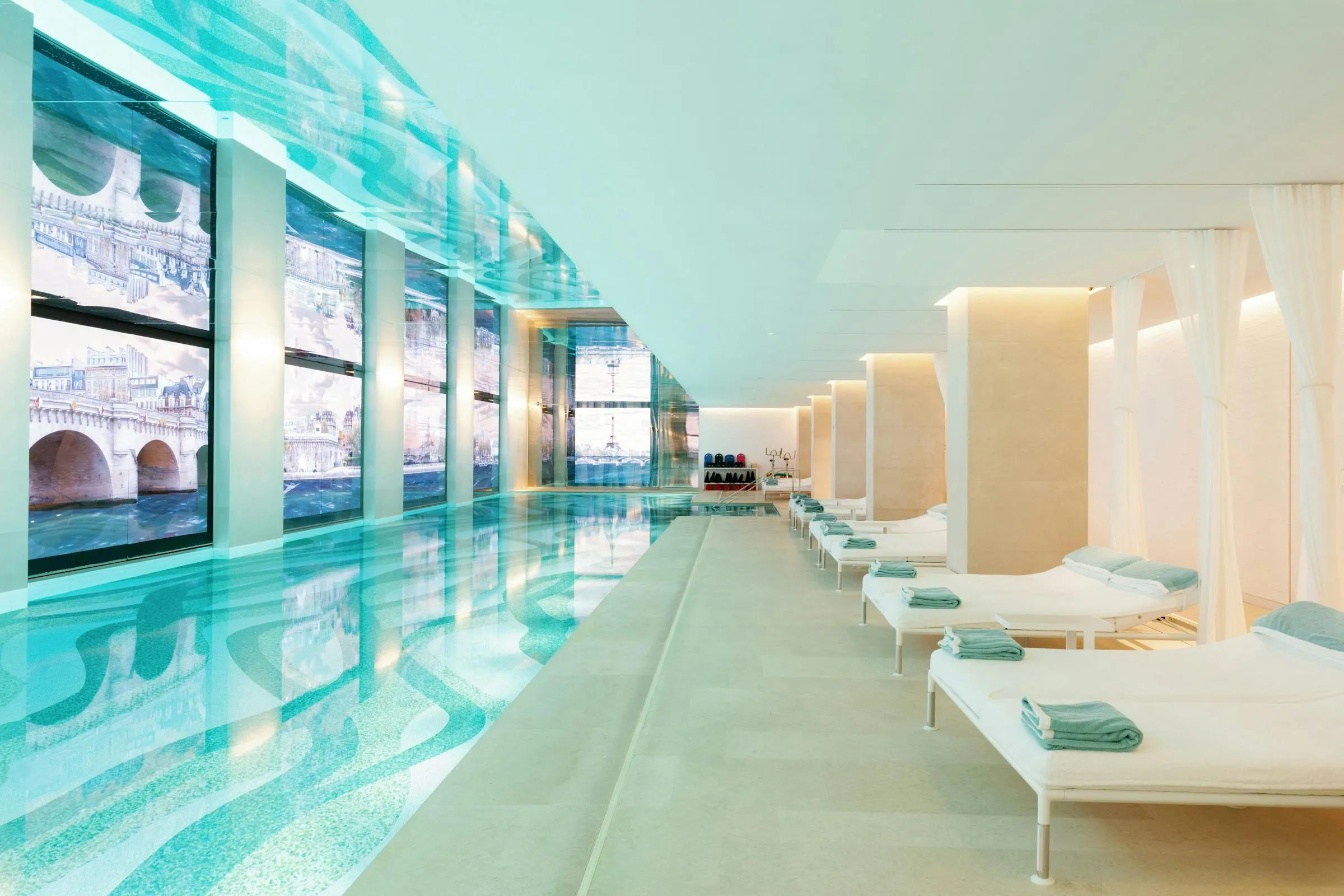
The Dior Spa Cheval Blanc is built around a 30-metre indoor pool, reported to be the longest inside any Paris hotel, alongside a programme of 48 Dior treatment protocols and a Rossano Ferretti hair salon. The scale of the wellness floor is unusual for a historic-building conversion, made possible by the depth of the original department store’s footprint.
Experiences
Guests are within walking distance of the Louvre, the Pont Neuf, and the Marais, and the hotel’s own art collection and Marino-led design details give the property itself a claim on a guest’s sightseeing time. The rooftop restaurant and bar function as a genuine vantage point over the historic centre, not just a dining room with a view.
Who It Is For
Design-literate travellers and returning Paris visitors who want a landmark address without a standardised five-star finish, couples marking an occasion who will use the spa and fine dining in depth, and anyone for whom the specific art and architecture story of the building is part of the draw rather than incidental to it.
Best Time to Visit
Paris is at its best in late spring (April to June) and early autumn (September to October), when the weather is mild and the summer crowds have not yet arrived or have thinned. Winter suits travellers prioritising the spa and indoor pool over sightseeing.
How to Get There
Charles de Gaulle Airport is the primary international gateway, roughly 45 minutes away by road depending on traffic, or reachable via the RER B train with a short taxi transfer at the city end. Orly Airport is a shorter, though still traffic-dependent, transfer for European arrivals.
Nearby Experiences
The Louvre is a short walk across the Pont Neuf. The Marais, with its galleries, boutiques, and the Musee Picasso, sits just across the river. The Ile de la Cite, Notre-Dame, and the Sainte-Chapelle are all within easy walking distance, making the hotel’s location one of the most central starting points for exploring historic Paris on foot.
Things to Know Before Booking
The hotel’s scale (72 keys inside a former department store) means room categories vary significantly in character as well as size; guests who want a specific view or suite type should confirm exact room assignment at booking. The three restaurants, particularly Plenitude, require reservations well in advance given their Michelin standing.
Sustainability
The restoration was certified to HQE, LEED Gold, and BREEAM Excellent standards, a notable set of credentials for a project built inside protected historic facades rather than new-build construction, where sustainable building techniques are harder to apply retroactively.
Practical Information
Rates begin at an indicative figure in the low thousands of euros per night, moving with season and room category; the amount above should be treated as a starting reference rather than a live quote. Check-in is from 3:00pm, check-out by 12:00pm. The hotel sits at 8 Quai du Louvre, a short walk from the Pont Neuf and Louvre-Rivoli metro stations on Line 1.
Editorial Conclusion
Cheval Blanc Paris succeeds at something genuinely difficult: giving a protected historic monument an interior identity as strong as its facade, without either element overwhelming the other. For a first or a fifth trip to Paris, it offers a version of the city’s grand-hotel tradition rebuilt from a landmark that most visitors only ever knew as a shop.
In pictures
On the map
1st arrondissement, Paris, France
Questions
Frequently asked
Is Cheval Blanc Paris inside a real department store?
Yes. The hotel occupies part of the former La Samaritaine department store on the Quai du Louvre, founded in 1870 and closed in 2005. Its Art Nouveau and Art Deco facades, including Henri Sauvage's 1920s riverside wing, are protected historic monuments and were restored rather than altered.
Who designed the interiors?
Peter Marino designed the interiors and art placement throughout, working around the protected facades restored by architects SANAA and Edouard Francois. Marino's concept treats each room as a private Parisian apartment rather than a standard hotel room.
What dining does the hotel offer?
Three restaurants: Plenitude, chef Arnaud Donckele's three-Michelin-star dining room; Le Tout-Paris, a one-Michelin-star rooftop restaurant with panoramic views; and Langosteria, an outpost of the Milan seafood restaurant run by Enrico Buonocore.
Is the spa open to non-guests?
The Dior Spa Cheval Blanc, built around a 30-metre pool said to be the longest indoor hotel pool in Paris, is generally reserved for hotel guests; treatments and access for outside visitors should be confirmed directly with the hotel.
How far is the hotel from the Louvre?
The Louvre is a short walk away, on the opposite bank of the Seine via the Pont Neuf. The hotel's Left Bank and Marais-facing rooms look directly across the river toward it.
Same destination
More hotel guides in France
Gordes, Luberon, France
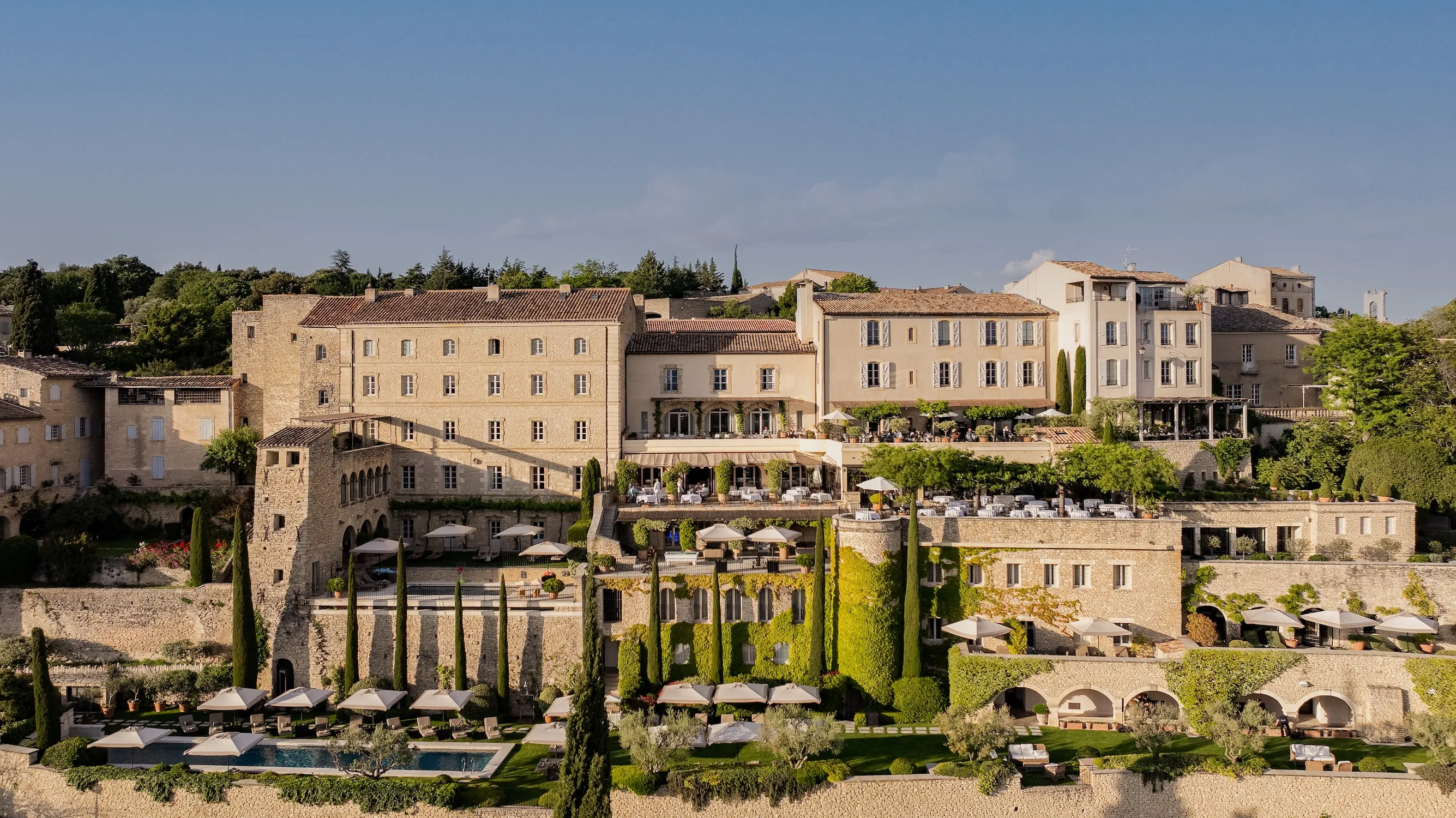
Airelles Gordes, La Bastide
A 16th-century manor built into the ramparts of a hilltop village, run as one of only two dozen hotels in France to hold the official Palace title.
From €950 per night
Vence, above the Riviera coast, France
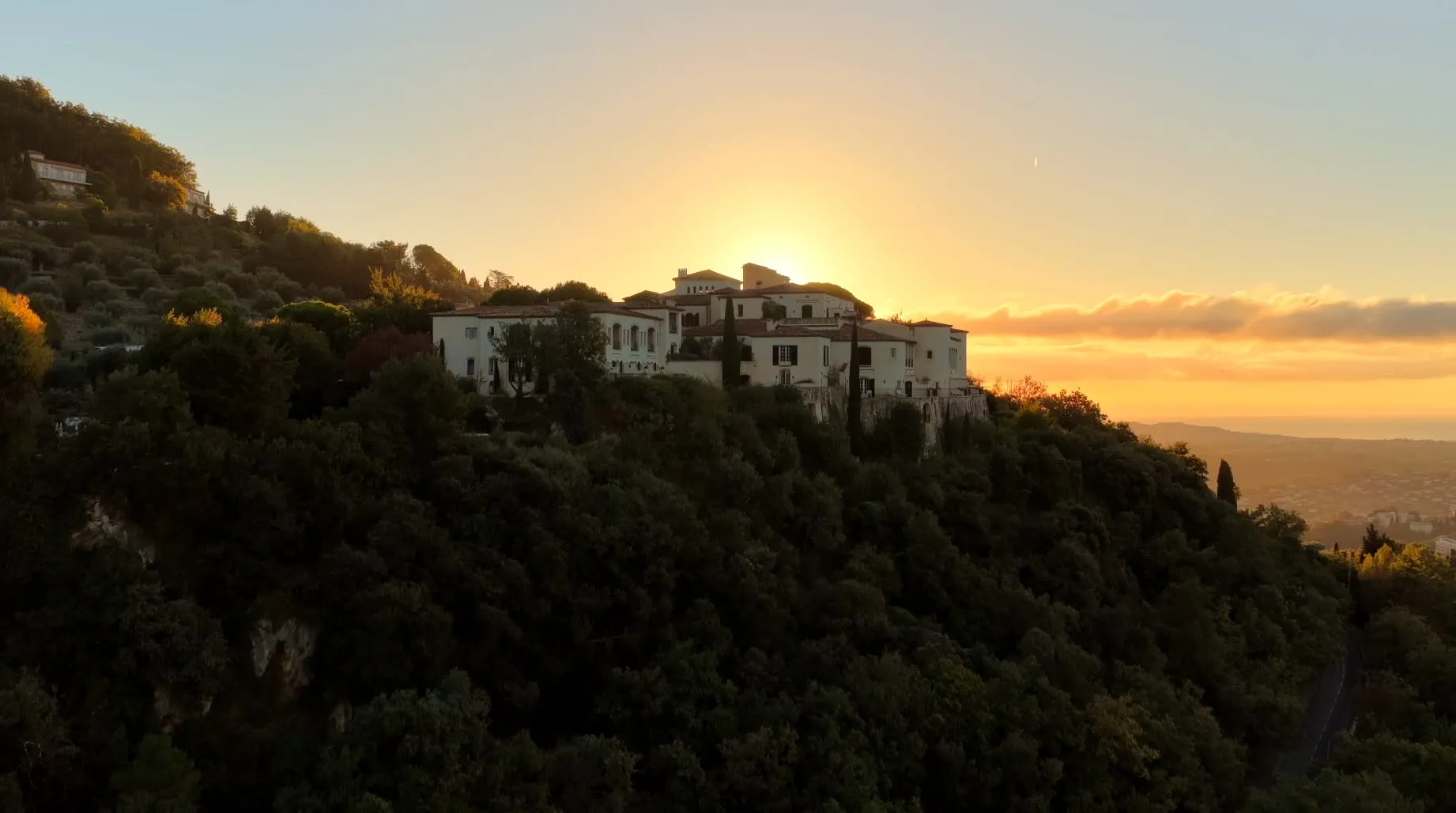
Chateau Saint-Martin & Spa
A 12th-century Knights Templar commandery turned Relais & Châteaux estate, its own olive groves and vineyards spread across a Vence hillside above the Mediterranean.
From €1,050 per night
8th arrondissement, Paris, France
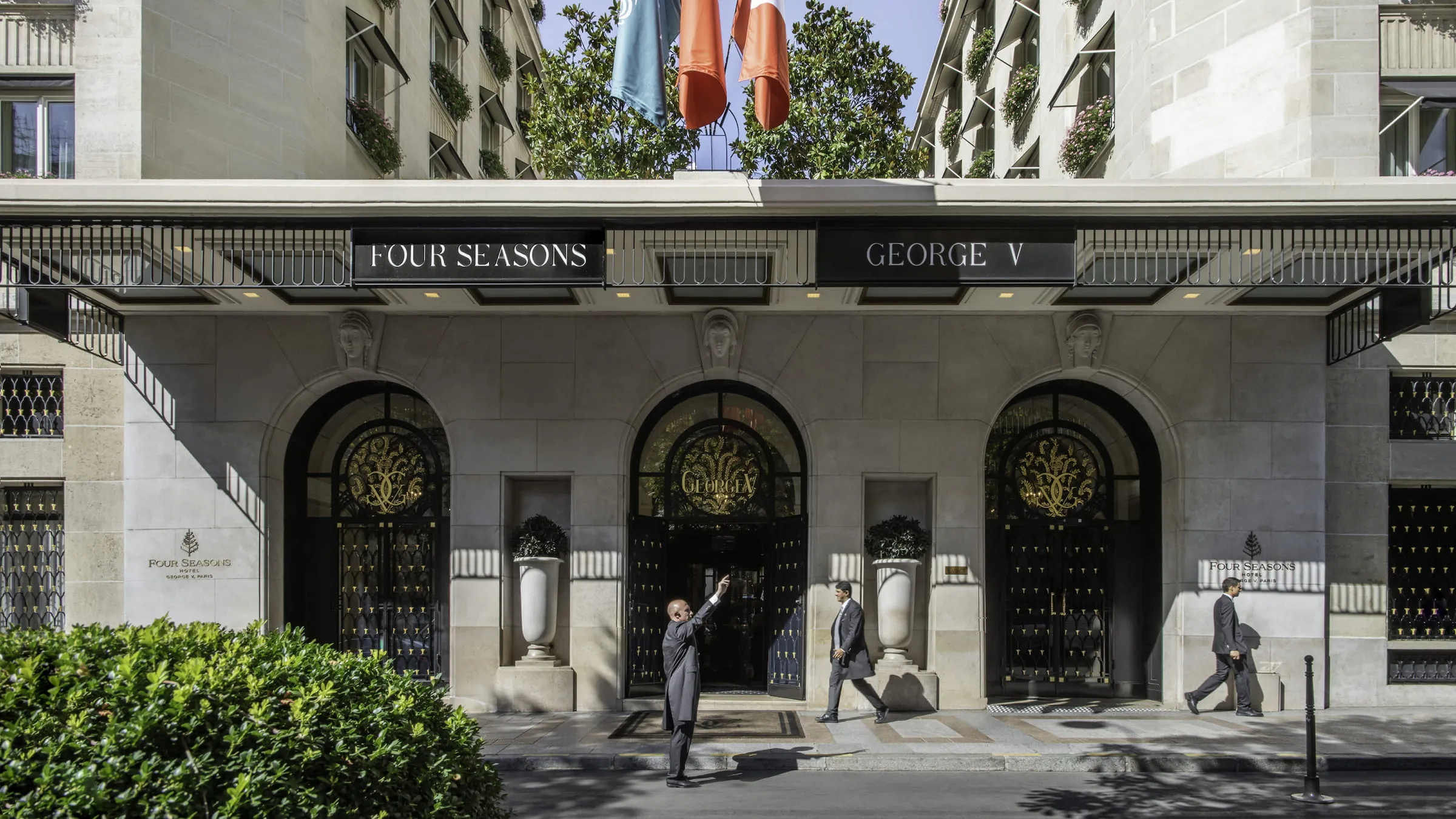
Four Seasons Hotel George V Paris
An Art Deco palace on the Golden Triangle where six Michelin stars, a legendary flower program and a newly reimagined set of rooms keep a century-old address at the front of Paris hospitality.
From €1,950 per night