Otemachi, Chiyoda, Japan
Four Seasons Hotel Tokyo at Otemachi
A 190-room aerie stacked into the top six floors of a Tokyo financial-district tower, with the Imperial Palace moat on one side and a Michelin star in the kitchen.
- Rates from
- From ¥145,000 per night
- Nearest airport
- Tokyo Haneda Airport (HND)
- Transfer
- About 25-40 minutes by car depending on traffic, or roughly 40-50 minutes via the Tokyo Monorail and Metro
- Best months
- Year-round; late March to April for cherry blossoms near the Imperial Palace, October to November for autumn foliage, and June for THE LOUNGE's clearer long-range Mount Fuji views on crisp mornings
There is a specific, slightly vertiginous pleasure to arriving at a hotel that begins on the 34th floor. Four Seasons Hotel Tokyo at Otemachi does not have a ground-floor lobby in any conventional sense; guests are directed to a dedicated elevator bank at street level and rise past thirty-three floors of law firms, trading desks and asset managers before the doors open onto the hotel proper, stacked into the top six storeys of Otemachi One Tower. It is an unusual way to begin a stay, and an entirely deliberate one: the hotel occupies one of the more expensive slices of real estate in Japan, wedged into the financial district of Otemachi, directly across the moat from the Imperial Palace, and it has built its entire identity around what that height and that address make possible.
Since opening in September 2020, in the strange, muted circumstances of a world largely closed to travel, the hotel has quietly become one of the more decorated properties in the country. It holds three Michelin Keys, the Michelin Guide’s newer top-tier hotel classification, for a second consecutive year as of the October 2025 announcement, placing it among only seven hotels in Japan and 143 worldwide to hold that rating. Its restaurant est has kept a Michelin star for five straight years, and in 2025 Condé Nast Traveler’s Readers’ Choice Awards named it the number one hotel in Japan. None of that reads as an accident of geography; it reads as the result of a fairly narrow, disciplined bet, on scale, on craft, on a small number of things done extremely well, made by a brand better known elsewhere for sprawling resorts.
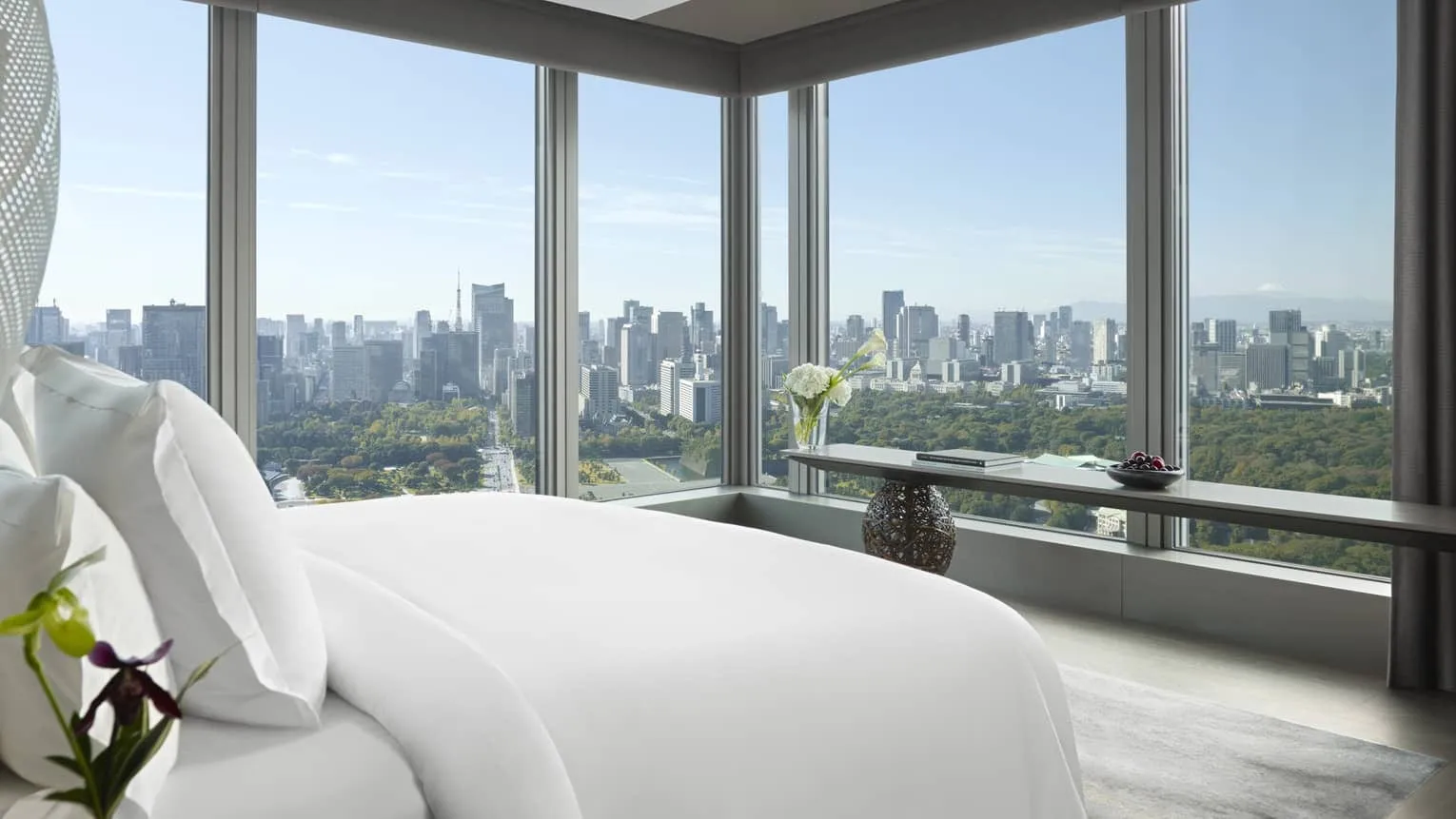
What makes the hotel worth writing about is less any single amenity than the way its size and its perch work together. At 190 rooms and suites, it is a small hotel by international five-star standards, smaller than most Four Seasons flagships, and that restraint shows up everywhere from the staff ratio to the four food and beverage venues, each with a distinct identity rather than a generic hotel-restaurant sameness. Combined with unbroken sightlines toward the Imperial Palace Gardens, and on clear days toward Mount Fuji, the effect is of a hotel that feels less like a stop in Tokyo and more like a vantage point over it.
This guide sets out what the hotel actually is, researched rather than experienced first-hand: its architecture and design, its rooms and restaurants, its spa, and the practical detail, transfer times, pricing, seasonality, that a traveller weighing a stay in Otemachi over Ginza, Roppongi or the Aman-adjacent quiet of Toranomon would want to know before booking.
Why It Stands Out
Few hotels anywhere combine a Michelin-starred restaurant, a top-tier Michelin Key hotel rating and a World’s 50 Best Bars-ranked cocktail programme inside a single 190-room property, and fewer still do it from the 34th floor up. Four Seasons Hotel Tokyo at Otemachi’s case rests on that convergence: est held one Michelin star in the 2026 Michelin Guide Japan, its fifth consecutive year with the distinction, while the hotel itself carried three Michelin Keys for a second consecutive year as of the October 2025 announcement, one of only seven properties in the country to do so. VIRTÙ, its cocktail and cognac bar, placed No. 45 in The World’s 50 Best Bars 2025. Layered onto those credentials is a location that few Tokyo hotels can match on paper, moments from the Imperial Palace, inside the financial district that effectively is modern Tokyo’s centre of gravity, with direct underground access to one of the busiest transit interchanges in the city. It is a hotel built for a narrow but demanding brief: business travellers and design-conscious leisure guests who want serious dining and a serious address without the scale of a resort.
Architecture
Four Seasons Hotel Tokyo at Otemachi occupies the top six floors, 34 through 39, of Otemachi One Tower, a 39-storey, roughly 200-metre office and hospitality tower completed as part of the broader redevelopment of the Otemachi financial district. The tower’s design is credited to Skidmore, Owings & Merrill (SOM), the American architecture firm known for tall commercial buildings worldwide, and its lower floors house offices for a roster of multinational financial and legal firms, with the hotel functioning as a self-contained precinct layered onto the building’s uppermost levels. That vertical arrangement is unusual even by the standards of hotel-in-a-skyscraper properties: rather than a distinct architectural presence at street level, the hotel reveals itself only once guests have already left the ground behind, arriving via a dedicated lift lobby rather than a conventional porte-cochere. The building sits within Otemachi’s dense grid of postwar and contemporary office towers, immediately across the moat from the Imperial Palace grounds, giving the hotel’s upper floors a genuinely unobstructed outlook that few ground-anchored Tokyo hotels can replicate, toward the palace gardens on one side and the wider skyline, and on clear days Mount Fuji, on the other.
Interior Design
The hotel’s interiors were designed by Jean-Michel Gathy of the Malaysia-based practice Denniston, a designer with a long history of Four Seasons and Aman-adjacent projects across Asia, working here within the discipline of a mid-rise floor plate rather than a standalone building. His scheme leans on warm timber, textured stone and deliberately restrained materials, aiming for a register that reads as contemporary Japanese craft rather than an imported five-star template, with guest rooms and public spaces alike organised to keep the Imperial Palace and skyline views as unobstructed as possible. PIGNETO, the hotel’s Italian restaurant, was fitted out separately by Design Studio SPIN, whose brief called for open show kitchens and a livelier, more theatrical register than the rest of the hotel, a deliberate contrast to Gathy’s quieter treatment of the guest floors and est’s more formal dining room. Across the accommodation floors the design vocabulary stays consistent: pale wood joinery, deep soaking tubs positioned to face the windows, and a general absence of visual clutter that puts the weight of the room on the view rather than on ornament.
Atmosphere
The mood at Four Seasons Hotel Tokyo at Otemachi is unmistakably shaped by its address. This is a business-district hotel first, surrounded by the headquarters of major Japanese and international companies, and its public spaces carry a polished, slightly formal energy that suits corporate travellers and dealmakers as much as leisure guests. That said, the hotel does not feel corporate in the flattening sense; the height of the property and the consistency of the views, from guest rooms, from the spa, from THE LOUNGE, give even a routine stay a sense of occasion that a street-level hotel in the same district would struggle to match. Service is built around the brand’s familiar Four Seasons consistency, attentive without being intrusive, and the relatively low room count by international five-star standards means the hotel avoids the churn and queueing that can affect larger Tokyo properties near Ginza or Shinjuku. Evenings skew toward a quieter, more contained energy than nightlife-forward districts elsewhere in the city; guests looking for street-level buzz will find Otemachi itself goes largely dark after office hours, with the hotel’s own venues, particularly VIRTÙ, doing much of the work of providing evening atmosphere in-house.
Rooms and Suites
Accommodation totals 190 keys: 170 guest rooms, split between 123 king-bedded and 47 twin-bedded layouts, and 20 suites. Entry-level Superior Rooms start at roughly 49 square metres, generous for central Tokyo, with Premier Rooms at around 61 square metres, both available in city-view or Imperial Garden-facing configurations, and connecting rooms offered for families or groups travelling together. Suite categories climb from the Four Seasons Suite, set on floors 34 through 37 with Imperial Garden views and roughly 76 square metres of space, through the larger Panoramic Suite at around 100 square metres, up to the two-bedroom Otemachi Suite on the top two floors and, at the top of the hierarchy, the Imperial Suite: 283 square metres with sweeping views of both the Imperial Palace Gardens and the Tokyo skyline, reconfigurable into a three-bedroom layout for larger parties. Throughout the hotel, floor-to-ceiling windows are the defining feature of the room product, oriented deliberately to maximise sightlines toward either the palace grounds or the skyline depending on category, with soaking tubs and bathing areas typically positioned to share in the same views.
Dining
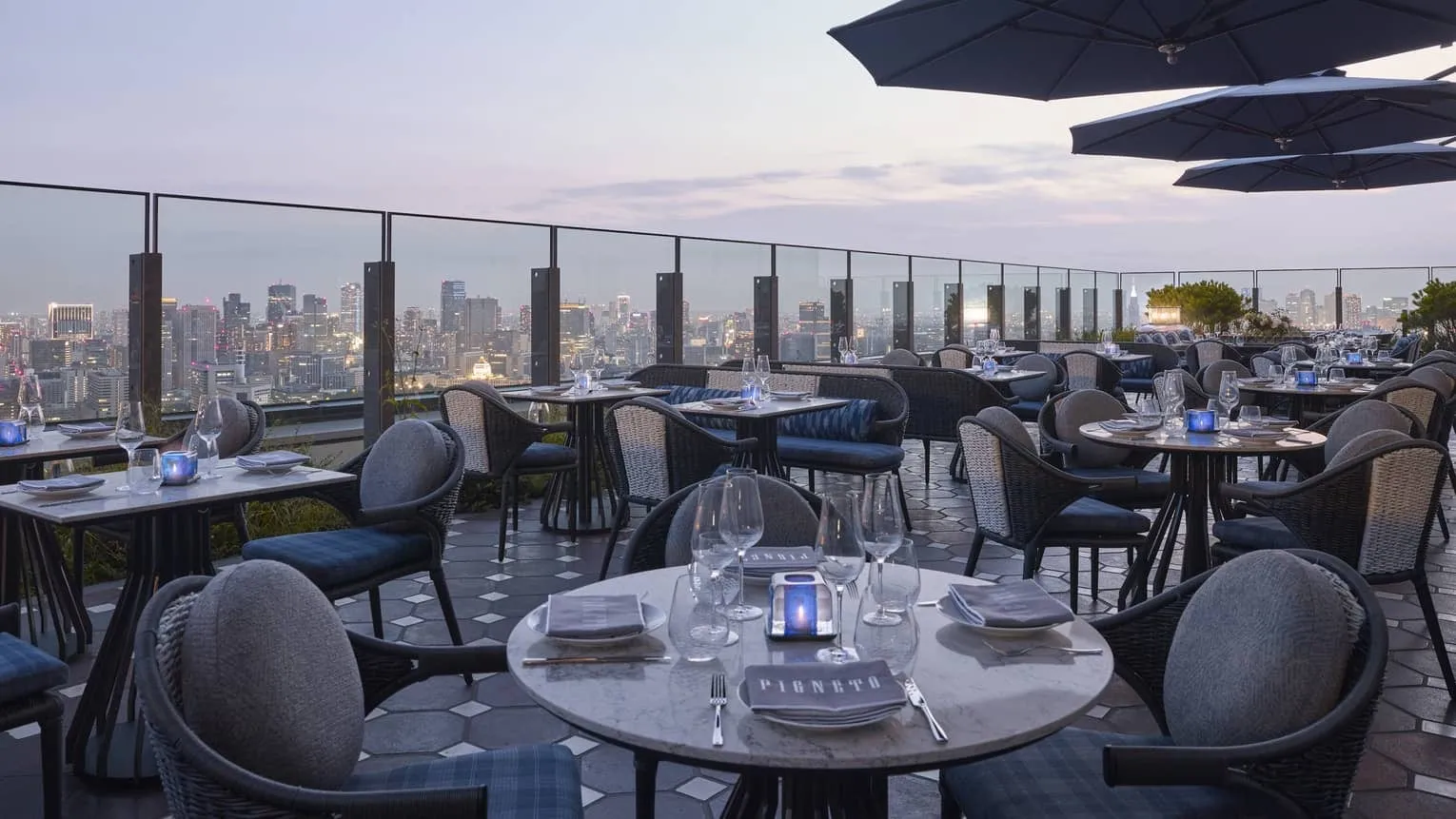
est anchors the hotel’s culinary reputation, holding one Michelin star in the 2026 Michelin Guide Japan for a fifth consecutive year under chef Guillaume Bracaval, whose contemporary French cooking draws on ingredients sourced almost entirely, around 95 percent, from Japanese farmers, fishermen and foragers, including fish supplied directly by a fisherman on Kyushu and more than fifty citrus varieties grown on a single farm in Wakayama prefecture. Set on the 39th floor, the restaurant pairs its tasting-menu format with the same panoramic outlook that defines the rest of the hotel’s upper floors. PIGNETO takes the hotel’s other major dining slot, an Italian restaurant built around Sicilian and Tuscan traditions, artisanal Neapolitan-style pizza from pizza chef Alessandro Luca de Leo, and a 105-seat dining room supplemented by a 40-seat open-air terrazza that runs seasonally from April through October. THE LOUNGE serves the hotel’s afternoon tea, curated jointly by est’s pastry chef Michele Abbatemarco and executive sous chef Kensuke Kuze around rotating seasonal and thematic menus, priced from JPY 8,300 on weekdays and JPY 9,300 on weekends, served against the same Imperial Palace Gardens backdrop. In-room dining and private events round out the offer, with the hotel’s compact venue count, four in total including the bar, kept deliberately smaller than at larger Four Seasons resorts.
Spa and Wellness
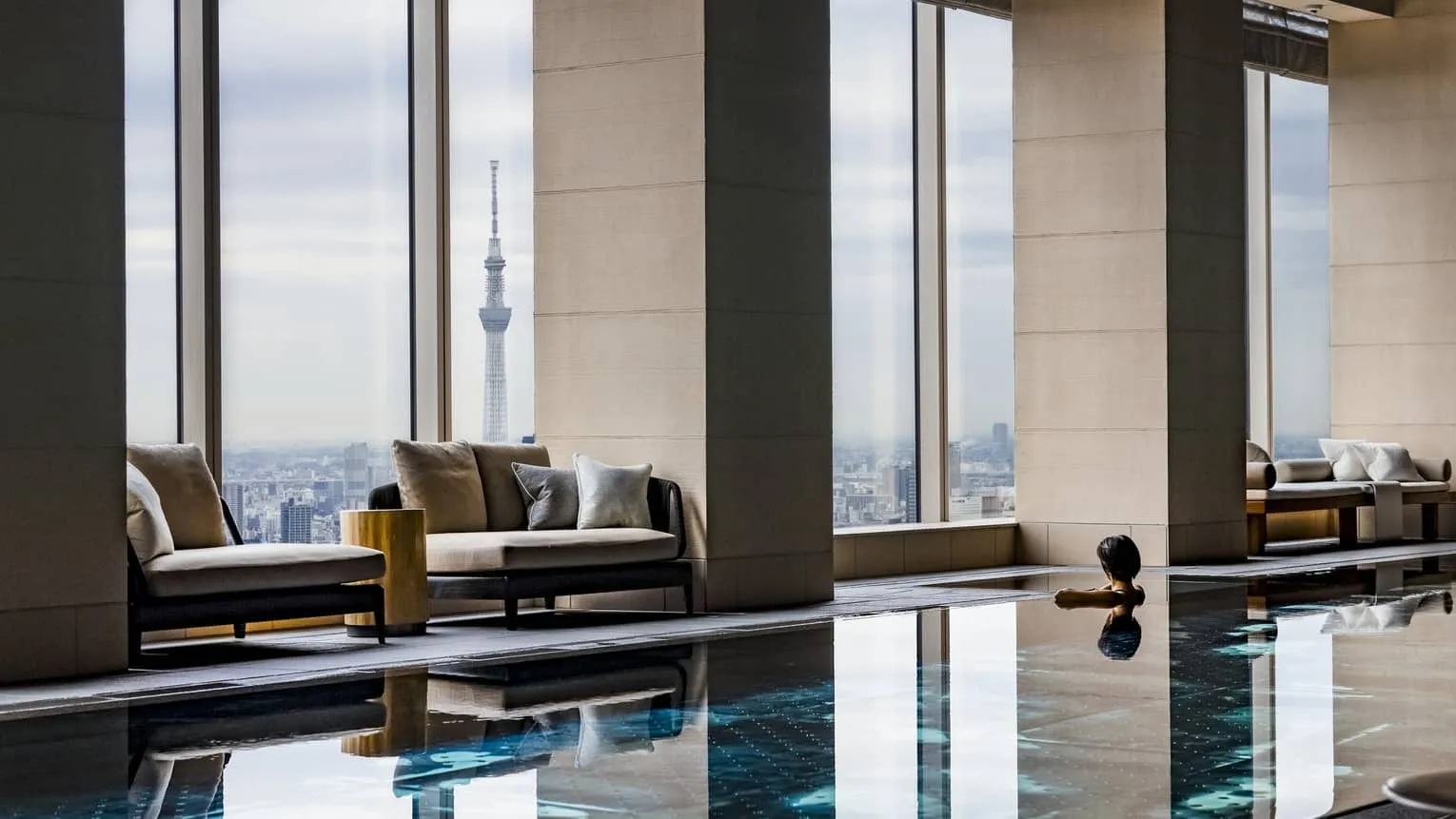
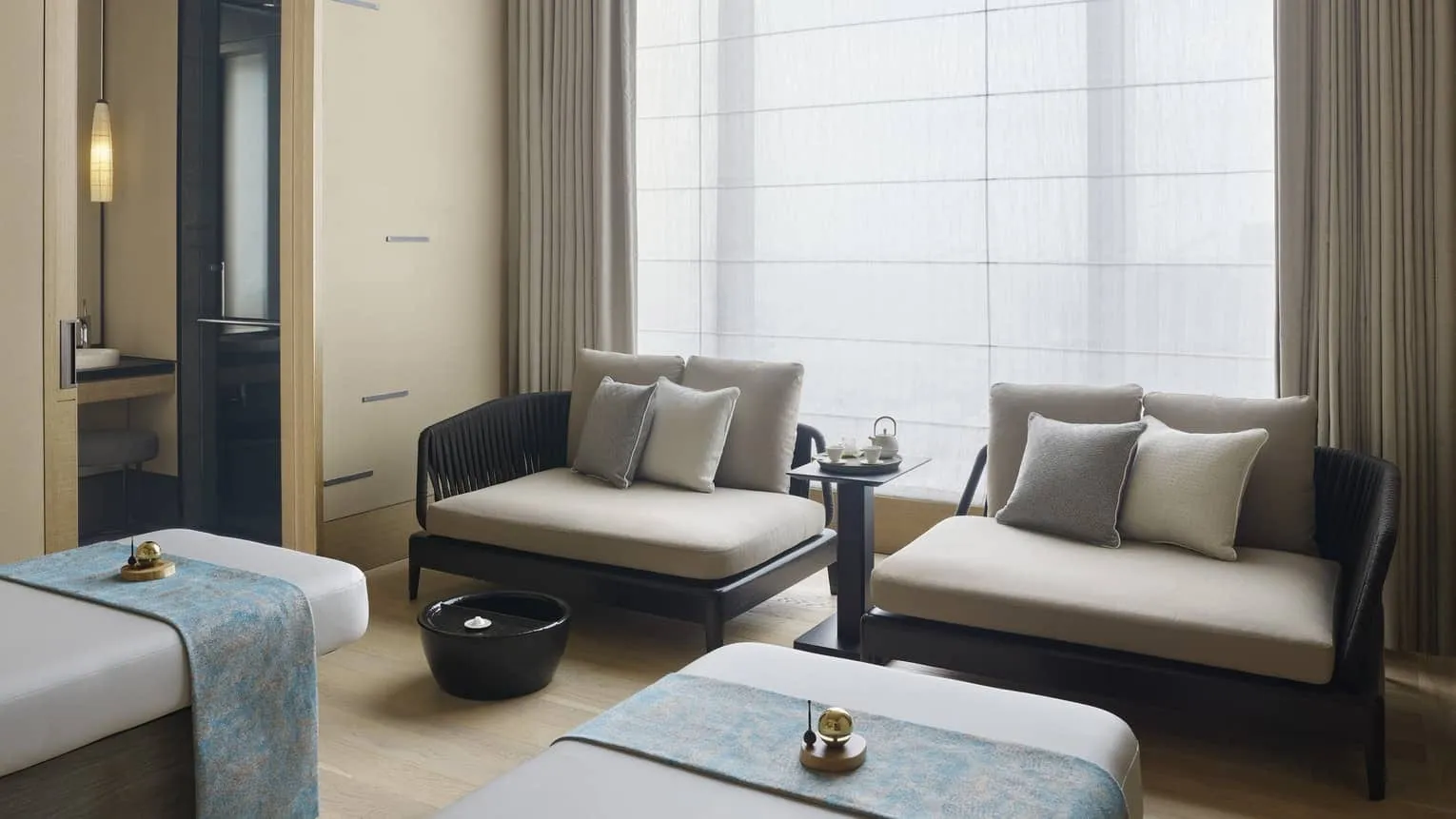
The Spa occupies part of the 39th floor, sharing the hotel’s uppermost level with est, and centres on a 20-metre indoor heated pool set behind floor-to-ceiling windows with 360-degree city views. Five treatment rooms, including a dedicated couples’ suite, offer a menu built around massage, body treatments and facials, while separate men’s and women’s locker rooms each include steam rooms and ofuro-style Japanese soaking baths, a nod to traditional bathing culture rather than a natural hot spring. A fully equipped fitness centre adjoins the spa, looking out toward the Imperial Palace Gardens during the day and the lit skyline at night. Access runs beyond overnight guests: the spa operates a day-visit programme and a lifestyle membership aimed at Tokyo residents and expatriates, who gain access to the pool and gym alongside preferential treatment rates, a structure that keeps the facility active outside peak hotel occupancy.
Experiences
VIRTÙ, the hotel’s cocktail and cognac bar, is the property’s most internationally recognised single venue outside its restaurants, placing No. 45 on The World’s 50 Best Bars 2025. Its programme leans on a substantial collection of vintage French spirits and rare cognacs, reworked through modern Japanese bartending technique, a deliberate cross-cultural pairing that mirrors est’s own French-technique-meets-Japanese-ingredient approach one floor away. THE LOUNGE’s rotating afternoon tea menus, which have taken on themes ranging from the French Riviera to Florence’s Santa Maria Novella perfumery, function as a recurring seasonal event in their own right rather than a static offering, drawing a local Tokyo clientele as much as hotel guests. Beyond its own venues, the hotel’s height and Otemachi address put it within easy reach of some of central Tokyo’s most concentrated cultural and retail districts, making it a workable base for guests treating the city itself, rather than the hotel, as the main event, while still offering enough on-site programming, spa membership events, seasonal dining collaborations, wine and cognac tastings at VIRTÙ, to fill an evening without leaving the tower.
Who It Is For
The hotel’s core audience is business travellers working with the companies headquartered around Otemachi and Marunouchi, for whom the location removes almost all commute time and the hotel’s relatively contained scale means faster, more personal service than a larger convention-oriented property could offer. It suits first-time Tokyo visitors who want a single, high-quality base with strong dining built in rather than a itinerary built around restaurant reservations across the city, and it works well for couples prioritising a quiet, view-driven stay over a nightlife-adjacent address. Design and food-focused travellers, the kind who plan trips loosely around a Michelin-starred meal or a ranked cocktail bar, will find both under one roof here. It is a less natural fit for families seeking extensive children’s programming or resort-style amenities, since the hotel’s compact footprint and business-district setting prioritise adult-oriented refinement over family infrastructure, and for travellers who want to be immersed in a livelier, street-level neighbourhood after dark, since Otemachi itself quiets considerably once the surrounding offices empty out.
Best Time to Visit
Tokyo functions as a year-round destination, and Four Seasons Hotel Tokyo at Otemachi’s largely indoor, view-driven appeal holds up across seasons better than most city hotels. Late March into April brings cherry blossom season to the moat and gardens around the Imperial Palace directly below the hotel, a period of high demand and premium pricing across the city. Autumn, roughly late October through November, brings comparable colour to the palace grounds and Tokyo’s wider park network with generally milder weather and marginally easier availability. Clear winter mornings, particularly December through February, tend to offer the best odds of a visible Mount Fuji from the hotel’s upper floors and THE LOUNGE, a detail worth weighing for guests specifically chasing that view. Midsummer brings heat and humidity typical of Tokyo generally, with the hotel’s largely indoor programme, spa, restaurants, the pool, offering an easy retreat from conditions outside.
How to Get There
Haneda Airport (HND) is the more convenient of Tokyo’s two international gateways, roughly 25 to 40 minutes from the hotel by car depending on traffic, or about 40 to 50 minutes by a combination of the Tokyo Monorail or Keikyu Line and the subway. Narita Airport (NRT), used by a large share of long-haul international arrivals, sits considerably farther out, typically 75 to 90 minutes by car or via the Narita Express and Skyliner rail services, longer at peak traffic times. However guests arrive, the hotel’s connection to Otemachi Station is a genuine practical advantage: the tower links directly underground to a station served by the Chiyoda, Marunouchi, Hanzomon and Tozai subway lines along with the Toei Mita line, putting most of central Tokyo within a short, interchange-free ride and reducing reliance on taxis for guests exploring beyond the immediate district.
Nearby Experiences
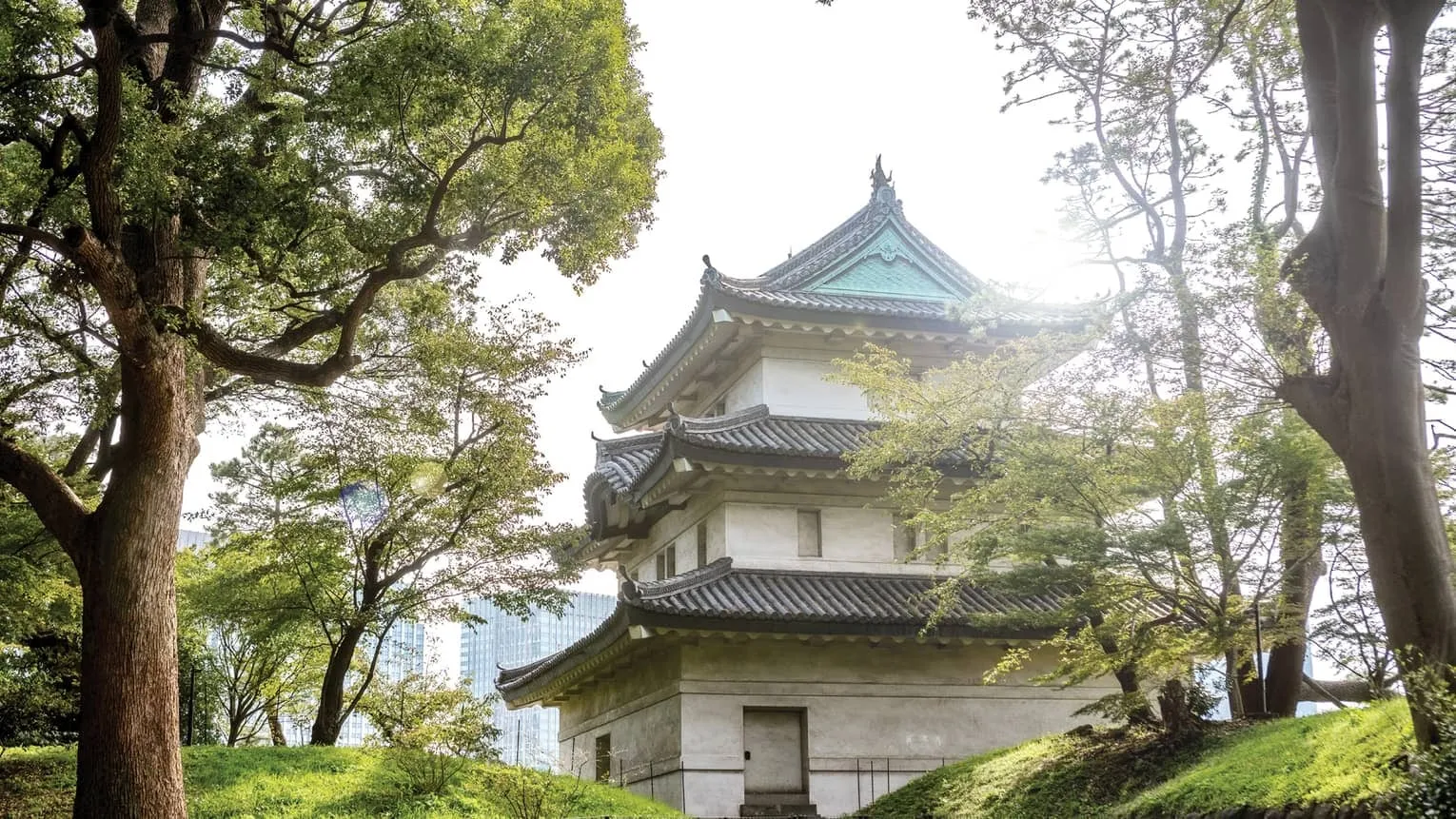
The Imperial Palace and its surrounding parkland sit directly across the moat from the hotel, offering an early-morning walking loop, the Imperial Palace East Gardens are open to the public on most days, that is genuinely rare among major world capitals in its proximity to a five-star hotel of this scale. Tokyo Station, one of the city’s principal rail hubs and an attraction in its own right for its restored Marunouchi facade, is a short walk away, alongside the Marunouchi district’s dense concentration of department stores, galleries and the Mitsubishi Ichigokan Museum. Ginza’s flagship shopping and gallery district is a short taxi or subway ride to the southeast, while Akihabara’s electronics and pop-culture streets lie a comparable distance to the northeast, giving guests a genuine choice of register, formal luxury retail versus subculture browsing, within a ten to fifteen minute radius of the hotel.
Things to Know Before Booking
The hotel’s compact room count relative to its reputation means peak-season dates, particularly cherry blossom weeks in late March and April and the autumn foliage window in November, can sell out well ahead of typical international booking windows; guests with fixed dates in those periods should book earlier rather than later. Because the hotel begins on the 34th floor rather than at street level, arrival involves a security and lift-lobby process distinct from a conventional hotel entrance, worth knowing in advance for guests unfamiliar with the format. Reservations at est, particularly for dinner, are worth securing well ahead of arrival given the restaurant’s Michelin recognition and limited seating; the same applies to peak evening slots at VIRTÙ. Travellers specifically chasing a Mount Fuji view should note it is weather-dependent and most reliable on clear winter mornings, not a guaranteed feature of every stay regardless of room category.
Sustainability
The hotel has built a set of building-level efficiency measures into its operation, including a rainwater catchment system, LED lighting throughout guest and public areas, automated controls for lighting and air-conditioning, energy-saving inverters, and floor-by-floor zoning that allows sections of the hotel to conserve energy during lower-occupancy periods. Single-use plastics have been phased out in stages, with guest rooms using aluminium water bottles in place of disposable plastic and plastic-free laundry bags in housekeeping operations. At est, the sourcing model, roughly 95 percent of ingredients drawn from Japanese producers, functions as a sustainability measure as much as a culinary one, according to the hotel, shortening supply chains, supporting smaller-scale domestic farmers and fishermen, and reducing the carbon footprint associated with imported ingredients while also extending the shelf life of produce and cutting food waste.
Practical Information
Standard check-in is from 3:00 PM, with check-out at 12:00 PM; the hotel’s concierge can generally accommodate early arrival or late departure requests subject to availability. Indicative published rates for an entry-level Superior Room start from around JPY 145,000 per night, based on recent online travel agency listings and guest-reported pricing, though rates fluctuate significantly with season, city-wide demand and exchange rates, and specific promotional or package rates may run lower. The hotel’s four food and beverage venues, est, PIGNETO, VIRTÙ and THE LOUNGE, along with The Spa, in-room dining and event space, are all bookable directly through the hotel or via its concierge team. The property is equipped for business travellers with meeting rooms and event space consistent with its Otemachi location, and multilingual staff are standard given the hotel’s mix of international and domestic Japanese guests.
Editorial Conclusion
Four Seasons Hotel Tokyo at Otemachi makes a fairly unusual bet for a global luxury brand: rather than scale, it leans on altitude, restraint and a small number of genuinely best-in-class components, a Michelin-starred kitchen, a globally ranked bar, an address that puts the Imperial Palace at eye level, stacked into six floors of a working office tower. Five years on from a September 2020 opening that landed in the middle of a global travel shutdown, the hotel’s Michelin Keys, its Condé Nast Traveler ranking and est’s now five-year run with a Michelin star suggest that bet has paid off. For travellers who want serious Tokyo dining and a business-district base without resort-scale sprawl, and who don’t mind an elevator ride replacing a conventional lobby, it remains one of the more distinctive luxury addresses the city has to offer.
In pictures
On the map
Otemachi, Chiyoda, Japan
Questions
Frequently asked
When did Four Seasons Hotel Tokyo at Otemachi open, and where exactly is it?
The hotel opened in September 2020, Four Seasons' second property in Tokyo after its smaller Marunouchi hotel. It occupies the top six floors, 34 through 39, of Otemachi One Tower, a 39-storey office and hotel building in the Otemachi financial district of Chiyoda, directly across from the Imperial Palace grounds and connected to Otemachi Station.
How many rooms does the hotel have, and is it considered small for a Four Seasons flagship?
The hotel has 190 accommodations in total: 170 guest rooms (123 king and 47 twin configurations) and 20 suites. That is a modest count by the standards of large Four Seasons resorts, closer in scale to the brand's more intimate city hotels, and it is part of what allows the property to run a comparatively high staff-to-guest ratio.
Does the hotel have a Michelin-starred restaurant?
Yes. est, the hotel's contemporary French restaurant on the 39th floor led by chef Guillaume Bracaval, held one Michelin star in the 2026 Michelin Guide Japan, its fifth consecutive year with the distinction. The kitchen sources roughly 95 percent of its ingredients from Japanese farmers, fishermen and foragers. The hotel also holds three Michelin Keys, the guide's top hotel classification, for a second consecutive year as of the 2025 announcement.
What spa and wellness facilities are on site?
The Spa sits on the 39th floor beside a 20-metre indoor heated pool with panoramic city views. It has five treatment rooms, including a couples' suite, plus steam rooms and ofuro-style Japanese baths in the separate men's and women's locker rooms, and a fitness centre overlooking the Imperial Palace Gardens by day and the skyline by night. Day-spa visits and a Tokyo-resident lifestyle membership are both available alongside treatments for overnight guests.
What is the nearest airport, and how do guests get to the hotel?
Haneda Airport (HND) is the closer of Tokyo's two international airports, roughly 25 to 40 minutes away by car depending on traffic, or about 40 to 50 minutes using the Tokyo Monorail and subway. Narita Airport (NRT) is considerably farther, typically 75 to 90 minutes by car or the Narita Express. The hotel connects directly to Otemachi Station, served by the Chiyoda, Marunouchi, Hanzomon and Tozai subway lines plus the Toei Mita line, putting most of central Tokyo within a short ride.
What dining and drinking venues does the hotel have besides est?
PIGNETO serves Sicilian- and Tuscan-inflected Italian cuisine across a 105-seat dining room and a seasonal outdoor terrazza open April to October. VIRTÙ, the hotel's cocktail and cognac bar, placed No. 45 on The World's 50 Best Bars 2025. THE LOUNGE serves an Imperial Palace Gardens-facing afternoon tea curated by est's pastry team, priced from JPY 8,300 on weekdays and JPY 9,300 on weekends.
Same destination
More hotel guides in Japan
Otemachi, Chiyoda, Japan
Aman Tokyo
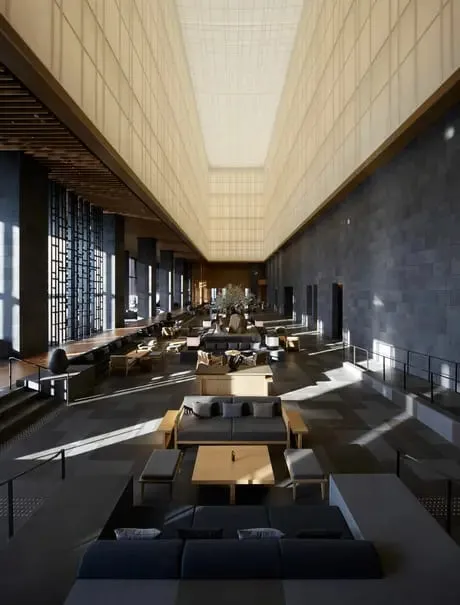
Six floors of dark basalt and washi paper, stacked atop a financial-district tower, where a giant paper lantern lobby turns the Otemachi skyline into a Japanese garden.
From ¥250,000 per night
Naoshima, Seto Inland Sea, Japan
Benesse House
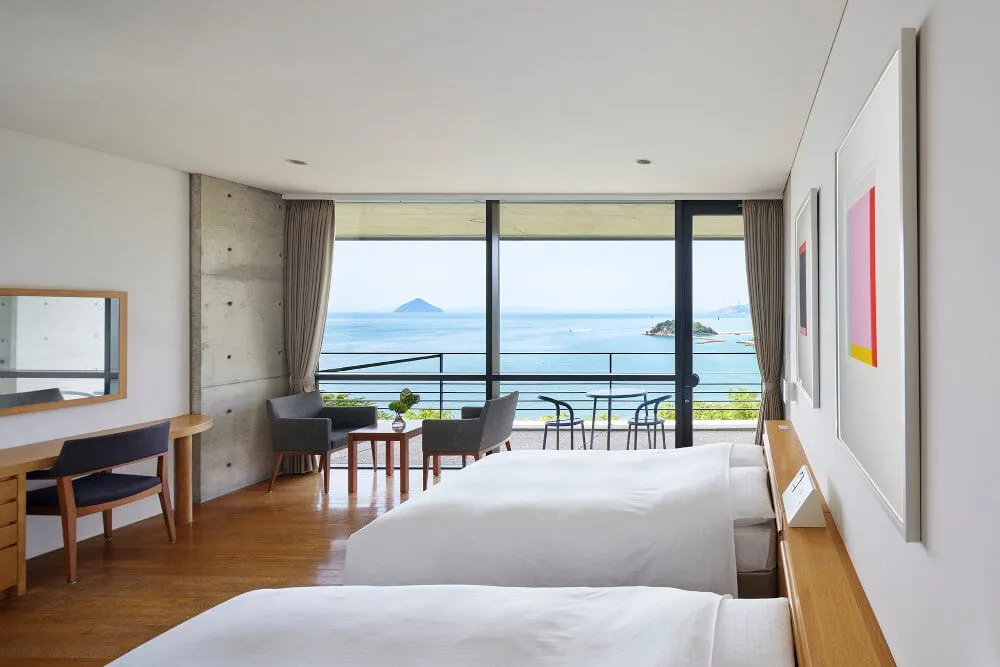
A Tadao Ando concrete museum with guest rooms built into its galleries, the founding building of the Seto Inland Sea's art-island movement.
From ¥40,000 per night
Gora, Hakone, Japan
Gora Kadan
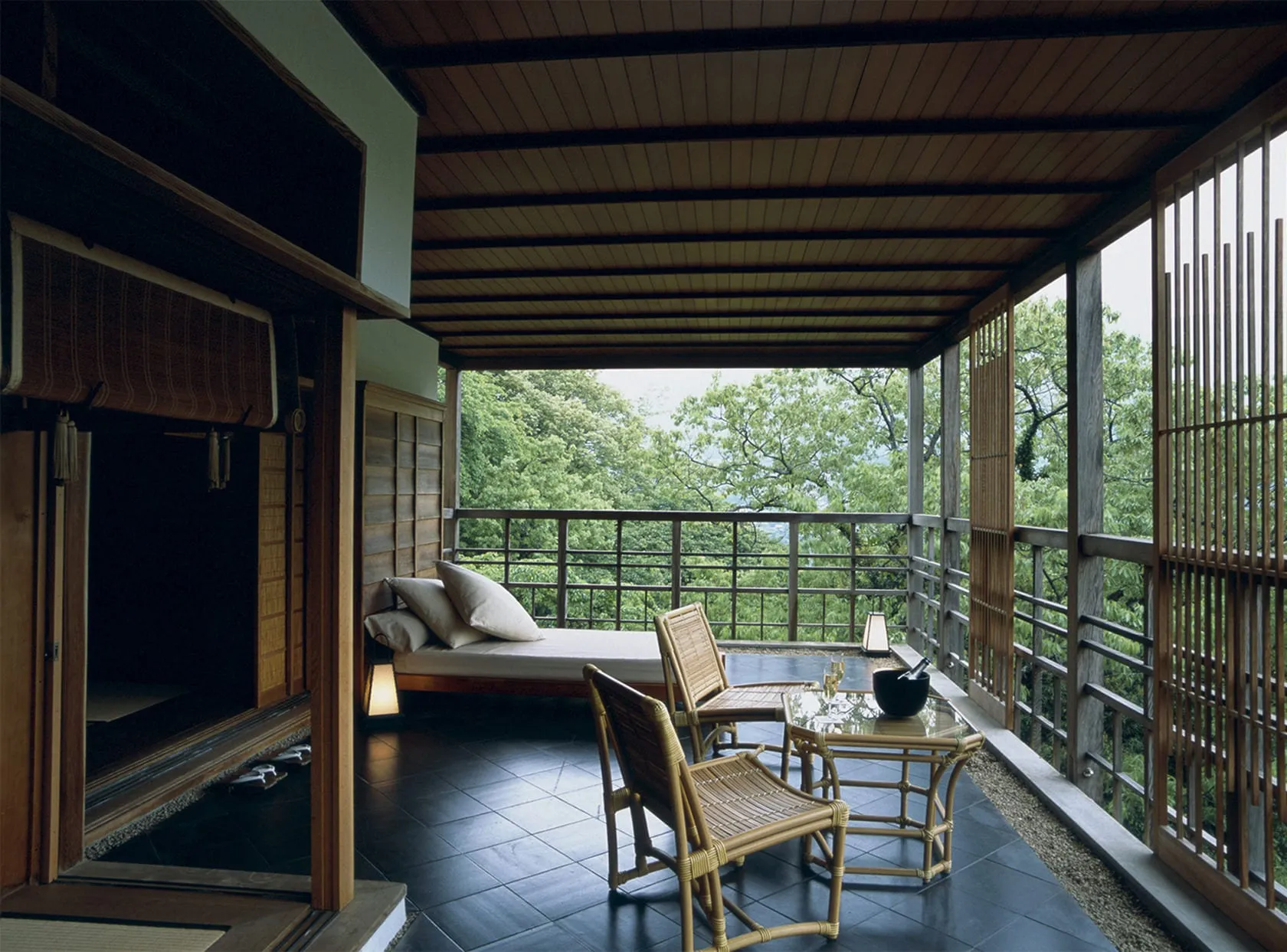
A former Imperial villa in the hills above Hakone, rebuilt as a 38-room ryokan where private volcanic-spring baths and kaiseki dinners define the stay.
From ¥100,000 per night