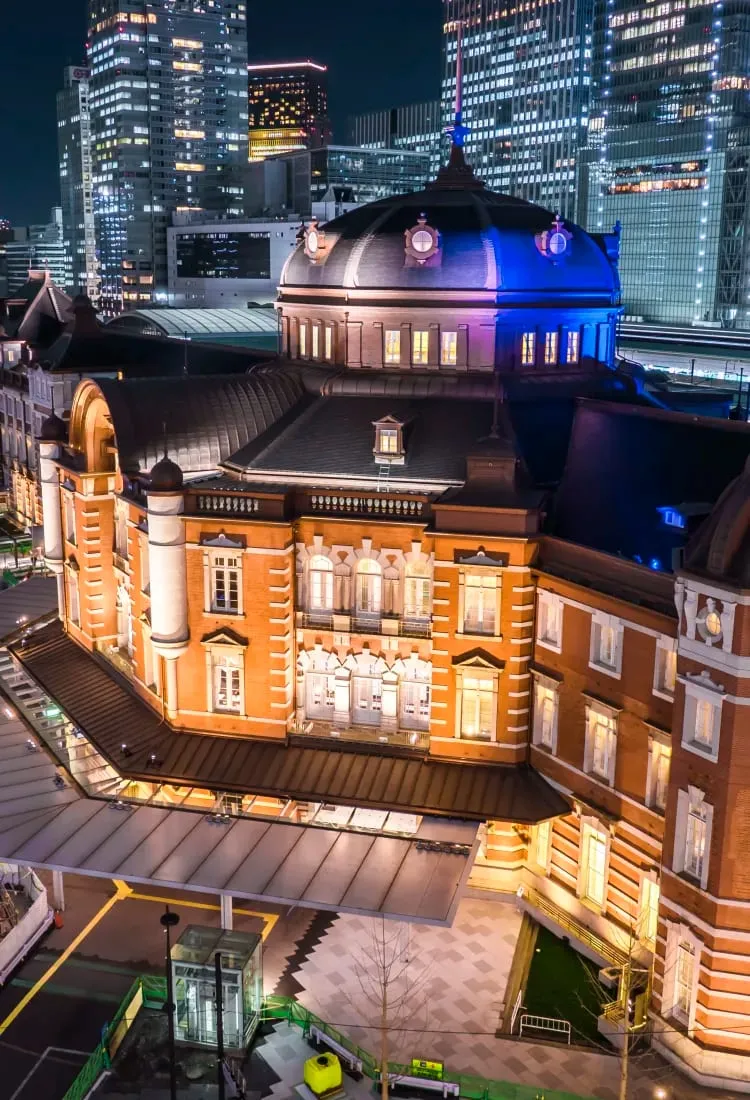
Japan
A hotel culture built on two distinct traditions running in parallel: the ryokan, with its tatami floors, kaiseki dinners and onsen bathing, and a newer generation of design-led city and countryside hotels applying the same attention to craft and quiet.
- When to go
- Late March to April for cherry blossom, and October to November for autumn foliage, both requiring bookings well in advance; June brings rainy season, and mid-summer is hot and humid across most of the country.
- Getting there
- Around 11 to 14 hours direct from major US West Coast and European hubs to Tokyo or Osaka.
- Best for
- design wellness gastronomy art honeymooners
Japan’s hotel geography divides less by region than by tradition: the ryokan, a centuries-old form built around tatami rooms, communal or private onsen bathing, and multi-course kaiseki dinners served in-room, sits alongside a newer wave of international and independent hotels that have absorbed the same principles of restraint and craft without adopting the ryokan format itself.
The regions, briefly
Tokyo carries the country’s highest concentration of design-forward hotel openings, from towers with sweeping city views to intimate, art-filled properties tucked into older neighbourhoods. The city rewards staying in more than one district across a longer trip, since each ward, Otemachi’s financial-district polish, the quieter lanes around Toranomon, keeps a genuinely different character.
Hakone, roughly ninety minutes from Tokyo by train, is where the ryokan tradition is often first experienced by visitors: a hot-spring town in the mountains, with views toward Mount Fuji on clear days and a concentration of both historic and design-led onsen properties.
Naoshima and the Seto Inland Sea islands run on an entirely different logic, an art-and-architecture pilgrimage built around Tadao Ando’s museum and hotel buildings and a wider network of installations across several small islands, reached by ferry from Okayama or Takamatsu.
Kyoto, Japan’s former imperial capital, and the Kansai region’s temple towns extend the country’s traditional hospitality further inland, though the destination guide here focuses on the properties and regions covered so far; further additions will follow as research continues.
Where to stay
Hotel guides in Japan
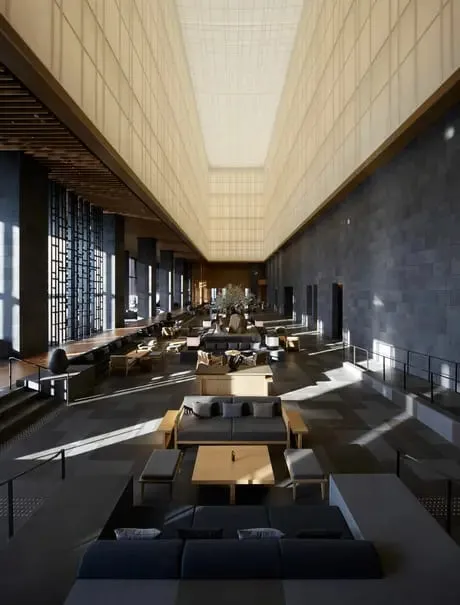
Otemachi, Chiyoda, Japan
Aman Tokyo
Six floors of dark basalt and washi paper, stacked atop a financial-district tower, where a giant paper lantern lobby turns the Otemachi skyline into a Japanese garden.
From ¥250,000 per night
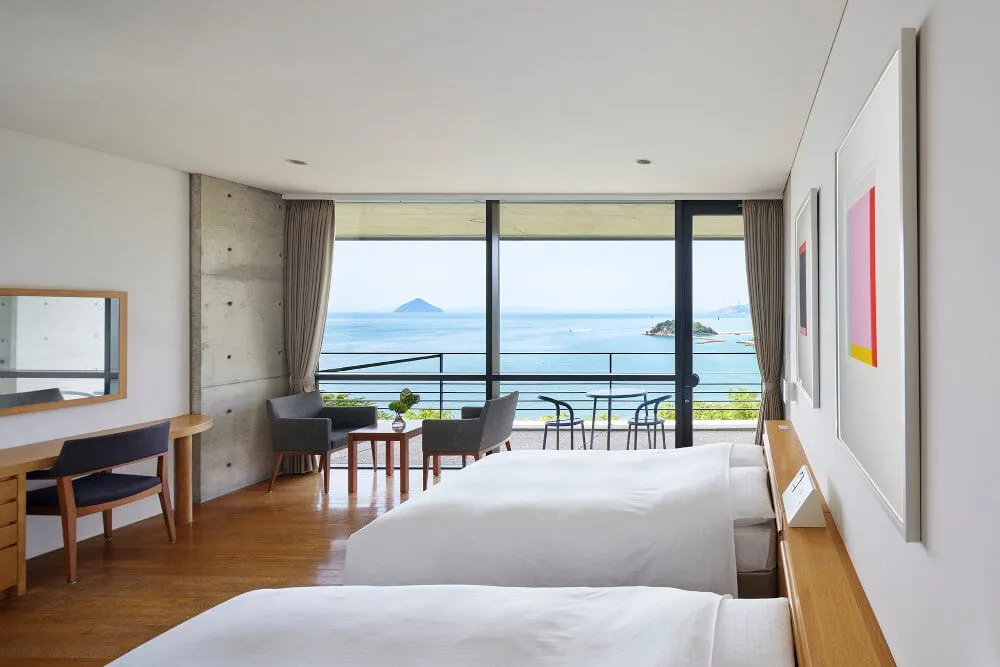
Naoshima, Seto Inland Sea, Japan
Benesse House
A Tadao Ando concrete museum with guest rooms built into its galleries, the founding building of the Seto Inland Sea's art-island movement.
From ¥40,000 per night
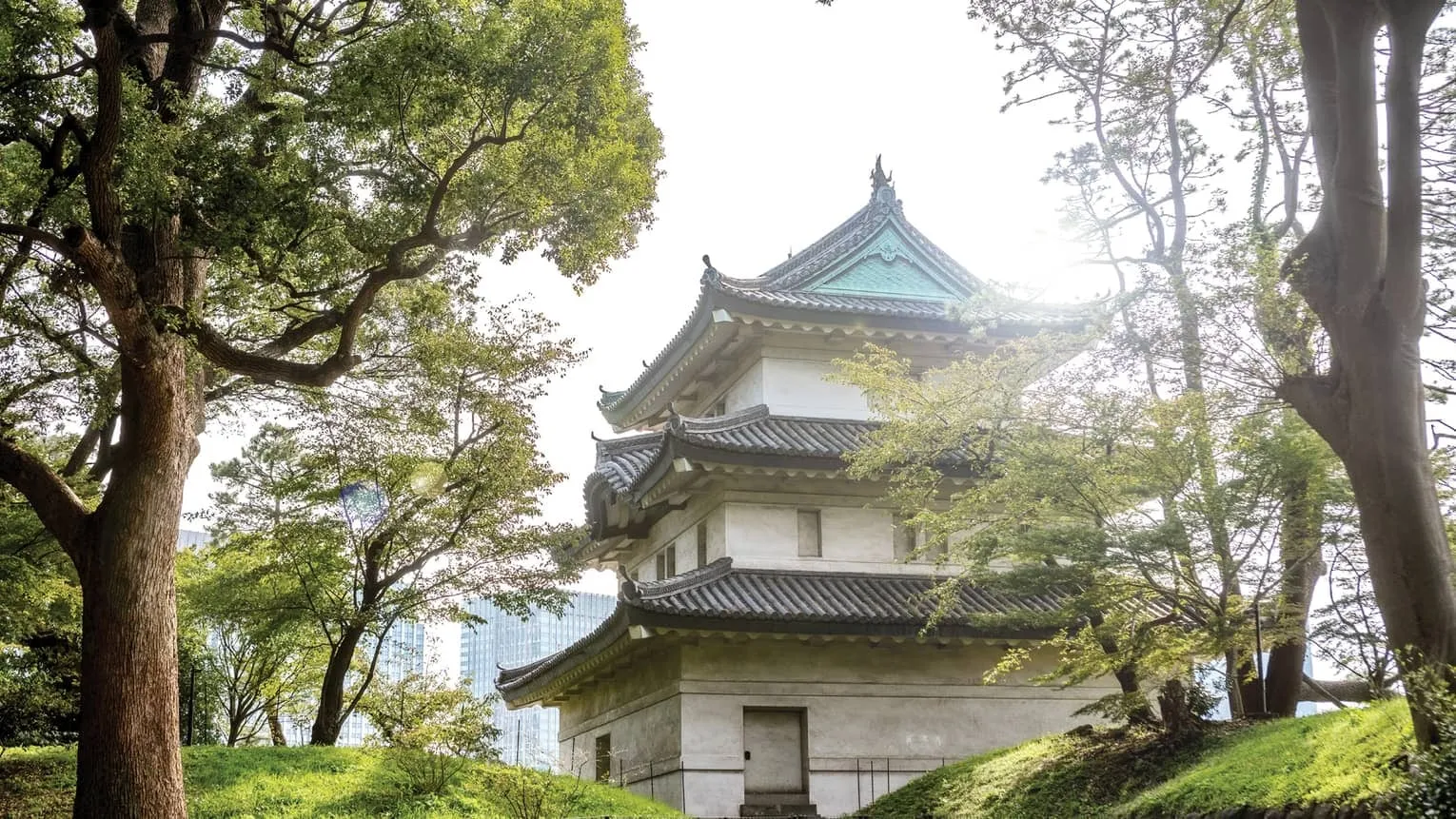
Otemachi, Chiyoda, Japan
Four Seasons Hotel Tokyo at Otemachi
A 190-room aerie stacked into the top six floors of a Tokyo financial-district tower, with the Imperial Palace moat on one side and a Michelin star in the kitchen.
From ¥145,000 per night
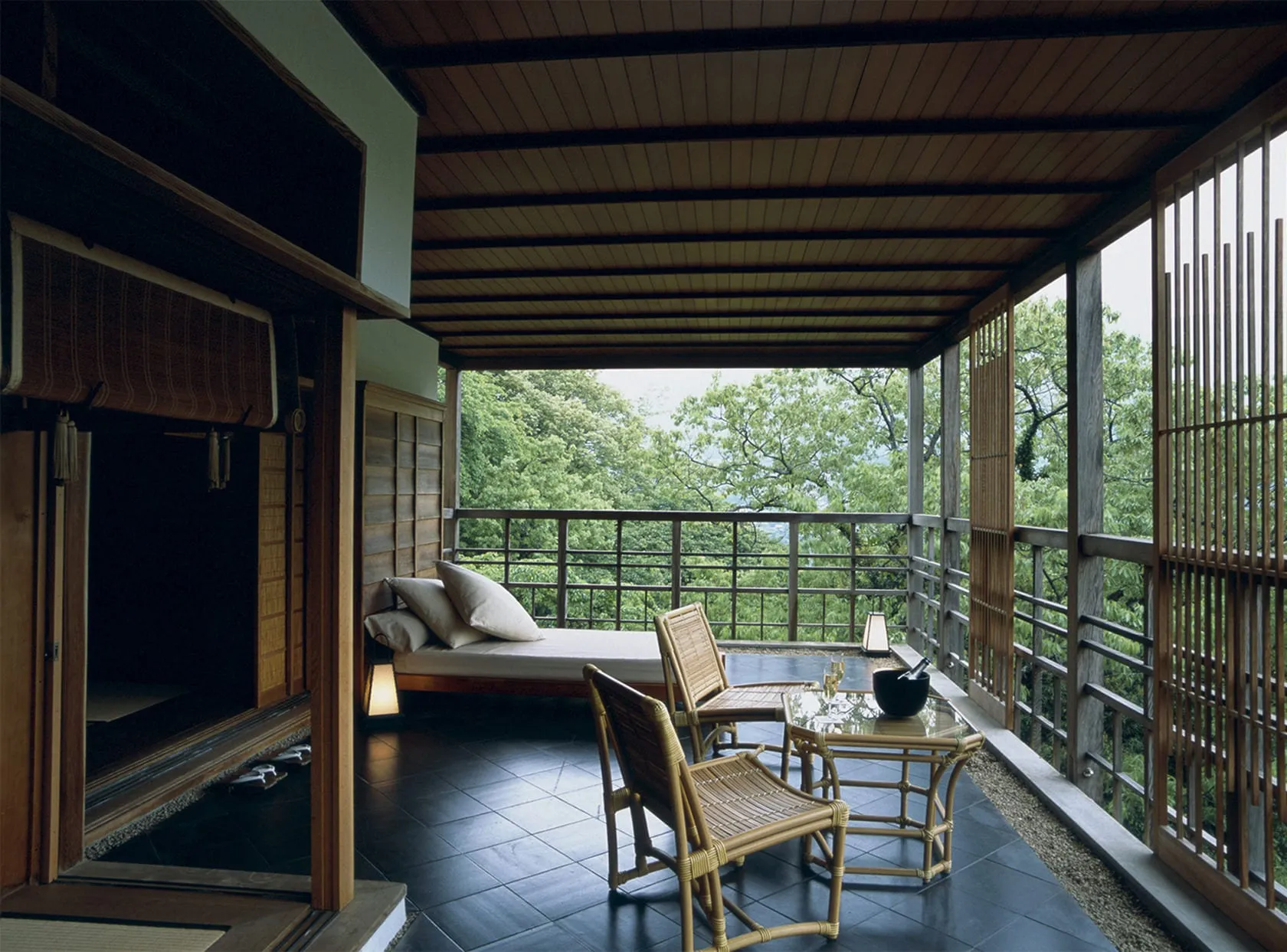
Gora, Hakone, Japan
Gora Kadan
A former Imperial villa in the hills above Hakone, rebuilt as a 38-room ryokan where private volcanic-spring baths and kaiseki dinners define the stay.
From ¥100,000 per night
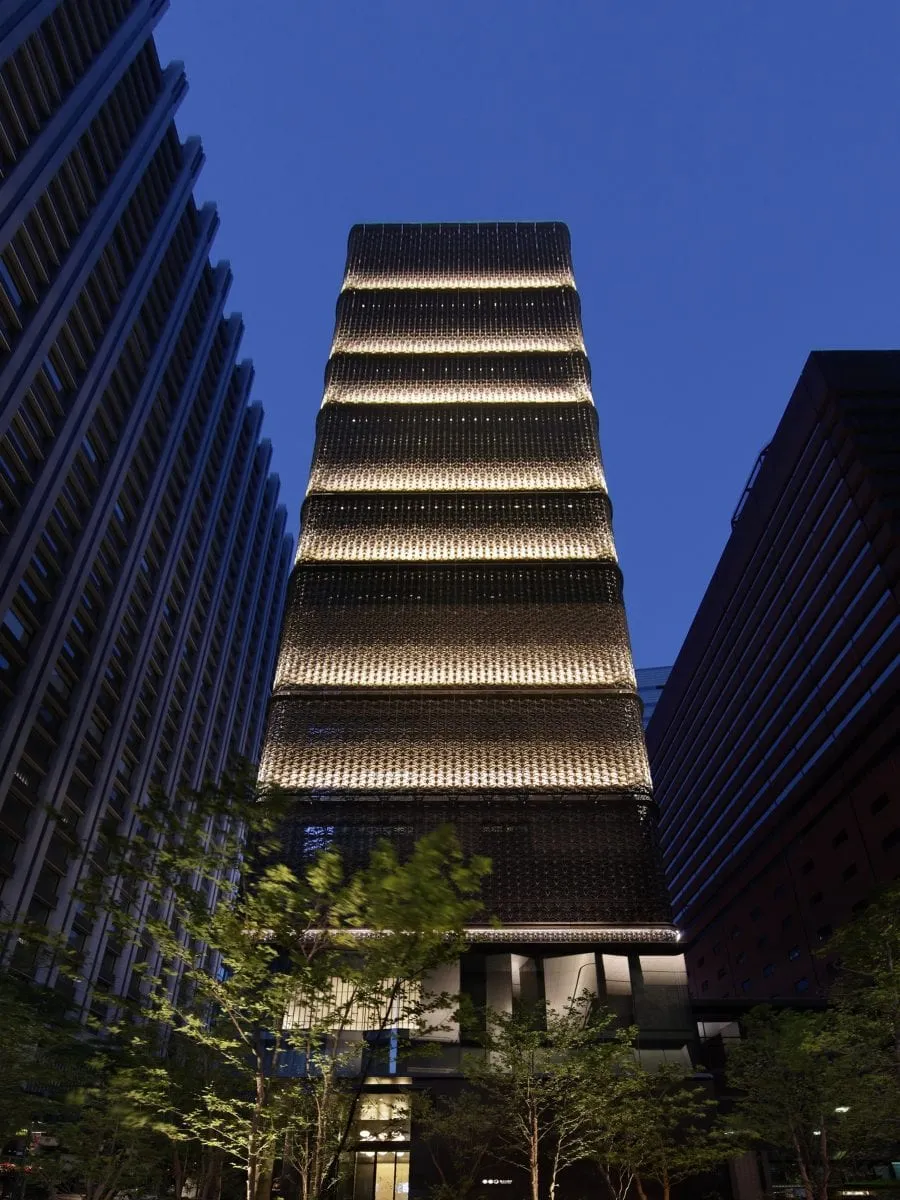
Otemachi, Chiyoda, Japan
Hoshinoya Tokyo
A ryokan stacked seventeen storeys into an Otemachi tower, tatami underfoot from the lobby to the elevator to a hot-spring bath fed from 1,500 metres below the financial district.
From ¥80,000 per night
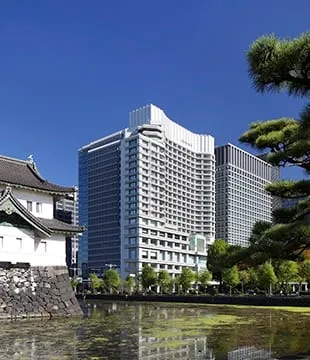
Marunouchi, Chiyoda, Japan
Palace Hotel Tokyo
A Marunouchi institution rebuilt from the ground up in 2012, with 266 rooms and 18 suites facing the moat, the pines and the Otemon Gate of the Imperial Palace.
From ¥118,000 per night