Gora, Hakone, Japan
Gora Kadan
A former Imperial villa in the hills above Hakone, rebuilt as a 38-room ryokan where private volcanic-spring baths and kaiseki dinners define the stay.
- Rates from
- From ¥100,000 per night
- Nearest airport
- Haneda Airport (HND)
- Transfer
- About 90 minutes to 2 hours by train (limited express or Shinkansen to Odawara, then the Hakone Tozan Line to Gora); roughly the same by car, longer from Narita (NRT)
- Best months
- Early April for cherry blossoms and November for autumn foliage; the onsen and kaiseki dining make it rewarding through winter and summer as well
Before it was a ryokan, Gora Kadan was a family secret of sorts: a private mountain retreat built in 1930 by Prince Kan’in-no-miya Kotohito, on land in Gora acquired from Yasuya Iwasaki of the Mitsubishi banking family, for the exclusive purpose of receiving guests away from the formality of Tokyo. The prince named it Kadan, a term used within Imperial households for a residence built to host distinguished visitors, and for close to two decades it functioned exactly that way: a discreet villa in the hills above Hakone’s hot-spring town, seen by very few people outside the Imperial court.
Everything changed after the war. In 1947, Japan’s postwar constitutional reforms stripped the collateral branches of the Imperial family, the Kan’in-no-miya line among them, of their titles and status. The following year, Kotohito’s son, the newly commoner Haruhito, made a decision that would define the property for the next eight decades: rather than sell or abandon the villa, he opened it to paying guests, keeping the name his father had given it. Gora Kadan the ryokan was born directly out of Gora Kadan the private villa, and that lineage, unusually traceable and unusually well documented for a Japanese inn, is still the first thing most guides mention about the place.
What guests encounter today is not a preserved museum piece but a working hotel that has been substantially rebuilt around that inheritance. A 1989 renovation, led by architect Kiyoshi Sey Takeyama and his firm Amorphe, kept the historic Kan’in-no-miya building (now a registered Tangible Cultural Property) at the heart of the property while adding the guest wings, baths and dining rooms that make it function as a 38-room luxury ryokan. The result, awarded Three Michelin Keys in the inaugural 2024 Michelin Key list for Japan and again in 2025, sits in an unusual position: a genuinely historic Imperial site, run with the operational polish of a modern hospitality company, an hour and a half from central Tokyo.
Gora Kadan was also, in 1991, the first Japanese property admitted to Relais & Chateaux, a fact that says something about how the ryokan positioned itself early on: not as a curiosity for overseas visitors, but as a Japanese property capable of holding its own against Europe’s grand hotel tradition on its own terms.
Why It Stands Out
Hakone has no shortage of onsen ryokans, and a fair number of them are excellent. What separates Gora Kadan is the combination of a documented Imperial provenance with a genuinely serious, chef-led kitchen and a bathing programme built on the specific mineral character of the Gora spring itself, rather than a generic hot-spring amenity bolted onto a hotel. The property draws water from both the Owakudani source, a milky, sulfurous, mildly acidic spring, and the Sounzan source, a simple sulfur spring, two of the roughly forty-six individual sources that feed the wider Gora onsen district, and channels it into rooms, communal baths and a reservable private bath rather than a single shared facility.
The other distinguishing fact is scale. At 38 rooms, Gora Kadan is deliberately small for a property carrying Michelin’s top hotel rating, which keeps the ratio of staff, kitchen attention and bath access to guests unusually high. Meals are still served largely in the room or a private dining space, following the format Haruhito’s original ryokan would have used, rather than in a single large restaurant hall, and the 2023 addition of Sushi Kadan, a dedicated sushi counter on the second floor of the historic building, gave the property a second serious kitchen without diluting the kaiseki programme that built its reputation.
Architecture
The architectural story here runs in two distinct layers. The base layer is the 1930 Kan’in-no-miya villa itself, built as a private Imperial retreat and now protected as a Tangible Cultural Property of Japan, a designation the country reserves for buildings of confirmed historical and cultural value. That structure, and the Japanese garden laid out around it, form the physical and narrative core of the property; walking paths and sightlines across the grounds are still oriented around the original villa and its garden rather than around any of the later guest wings.
The second layer is the 1989 reconstruction that turned the villa and its grounds into a functioning hotel, overseen by architect Kiyoshi Sey Takeyama and his firm Amorphe. Takeyama’s brief was to expand the property into guest accommodation, dining rooms and bathing facilities without letting the additions overwhelm the historic building at its centre, and the solution leaned on traditional sukiya-zukuri construction, exposed timber framing, shoji screens, tatami floors, deployed at a scale that reads as an extension of the original villa rather than a competing structure. A long covered colonnade, roughly 120 metres in length and six metres high, threads the new wings together and gives the property one continuous architectural gesture linking old and new construction, a detail architecture writers covering the renovation have singled out as its most legible idea.
The pool building takes the loosest departure from the traditional material palette: a glass-roofed, orangery-like structure that lets diffuse light onto the water and looks directly onto the Japanese garden, a modern insertion that nonetheless keeps the garden, rather than the pool itself, as the visual focus.
Interior Design
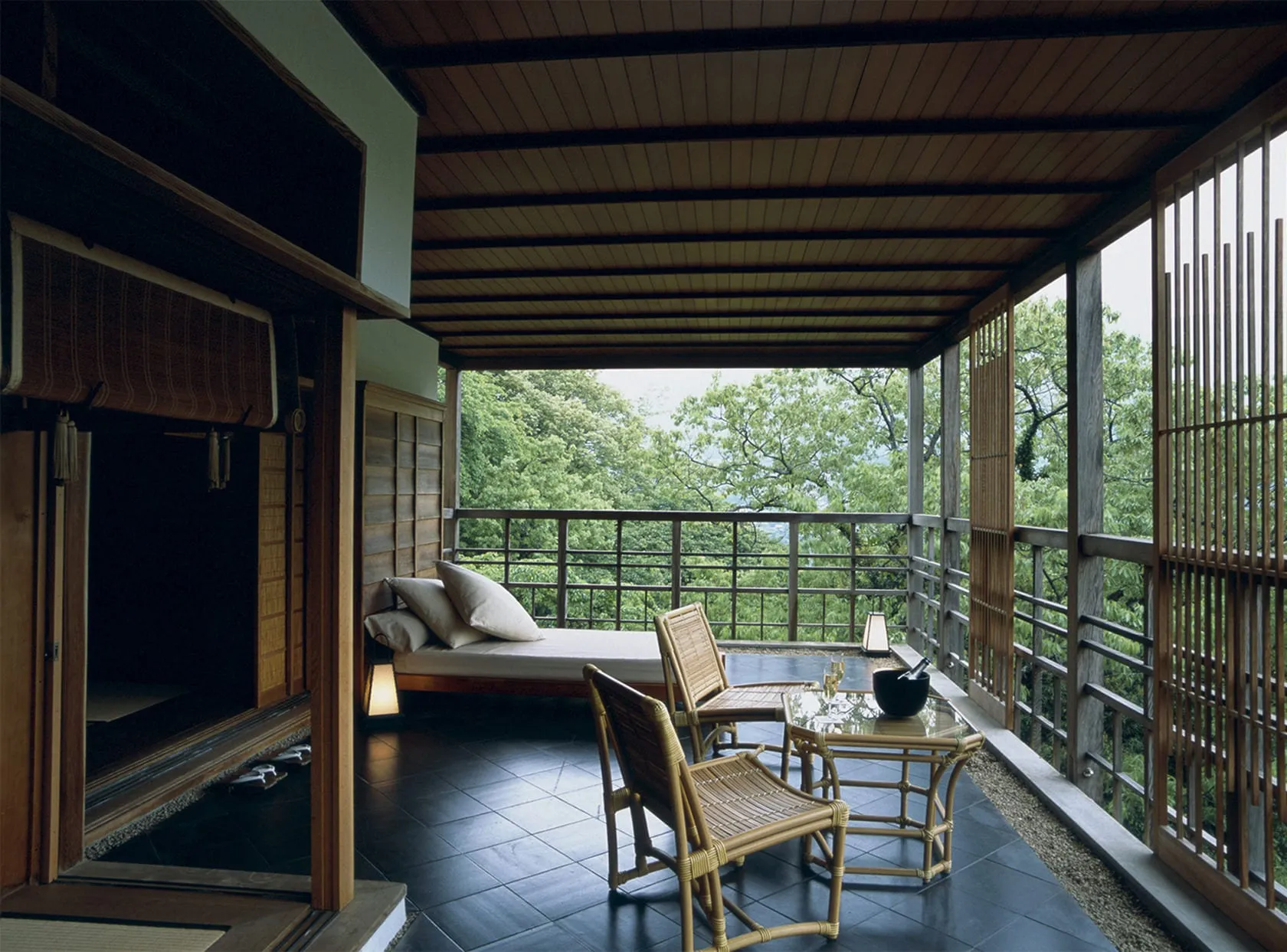
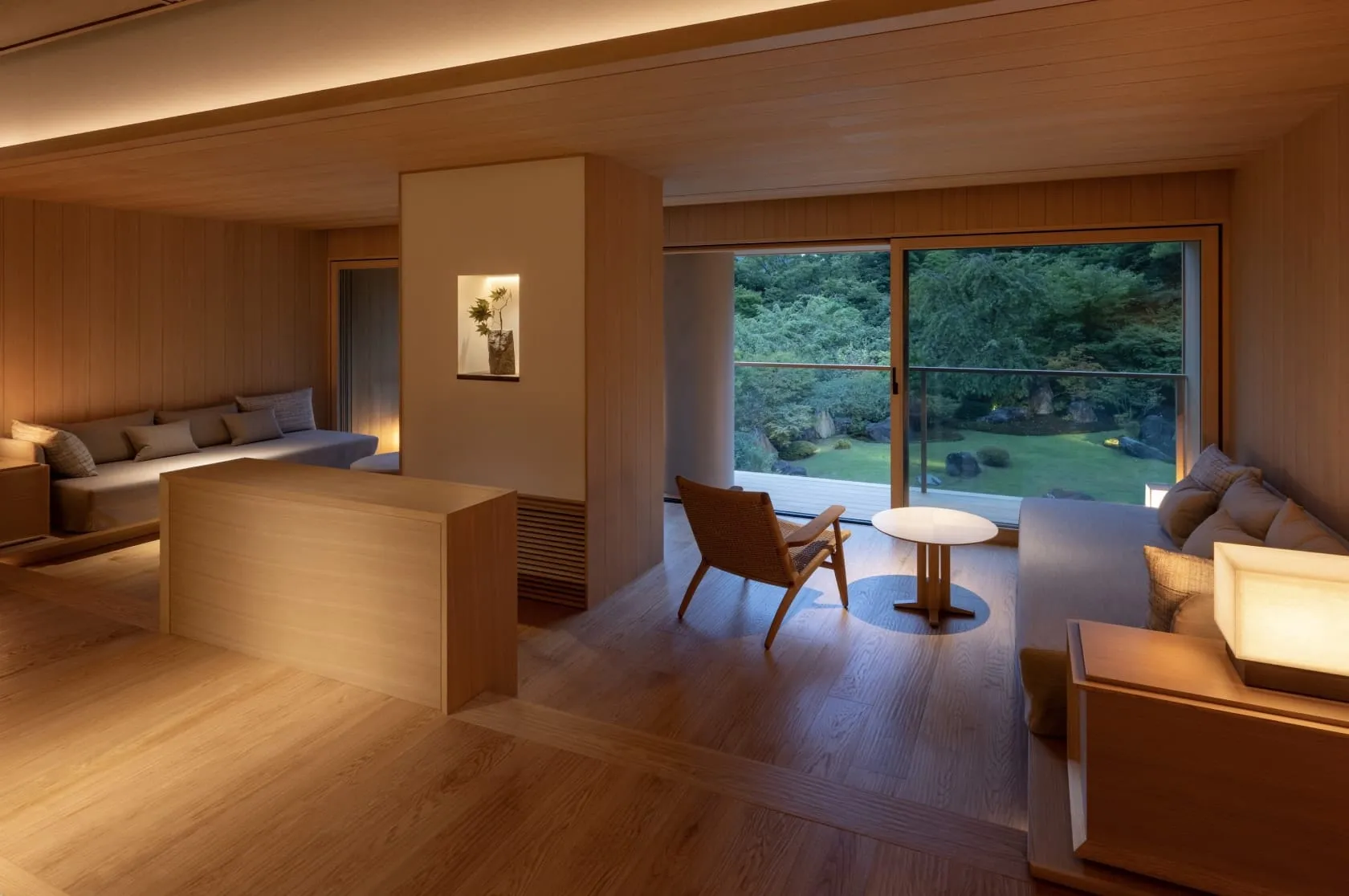
Interiors at Gora Kadan work from the same restrained, materials-first vocabulary as the architecture: tatami flooring, low lacquered tables, futon or low-platform beds, shoji paper screens diffusing light rather than blocking it outright, and a general absence of decorative clutter. Guests are given yukata robes, tabi socks and geta sandals as standard room provisions, part of a deliberate effort to keep the sensory experience of the room, not just its furnishings, consistent with a traditional ryokan stay, though Western-style bedding is available on request for guests who prefer it.
Room categories vary considerably in layout and finish. The three Bettei Suites (Shinonome, Akatsuki and Akebono) and the four Annex, or hanare, rooms (Kakou, Zangetsu, Meigetsu and Senshin) sit at the top of the property, generally with more generous private bathing facilities and greater separation from the main building. The eight Kadan Suite variations differ from one another in bath configuration, some pairing an open-air bath with a jacuzzi or steam sauna, others adding a panoramic wooden tub, so two guests booking the same nominal category can end up with meaningfully different rooms. A further four rooms (Matsu, Tsubaki, Suzukake and a stone-bath variant) form the Room with Open-air Bath tier, and four Standard Room types round out the property for guests prioritising value over an in-room bath.
Public spaces, the lobby, the corridors linking the colonnade, the dining rooms, carry the same unornamented material language, dark wood, tatami, paper and stone, with the historic villa and its garden functioning as the interior’s single most important design element: nearly every corridor and sitting area is oriented to frame a view of it.
Atmosphere
Gora Kadan runs on the rhythm of a traditional ryokan stay rather than a resort holiday: check-in in the mid-afternoon, a bath before dinner, a multi-course kaiseki meal served in the room or a private dining space in the early evening, and a slow, quiet morning before an 11am check-out. There is no bar scene, no late-night programming and very little in the way of organised activity on-site; the property’s energy is deliberately low and inward-facing, built around the bath, the meal and the garden rather than around entertainment.
That register makes it a considerably better fit for couples, honeymooners and travellers seeking genuine quiet than for families wanting activity-driven programming, though children are accepted. The historic villa and garden lend the property a formality that other Hakone ryokans, many built in a more contemporary idiom, do not carry in the same way; guests describe an atmosphere closer to visiting a well-run private house than checking into a hotel, a function of both the small room count and the staff-to-guest ratio it makes possible.
Rooms and Suites
Gora Kadan holds 38 guest rooms across five categories. At the top, three Bettei Suites, Shinonome, Akatsuki and Akebono, offer the most generous private facilities and the greatest separation from the main building’s traffic. Four Annex rooms, Kakou, Zangetsu, Meigetsu and Senshin, form a second premium tier, typically with their own private open-air baths and more secluded positioning within the grounds.
Eight Kadan Suite variations sit in the middle of the range, each configured slightly differently: some rooms pair an open-air bath with a jacuzzi or steam sauna, others include a balcony or a panoramic wooden bath, so it is worth confirming the exact bath configuration when booking rather than assuming uniformity across the category. A further four rooms, Matsu, Tsubaki, Suzukake and one with a large stone bath, make up the Room with Open-air Bath tier, offering private bathing without the additional suite space of the categories above. Four Standard Room types, labelled A through D, complete the property; these do not include a private bath but retain full access to the communal and reservable baths elsewhere on the property.
Across every category, the fundamentals stay consistent: tatami flooring, low furniture, shoji screens, and views arranged toward the historic garden or the surrounding hillside rather than a generic resort outlook. All rooms include an en-suite bathroom regardless of whether they also carry a private onsen bath.
Dining
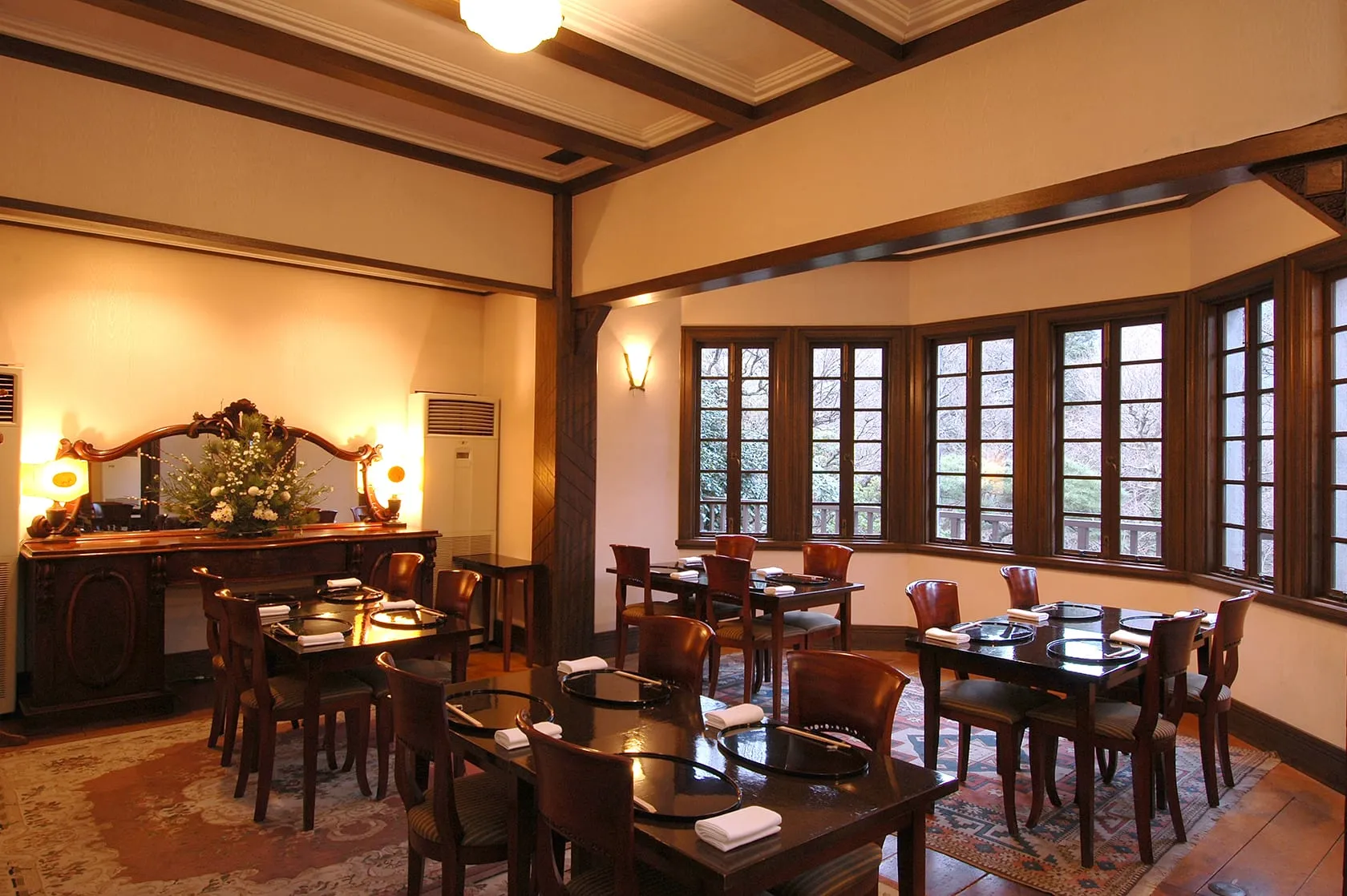
Dining at Gora Kadan centres on Kaiseki Kadan, the property’s principal kitchen, which serves the multi-course kaiseki menus that anchor the traditional one-night, two-meal ryokan format. Meals are still served largely in the guest room or in a private dining space rather than a single communal restaurant hall, a format that keeps close to how the property operated when it first opened as a ryokan in 1948, and the kitchen builds its courses around seasonal, carefully sourced ingredients presented with the balance of taste, texture and visual composition that defines kaiseki as a cuisine. Chef Keiji Takase leads the kitchen, according to Relais & Chateaux’s listing for the property.
In 2023, Gora Kadan opened Sushi Kadan, a dedicated sushi counter on the second floor of the historic building, giving the property a second serious dining identity alongside its kaiseki programme. The restaurant marked its first anniversary with a menu supervised by Masahiro Yoshitake, chef-owner of the three-Michelin-starred Sushi Yoshitake in Tokyo, a collaboration that signalled the level of culinary ambition behind the newer venue. Beyond overnight guests, Gora Kadan also welcomes day visitors for a seasonal vegetarian kaiseki lunch, a rare option among Hakone’s top ryokans, most of which reserve their kitchens for staying guests only.
Spa and Wellness
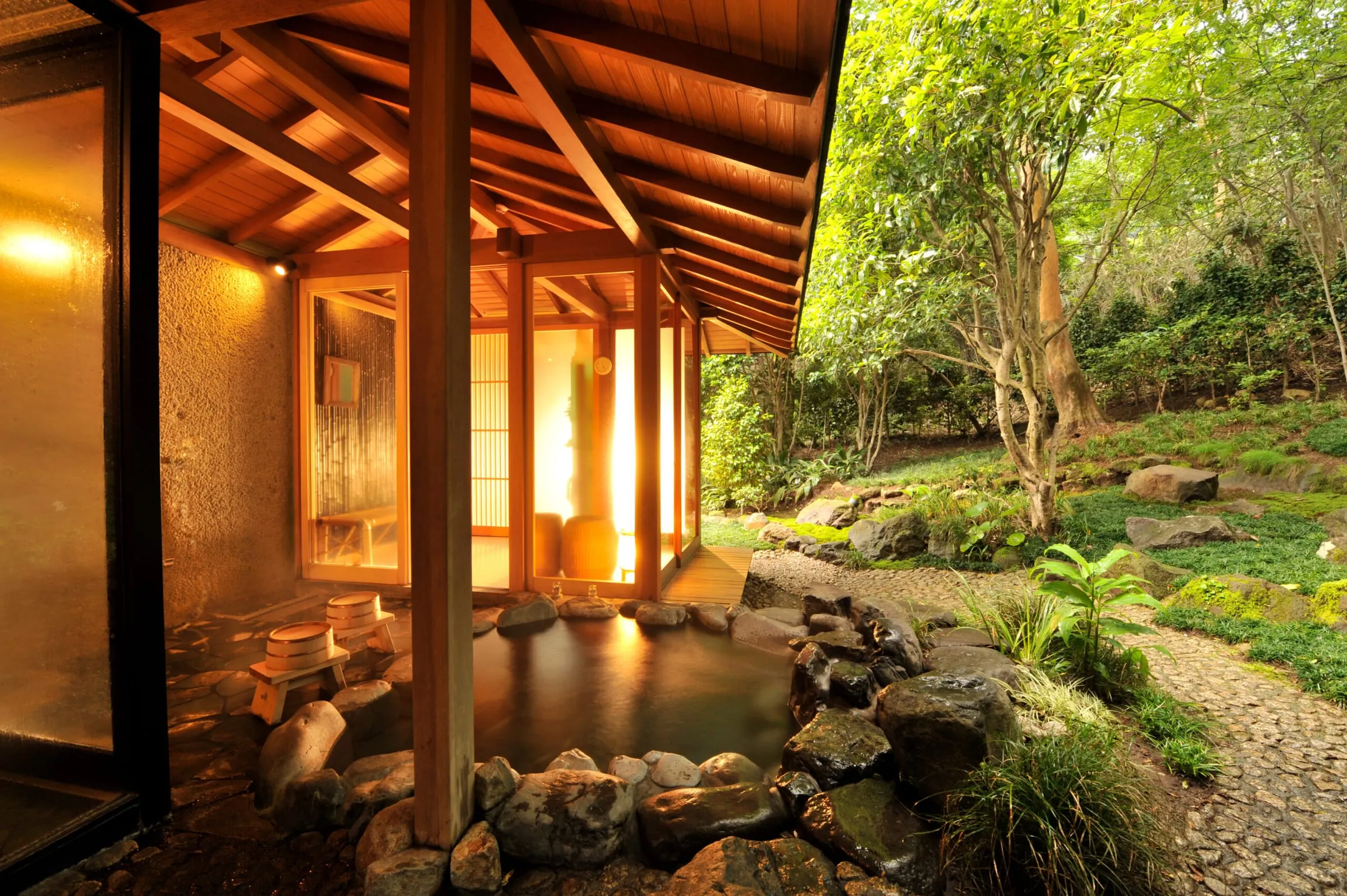
The core of Gora Kadan’s wellness offering is water rather than treatments: the property draws directly from the Gora onsen district’s mineral springs, combining the milky, sulfurous, mildly acidic water of the Owakudani source with the clearer sulfur water of the Sounzan source, two of the roughly forty-six individual sources that supply the wider Gora hot-spring area. That water reaches guests through several channels: private in-room baths in most room categories, gender-separated communal baths that rotate between the men’s and women’s sides overnight so guests staying more than one night can experience both, and a free, reservable private open-air bath with an attached steam sauna, bookable in 40-minute sessions at no extra charge.
Beyond the baths, the Kadan Spa offers massage treatments and in-room shiatsu, alongside a bedrock bath using far-infrared heat, a format common to higher-end Japanese spas, and a small fitness gym. A heated indoor pool and an outdoor spring-fed jacuzzi rock bath sit within a glass-roofed, orangery-style structure overlooking the Japanese garden, open daily from 8am to 6:30pm, giving guests a swimming option that most traditional onsen ryokans in the area do not offer.
Experiences
Because so much of a Gora Kadan stay unfolds within the property itself, its onsen baths, its kaiseki and sushi dining, its historic garden, guests often treat the surrounding hillside as a bonus rather than the centrepiece of the trip. That said, Gora sits within the Fuji-Hakone-Izu National Park, one of the more accessible pockets of protected landscape near Tokyo, and the immediate neighbourhood rewards a short walk or ride: the Hakone Open-Air Museum, a sculpture park set into the hills with works by Henry Moore and Picasso ceramics among its holdings, sits close to Gora Station, and the Hakone Tozan Cable Car, which begins its climb toward Sounzan from Gora, offers sweeping views over the valley on the way up to Owakudani’s volcanic vents.
The hotel can arrange private cars and guided excursions further into the national park, toward Lake Ashi and the Hakone Shrine’s lakeside torii gate, or toward Owakudani itself for the sulfurous volcanic valley that supplies part of the property’s own bathwater. For guests who prefer to stay closer, the ryokan’s own garden, laid out originally for the Imperial family’s private use, is worth a slow walk in its own right, particularly in the early morning before the day’s arrivals and departures begin.
Who It Is For
Gora Kadan suits travellers who want a genuinely traditional ryokan stay delivered at the highest level of execution: couples and honeymooners drawn to the privacy of an in-room onsen bath and an in-room kaiseki dinner, design and architecture enthusiasts interested in how a historic Imperial building can be extended without being overwhelmed, and anyone treating the bath and the meal, rather than an activity list, as the reason for the trip. Its small scale and historic formality also appeal strongly to guests who have stayed at more contemporary Hakone ryokans and want something closer to the format’s original register.
It is a weaker fit for families wanting resort-style activity programming, or for travellers uncomfortable with the structure of a traditional ryokan stay, fixed dinner and breakfast times, tatami-and-futon rooms as the default rather than an option, floor seating for meals, since Gora Kadan runs closer to that traditional model than many of its more internationally adapted competitors.
Best Time to Visit
Hakone’s two headline seasons both suit Gora Kadan well. Early April brings cherry blossoms to the region, and November brings autumn foliage across the surrounding hills, the two windows that command the property’s highest rates and require the most advance booking. Because the core appeal, the onsen baths, the kaiseki dining, the historic garden, does not depend on outdoor activity in the way a beach or hiking-focused property would, Gora Kadan also functions well in winter, when the hot baths feel especially rewarding against cold mountain air, and in the quieter shoulder months of late spring and early autumn, when rates ease and the garden is at its most tranquil.
How to Get There
Gora Kadan sits at the top of the Hakone Tozan Railway line, a three to five-minute walk from Gora Station, the terminus for the mountain railway and the starting point for the Hakone Tozan Cable Car toward Sounzan. From central Tokyo, the most direct route is by train: an Odakyu Romancecar limited-express service, or a Tokaido Shinkansen service to Odawara, followed by a transfer to the Hakone Tozan Line for the climb up to Gora. The full journey runs roughly 90 minutes to two hours depending on the specific connection and whether a transfer is required at Hakone-Yumoto. Guests can call ahead once they reach Gora Station for a complimentary pickup.
By car, the drive from central Tokyo takes the Tomei Expressway toward the Atsugi interchange, then the Odawara-Atsugi road toward Odawara before joining local roads up into Gora, a trip of roughly similar duration to the train once traffic is accounted for. A taxi from Odawara Station runs from about 6,000 yen; from Hakone-Yumoto Station, from about 4,360 yen. The closest major airport is Haneda (HND), with Narita (NRT) adding meaningfully to the transfer time; neither airport has a direct rail link to Gora, so the journey from either runs through central Tokyo or Odawara regardless of arrival point.
Nearby Experiences
The Hakone Open-Air Museum, a sculpture park combining large-scale outdoor works with an indoor Picasso collection, sits a short walk from Gora Station and makes an easy half-day addition to a stay. From Gora, the Hakone Tozan Cable Car climbs to Sounzan, connecting onward to the Hakone Ropeway, which crosses above the volcanic Owakudani valley, source of part of the mineral water that feeds the ryokan’s own baths, before descending toward Lake Ashi and the Hakone Shrine, known for its red torii gate rising from the lake shallows.
Further afield, the wider Hakone area holds a dense concentration of art museums and onsen towns worth a day trip, including the Pola Museum of Art and the Okada Museum of Art, both reachable by local bus or taxi from Gora, and on clear days Lake Ashi offers some of the more accessible views of Mount Fuji within an hour of the property.
Things to Know Before Booking
Room categories at Gora Kadan vary meaningfully in their bath configuration, particularly within the eight-room Kadan Suite tier, so guests who want a specific feature, an open-air bath, a jacuzzi, a panoramic wooden tub, should confirm the exact room type rather than booking by category name alone. Rates are quoted per person for two guests sharing, following the traditional ichiju-nishoku (one night, two meals) format, rather than as a flat per-room price, which can read as unusually high to travellers used to Western hotel pricing until the dinner, breakfast and bath access included in the rate are accounted for.
The property runs on a traditional ryokan schedule, with a fixed dinner service in the early evening and an 11am check-out, and the general atmosphere leans formal and quiet rather than casual. Cherry blossom season in early April and the autumn foliage window in November both require booking well ahead, sometimes many months in advance, given the property’s small, 38-room scale.
Sustainability
Gora Kadan draws its hot water directly from the Gora onsen district’s natural mineral springs, the Owakudani and Sounzan sources among them, a resource shared with the wider hot-spring town rather than a private well, which ties the property’s central amenity to the broader stewardship of the local onsen supply. The 1989 renovation also made a point of preserving rather than replacing the historic 1930 Kan’in-no-miya villa, now protected as a Tangible Cultural Property, an approach to adaptive reuse that kept a significant historic structure and its surrounding garden intact rather than clearing the site for new construction.
Beyond these structural facts, the property has not published a detailed public sustainability report covering energy use, water management or waste handling, so guests for whom formal certifications are a priority should confirm current practices directly with the ryokan ahead of booking.
Practical Information
Gora Kadan is located at 1300 Gora, Hakone-machi, Ashigarashimo-gun, Kanagawa 250-0408, Japan, a three to five-minute walk from Gora Station on the Hakone Tozan Railway. Check-in begins at 3pm and check-out is at 11am. The property holds 38 guest rooms across five categories and was awarded Three Michelin Keys in the inaugural 2024 Michelin Key list for Japan, a rating it retained in 2025. It has been a member of Relais & Chateaux since 1991, the first Japanese property admitted to the collection.
Rates start from around 100,000 yen per person per night for a Standard Room, based on two guests sharing and including a kaiseki dinner and Japanese breakfast, with suite and Annex categories, and peak periods around cherry blossom season and autumn foliage, running considerably higher. The ryokan is owned and operated by Gora Kadan Co., Ltd., an independent Japanese hospitality company unaffiliated with Hoshino Resorts, and also operates Gora Kadan Fuji, a newer sister property in Shizuoka Prefecture that opened in July 2025. Most stays at the Hakone property run two to three nights.
Editorial Conclusion
Gora Kadan’s case rests on a fact most hotels cannot claim and a discipline many do not bother with: a documented Imperial villa, converted into a ryokan by the very family that built it, then rebuilt in 1989 with enough architectural restraint that the historic building still reads as the property’s centre of gravity rather than a preserved curiosity beside a larger hotel. Everything that follows from that, the water drawn from named local springs, the kaiseki served in the room rather than a dining hall, the small, 38-room scale that keeps the whole operation feeling closer to a private house than a hotel, reinforces the same idea: a stay here is built around the bath and the meal, not around a programme of activities. For travellers who want that specific, unhurried version of a Hakone ryokan, delivered with the polish that earned it Three Michelin Keys, Gora Kadan remains one of the clearest examples of the form.
In pictures
On the map
Gora, Hakone, Japan
Questions
Frequently asked
Does every room at Gora Kadan have a private onsen bath?
Most do, but not all. The Bettei Suites, Annex rooms, Kadan Suites and the Room with Open-air Bath category all include a private bath drawn from the Gora spring, some open-air, some with an accompanying jacuzzi or steam sauna. The entry-level Standard Room category does not have an in-room bath, though every guest has access to the gender-separated communal baths and a free, reservable private open-air bath with steam sauna.
Is Gora Kadan operated by Hoshino Resorts?
No. Gora Kadan is an independently owned ryokan run by Gora Kadan Co., Ltd. and is a member of Relais & Chateaux, not part of the Hoshino Resorts group. It is sometimes confused with Hoshino Resorts' own Hakone property, Kai Hakone, or with Hoshinoya, because both operate in the same Hakone hot-spring area, but the two companies are unrelated.
How do you get to Gora Kadan from Tokyo?
The most direct route is by train: an Odakyu Romancecar or a Tokaido Shinkansen service to Odawara, then a transfer to the Hakone Tozan Railway toward Gora Station, the last stop on the line and roughly a three to five-minute walk from the ryokan. The full journey runs about 90 minutes to two hours depending on connections. Guests can also call ahead from Gora Station for a complimentary pickup, or arrange a private car from Tokyo, Haneda or Narita.
What is included in the room rate?
Rates follow the traditional ryokan convention of ichiju-nishoku, one night with two meals, and are quoted per person for two guests sharing a room. A stay includes a multi-course kaiseki dinner, generally served in the room or a private dining room, and a Japanese breakfast the next morning, plus access to the communal onsen baths, the reservable private bath and the indoor pool.
What is the difference between Gora Kadan and Gora Kadan Fuji?
Gora Kadan in Hakone is the original property, open since 1948 on the site of a former Imperial family villa. Gora Kadan Fuji, which opened in Shizuoka Prefecture in July 2025, is a newer sister property built around views of Mount Fuji rather than an inherited historic building. Both are operated by the same company and share the Gora Kadan name and design language, but they are distinct hotels in different locations.
Same destination
More hotel guides in Japan
Otemachi, Chiyoda, Japan
Aman Tokyo
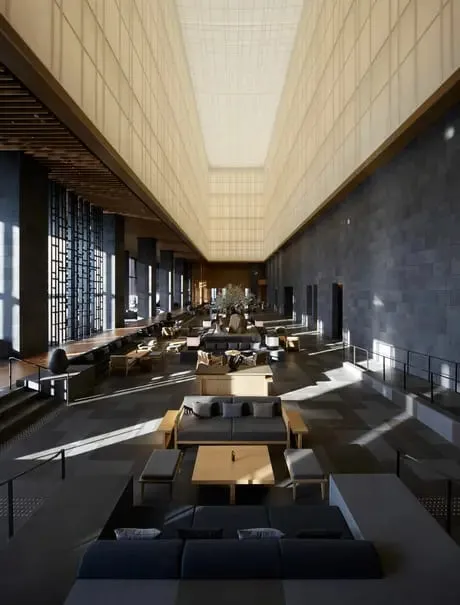
Six floors of dark basalt and washi paper, stacked atop a financial-district tower, where a giant paper lantern lobby turns the Otemachi skyline into a Japanese garden.
From ¥250,000 per night
Naoshima, Seto Inland Sea, Japan
Benesse House
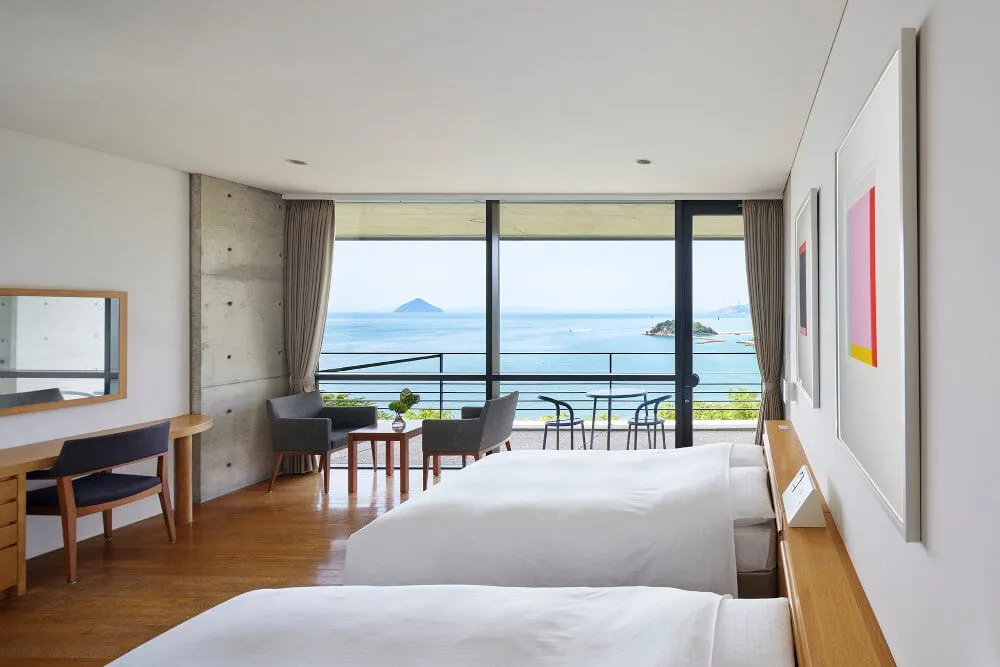
A Tadao Ando concrete museum with guest rooms built into its galleries, the founding building of the Seto Inland Sea's art-island movement.
From ¥40,000 per night
Otemachi, Chiyoda, Japan
Four Seasons Hotel Tokyo at Otemachi
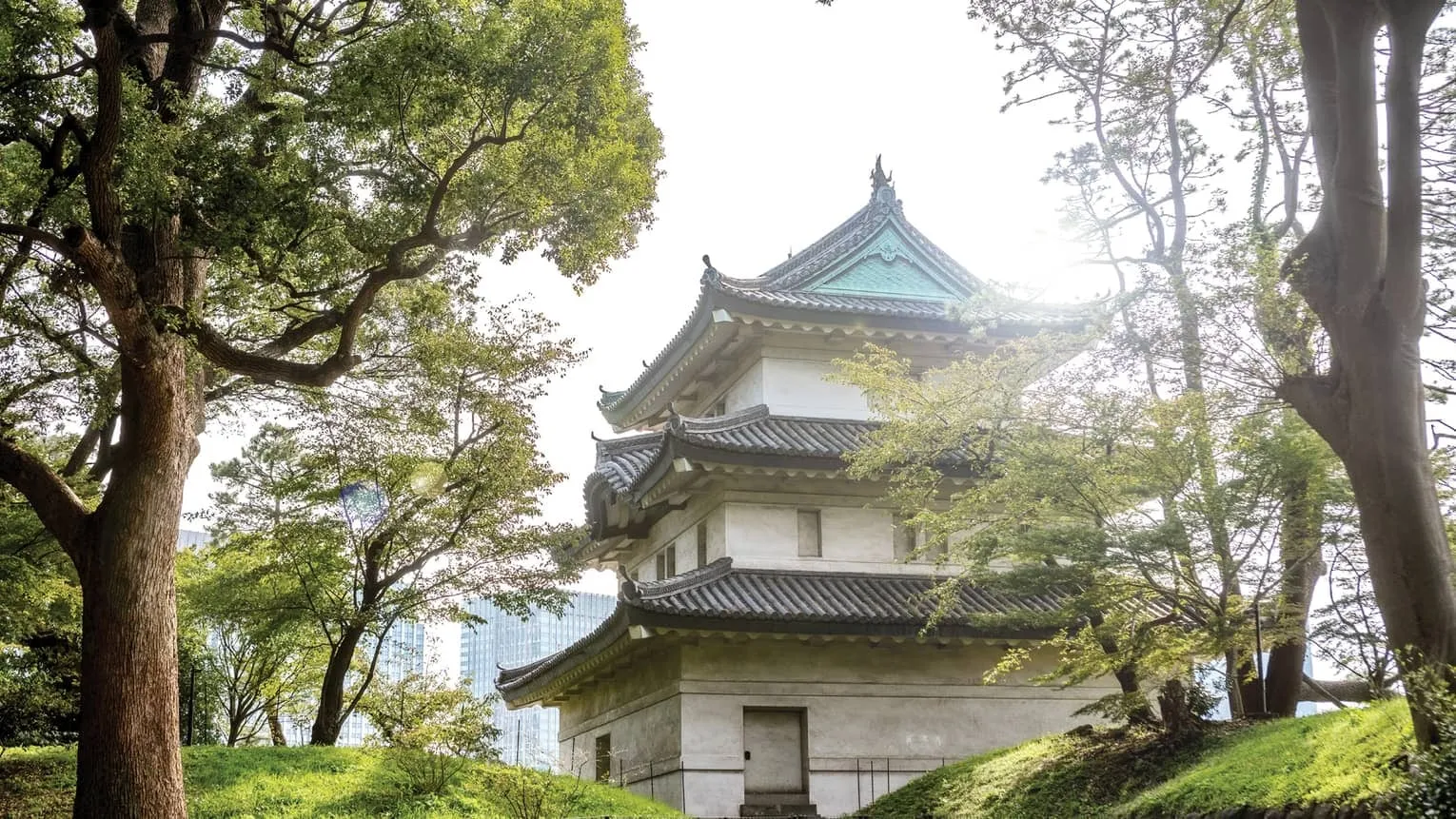
A 190-room aerie stacked into the top six floors of a Tokyo financial-district tower, with the Imperial Palace moat on one side and a Michelin star in the kitchen.
From ¥145,000 per night