Martillac, near Bordeaux, France
Les Sources de Caudalie
A hamlet of six houses built inside a working Bordeaux Grand Cru estate, where the Cathiard family invented wine-based spa treatment in the 1990s and still farms the vines outside the window.
- Rates from
- From €590 per night
- Nearest airport
- Bordeaux-Mérignac Airport (BOD)
- Transfer
- 20-25 minutes by road
- Best months
- April through October, with the calmest weather in late spring and early autumn, and September into October adding the interest of the grape harvest across the surrounding vineyard
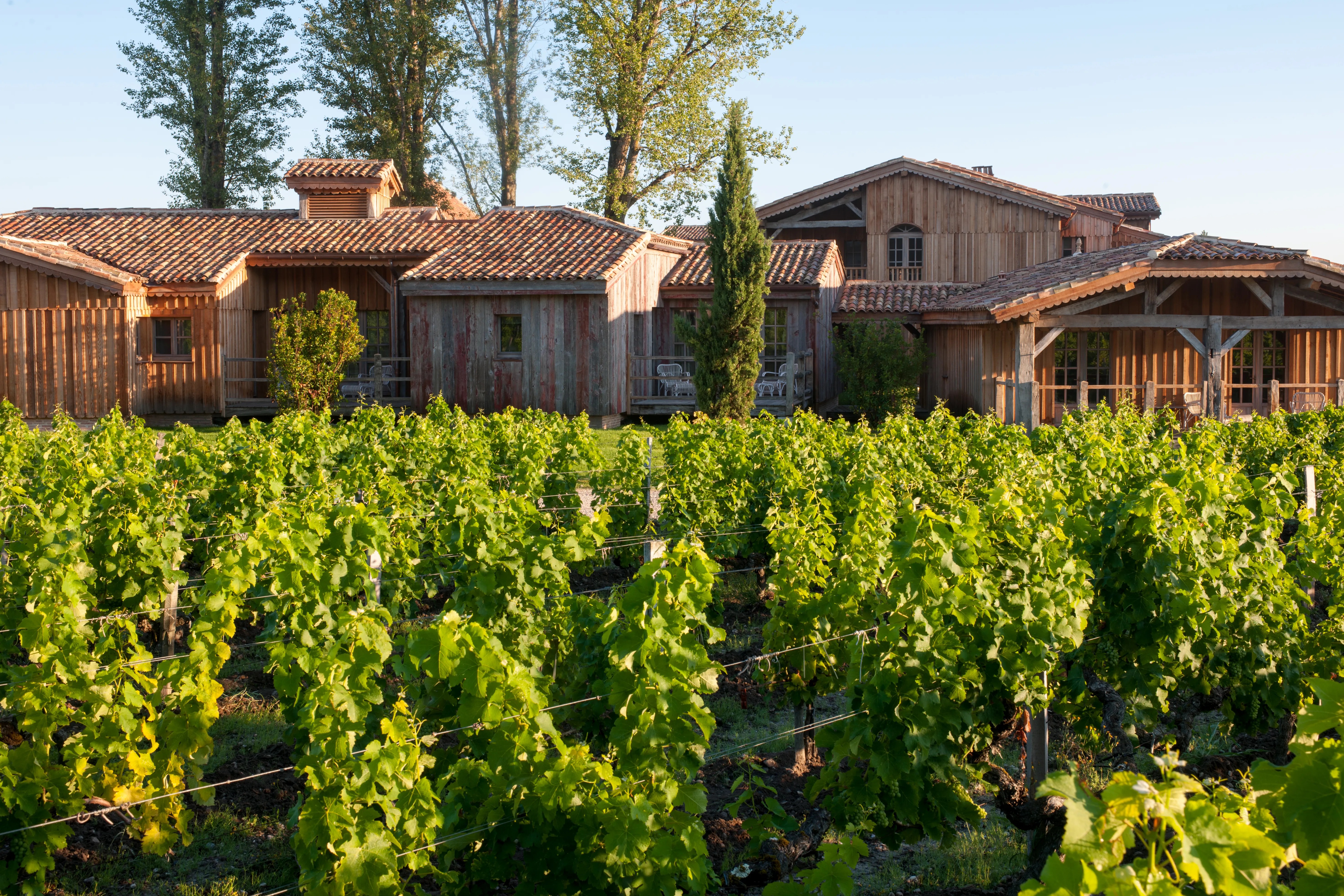
There is a particular quiet that settles over the Graves vineyards south of Bordeaux in the early evening, when the light turns the Cabernet and Merlot rows a deep bronze and the day’s last vineyard workers head home. Les Sources de Caudalie sits directly inside that quiet, its six low, timber-and-stone houses scattered among the vines of Château Smith Haut Lafitte rather than positioned merely to overlook them. This is not a resort that borrowed a vineyard for its view. It is a working wine estate that happens to also run one of the more genuinely original ideas in modern spa hospitality.
That idea is vinotherapy, the use of grape and vine byproducts, chiefly the antioxidant-rich polyphenols found in grape seeds, in spa and skincare treatments. It was developed on this exact property in the mid-1990s, and the Vinothérapie Spa that opened here in 1999 alongside the hotel is widely regarded as the first of its kind anywhere. More than a quarter-century on, with a two-Michelin-starred restaurant, France’s official Palace distinction, and a family of sister spas around the world all tracing their lineage back to this one estate, Les Sources de Caudalie remains the reference point for the concept rather than one interpretation among many.
Why It Stands Out
Most vineyard hotels use wine as a theme, a tasting-menu pairing, a cellar tour bolted onto an otherwise conventional country hotel. Les Sources de Caudalie is the place vinotherapy actually came from, and that origin still shapes the property today. In the mid-1990s, Bordeaux pharmacognosy professor Joseph Vercauteren told Daniel and Florence Cathiard, who had bought the neglected Smith Haut Lafitte estate in 1990, that the grape seeds discarded after each harvest were unusually powerful antioxidants. That research led their daughter Mathilde Thomas to found the skincare brand Caudalie in 1995, and to the opening of this spa, the first built around the same active ingredients, in 1999.
The second distinction is that the vineyard is not managed for the hotel’s benefit; the hotel exists within the vineyard’s. Château Smith Haut Lafitte is a serious, internationally regarded Grand Cru Classé de Graves estate in its own right, farmed organically and along biodynamic lines, and the hotel’s relationship to it is closer to a working farm stay than a resort built near a pretty view. Add a two-Michelin-starred restaurant under chef Nicolas Masse, an architectural approach built substantially from reclaimed materials, and France’s official Palace distinction, awarded in 2016, the only hotel in Bordeaux to hold it, and the combination is difficult to replicate elsewhere, because it depends on ownership of the land rather than proximity to it.
Architecture
The hotel was designed by architect Yves Collet as a hamlet of six separate houses rather than a single hotel block, each drawing on a different reference point from traditional Aquitaine building, from regional stone farmhouses to timber-framed wine stores, with Collet also citing the fishermen’s cottages of the nearby Cap Ferret peninsula as an influence. Scattered among the vine rows and around a small lake, the buildings were conceived to look as though they had always belonged to the estate, an effect achieved largely by building from reclaimed and recycled material rather than anything new.
Structural timber came from eighteenth-century wood salvaged from wine cellars, including, at La Table du Lavoir, beams recovered from the cellars of Château Lafite Rothschild; stone, render and roofing were chosen to weather in step with the estate’s older eighteenth-century château. The approach avoids the two usual failure modes of vineyard hotel architecture, an oversized resort dropped into farmland, or an over-precious pastiche of a village that never existed. Because the buildings are modest in footprint and genuinely built from old material, the vines, the château and the cellars remain the dominant presence on the property rather than a backdrop to it.
Interior Design
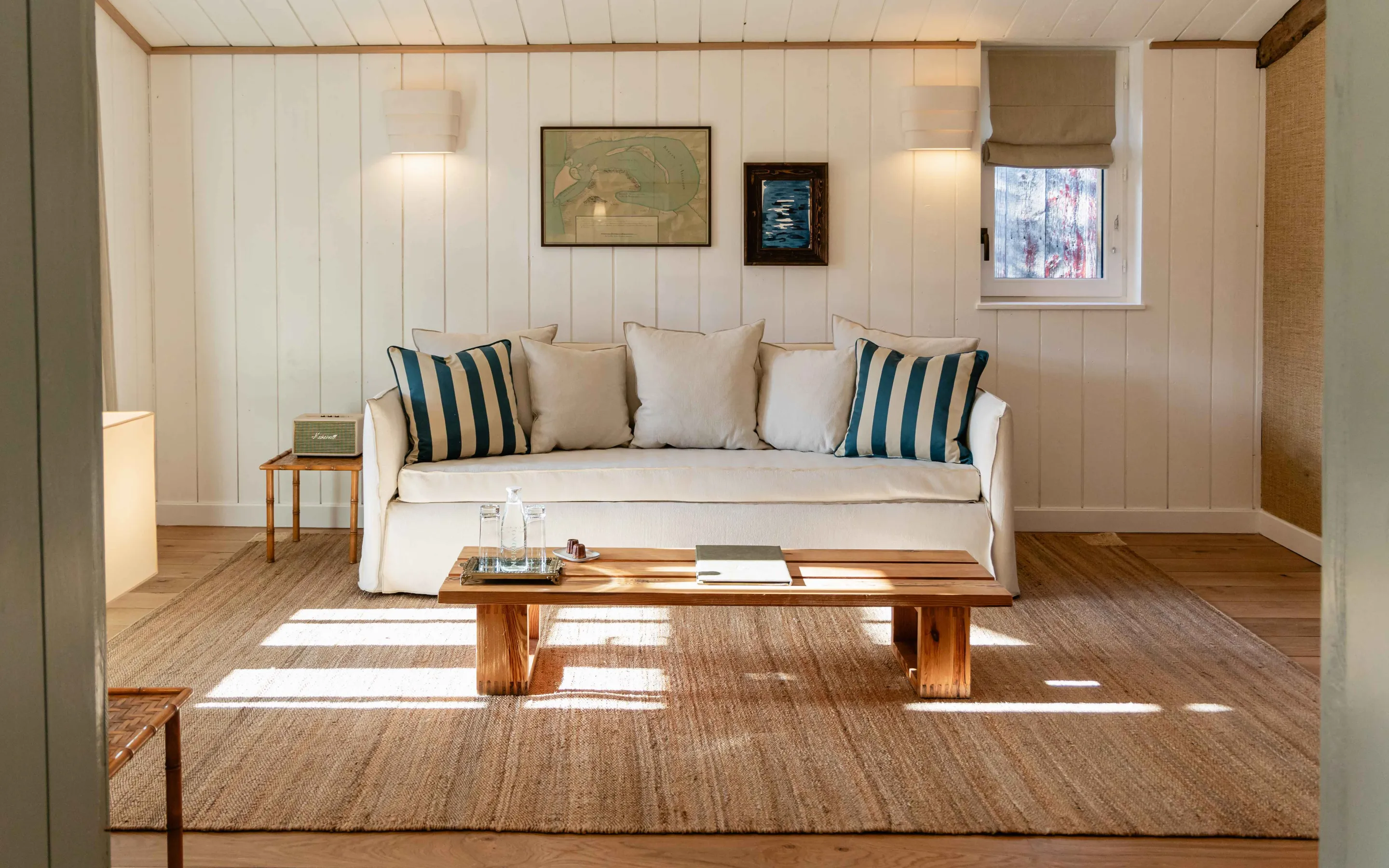
Inside, the six houses lean into an eclectic, distinctly French country register rather than a uniform designer look: antique furniture gathered across the region, traditional French fabrics, exposed reclaimed timber beams, and unexpected pieces of art hung against otherwise historic-feeling rooms. Reclaimed stone and old timber recur throughout, softened by plaster finishes and by windows framed to a specific outlook, vines in one room, the estate’s small lake in another, open countryside in a third.
It reads as collected rather than specified, in keeping with a family property built up over successive seasons rather than delivered complete by a design studio in a single pass. That informality extends into the public rooms and the spa building, where the same materials, reclaimed wood, natural stone, muted plaster, shift into a calmer, more contemporary register suited to treatment rooms and pools.
Atmosphere
The prevailing mood is closer to a well-run family estate than a formal luxury hotel, unhurried and rural rather than ceremonial. Guests move on foot between the six houses, the spa, the restaurants and the lake, and much of the day’s rhythm is set by the vineyard itself, morning light over the rows, the particular quiet of a working farm outside harvest, the surrounding forest and gardens. Service is attentive without being stiff, in keeping with a property that has always positioned itself as a countryside retreat first and a formal Palace-tier hotel second, despite holding the credentials of one.
That said, the presence of a two-Michelin-starred kitchen and one of the world’s best-known spa concepts under the same roof means the property comfortably supports a more polished, occasion-driven stay as well, an anniversary, a long weekend built entirely around the tasting menu and the spa calendar. The atmosphere moves between the two registers, a barefoot country walk by day, considerable formality at dinner by night, more easily than most properties manage.
Rooms and Suites
Les Sources de Caudalie has 62 rooms and suites spread across its six hamlet-style houses, La Bastide des Grands Crus, Le Comptoir des Indes, La Maison du Lièvre, La Grange au Bateau, Le Village des Pêcheurs and L’Île aux Oiseaux, arranged in a hierarchy that runs from Comfort and Prestige Rooms through Junior, Prestige and Signature Suites, with Au Coeur des Sources, a larger private apartment for up to six guests overlooking the lake and vineyard, at the top of the range.
Because each house was designed around a different architectural reference, no two rooms look quite alike; a room in one house may have exposed beams and a vineyard outlook, while its equivalent elsewhere looks over the lake or surrounding forest. The consistent thread is the material palette established by the architecture, reclaimed timber, antique furniture, natural fabrics, and stone-finished bathrooms. Guests seeking a specific vineyard, lake or garden outlook should confirm the exact room and house at reservation, since categories describe size and finish more precisely than a guaranteed view.
Dining
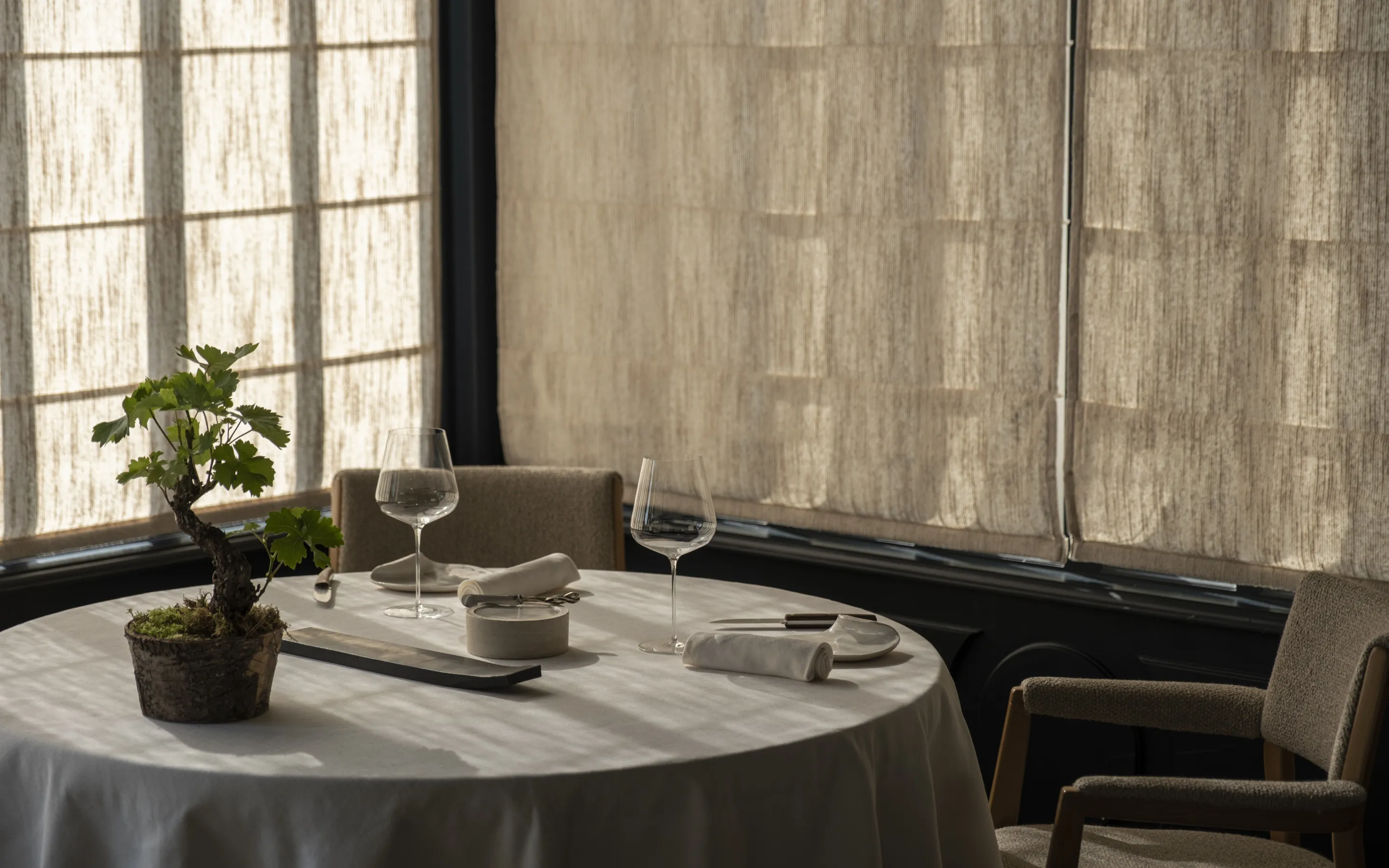
Dining is the property’s other headline credential. La Grand’Vigne, the estate’s fine-dining restaurant, holds two stars in the Michelin Guide France under chef Nicolas Masse, who has led the kitchen since 2009 and built his reputation on showcasing the produce of Aquitaine, its game, its seafood, its vegetables, alongside the estate’s own wine. The dining room sits beneath a glass canopy modelled on an eighteenth-century orangery, looking directly over the vines, so the view and the cooking make broadly the same argument at the same time.
Below La Grand’Vigne sits a more relaxed tier built for everyday eating. La Table du Lavoir, under chef Pierre Frindel, operates as a country bistro inside a reconstructed eighteenth-century washhouse, its original stone laundry basin left in place, serving a seasonal menu of simple, well-made dishes better suited to a casual lunch than a full tasting menu evening. Rouge functions as both a wine bar and gourmet grocery, pouring Smith Haut Lafitte and other regional bottles by the glass, and French Paradox rounds out the offer as a cocktail and digestif bar with a serious list of Armagnacs and Cognacs. Across all four venues, the estate’s own wine production is a constant presence on the list rather than an occasional feature.
Spa and Wellness
The Vinothérapie Spa is the reason Les Sources de Caudalie exists in its current form, and it remains the property’s defining feature rather than an amenity added to a country hotel. The concept dates to the mid-1990s, when Professor Joseph Vercauteren told Daniel and Florence Cathiard that the grape-seed polyphenols routinely discarded after each Smith Haut Lafitte harvest tested as significantly stronger antioxidants than vitamin E. That research became the basis first for Caudalie, the skincare line their daughter Mathilde Thomas launched in 1995, and then for a spa built to apply the same active ingredients directly, opening alongside the hotel in 1999 as the first Vinothérapie spa anywhere.
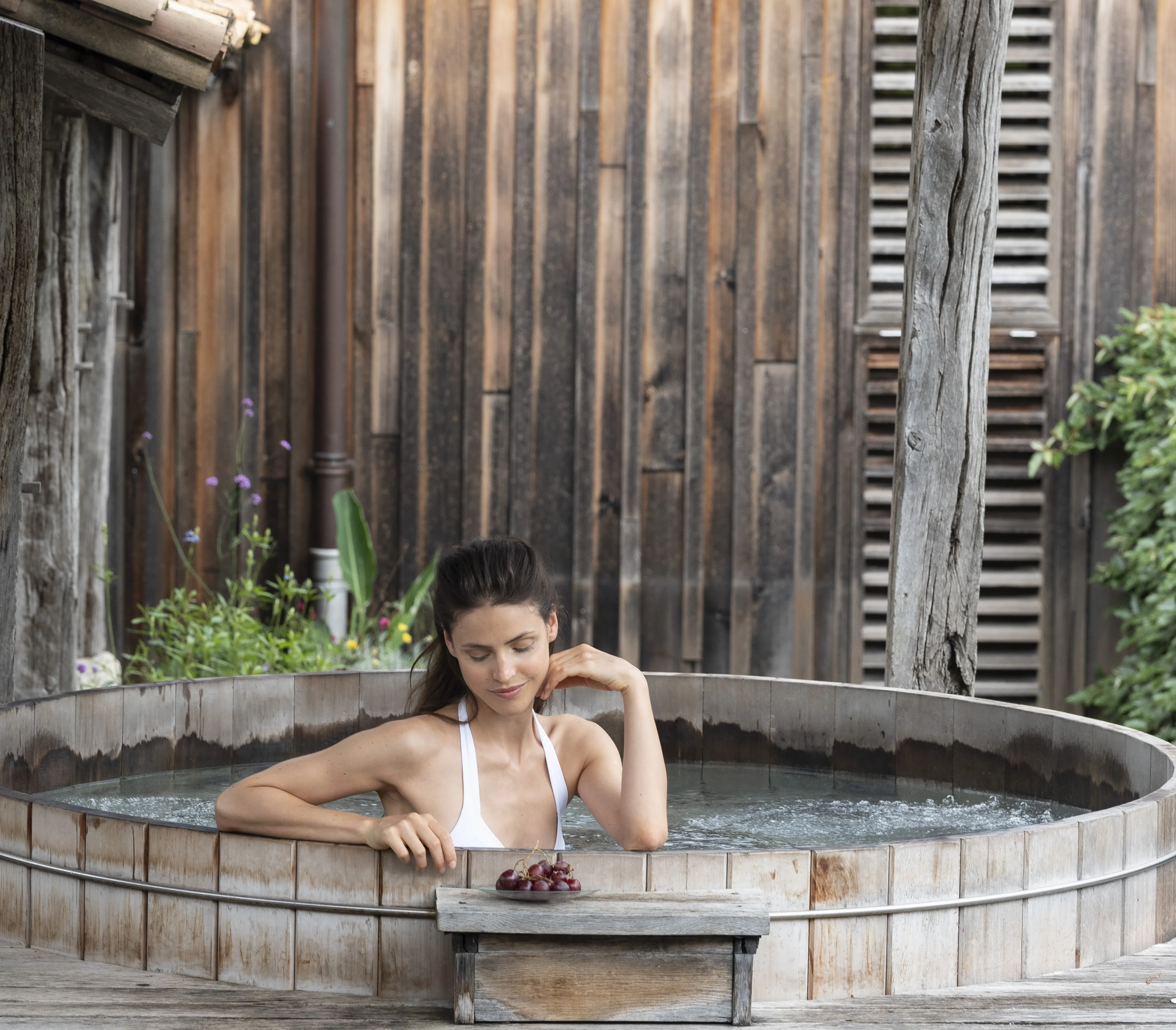
The spa building draws water from a private natural hot spring more than 500 metres below the estate, combined with vine and grape extracts across a menu of face and body treatments. The best-known ritual remains the wine barrel bath: guests soak in an oversized oak barrel filled with warm spring water, into which an attendant pours a measure of marc, the estate’s own grape brandy, alongside longer signature rituals built around crushed grape-seed scrubs and massage oils. Facilities beyond the treatment rooms include heated indoor and outdoor pools set in landscaped gardens, a hammam, an infrared sauna and an outdoor jacuzzi, most with a direct outlook onto the vines. Hotel guests have priority use of the pools and thermal facilities; outside guests can generally book with a treatment reservation, and the most elaborate rituals are worth securing well ahead of arrival.
Experiences
Because the hotel sits inside a working, historically important wine estate rather than simply near one, the most distinctive experiences on offer are drawn directly from Château Smith Haut Lafitte itself. Guided tours of the vineyard and cellars, tastings of current and older vintages, and electric-bike routes through the vine rows are all arrangeable through the hotel concierge, and give guests a level of access to an active Grand Cru estate that a hotel merely adjacent to wine country could not offer. The estate’s harvest, typically in September, brings a visibly different, more active rhythm to a stay booked around it.
Beyond the vines, the grounds include tennis courts, walking routes through the surrounding forest and gardens, and yoga sessions, with cooking demonstrations and wine-pairing sessions tied to the restaurants periodically on offer. The concierge can also arrange excursions further afield into Bordeaux and the wider Pessac-Léognan and Graves wine country for guests wanting to extend the theme beyond the estate’s own boundary.
Who It Is For
Les Sources de Caudalie suits couples and wine-focused travellers looking for a countryside stay with genuine substance behind its theme, rather than a resort dressed in vineyard imagery. It rewards guests willing to build a stay around the estate’s own rhythm, a treatment at the spa, a walk through the vines, dinner at La Grand’Vigne, rather than those wanting a full activity roster or a city-hotel pace. Its combination of a two-Michelin-starred restaurant and the original Vinothérapie Spa also makes it a natural choice for a milestone stay, where the setting needs to carry real weight rather than serve as scenery.
It is a less natural fit for families travelling with young children, given the property’s emphasis on quiet and formality, and for travellers wanting a full-service resort with a broad activity programme independent of wine and spa; both exist here in real depth, but comparatively little else does.
Best Time to Visit
Bordeaux runs a temperate, four-season climate, and the hotel’s vineyard setting makes the calendar matter more than it might at a purely urban address. April through October brings the warmest, driest weather, with the outdoor pool and gardens at their fullest, while the indoor pool, hammam and sauna operate year-round for guests visiting outside those months. September and October add a further layer of interest, since this is harvest season across the surrounding vineyard, when Château Smith Haut Lafitte is at its most active, though it is also the property’s busiest and most in-demand period.
How to Get There
The hotel is reached via Bordeaux-Mérignac Airport (BOD), roughly 20 to 25 minutes away by road from Martillac, with the same short drive connecting equally well to central Bordeaux. Most guests arrange a private transfer or taxi directly through the hotel rather than relying on public transport, since no train or river route serves the estate directly. Guests arriving by train can reach Bordeaux Saint-Jean, itself well connected to Paris by high-speed TGV in around two hours, and complete the final leg by car; the smaller Cadaujac TER station sits closer still to the estate.
Nearby Experiences
The estate’s own vineyard is the first and most obvious excursion: guided tastings and cellar tours at Château Smith Haut Lafitte are arranged directly through the hotel, covering both its red Graves and its increasingly well-regarded white wines. Beyond the home estate, the wider Pessac-Léognan and Graves appellations offer a dense cluster of other notable châteaux within a short drive, making a self-guided or private-driver wine tour a realistic addition to a stay.
Central Bordeaux, with its UNESCO-listed eighteenth-century riverfront and the Cité du Vin wine museum, is close enough for an easy half-day trip, while Saint-Émilion, the medieval, UNESCO-listed wine town roughly an hour further east, and the Arcachon Bay coastline, home to the Dune du Pilat, Europe’s tallest sand dune, both reward a longer excursion for guests wanting to see more of the wider region during the same stay.
Things to Know Before Booking
Check-in is fixed at 3:30pm and check-out at noon, with no early check-in or late check-out offered regardless of rate or room category, so guests with early flights or late arrivals should plan accordingly. Breakfast and a local tourist tax are typically charged separately from the quoted room rate. This is a countryside, vineyard-first property, and guests expecting a resort with a packed activity board or a beach-style pool scene should recalibrate expectations toward a quieter, spa-and-restaurant-led stay. The two-Michelin-starred La Grand’Vigne books up well ahead of peak season, and the spa’s most elaborate rituals, including the barrel bath, are worth reserving before arrival rather than left to be arranged on site.
Sustainability
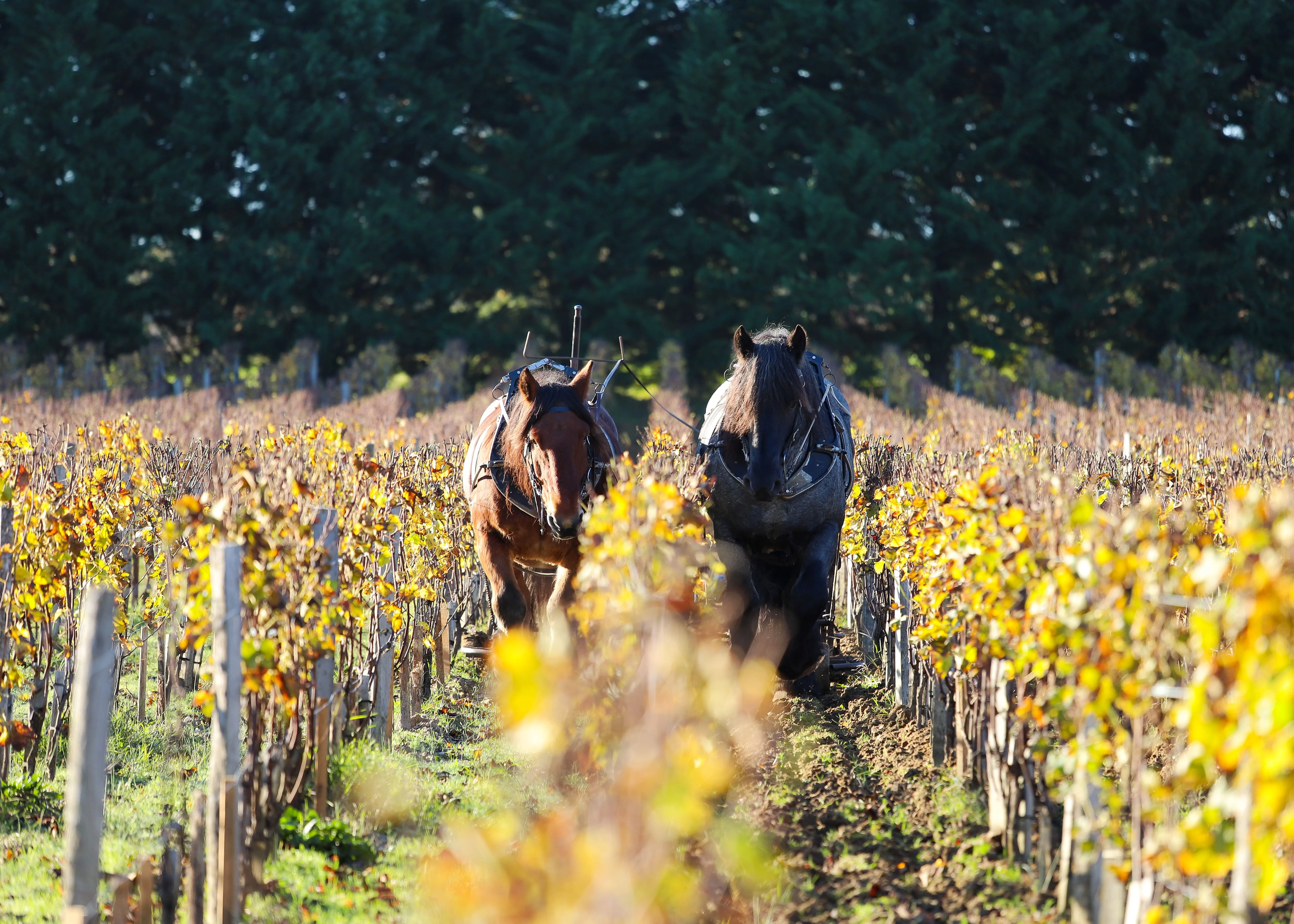
Sustainability here is inseparable from the vineyard the hotel sits inside, rather than a separate hotel-level initiative layered on top. Château Smith Haut Lafitte completed its conversion to certified organic viticulture in 2019 after a three-year transition, and has farmed along biodynamic lines for close to a decade on top of that, under what the estate calls its Bio-Precision approach, which includes horses used in place of tractors across parts of the vineyard, mixed hedgerows to support natural pest predators, and beehives and orchards planted to encourage biodiversity.
On the hotel side, Les Sources de Caudalie has been recognised as the first eco-labelled property within France’s official Palace category, a distinction the operator ties to environmental practices across energy, water and waste management on the estate. The Caudalie brand that grew out of the estate’s own research has also been a member of 1% for the Planet since 2012, directing a share of revenue toward environmental projects, a structural commitment that runs in parallel with the hotel’s own positioning rather than separate from it.
Practical Information
Rates at Les Sources de Caudalie start from around EUR 590 per night, rising through the room and suite categories to the Au Coeur des Sources apartment, with pricing that moves seasonally and should always be confirmed directly with the hotel. Check-in is from 3:30pm and check-out by noon, with no early or late exceptions offered.
The nearest airport is Bordeaux-Mérignac (BOD), with a road transfer of roughly 20 to 25 minutes to the estate in Martillac. Most stays run two to three nights, enough time for a spa ritual, a vineyard visit and at least one dinner at La Grand’Vigne without rushing any of the three. Best months to visit run from April through October, with September and October adding the interest of the harvest across the surrounding vines.
Editorial Conclusion
Les Sources de Caudalie earns its place among Bordeaux’s most distinctive luxury addresses not through scale or spectacle but through genuine originality: this is the estate where vinotherapy was invented, not merely licensed, and the working vineyard that surrounds it is the same one supplying the Cathiard family’s own wine, not a leased backdrop. Add a two-Michelin-starred kitchen under Nicolas Masse, a bistro built from salvaged Lafite Rothschild timber, and France’s official Palace distinction, and the result is a property whose defining features could not easily be replicated elsewhere. For travellers who want a wine-country stay built on substance rather than theme, it remains the reference point the category is measured against.
In pictures
On the map
Martillac, near Bordeaux, France
Questions
Frequently asked
Where exactly is Les Sources de Caudalie, and how do you get there?
The hotel sits inside the working vineyard of Château Smith Haut Lafitte in Martillac, in the Gironde department of Nouvelle-Aquitaine, roughly 20 to 25 minutes by road south of central Bordeaux. Most guests fly into Bordeaux-Mérignac Airport (BOD) and complete the journey by car or private transfer; travellers arriving by train reach Bordeaux Saint-Jean, connected to Paris by TGV in around two hours, before a short onward transfer.
How many rooms does Les Sources de Caudalie have?
The hotel has 62 rooms and suites spread across six separate hamlet-style houses set among the vines and gardens, rather than one central building, with categories running from Comfort and Prestige Rooms through Junior, Prestige and Signature Suites, plus a larger private apartment, Au Coeur des Sources, at the top of the range.
What is dining like, and is the restaurant really Michelin-starred?
Yes. La Grand'Vigne, the hotel's gastronomic restaurant, holds two stars in the Michelin Guide France and is led by chef Nicolas Masse, who has run the kitchen since 2009 and builds his menus around the produce of Aquitaine. For a more relaxed meal, La Table du Lavoir is a bistro set in a rebuilt eighteenth-century washhouse under chef Pierre Frindel, alongside Rouge, a wine bar, and French Paradox, a cocktail bar.
What makes the spa here different from a typical hotel spa?
It is the original vinotherapy spa. In the mid-1990s, a Bordeaux pharmacognosy professor, Joseph Vercauteren, told the Cathiard family that the grape seeds discarded after each Smith Haut Lafitte harvest tested as unusually powerful antioxidants, a discovery that led first to the Caudalie skincare brand in 1995 and then to the Vinothérapie Spa here in 1999, widely credited as the first spa of its kind anywhere. Its signature ritual remains a soak in an oak barrel bath infused with grape marc.
Is Les Sources de Caudalie a good base for visiting Bordeaux and its vineyards?
Yes. Château Smith Haut Lafitte, the Grand Cru Classé de Graves estate the hotel sits inside, runs its own tastings and cellar tours for guests, while central Bordeaux and the wider Pessac-Léognan and Graves wine routes are all within a short drive, and Saint-Émilion is reachable for a longer day trip, making the hotel workable as both a self-contained retreat and a touring base.
Same destination
More hotel guides in France
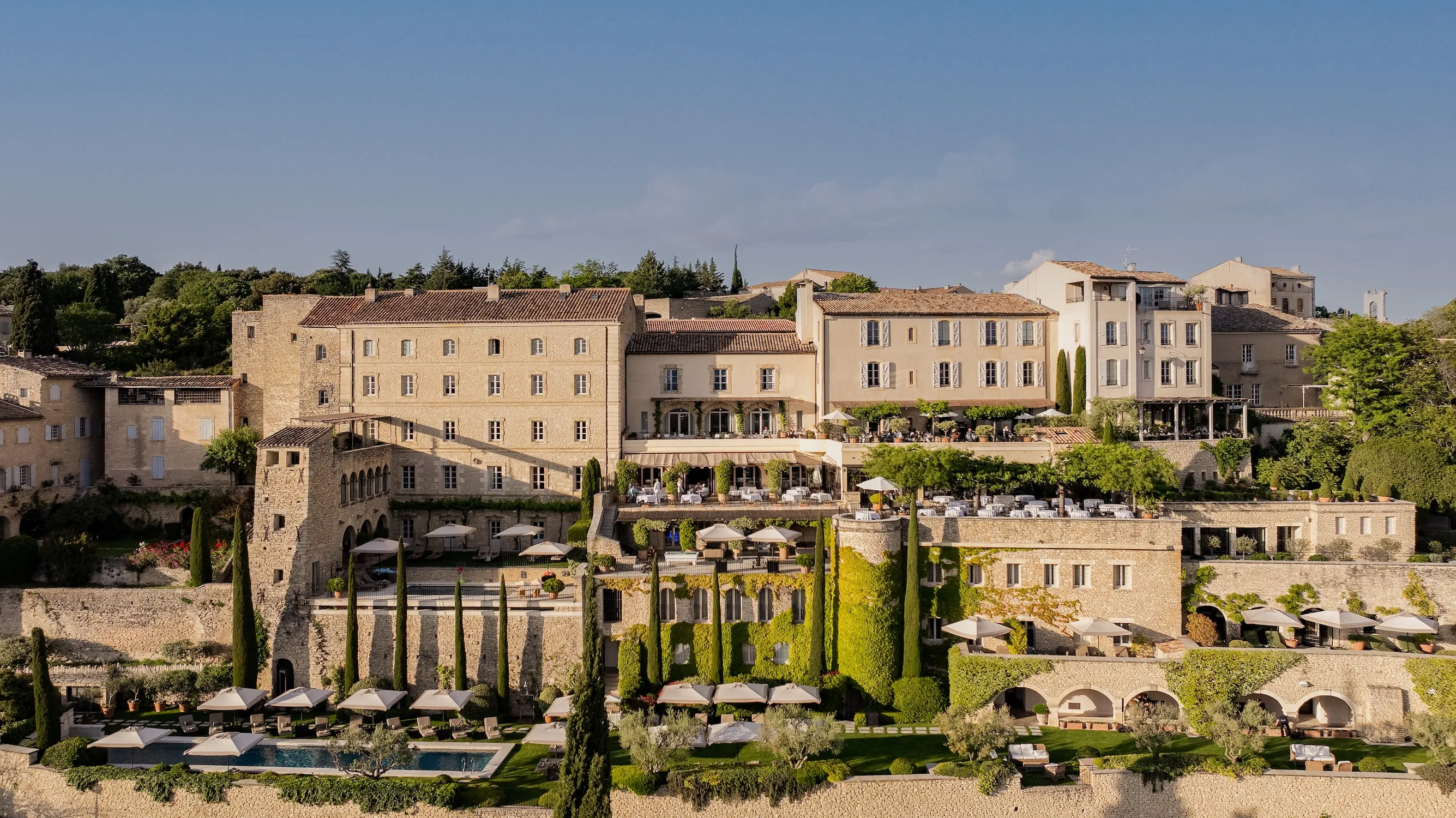
Gordes, Luberon, France
Airelles Gordes, La Bastide
A 16th-century manor built into the ramparts of a hilltop village, run as one of only two dozen hotels in France to hold the official Palace title.
From €950 per night
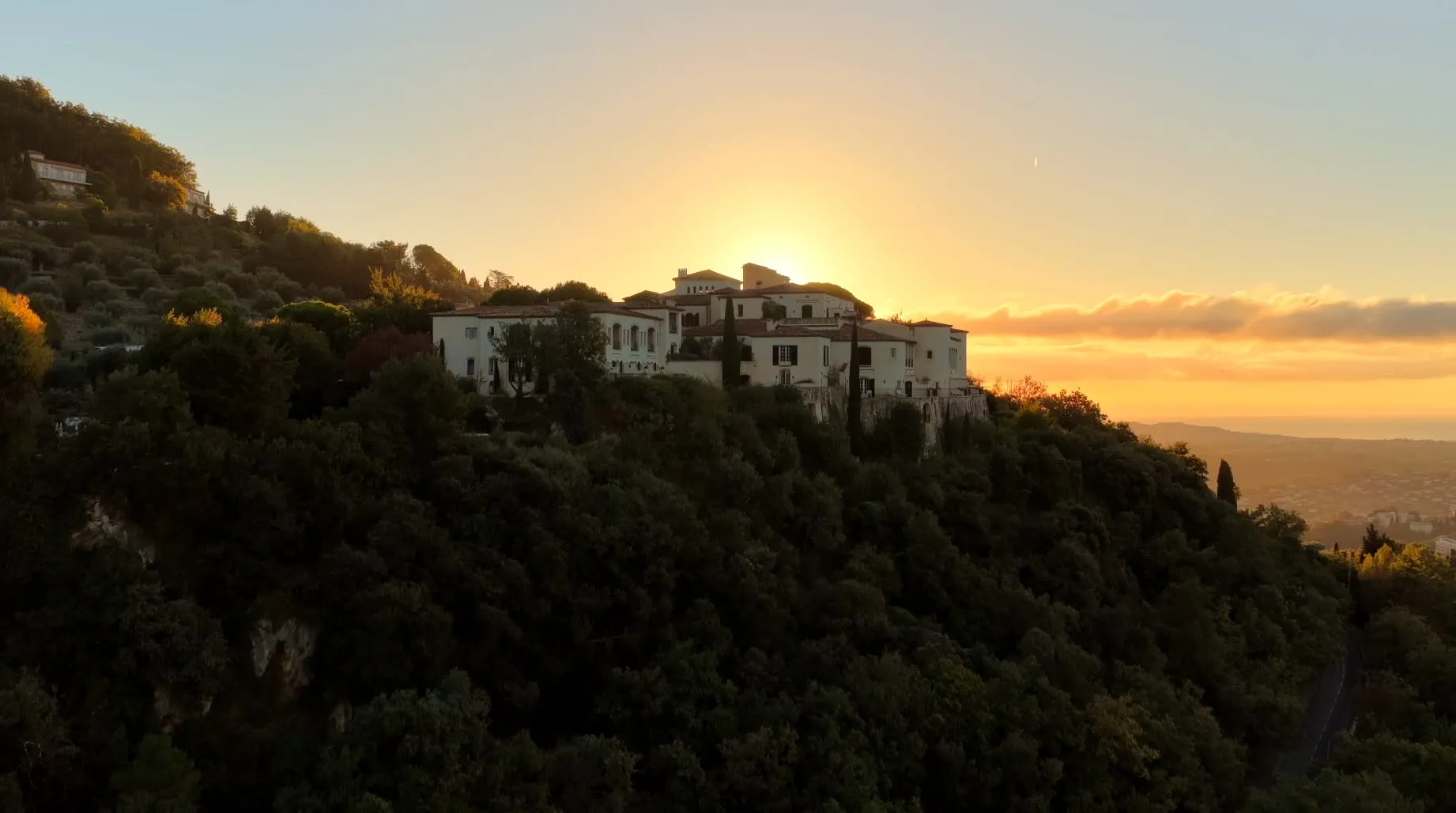
Vence, above the Riviera coast, France
Chateau Saint-Martin & Spa
A 12th-century Knights Templar commandery turned Relais & Châteaux estate, its own olive groves and vineyards spread across a Vence hillside above the Mediterranean.
From €1,050 per night
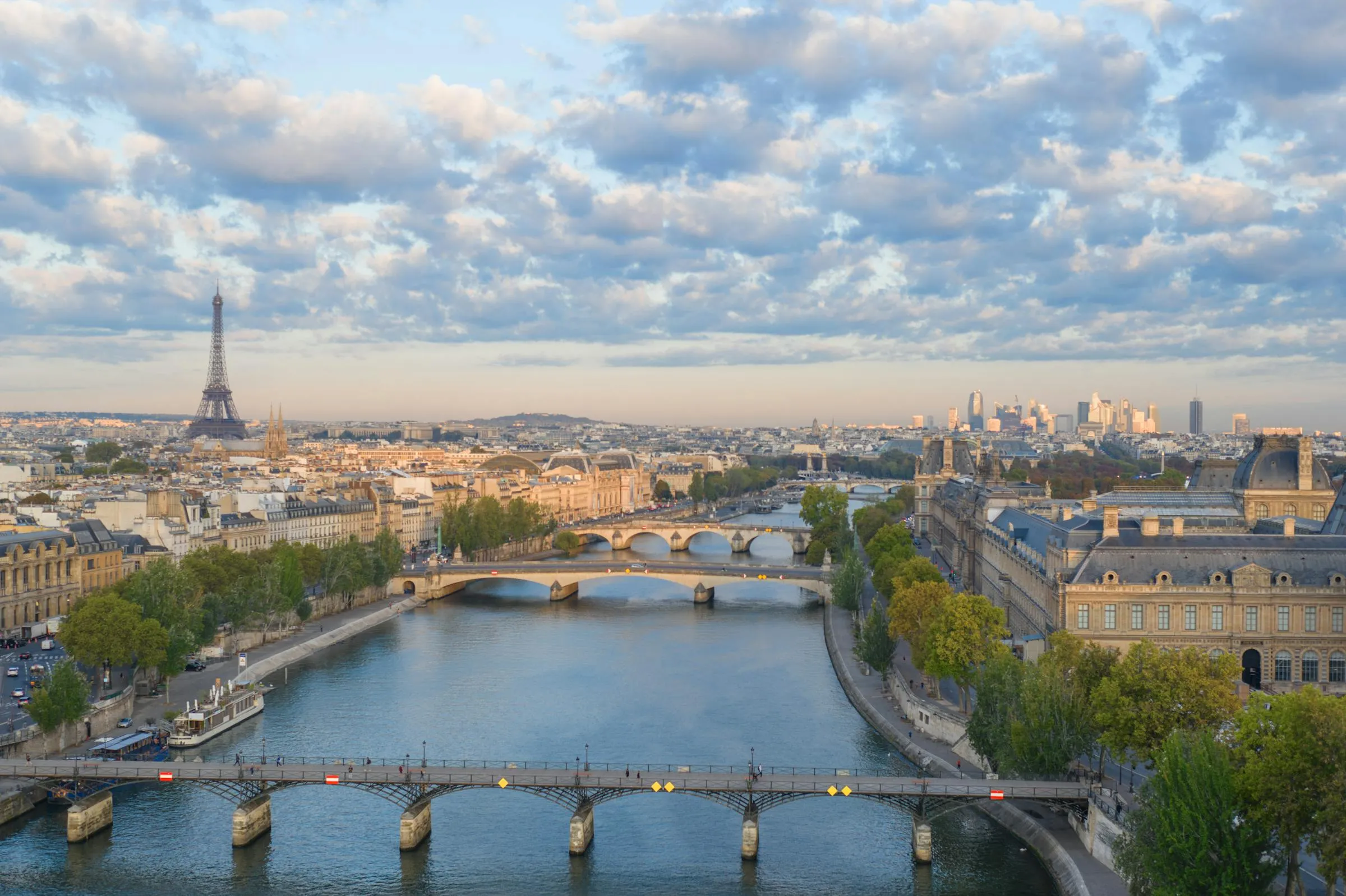
1st arrondissement, Paris, France
Cheval Blanc Paris
A Belle Epoque department store reborn as LVMH's most architecturally ambitious Paris address, with the Seine on one side and the Louvre on the other.
From €2,200 per night