Big Sur, United States
Post Ranch Inn
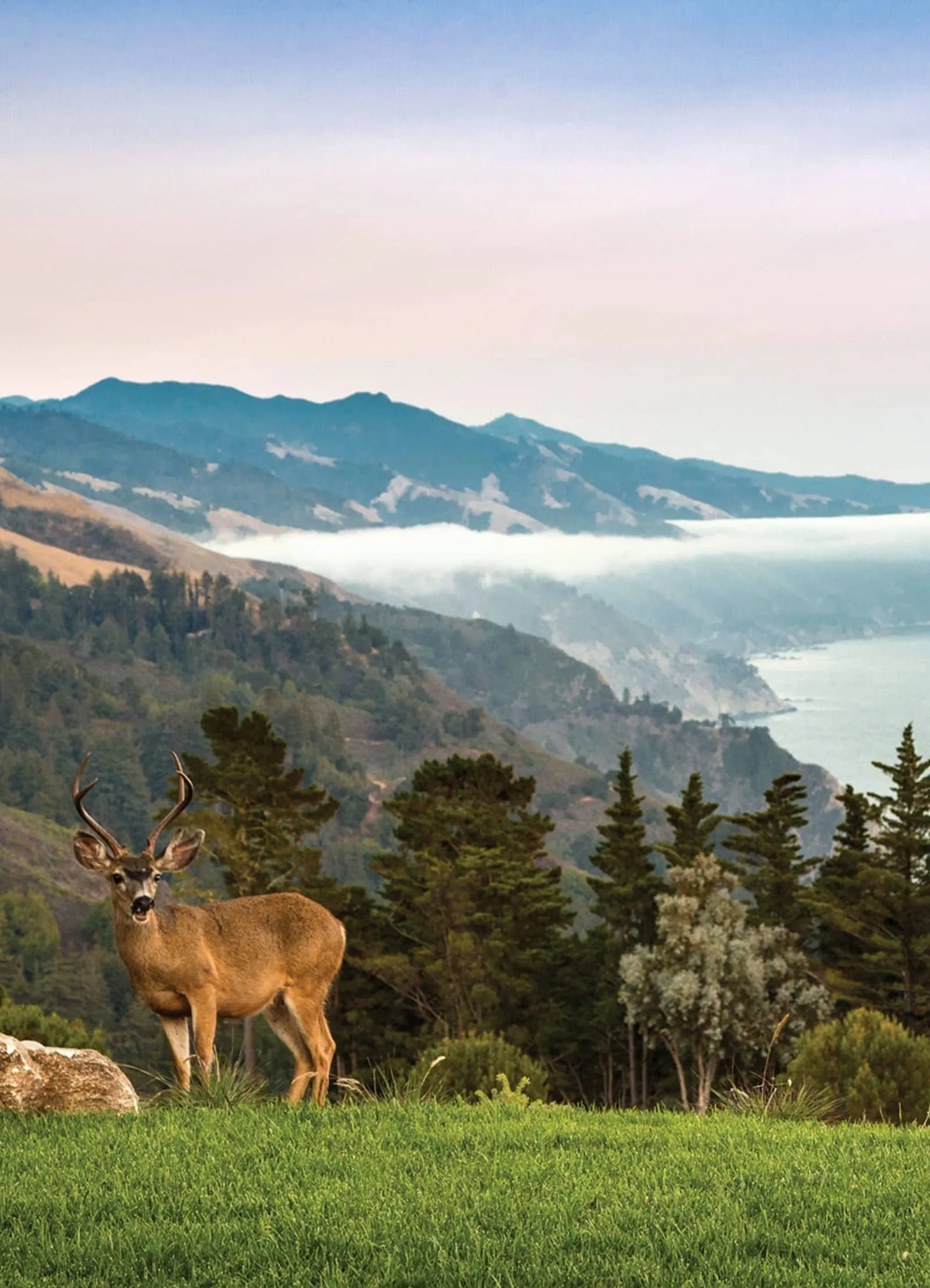
Forty organic structures balanced on a Big Sur ridgeline, 1,200 feet above the Pacific, with almost nothing between the guest and the drop.
- Rates from
- From $2,150 per night
- Nearest airport
- Monterey Regional Airport (MRY)
- Transfer
- About 1hr by road
- Best months
- September and October for the clearest coastal views and lightest fog; late spring for wildflowers along the ridge
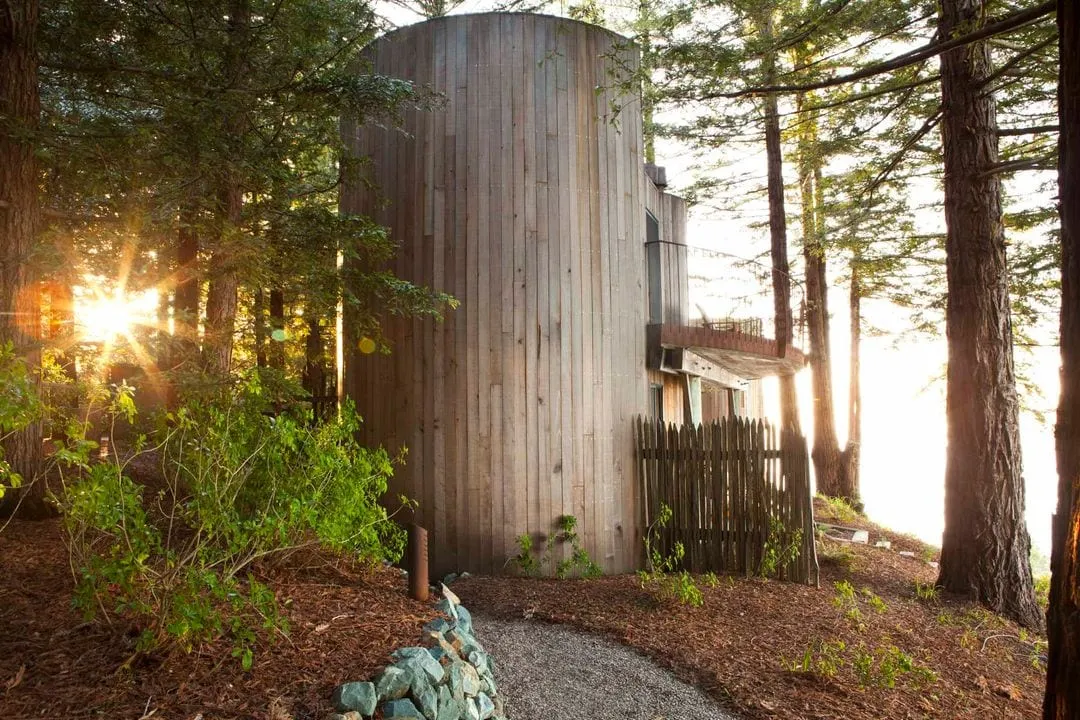
There is a specific, disorienting moment that recurs for most people arriving at Post Ranch Inn for the first time: the valet takes the car at a modest reception building beside Highway 1, and from there, the guest is driven the rest of the way in, because there is functionally no direct view of the property from the road. Highway 1 reveals almost nothing of what sits above it. That is by design. When it opened in April 1992, on land that had been the Post family’s cattle ranch since the 1860s, Post Ranch Inn was conceived less as a hotel with a view than as a piece of architecture that tried, as literally as a building can, to disappear into the ridge it sits on.
The result, forty structures scattered across a bluff roughly 1,200 feet above the Pacific, is one of the more genuinely unusual hotels in North America, not because of scale or spectacle but because of restraint. There are no televisions in the rooms. There are no alarm clocks. Cell coverage along this stretch of Big Sur is patchy at best, and the hotel does not fight that fact so much as lean into it. What there is, instead, is a coastline that drops away almost vertically beneath triangular Tree Houses raised on stilts, circular Mountain Houses tucked among oaks, and a restaurant, Sierra Mar, that has held a spot on Wine Spectator’s Grand Award list for wine cellars since 2012 and now carries a Michelin Green Star.
Big Sur itself has no shortage of dramatic real estate, roughly ninety miles of Highway 1 threaded along cliffs between Carmel and San Simeon, much of it undevelopable state parkland. Post Ranch Inn holds one of the very few private parcels positioned to make full use of that geography, and it has held that position, largely unchanged in essential character, for more than three decades. The inn’s own founding story, an unknown local architect submitting rough sketches for a single tree house and getting the entire commission, has become part of Big Sur folklore, but the more useful fact for a prospective guest is simpler: very few hotels anywhere ask this little of the land beneath them while asking this much of the view above it.
Why It Stands Out
What separates Post Ranch Inn from the broader field of clifftop luxury hotels is not the view, spectacular as it is, but the discipline behind how the property was built to hold that view without dominating it. The 100-acre site includes forty guest structures, yet from Highway 1 almost none of them are visible, tucked below the ridge line, sunk into the hillside, or wrapped in vegetation that was there before construction began. That restraint extends to the guest experience itself: no in-room televisions, no alarm clocks, deliberately limited connectivity, and a two-night minimum stay that discourages the kind of quick overnight stopover common along the coastal drive.
The property is also unusually candid about its environmental footprint for a hotel in its price category. A 990-panel solar array installed in 2009 was, at the time, the largest hotel solar installation in California and among the largest in the United States, and Post Ranch Inn is a founding member of Beyond Green, a global portfolio of hotels vetted specifically for sustainability practice. Combined with the architecture’s earth-sheltered construction and passive solar heating and cooling, the result is a resort that markets its setting through understatement rather than scale, which is rare enough among ultra-luxury coastal hotels to be, on its own, a point of distinction.
Architecture
Post Ranch Inn was designed by Mickey Muennig, a Big Sur-based architect who had never designed a hotel before submitting drawings for what became the property’s first Tree House. It remains his largest realised project. Muennig’s approach, often described as organic or bio-structural architecture, treats a building as something that should read as part of its terrain rather than as an object placed on top of it, and Post Ranch Inn is the fullest expression of that idea he ever built.
The forty structures across the ridge take several distinct forms, each solving a different problem posed by the site. The Tree Houses are triangular in plan and raised nine feet off the ground on slender stilts, a construction method chosen specifically to avoid disturbing the root systems of the redwoods and oaks growing beneath and around them. The Ocean Houses have curved, beamed roofs covered in a soft layer of grass, effectively earth-sheltered structures that blend into the hillside from above and help regulate interior temperature passively. The circular Coast Houses and Mountain Houses take their forms from the contours of the land itself rather than from any conventional room geometry. Throughout, the building materials, wood, stone, glass and COR-TEN steel, were chosen for how they weather and age alongside the coastal environment rather than resist it, and passive solar heating and cooling is used wherever the site orientation allows.
Interior Design
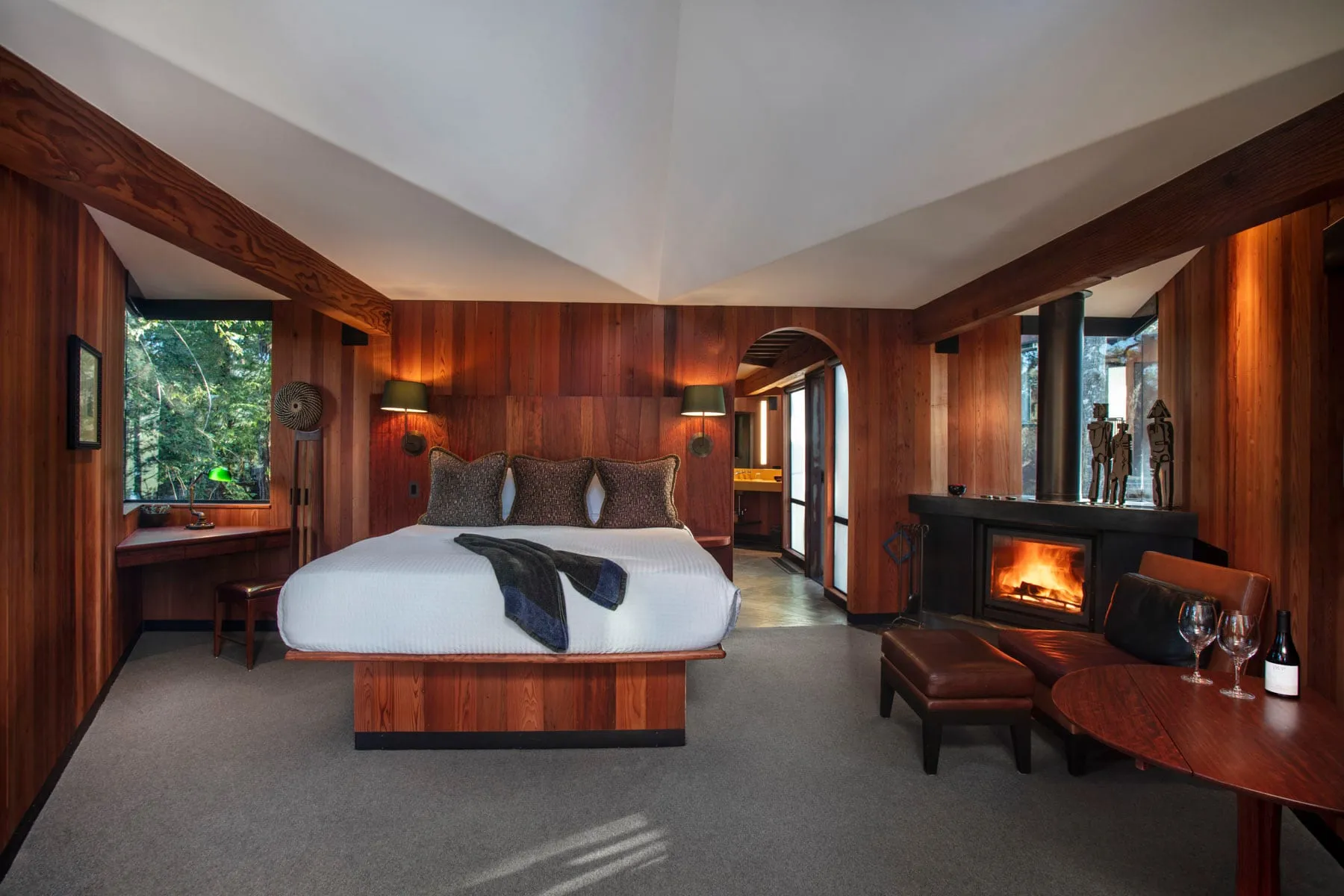
Inside, the design language stays consistent with the architecture’s core instinct: nothing that would compete with the landscape outside the window. Rooms lean on earth tones, natural and sustainable materials, and custom furniture built specifically for each structure’s unusual geometry. Reclaimed old-growth redwood, some of it re-milled from decommissioned wine casks, appears as wall panelling throughout the property, and rugs hand-woven by indigenous weavers add texture without introducing pattern loud enough to distract from the ocean or mountain views most rooms are built around.
Every room includes a wood-burning fireplace, an indoor spa tub, a private deck and an original art collection curated for the space, but the more telling design decisions are the omissions: no televisions, no alarm clocks, minimal built-in technology beyond a stereo and digital music system. The intent, consistent across every category from the compact Mountain House to the 1,800-square-foot Post House, is a room that gives a guest very little reason to look anywhere but outward.
Atmosphere
The atmosphere at Post Ranch Inn is quiet in a way that is engineered rather than incidental. There is no lobby bustle to speak of, no central hub where the property’s population gathers; the forty structures are dispersed enough across the ridge that guests can go a full day without seeing more than a handful of other people outside of Sierra Mar. Fog rolls through the redwoods most mornings along this stretch of coast, burning off by mid-morning on clearer days, and the hotel’s rhythms, complimentary yoga at sunrise, guided hikes, sound journey sessions in the late afternoon, are built around that pattern rather than against it.
The absence of televisions and the unreliable cell signal are not framed as inconveniences by the hotel so much as part of the point: this is a property that wants a stay to feel closer to a retreat than a conventional hotel visit, and the atmosphere, more contemplative than social, more geared toward two people or a solitary traveller than a group, follows directly from that intention.
Rooms and Suites
Post Ranch Inn has 40 guest rooms and suites spread across eight distinct categories along the ridge, plus two larger standalone houses set slightly apart. Mountain House and Coast House rooms, both circular in plan, sit toward the more modest end of the range and offer mountain or garden-adjacent outlooks with the same core amenities as every other category: king bed, wood-burning fireplace, indoor spa tub and private deck. Tree Houses, triangular and raised on stilts, are reached by stairway and set among the redwood canopy rather than facing the ocean directly.
Ocean House, Peak House and Butterfly rooms step up toward full or partial ocean and mountain views, the Butterfly rooms housed in a structure shaped, as the name suggests, like a butterfly with outstretched wings. Pacific Suites, at 960 square feet with two suites per two-story building, open onto sweeping ocean views from the terrace, living room, bedroom and bath. Cliff House rooms sit at the top of the standard hierarchy, positioned on the ridge’s western edge with a deck suspended over the drop and an outdoor spa tub positioned to take in the full width of the Pacific.
Beyond the standard categories, the Post House is an 1,800-square-foot one-bedroom home with a full kitchen, dining room, media room and a 1,300-square-foot private back patio with its own hot tub, and the two-bedroom South Coast House, set adjacent to the main property, offers two master bedrooms, a full kitchen and a private outdoor patio with an ocean-view hot tub, suited to two couples or a small family group travelling together despite the property’s general 18-and-over policy for standard rooms.
Dining
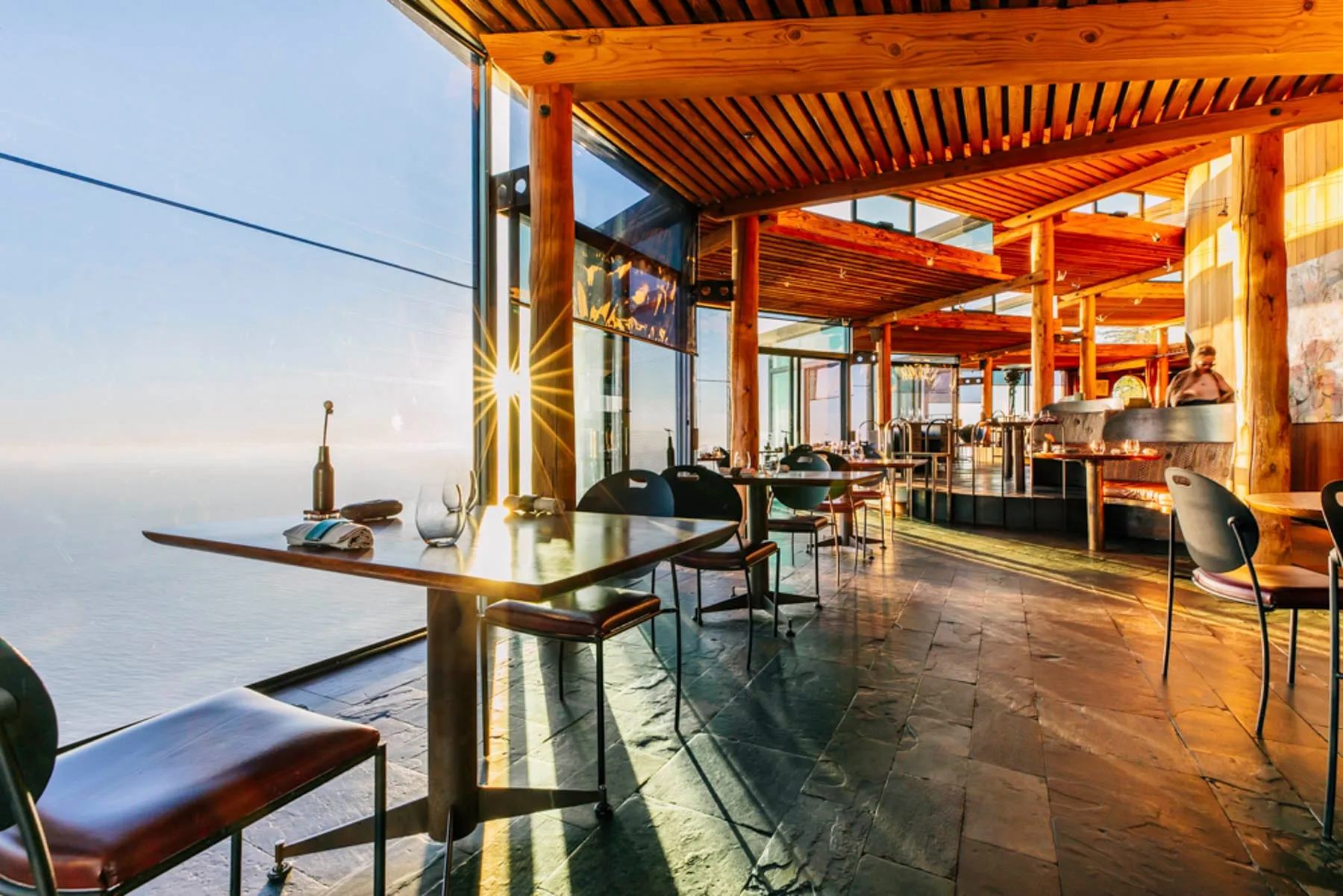
Sierra Mar is Post Ranch Inn’s sole restaurant, and it does most of the heavy lifting for the property’s reputation beyond the architecture itself. The dining room is positioned to take in an essentially uninterrupted sweep of the Pacific, and it serves a complimentary daily breakfast to overnight guests, with lunch and dinner open to the public by reservation. Under executive chef Il Hoon Kang and culinary director Reylon Agustin, the kitchen runs a farm-driven menu built around the produce of Big Sur and its neighbouring growing regions, with an explicit emphasis on the relationship between land and sea on the plate.
The wine program is, by most measures, the more remarkable achievement: Sierra Mar carries more than 3,200 selections and roughly 15,000 bottles, drawing heavily from the Santa Lucia Highlands where the hotel sits, alongside the Santa Cruz Mountains and Paso Robles, and it has won Wine Spectator’s Grand Award every year since 2012, a distinction held by only a small number of restaurants worldwide. Sierra Mar also holds a Michelin Green Star, the guide’s recognition for sustainable and environmentally considered kitchens rather than a conventional star for cooking alone, which places it alongside a short list of California restaurants recognised for that specific distinction.
Spa and Wellness
The Post Ranch Spa operates from five treatment spaces framed by the property’s redwood forest, including two couple’s spa suites, one built around a fireplace and the other around a walk-in shower, along with a Redwood Sanctuary wellness suite. Treatments draw on natural, locally rooted therapies, and guests can choose to have certain treatments performed in-room rather than in the spa itself. Among the more distinctive offerings is a Shaman Journey session, conducted within a dedicated medicine wheel space on the property.
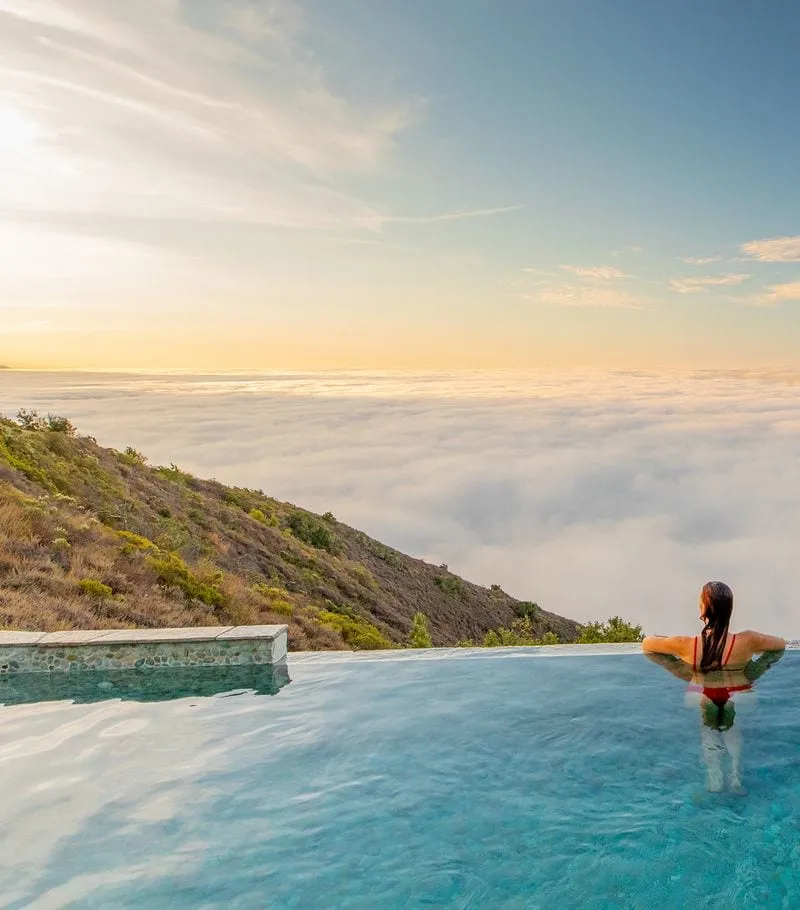
Wellness extends well past the treatment rooms. Two heated basking pools with infinity edges sit directly on the cliff line, angled so the water appears to run straight into the ocean below, while a separate swimming pool occupies a sunnier meadow spot inland with mountain views, better suited to actual laps than the exposed clifftop pools. A 24-hour fitness centre rounds out the wellness facilities, and complimentary morning yoga, meditation and sound journey sessions run daily as part of the property’s standard guest program.
Experiences
Beyond the spa and pools, Post Ranch Inn runs a full slate of complimentary activities built around its own grounds: guided nature hikes across the property’s 100 acres, edible garden tours through the Chef’s Garden that supplies Sierra Mar, and forest meditation sessions among the redwoods. A falconry program, offered as an additional experience, lets guests get close to trained raptors under a handler’s supervision, a less common addition among Big Sur hotels.
The Post Gallery, located beside the Chef’s Garden, rotates exhibitions of photography, sculpture and jewellery from artists connected to the Big Sur community, giving the property a small but functioning arts program alongside its wellness offering. For guests willing to leave the grounds, the hotel can arrange excursions further down the coast, though much of the appeal of a Post Ranch stay, by design, is found without ever getting back in a car.
Who It Is For
Post Ranch Inn suits couples, solo travellers seeking genuine quiet, and anyone with a serious interest in architecture, more than it suits families or larger groups. The 18-and-over policy on standard rooms rules out travel with young children outright, and the property’s emphasis on unplugging, minimal connectivity, no in-room televisions, activities built around hiking and meditation, will read as a selling point to some travellers and a limitation to others. Wine-focused travellers have a particular reason to visit given Sierra Mar’s cellar, as do design and architecture enthusiasts drawn to Mickey Muennig’s work specifically.
It is less suited to guests who want a conventional resort experience with a full activity roster, nightlife, or easy walkability to shops and restaurants outside the property. Big Sur itself has very little in the way of a town centre, and Post Ranch Inn’s whole premise depends on that isolation rather than working around it.
Best Time to Visit
September and October generally offer the most reliable weather along this stretch of coast: the marine fog layer that frequently blankets Big Sur’s mornings, especially in summer, tends to lift more consistently in early autumn, days stay mild, and Highway 1 sees fewer of the crowds that build up over summer. Late spring, particularly April and May, brings wildflowers to the hillsides and ridge and is a strong secondary option. Winter can deliver dramatic storm-watching from the cliffs, though Highway 1 occasionally faces closures after heavy rain or landslides, which is worth checking before booking a winter stay.
How to Get There
The nearest airport is Monterey Regional Airport (MRY), roughly an hour’s drive south down Highway 1 to the property. San Jose International Airport (SJC) and San Francisco International Airport (SFO) are larger alternatives, both requiring a longer drive, typically two and a half to three hours depending on traffic through the Monterey Peninsula and along Highway 1’s slower coastal stretches. There is no public transit option to the property, and the hotel does not operate a scheduled airport shuttle, so guests generally arrive by rental car or a private car service, which the hotel can help arrange.
Highway 1 itself is part of the experience and part of the logistics: the road narrows and curves substantially through Big Sur, and stretches can close temporarily after storms or slides, so it is worth checking Caltrans road conditions before a drive down from Monterey or Carmel, particularly outside the summer months.
Nearby Experiences
Big Sur’s most photographed landmarks sit within a short drive of Post Ranch Inn. McWay Falls, an 80-foot waterfall that drops directly onto a beach within Julia Pfeiffer Burns State Park, is a few minutes south. Bixby Bridge, one of the most photographed spans on the entire California coast, sits roughly 15 to 20 minutes north toward Carmel. Pfeiffer Beach, known for its purple-tinged sand from manganese garnet deposits, is a short drive away, though the turnoff is unmarked and easy to miss on a first visit.
Nepenthe, a longstanding clifftop restaurant with its own history and one of the more famous casual dining rooms on the coast, sits close by, as does the Henry Miller Memorial Library, a small nonprofit dedicated to the writer who lived in Big Sur for years. The Esalen Institute, the retreat and workshop centre credited with helping shape the human potential movement from the 1960s onward, is also nearby, though its natural hot springs are generally reserved for program participants rather than casual day visitors.
Things to Know Before Booking
The minimum age to check in is 18, and this applies across the standard room categories; families should plan around that restriction, though Sierra Mar does welcome guests of all ages for lunch or dinner reservations. Pets are not permitted, with the exception of trained service animals; emotional support animals do not qualify under the policy. A two-night minimum stay generally applies, and deposits, typically one night’s rate plus tax, are forfeited for cancellations made within 14 days of arrival.
Rooms are intentionally without televisions or alarm clocks, and cell reception across the property is inconsistent given the terrain, so guests who need to stay reliably connected for work should plan accordingly. There is no resort fee, and valet or self-parking, Wi-Fi, and a daily full breakfast at Sierra Mar are included in the room rate.
Sustainability
Post Ranch Inn’s environmental program is unusually substantial for a hotel of its size and price point. A 990-panel solar array switched on in 2009 was, at the time, the largest hotel solar installation in California and one of the largest in the United States, with the U.S. Environmental Protection Agency estimating it reduces the property’s carbon emissions by roughly 611,000 pounds annually. The property’s earth-sheltered construction and passive solar design reduce heating and cooling demands by design rather than through retrofit.
Other measures include a fleet of hybrid vehicles used to move guests around the grounds, on-site spring water bottled in reusable glass bottles rather than single-use plastic, and native, drought-resistant landscaping suited to the region’s water constraints. The grounds also provide habitat for several species of conservation concern, including the endangered Smith’s Blue Butterfly, the California red-legged frog, the western pond turtle and the California condor. Post Ranch Inn is a founding member of Beyond Green, an international portfolio of hotels and lodges vetted specifically for sustainability leadership.
Practical Information
Post Ranch Inn is located at 47900 Highway 1, Big Sur, California 93920, roughly 30 miles south of Carmel-by-the-Sea, 150 miles south of San Francisco and 330 miles north of Los Angeles. Check-in begins at 4:00 PM and check-out is at 12:00 noon, both Pacific time. The hotel can be reached directly at +1 831 667 2200, with reservations handled separately at +1 800 527 2200. The property does not charge a resort fee, and complimentary daily breakfast, parking, Wi-Fi, and scheduled wellness activities are included in the nightly rate.
Editorial Conclusion
Post Ranch Inn’s reputation rests on a genuinely unusual premise for a hotel in its category: that the most luxurious thing it could offer was restraint, both architecturally and experientially. Mickey Muennig’s structures still read as radical more than three decades after the first Tree House went up, not because they compete with the Big Sur coastline but because they were built specifically not to. Combined with Sierra Mar’s wine cellar and Michelin Green Star, a genuinely substantial sustainability program, and a guest experience deliberately stripped of televisions, alarm clocks and reliable phone signal, it remains one of the clearer examples in American hospitality of a hotel built around a single, disciplined idea rather than an accumulation of amenities. For travellers who want the Big Sur coastline delivered without distraction, few properties anywhere match it.
In pictures
On the map
Big Sur, United States
Questions
Frequently asked
How many rooms does Post Ranch Inn have, and what are the different categories?
Post Ranch Inn has 40 guest rooms and suites arranged along the ridge that runs parallel to the Pacific. Categories include Cliff House, Pacific Suite, Peak House, Ocean House, Coast House, Tree House, Mountain House and Butterfly rooms, plus two larger standalone houses, the one-bedroom Post House and the two-bedroom South Coast House. Each category has a distinct architectural form, from the triangular, stilt-raised Tree Houses to the circular, grass-roofed Ocean Houses, but every room includes a king bed, a wood-burning fireplace and an indoor spa tub.
Who designed Post Ranch Inn, and what makes the architecture unusual?
The inn was designed by Mickey Muennig, a Big Sur-based architect known for organic, earth-integrated buildings, and it remains his largest completed project. Structures use natural materials such as wood, stone, glass and COR-TEN steel, several guesthouses are earth-sheltered for passive heating and cooling, and the Tree Houses are raised on stilts specifically to avoid disturbing the roots of the redwoods and oaks around them. The result is designed to make guests feel embedded in the landscape rather than simply looking out at it.
Is Post Ranch Inn suitable for families with young children?
Not really. The property sets a minimum guest age of 18, and the hotel itself points to the site's setting, a clifftop 1,200 feet above the ocean with unguarded pools, wood-burning fireplaces and open decks, as the reason. Sierra Mar restaurant does welcome guests of all ages for lunch or dinner with a reservation, so travelling families can dine there without staying overnight.
How far is Post Ranch Inn from the nearest airport, and how do guests get there?
The nearest airport is Monterey Regional Airport (MRY), roughly an hour's drive south along Highway 1. San Jose and San Francisco airports are larger alternatives, at around two and a half to three hours by road. There is no public transit to the property; guests arrive by rental car, private car service, or a transfer arranged directly through the hotel.
What is included in the room rate at Post Ranch Inn?
Rates include a daily full breakfast at Sierra Mar, valet or self-parking, Wi-Fi, use of the pools and fitness centre, and a program of complimentary activities such as morning yoga, guided nature hikes, sound journey sessions and edible garden tours. There is no resort fee. A two-night minimum stay generally applies.
Same destination
More hotel guides in United States

Midtown Manhattan, New York City, United States
Aman New York
Eighty-three suites folded into a landmarked 1921 Beaux-Arts tower on Fifth Avenue, with a three-floor spa larger than any other Aman on earth.
From $2,300 per night
Rutherford, Napa Valley, United States
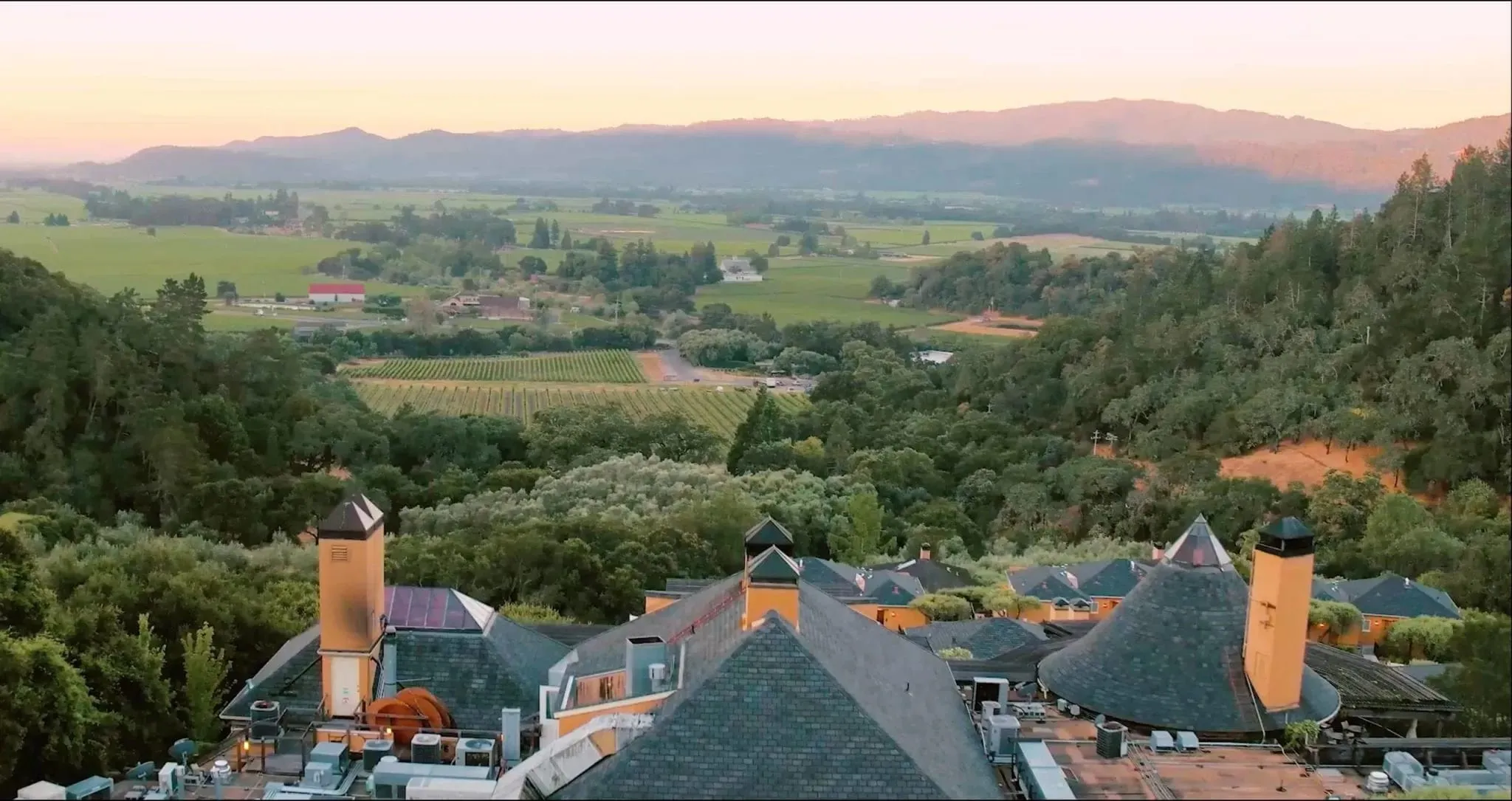
Auberge du Soleil
The Provence-inspired hillside inn that gave an entire hotel group its name, its philosophy, and one of Napa Valley's longest-running Michelin stars.
From $1,200 per night
Walland, Great Smoky Mountains foothills, United States
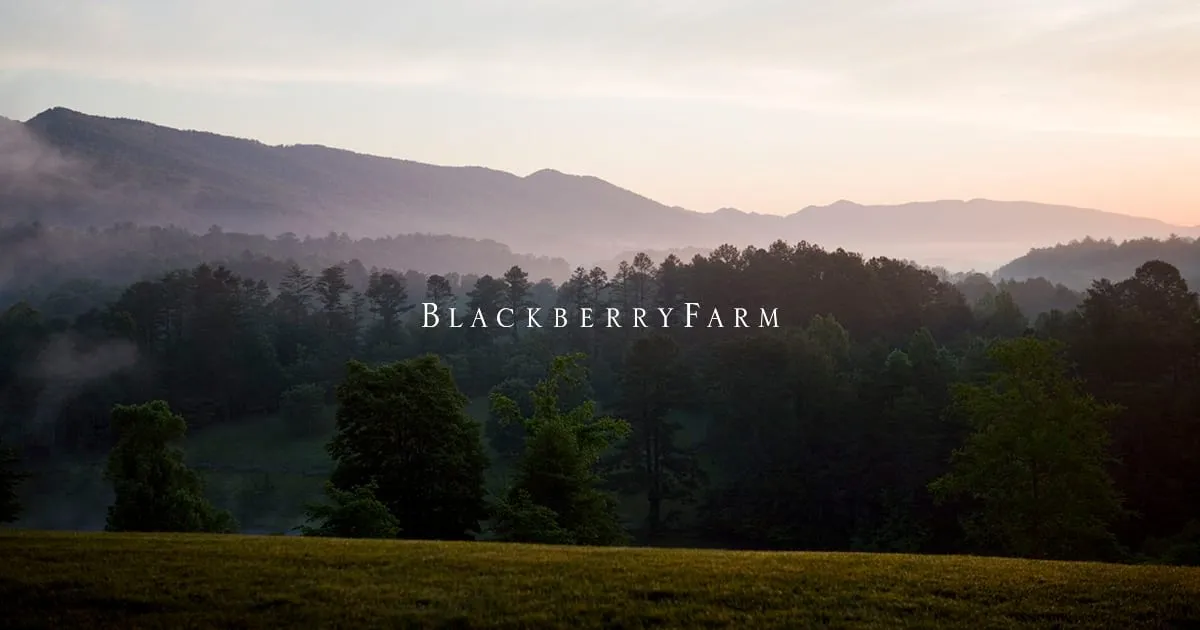
Blackberry Farm
A 4,200-acre working farm at the foot of the Great Smoky Mountains where the Beall family built an entire school of American cooking around cheese, garden and pasture.
From $1,145 per night