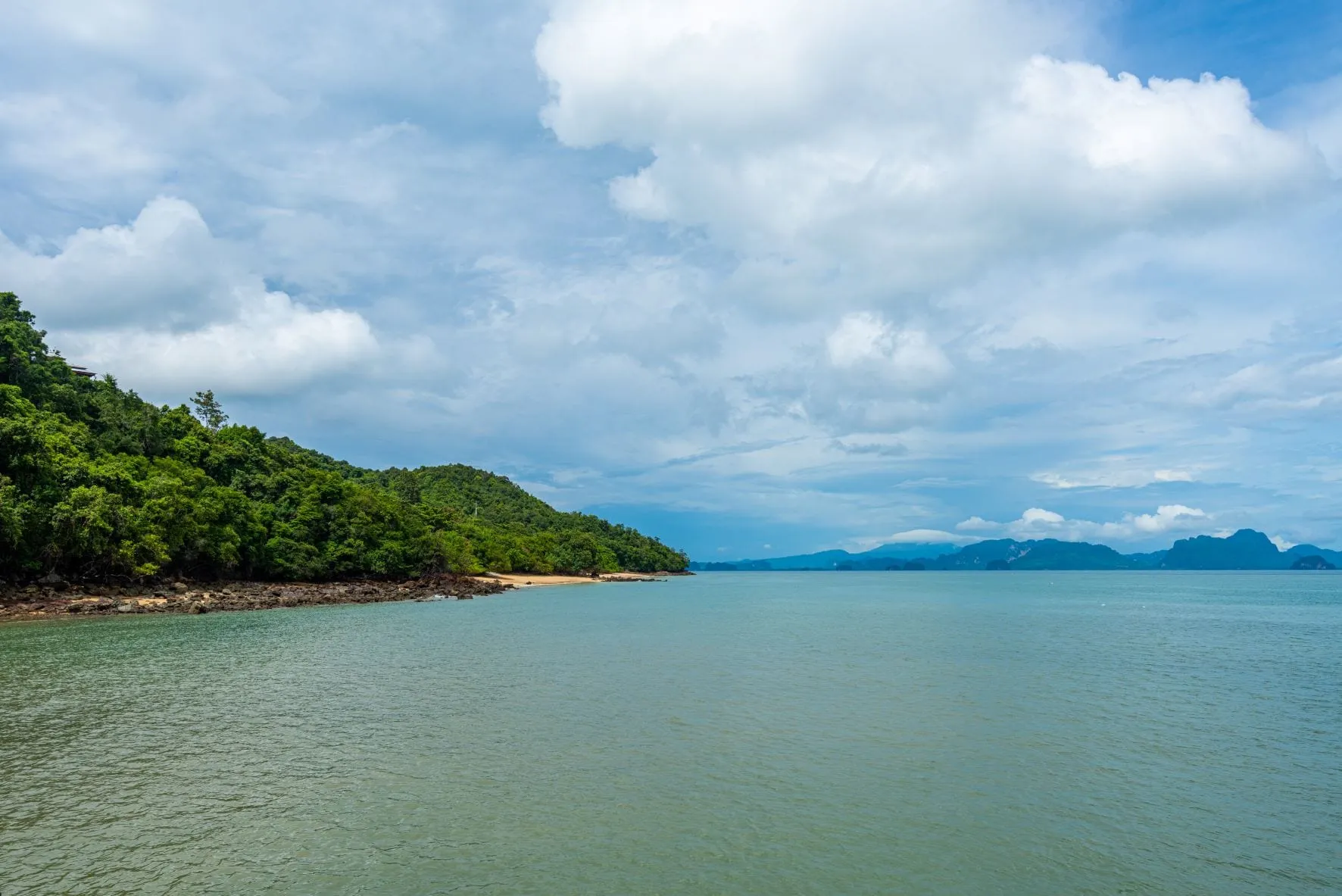
Thailand
A hotel scene divided between Bangkok's dense, design-forward urban towers and a southern archipelago, Phuket, Krabi, and the smaller islands, where the tradition runs toward low-rise resorts built around beach and jungle rather than skyline.
- When to go
- November to March for the cool, dry season across most of the country, the most reliable window for both Bangkok and the southern beaches; April is hottest, and the monsoon runs roughly June to October depending on coast.
- Getting there
- Roughly 11 to 12 hours direct from major European hubs to Bangkok; longer from North America, typically with a connection.
- Best for
- beach wellness gastronomy design honeymooners
Thailand’s luxury hotel geography splits cleanly between capital and coast: Bangkok’s density and design ambition on one side, and a string of southern beach and island destinations, each with a distinct character, on the other.
The regions, briefly
Bangkok carries the country’s most architecturally ambitious hotel openings, riverside towers and city-centre properties competing on design pedigree as much as service, set against a metropolis that runs day and night.
Phuket, Thailand’s largest island and longest-established beach destination, holds the country’s deepest concentration of luxury resorts, from Amanpuri’s founding influence on the entire Aman brand to newer arrivals continuing to raise the design bar along its western beaches.
Krabi and the limestone-karst coastline north of Phuket offer a more dramatic, less developed landscape, dramatic cliffs rising straight from the Andaman Sea, with resorts built into bays that remain harder to reach and correspondingly quieter.
Phang Nga Bay and its smaller islands, including Yao Noi, sit between Phuket and Krabi and have become known for a more private, barefoot-luxury register: fewer rooms, more distance between them, and a slower pace than the mainland beaches.
Chiang Mai, in the mountainous north, offers an entirely different Thailand: cooler air, a historic old city, and a hotel tradition built around rice terraces and teak forest rather than the coast.
Where to stay
Hotel guides in Thailand
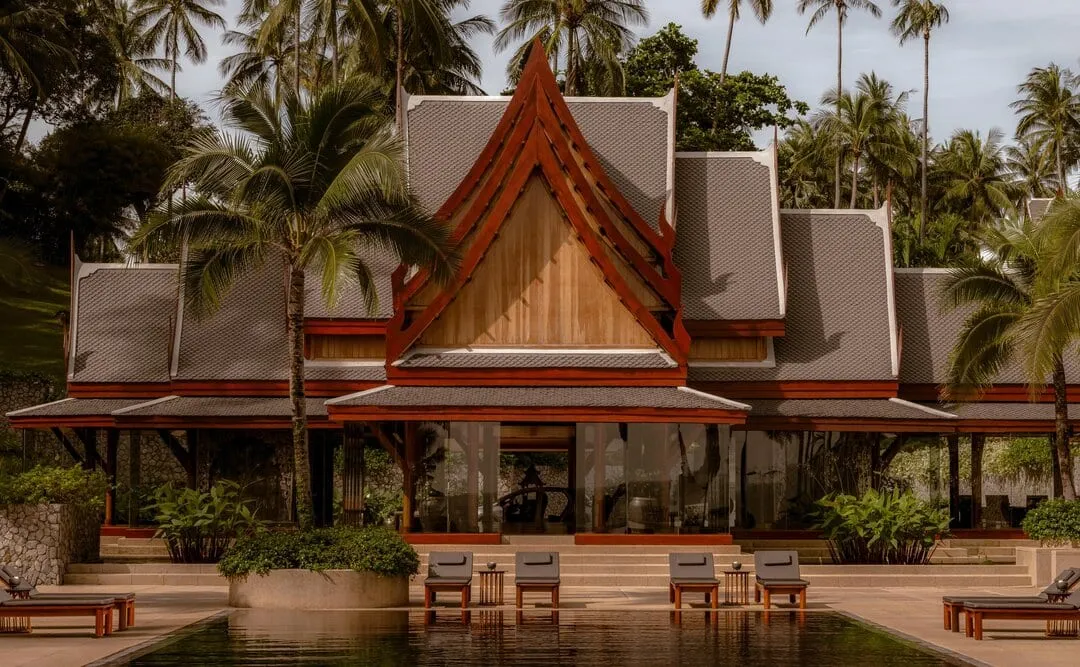
Pansea Beach, Phuket, Thailand
Amanpuri
Opened in 1988 on a former coconut plantation on Phuket's Pansea Beach, Amanpuri is the founding property of the entire Aman brand, a village of temple-inspired teak pavilions that set the template every Aman since has followed.
From $1,200 per night
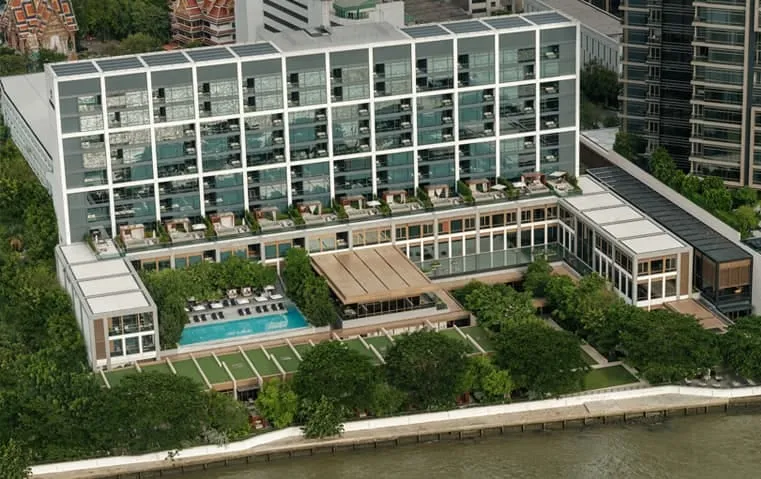
Charoen Krung, Chao Phraya riverside, Bangkok, Thailand
Capella Bangkok
A low-rise riverside sanctuary on the Chao Phraya, where Thai pavilion architecture, a two-Michelin-starred Riviera table and only 101 keys have made a decade-old promenade site into the hotel the rest of Bangkok is measured against.
From $850 per night
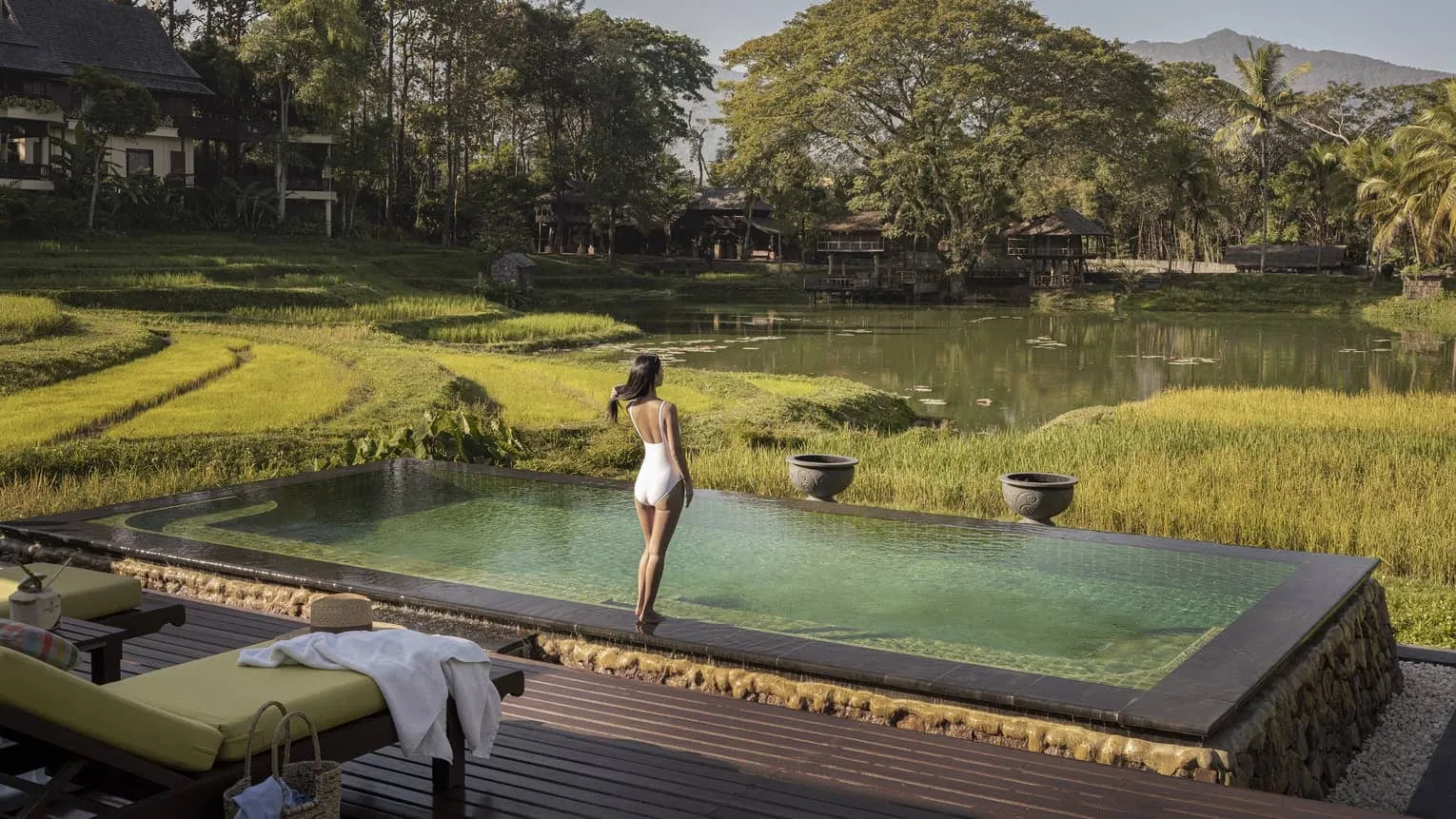
Mae Rim Valley, Chiang Mai, Thailand
Four Seasons Resort Chiang Mai
A working rice valley reimagined as a resort, where teak pavilions and a Michelin-starred kitchen sit inside paddies still farmed by hand.
From $850 per night
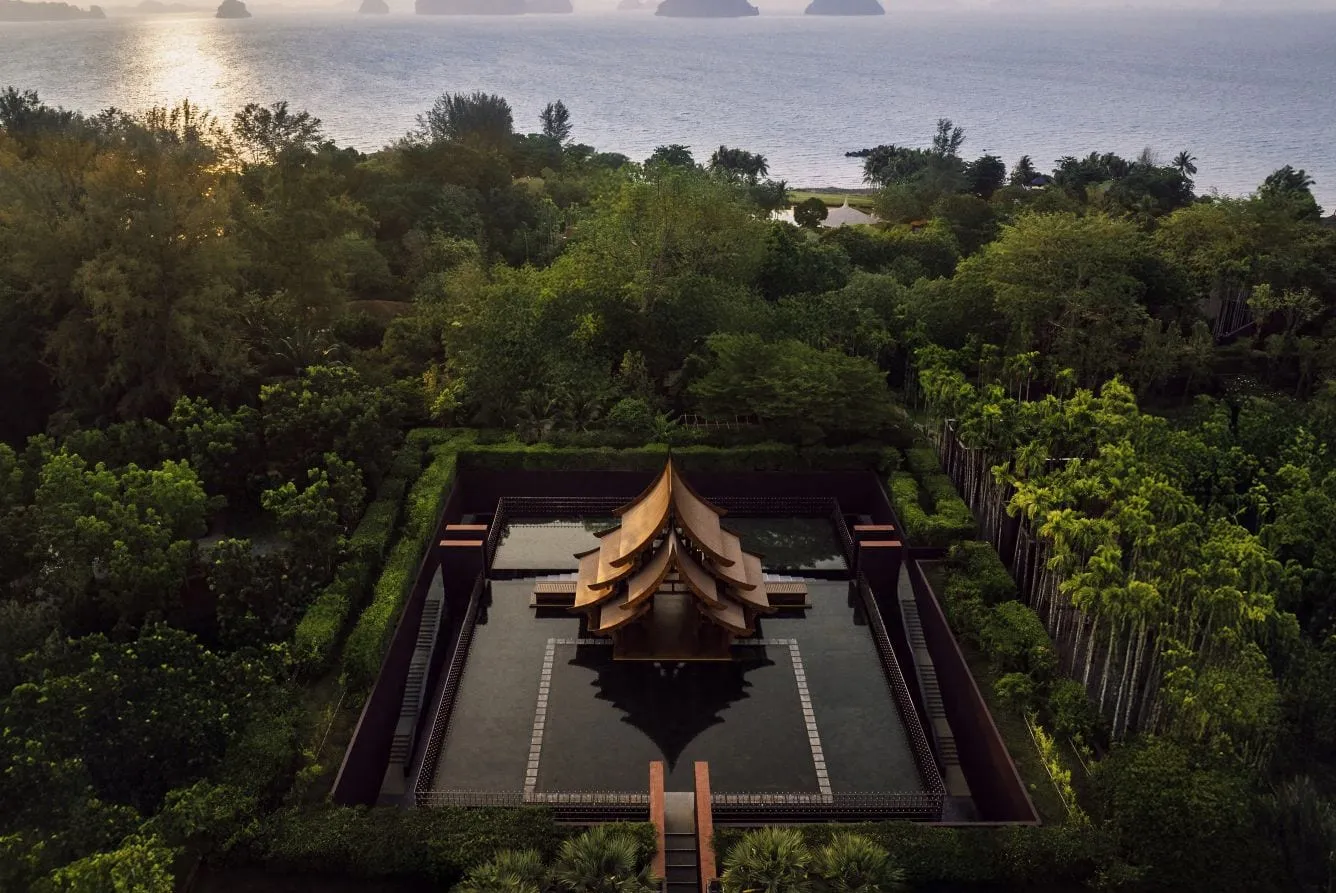
Tab Kaek Beach, Krabi, Thailand
Phulay Bay, A Ritz-Carlton Reserve
The resort that launched the Ritz-Carlton Reserve brand in 2009, a cluster of Thai-pavilion villas set against Krabi's limestone karsts on the Andaman Sea.
From $650 per night
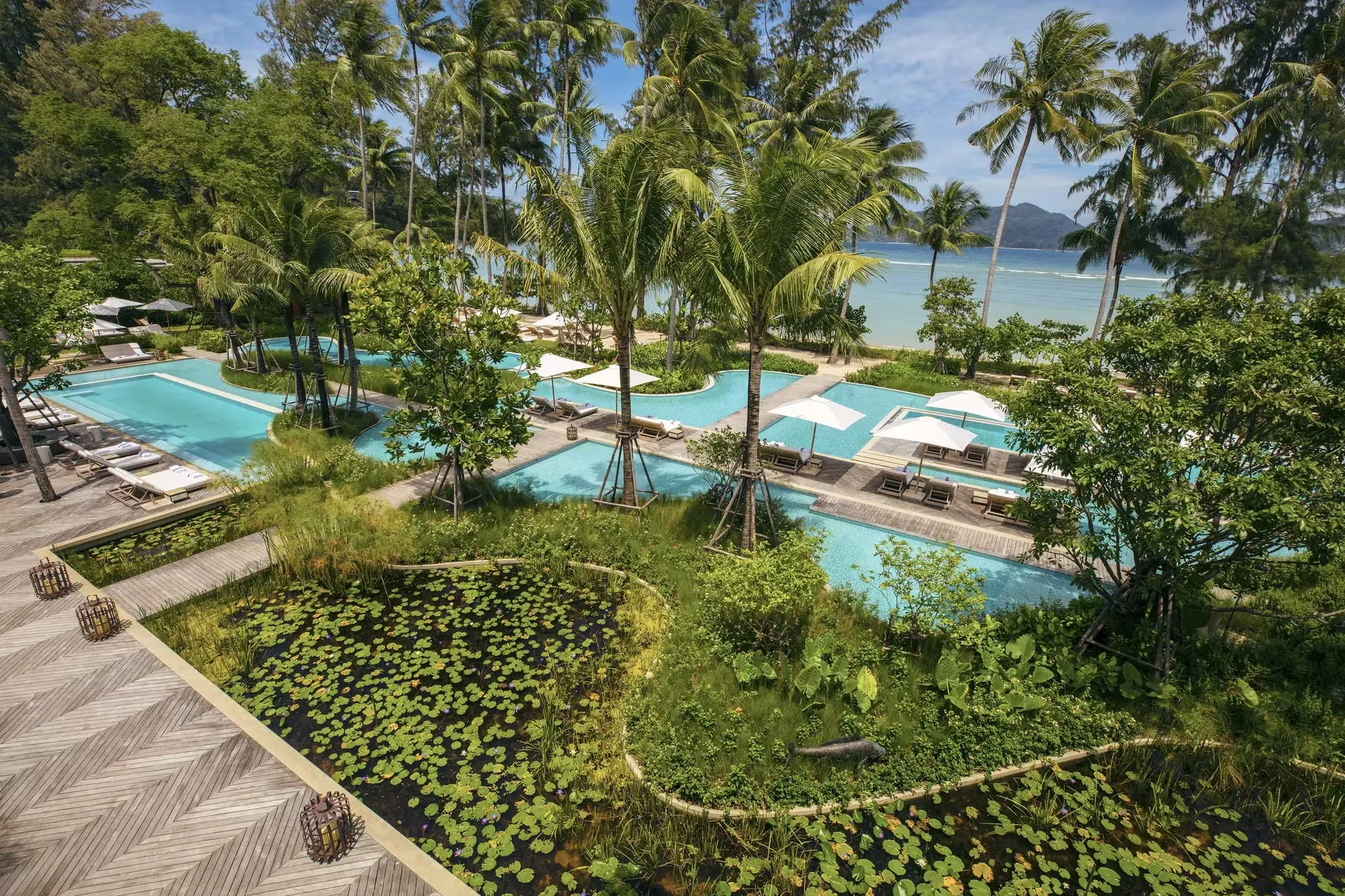
Emerald Bay, Phuket, Thailand
Rosewood Phuket
A tiered village of 71 pavilions, villas and houses cascading down a forested hillside to a private stretch of Emerald Bay, built as Rosewood's first foothold in Southeast Asia.
From $850 per night
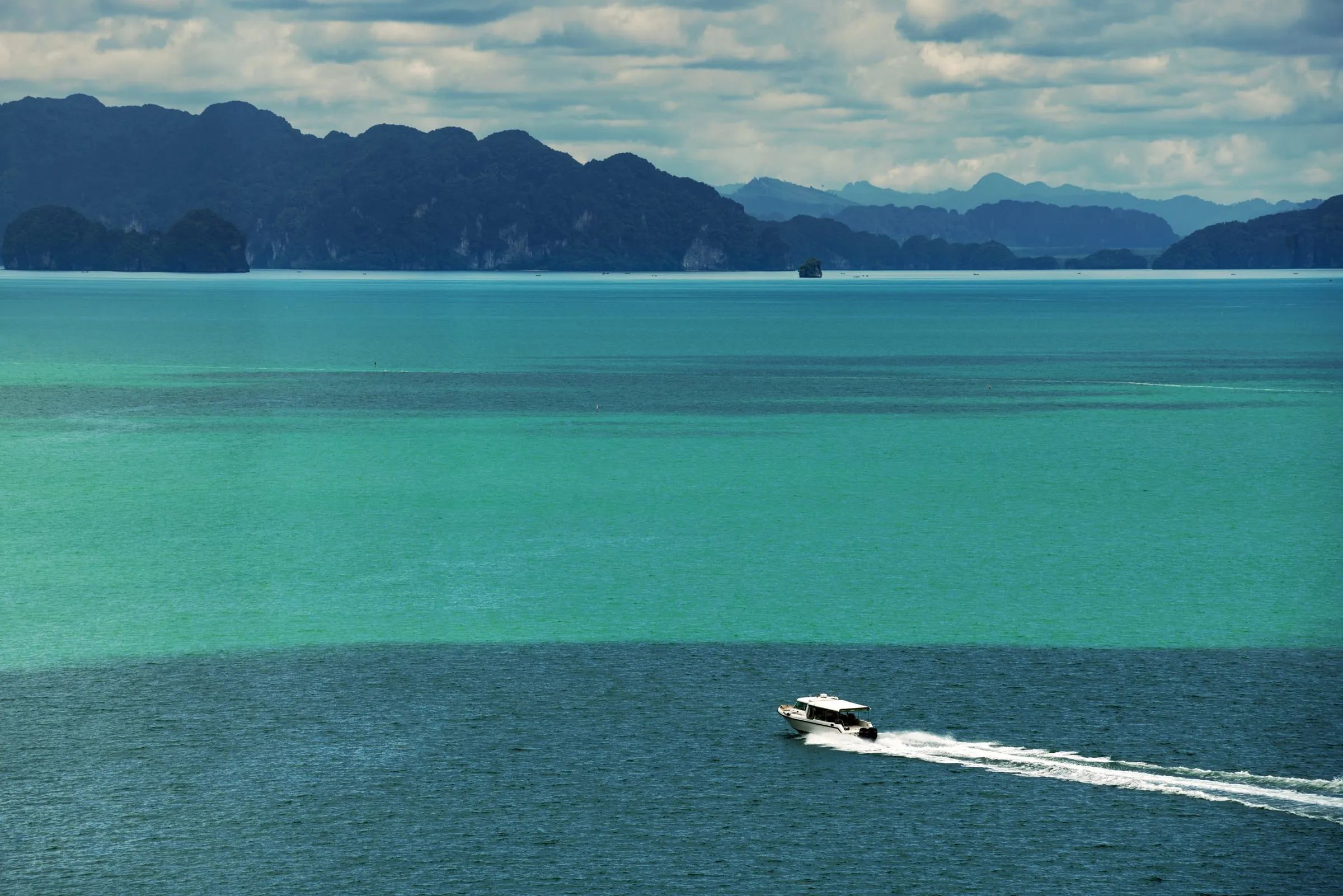
Koh Yao Noi, Phang Nga Bay, Thailand
Six Senses Yao Noi
Fifty-six hillside pool villas built to disappear into the jungle above Phang Nga Bay's limestone karsts.
From $700 per night
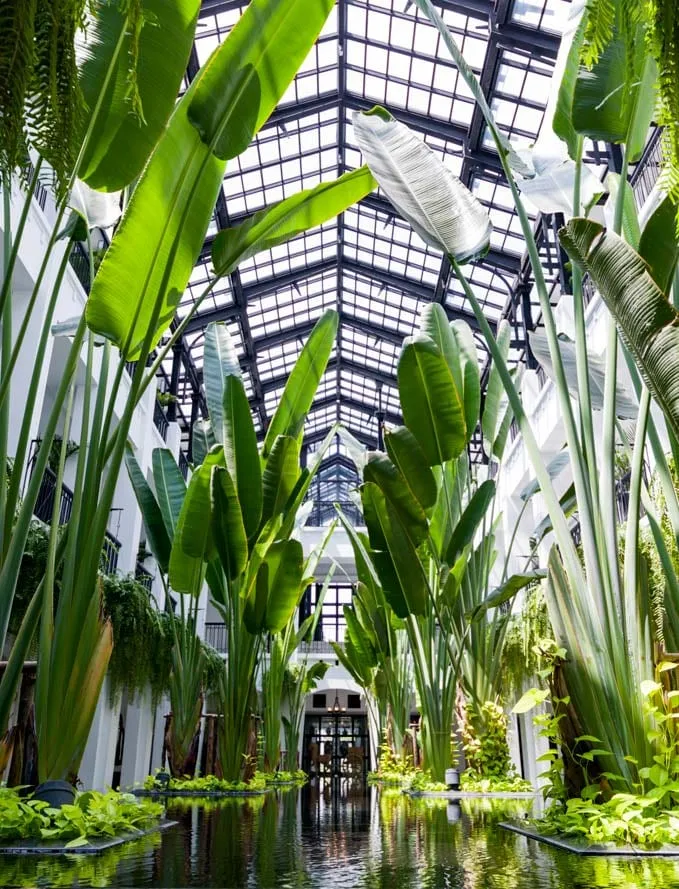
Dusit, Chao Phraya riverside, Bangkok, Thailand
The Siam
A 39-key riverside retreat in royal Dusit, built by a rock-star hotelier to look, deliberately, a century older than it actually is.
From $750 per night