Philippines
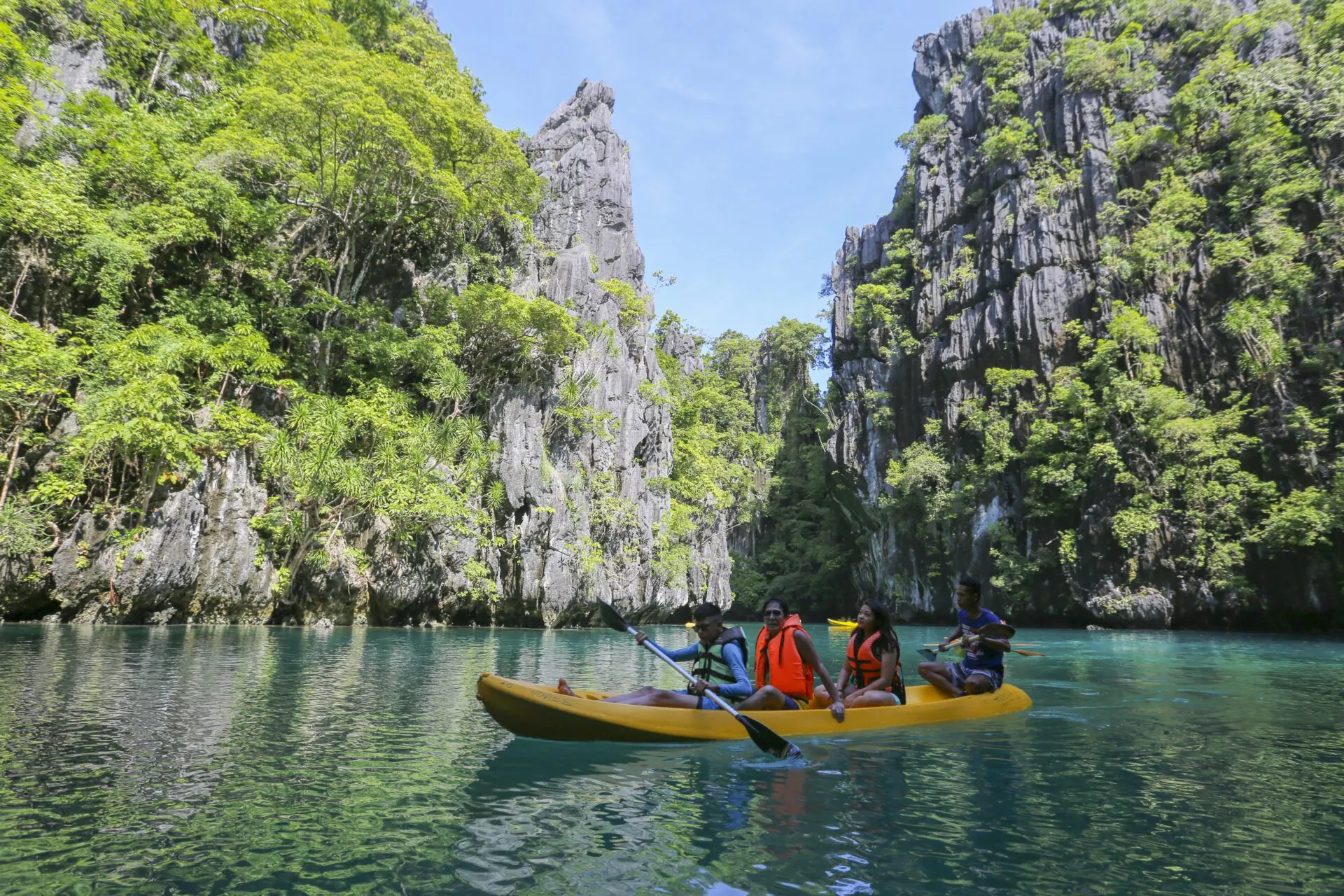
An archipelago of more than seven thousand islands, and a luxury hotel scene concentrated in a handful of them: the karst lagoons of Palawan, the surf coast of Siargao, and the reef-fringed islands off Boracay and Coron.
- When to go
- December to May is the dry season across most of the archipelago. June to November brings the southwest monsoon and typhoon risk, heaviest from July to October.
- Getting there
- Most international arrivals land in Manila or Cebu, then connect by short domestic flight or boat to the relevant island group.
- Best for
- island-hopping diving private islands karst scenery
The Philippines does not offer a single luxury hotel geography the way a smaller destination might. Its best properties are scattered across genuinely different island groups, connected to each other mostly by small domestic flights rather than roads, and each has built its reputation on a different feature of the surrounding water.
Palawan and the Bacuit archipelago
El Nido’s Bacuit Bay, a scatter of limestone karst islands rising straight out of turquoise water, is where the country’s private-island resort tradition began and remains most concentrated. Properties here are reached by small plane to El Nido’s own airstrip or by boat from town, and the karst itself, sheer cliffs, hidden lagoons, sits close enough to be a private-island resort’s actual back garden rather than a scenic backdrop.
The Visayas: Boracay and Coron
Boracay’s White Beach remains the country’s best-known strip of sand and its most developed, which cuts both ways: strong infrastructure and dining choice, against a busier shoreline than the private islands further south. Coron, at the northern tip of Palawan province, trades Boracay’s polish for wreck diving (a cluster of sunken Japanese naval vessels from the Second World War) and a starker, more remote limestone landscape.
What we look for here
Because so much of the Philippines’ luxury hotel appeal rests on water access, reef condition, and island-hopping logistics, location here is judged the same way it is in the Maldives: on proximity to the specific karst, reef, or wreck a property is actually near, not on generic beachfront. Transfer complexity (small planes, boat transfers, weather-dependent schedules) is treated as a genuine part of a property’s distance, and service quality is weighted heavily since, as in any single-island resort, a guest cannot simply leave for a better meal. The guides below apply that standard across the archipelago’s different island groups.
Where to stay
Hotel guides in Philippines
Dimakya Island, Busuanga, Coron, Philippines
Discovery Coron
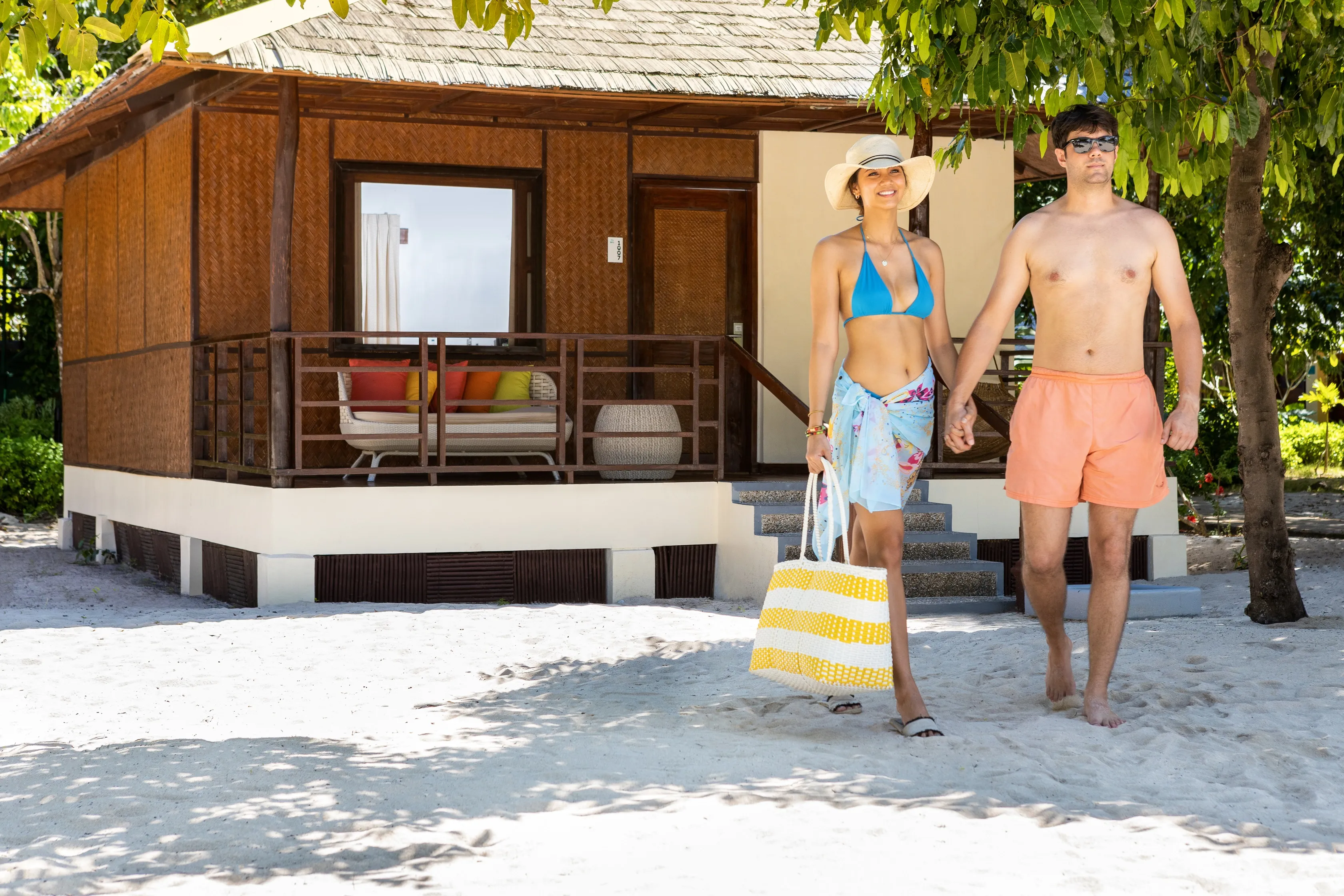
A nineteen-hectare private island off northern Busuanga, diving Coron's Japanese wrecks by day and disconnecting from everything else after dark.
From $260 per night
Pamalican Island, Cuyo Islands, Philippines
Amanpulo
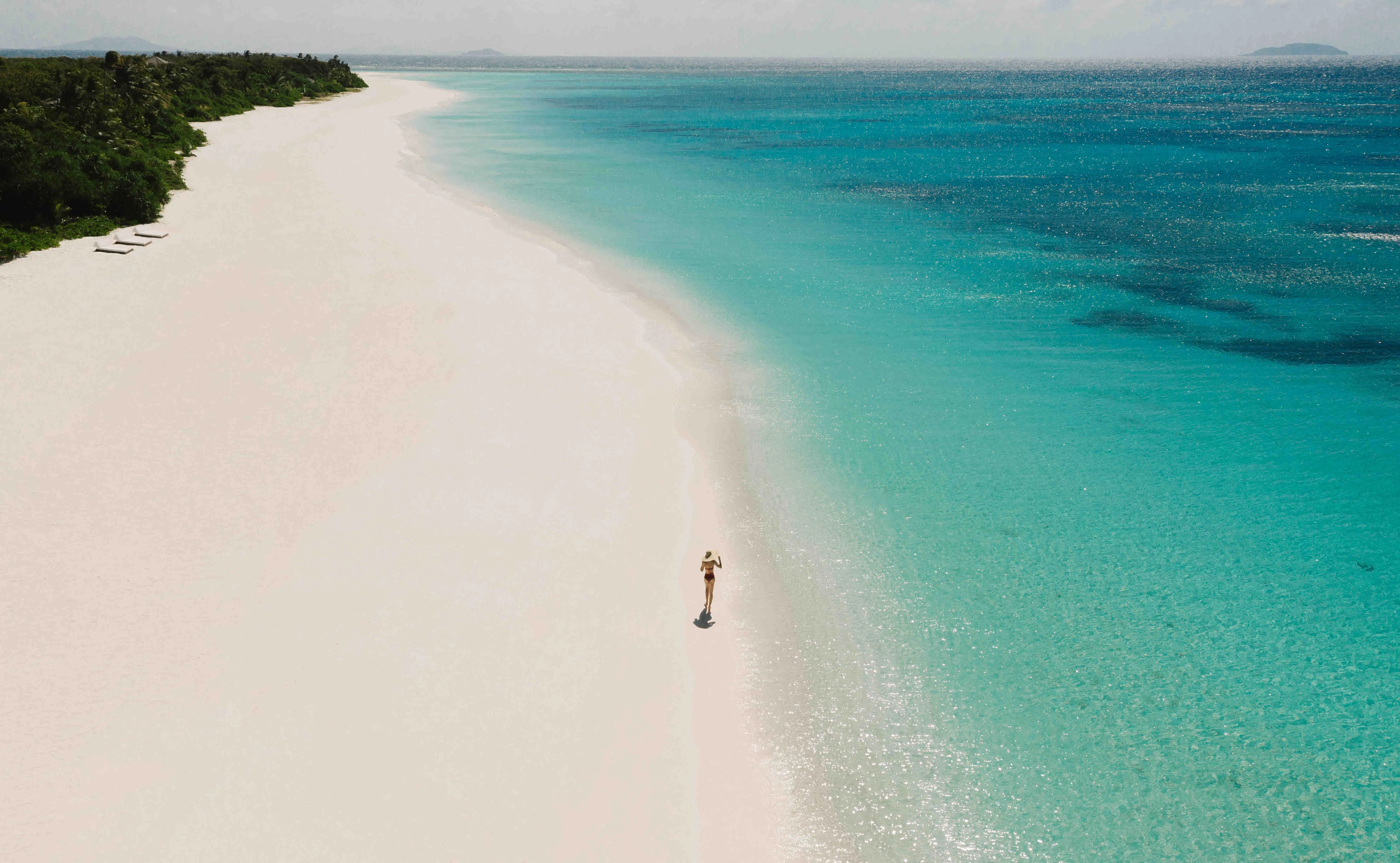
A private island in the Cuyo archipelago, reachable only by Aman's own aircraft, built around bahay kubo-inspired casitas set beneath forty-year-old coconut palms.
From $1,900 per night
Cauayan Island, Bacuit Bay, El Nido, Philippines
Cauayan Island Resort
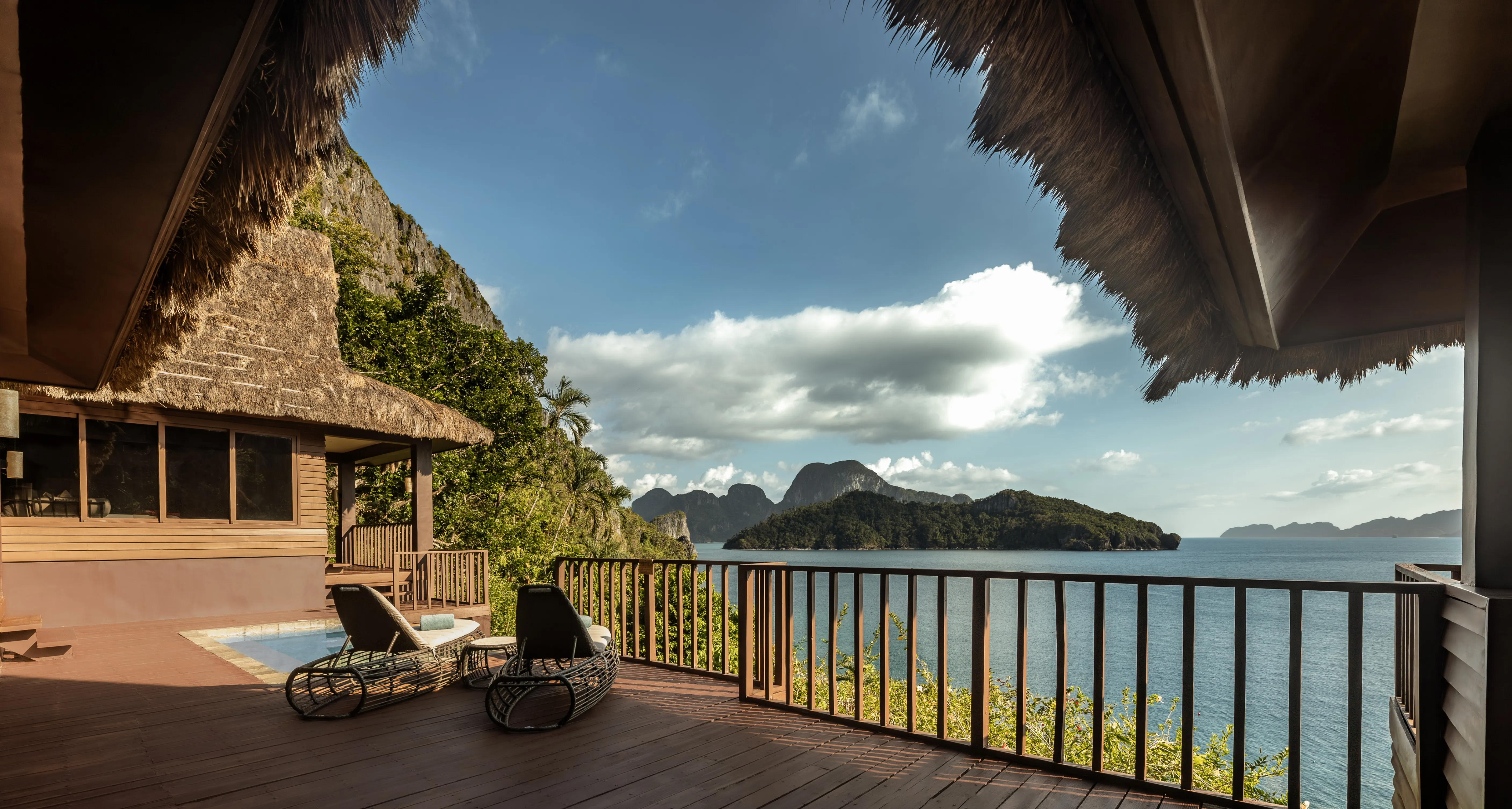
A privately owned island in Bacuit Bay, thirty stilt-raised villas set between limestone cliffs and open water, reachable only by boat.
From $500 per night
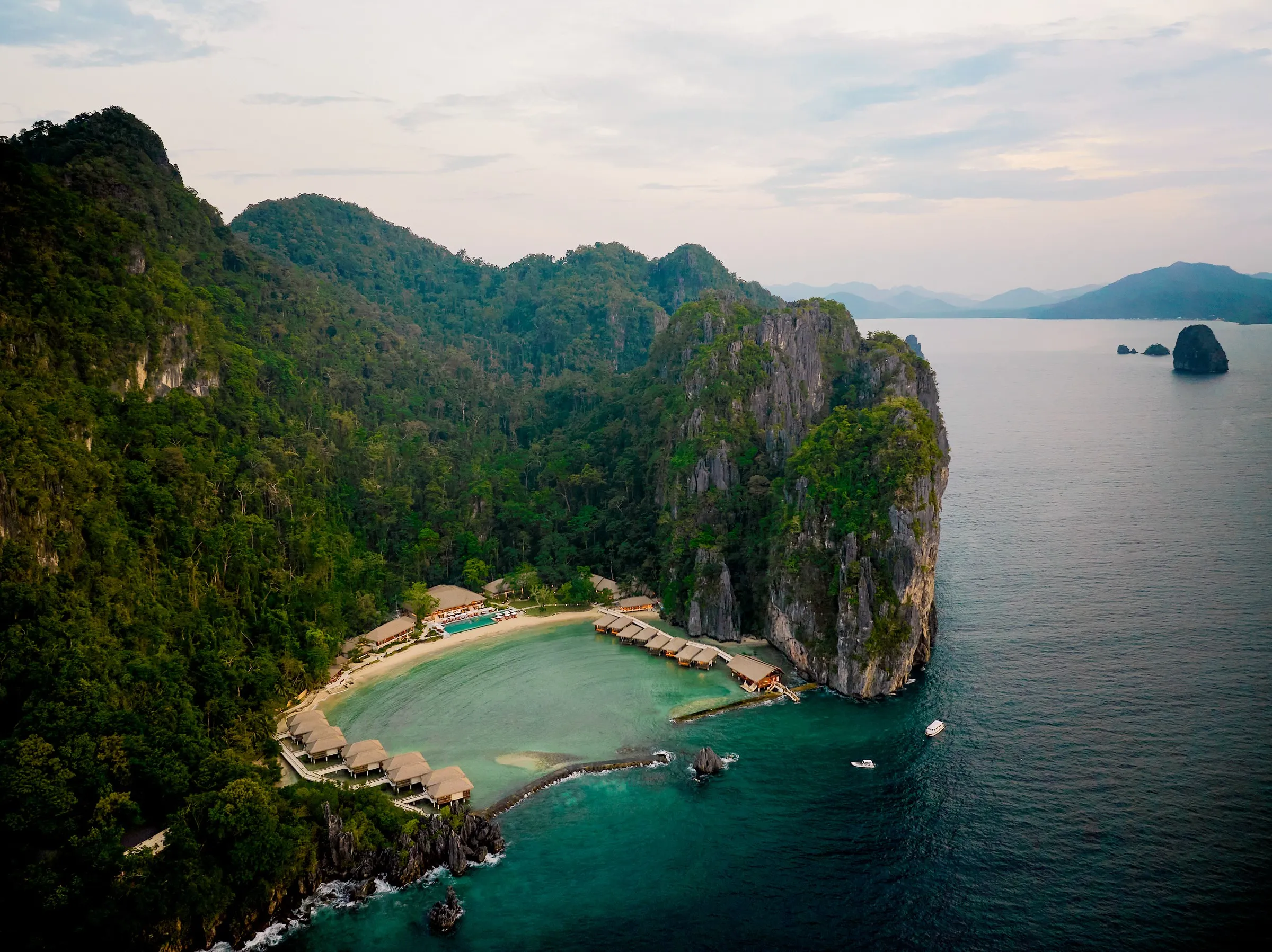
Lagen Island, Bacuit Bay, El Nido, Philippines
Lagen Island Resort
A four-hectare forest reserve wrapped around a lagoon, where the densest limestone forest in the Bacuit archipelago is the amenity, not the backdrop.
From $650 per night
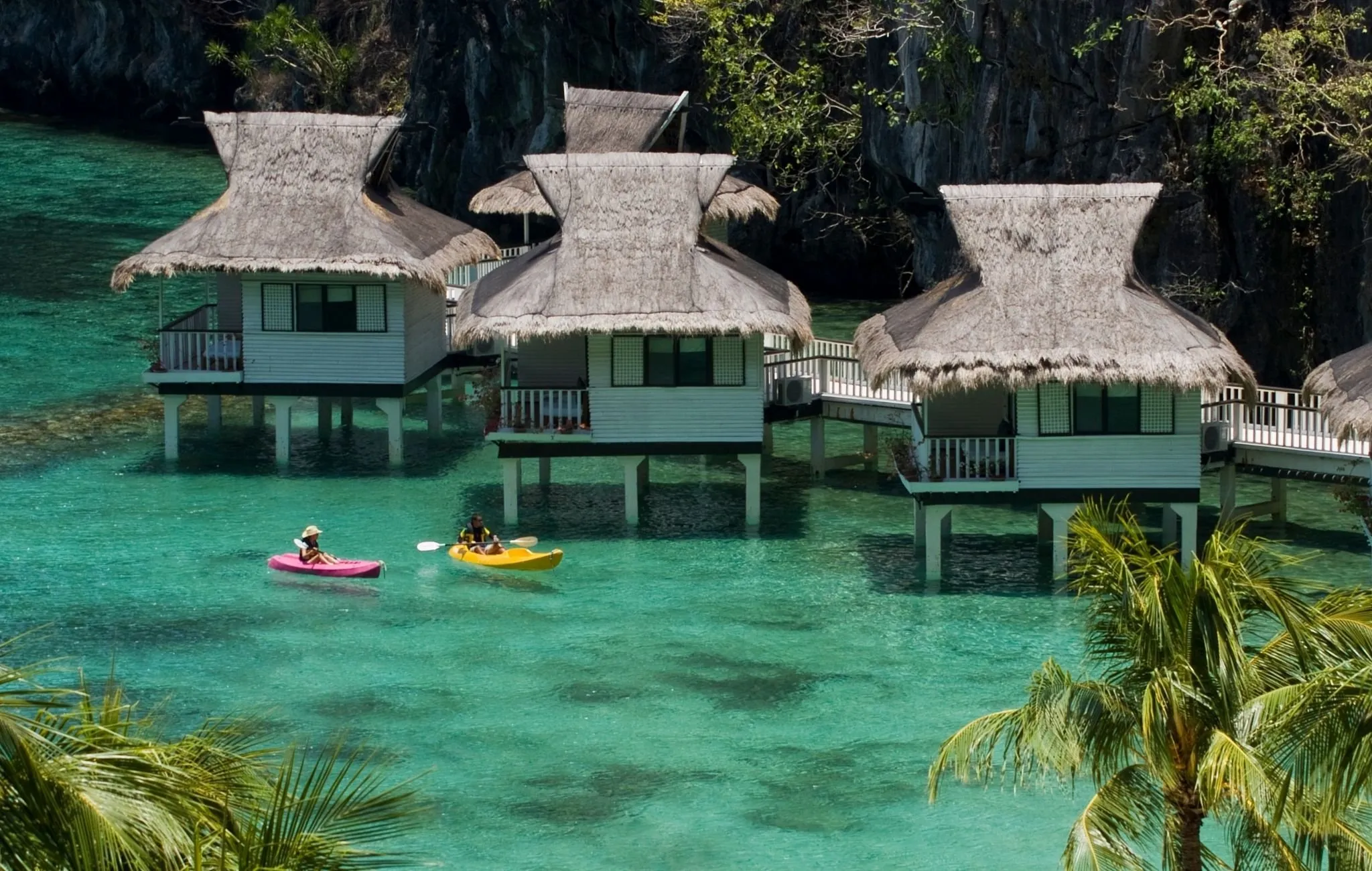
Miniloc Island, Bacuit Bay, El Nido, Philippines
Miniloc Island Resort
A cluster of thatched cottages on stilts beneath limestone cliffs, with El Nido's most famous lagoons reachable by kayak, not by tour boat.
From $650 per night
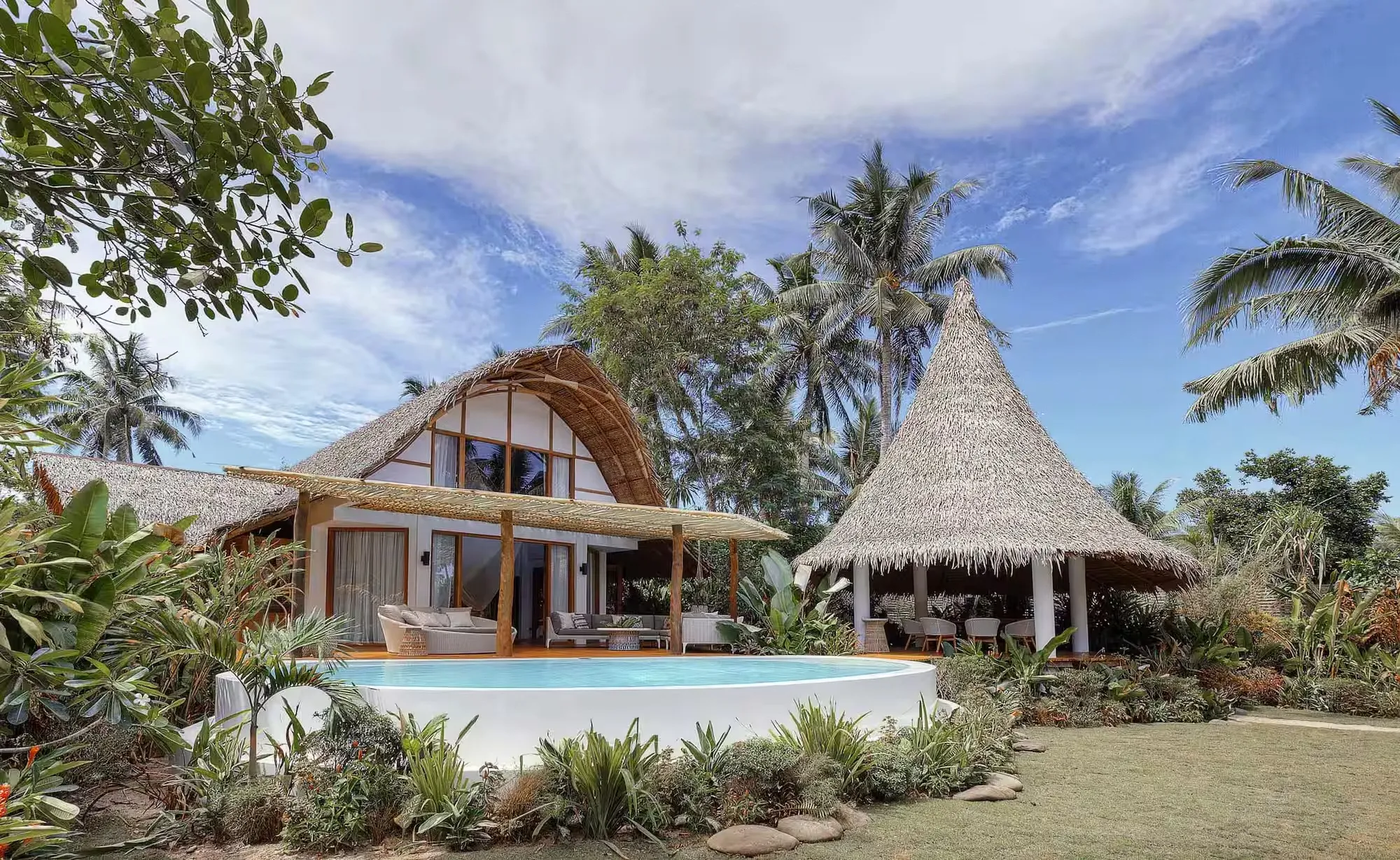
General Luna, Siargao Island, Philippines
Nay Palad Hideaway
Ten thatched villas between an ancient mangrove forest and the Pacific, rebuilt from a typhoon into Siargao's most deliberate barefoot-luxury address.
From $2,500 per night
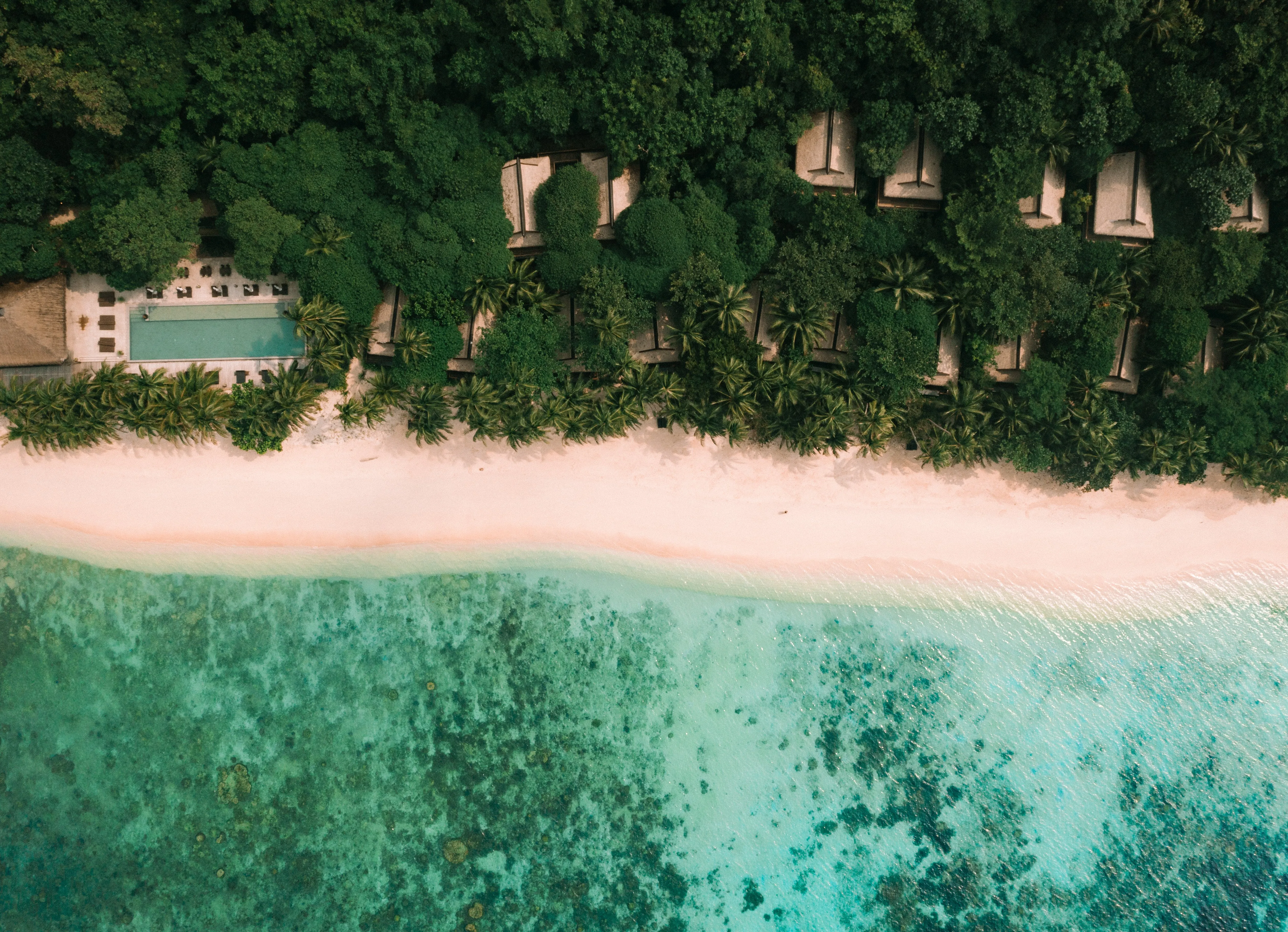
Pangulasian Island, Bacuit Bay, El Nido, Philippines
Pangulasian Island Resort
A single private island in Bacuit Bay's karst-ringed waters, built to forty-two Filipino-designed villas and positioned as El Nido Resorts' most exclusive address.
From $900 per night
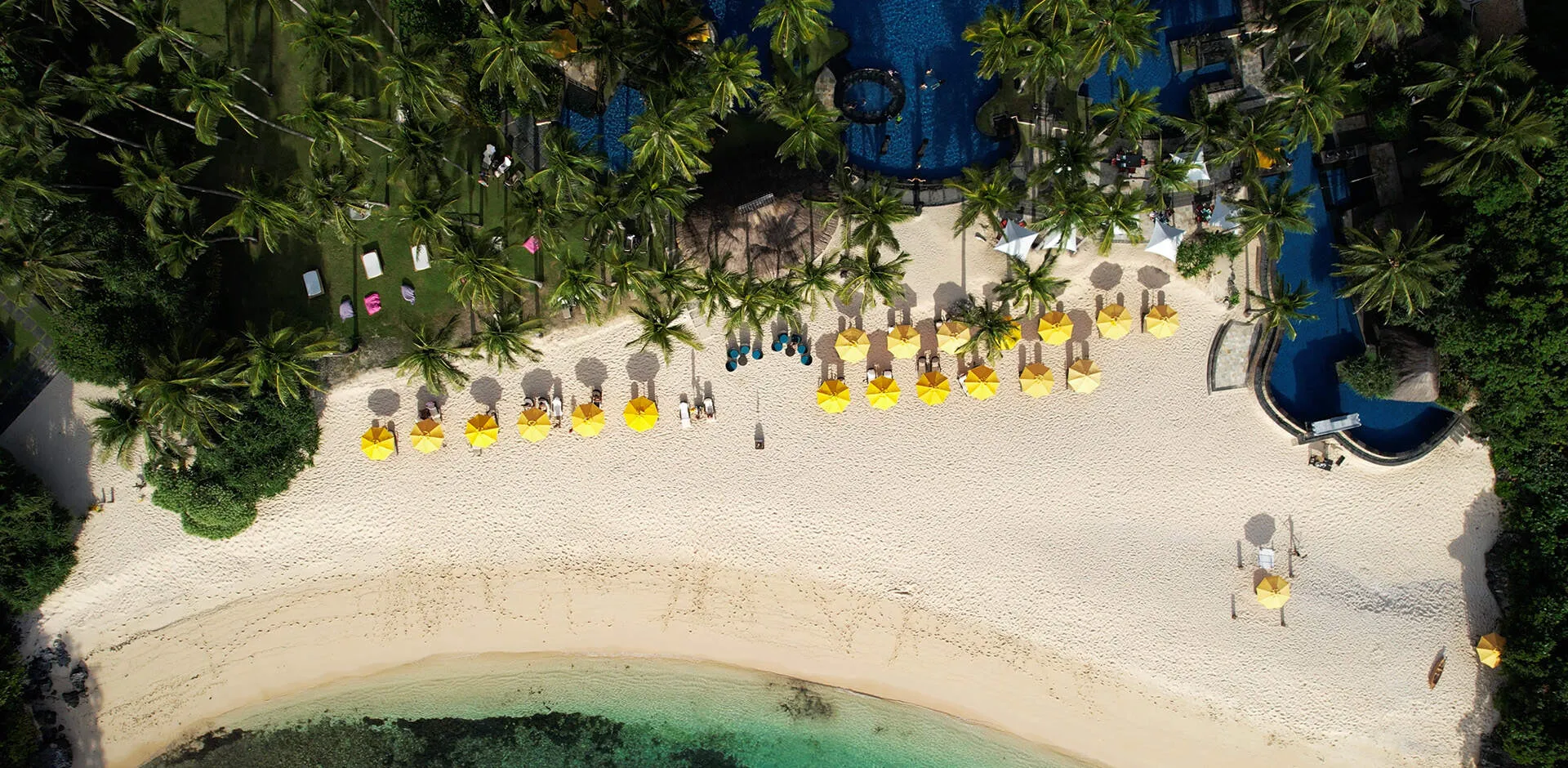
Punta Bunga, Boracay Island, Philippines
Shangri-La Boracay Resort & Spa
A twelve-hectare hillside and beachfront resort on Boracay's quieter northern tip, built around two private coves and a nature reserve most of the island paved over decades ago.
From $350 per night
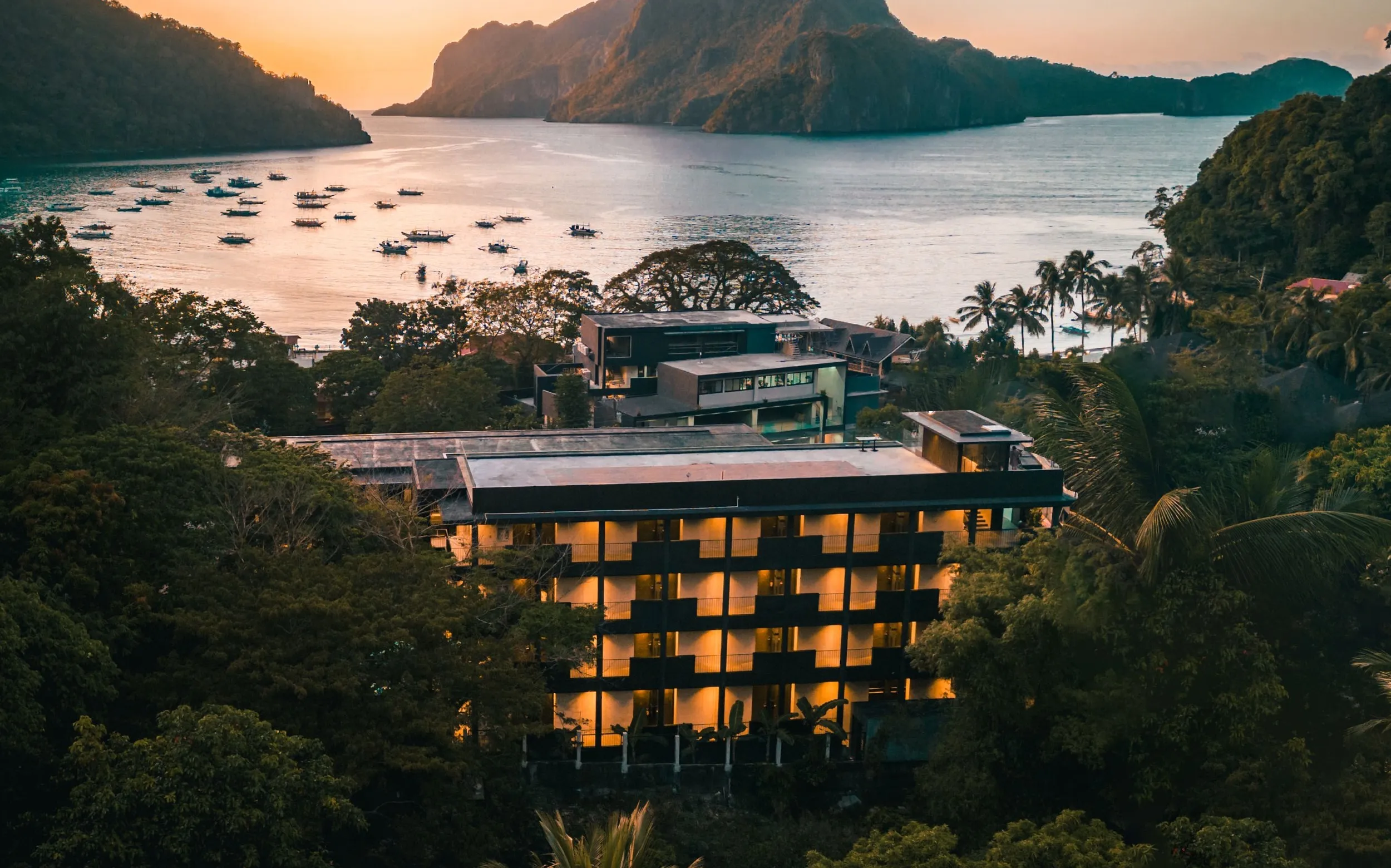
El Nido town, Philippines
The Funny Lion
A brutalist, bamboo-clad courtyard hotel in the middle of El Nido town, built for travellers who want the Bacuit archipelago without a private-island price tag.
From $140 per night
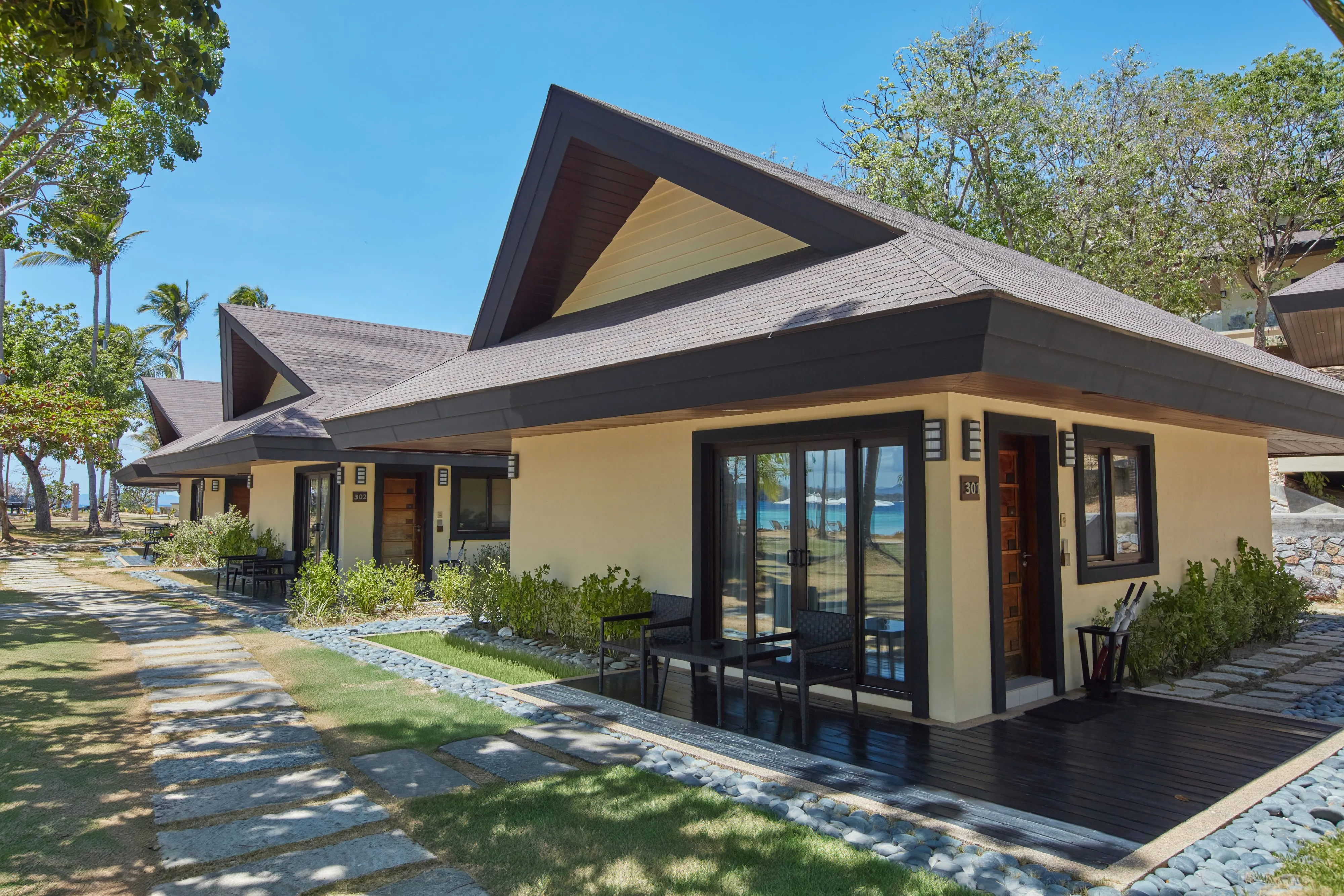
Malaroyroy Peninsula, Bulalacao Island, Coron, Philippines
Two Seasons Coron Island Resort & Spa
A self-sustaining private peninsula between two beaches, built as Coron's first eco-luxury address and still run on its own power and water.
From $350 per night